Quick answer where to stay
Two nights minimum. Inside the walls gets you the old town early and late; Ploče has most of the best hotels; Lapad is cheaper, has the beaches and suits families.
On this page
- How many days to spend in Dubrovnik: the short version
- Why one day in Dubrovnik is not enough, and why three is plenty
- A 2 day and 3 day Dubrovnik itinerary for the city itself
- Dubrovnik in 3 days: day trips around Dubrovnik, and the passport point
- Things to do in Dubrovnik: Game of Thrones, beaches and the nearby islands
- Where to stay in Dubrovnik, and the best hotels question
- Planning a trip to Dubrovnik with Hvar, Split and the rest of Croatia
- The best time to visit Dubrovnik, and how it changes the number
- Frequently asked questions
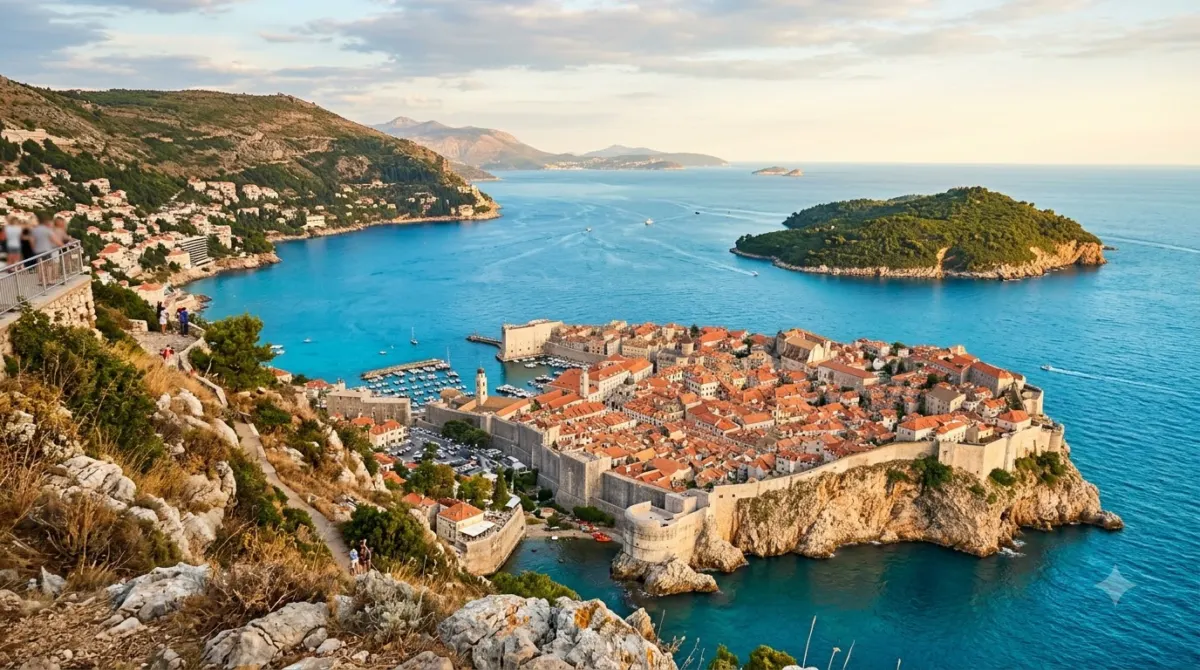
Dubrovnik old town is small. The walls run about two kilometres around it, the Stradun takes four minutes to walk end to end, and you can see Dubrovnik in a long day. The Pearl of the Adriatic is a compact pearl.
Some links below are affiliate links. We may earn a commission if you book through them, at no extra cost to you. We do not rank hotels, and any prices on the map come live from the booking sites.
Two full days is the honest answer for the town itself. One day for the walls, the Stradun and the churches; a second for Mount Srd, Lokrum and swimming. After that you are walking the same lanes again.
What makes the number interesting is what sits around it. Dubrovnik is the only major European old town where the obvious day trips need a passport. Montenegro is under two hours south, Bosnia and Herzegovina under two hours north, and Croatian territory is actually cut in two by a short Bosnian corridor at Neum on the coast road.
So the third day and every day after it is not more Dubrovnik. It is another country. Three days in Dubrovnik is right if you want that; two days in Dubrovnik is enough if you do not. An itinerary for 3 days here is really one day of city and two of everywhere else. Distances, border crossings and opening patterns checked 10 September 2026 — verify current border and ferry rules before you travel.
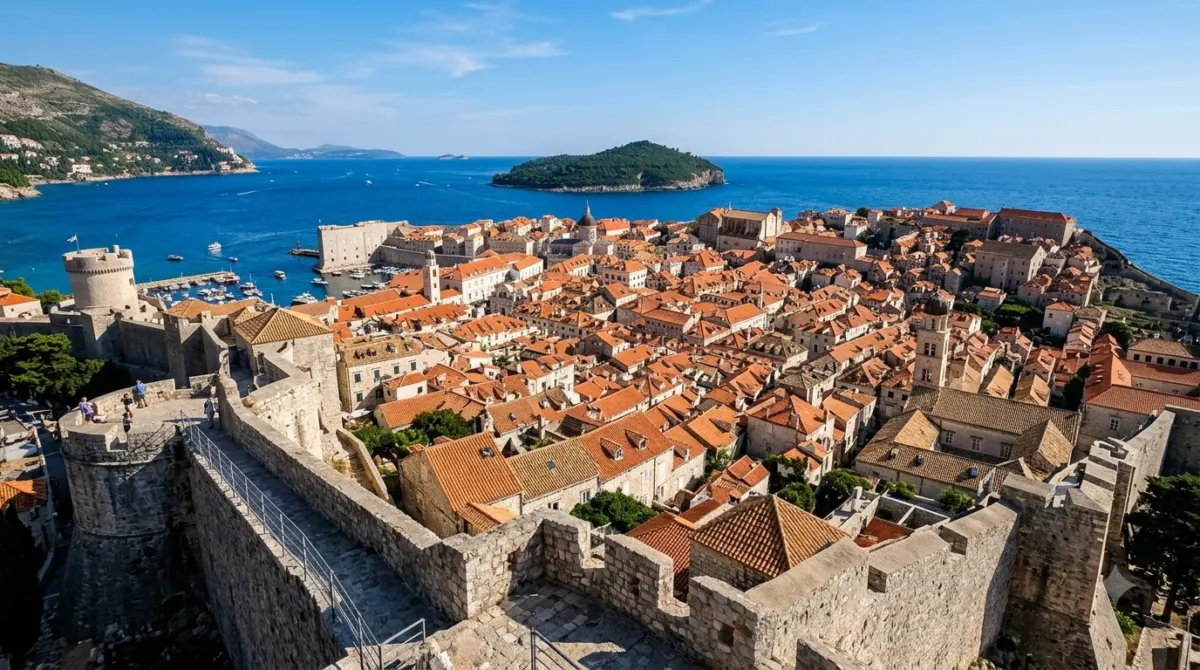
How many days to spend in Dubrovnik: the short version
| Length | What it covers | Verdict |
|---|---|---|
| Cruise ship day | The Stradun and a queue for the walls | You have not been |
| 1 full day | Walls, old town, one meal | Enough to say you saw it |
| 2 days in Dubrovnik | The above plus Srđ, Lokrum and a swim | The town, properly |
| 3 days in Dubrovnik | Adds one day trip: Kotor or the Elafiti islands | The comfortable trip |
| 4 days | Adds a second country, or Korčula | For a long weekend in Dubrovnik |
| A week in Dubrovnik | Use Dubrovnik as your base and go out daily | Only as a base |
Most people should plan a Dubrovnik 3 day itinerary. Two days for the city and one for whichever trip appeals, with a fourth if you want both a boat day and a border. That is the perfect itinerary for a first Dubrovnik trip.
How many days in Dubrovnik, in one line
Two nights minimum, three for a Dubrovnik trip that includes a day out. Plan your trip around the flight, because most people travel to Dubrovnik by air rather than by road.
Where to sleep on this route
Why one day in Dubrovnik is not enough, and why three is plenty
- The old town is genuinely tiny. Dubrovnik Old Town is a UNESCO World Heritage site of a few hundred metres square, so number of days is not about distance.
- Walking the Dubrovnik city walls takes about two hours at a normal pace, and it is the single thing everyone comes for.
- The walls are miserable in a crowd and in heat. Go at opening or in the last two hours, not at noon in July.
- Cruise ship arrivals decide the day. When several ships are in, the Stradun and the wall circuit fill; when none are in, the same streets are calm.
- You cannot control the ships, but with two nights you get one early morning and one late evening, and those are the two windows that matter.
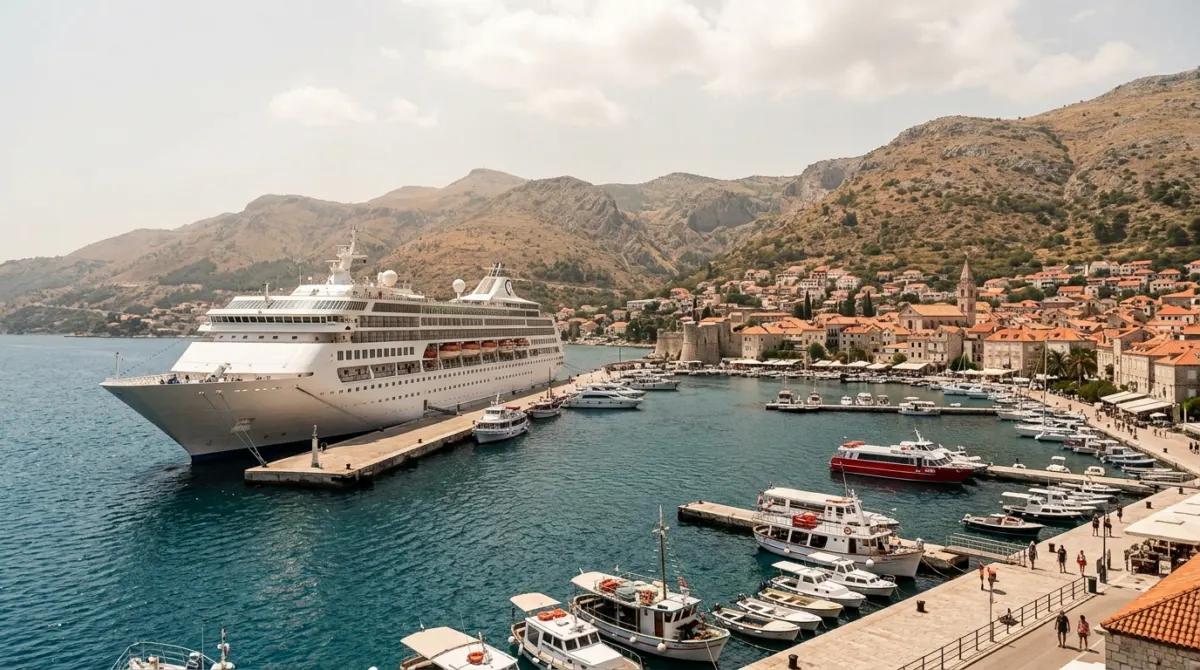
A 2 day and 3 day Dubrovnik itinerary for the city itself
First day in Dubrovnik: the walls and the old town
- Enter at the Pile Gate and walk the walls of Dubrovnik first thing, before the heat and before the ships.
- The Stradun, the polished limestone street that is the spine of everything, runs from Pile to the old port. Stroll it, then come back at night when it is empty.
- Dubrovnik Cathedral, the Rector’s Palace and the monastery of the Franciscans with its ancient pharmacy are the three interiors worth paying for.
- Grab the Dubrovnik Pass if you plan to do the walls plus two or three museums, because the walls alone are most of its price.
- Eat outside the main drag. Proto and the streets behind the cathedral do better seafood than anything on the Stradun itself.
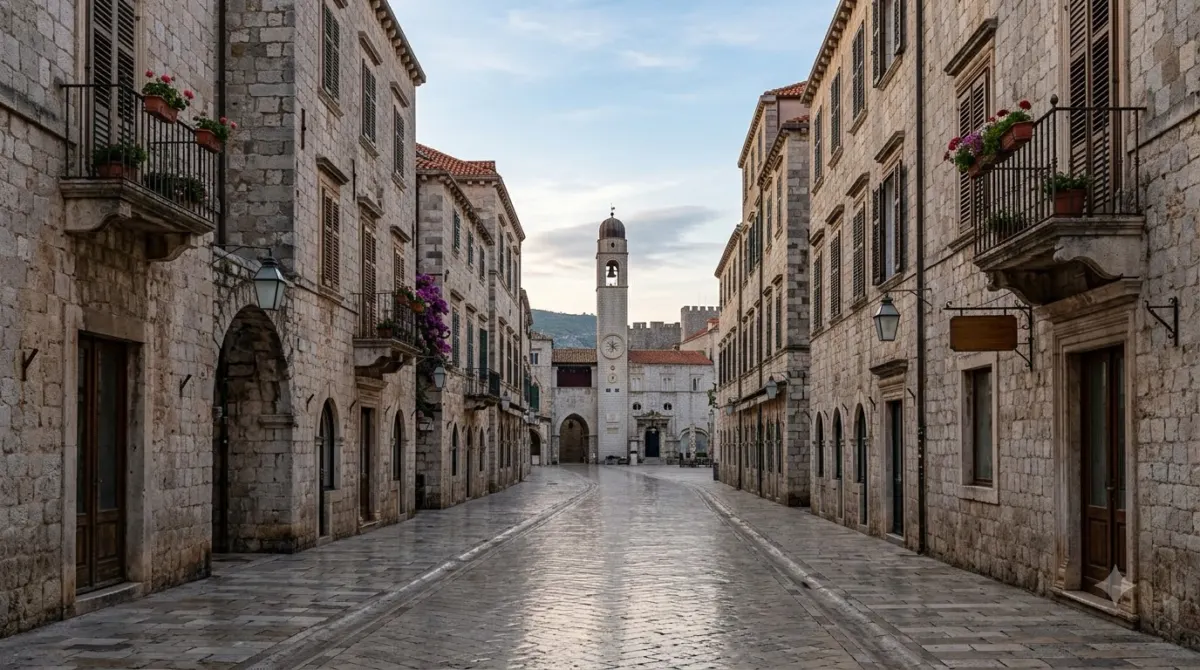
Second day: Mount Srđ, Lokrum and the water
- The Dubrovnik cable car climbs Mount Srđ in four minutes and gives the best views of the old town and the Adriatic Sea. Go at sunset. It is the one place you can see the whole shape of the city.
- Lokrum island is ten minutes by boat from the old port, covered in pines, with rocky swimming ledges and peacocks. It is the easiest escape in the city.
- Banje beach sits just outside the city walls with the classic view back at them, and the Ploče side has quieter swimming.
- Buža bar, through a hole in the sea wall, is a drink on the rocks with nothing between you and the Mediterranean Sea.
- Game of Thrones filming locations are scattered through the old town, and a walking tour is the efficient way to see them if that is why you came.
Dubrovnik in 3 days: day trips around Dubrovnik, and the passport point
This is what the third and fourth days are actually for.
- Kotor, Montenegro is about two hours south, a walled town at the end of a fjord-like bay, and the most popular day trip from Dubrovnik. Border queues in August are the risk.
- Trebinje, Bosnia and Herzegovina is under an hour and a half inland, a small Ottoman-influenced town with a bridge and a market, and almost nobody goes.
- Mostar is further, about three hours each way, which makes it a long day rather than a pleasant one.
- The Elafiti islands need no passport: three small car-free islands, an hour by boat, and the best day out if you would rather swim than queue.
- Korčula is two to three hours up the coast and works better as an overnight than a day trip.
- Neum, the Bosnian coastal corridor, splits Croatia in two on the coast road north, so a drive to Split crosses two borders unless you take the Pelješac bridge.
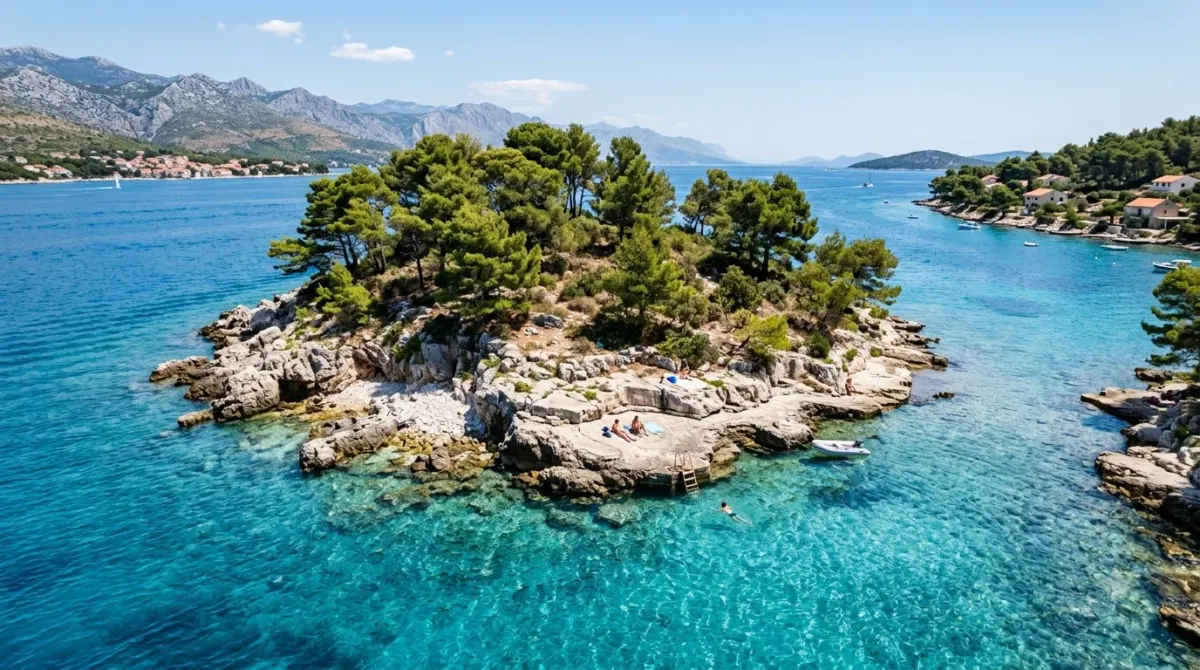
Things to do in Dubrovnik: Game of Thrones, beaches and the nearby islands
A short list of what actually fills a Dubrovnik trip, because an itinerary for Dubrovnik is short by design. This is how you explore Dubrovnik properly rather than quickly.
- Walk the walls, then stroll the Stradun twice — once at seven in the morning and once at ten at night. They are two different streets.
- Game of Thrones locations are scattered across the old town, and the Jesuit Stairs and Fort Lovrijenac are the two most recognisable. A guided walk is the efficient way to see them.
- Beaches in Dubrovnik are small and rocky. Banje has the views of the old town, Sveti Jakov is quieter, and the Elafiti and other nearby islands have the better swimming.
- The Franciscan monastery pharmacy has been running since 1317 and is one of the oldest in Europe, which is the sort of detail the architecture here is full of.
- Eat the seafood. Grilled fish, black risotto and shrimp are the local plates, with a glass of Pošip or Plavac Mali, the Dalmatian wines.
- Ride the cable car twice if the weather is clear. The city of Dubrovnik is one of the few places where the same view changes completely between noon and dusk.
Where to stay in Dubrovnik, and the best hotels question
Where you sleep changes how many days you need, because it decides whether the good hours are easy or a taxi ride away.
- Inside the walls means you get the old town early and late, which is the whole argument for two nights. It also means no cars, some stairs and higher prices.
- Ploče, just east of the walls, is where most of the best hotels in Dubrovnik sit, with the views back at the city that the postcards use.
- Lapad, a twenty-minute bus or walk west, is cheaper, has the beaches and suits families.
- Sleeping outside the city walls is the sensible budget answer and costs you the early morning.
- Two nights minimum wherever you choose. A single night gives you no morning at all.
The full breakdown is in our guide to where to stay in Dubrovnik.
Map shows live availability and prices. We may earn a commission on bookings made through it, at no extra cost to you.
Planning a trip to Dubrovnik with Hvar, Split and the rest of Croatia
- Dubrovnik is a long way from everywhere else in Croatia. Split, Croatia is about three and a half hours by road and Zagreb is a flight, so travel to Dubrovnik usually means flying in rather than driving down.
- Hvar is reachable by catamaran in around three hours in season, which makes it an overnight rather than a day trip.
- Do not plan Dubrovnik and Hvar in the same three days. The travel eats the trip.
- On a two-week Croatia itinerary, three nights here at one end of the route is the right shape, and it is worth planning your trip around the flight rather than the drive.
- Dubrovnik Airport is about twenty minutes from the old town and has direct flights across Europe in summer.
The best time to visit Dubrovnik, and how it changes the number
- May, June, late September and October are the best time to visit Dubrovnik. Warm, swimmable, and the walls are bearable.
- July and August are hot and very crowded. Dubrovnik in the summer needs an extra day because you lose the middle of each one.
- Season in Dubrovnik ends abruptly. By November many restaurants and the island boats stop, and two days is plenty of time in Dubrovnik.
- Cruise season peaks with the heat, so the two problems arrive together.
- Book the walls early in the day whatever the month. There is no shade up there.
For neighbourhoods, see our guide to where to stay in Dubrovnik. For the wider route, see our Croatia itinerary and where to stay in Split.
Not sure which area to book? See where to stay in Hvar.
Frequently asked questions
How many days do you need in Dubrovnik?
Two full days for the old town and three if you want a day trip. The walled city is small, about two kilometres of wall around a few hundred metres of streets, so two days genuinely covers it: the walls, the churches, Mount Srđ and a swim at Lokrum. Everything beyond that is outside the city.
Is 2 days in Dubrovnik enough?
Yes, for the town itself. Two days lets you walk the city walls in the cool of the morning, see the cathedral and the Franciscan monastery, ride the cable car up Mount Srđ at sunset and spend half a day swimming at Lokrum or Banje. What two days does not include is Montenegro, Bosnia or the Elafiti islands.
What are the best day trips from Dubrovnik?
Kotor in Montenegro, about two hours south, is the most popular and the most spectacular. Trebinje in Bosnia and Herzegovina is closer, quieter and far less visited. The Elafiti islands need no border crossing and are the best option if you want a boat and a swim rather than another old town.
How long does it take to walk the Dubrovnik city walls?
About two hours at a normal pace, longer if you stop for photographs. The circuit is roughly two kilometres and it is entirely exposed, so go at opening time or in the last two hours before closing. In July and August the middle of the day is genuinely unpleasant up there.
Is Dubrovnik worth visiting on a cruise stop?
It is the weakest way to see it. Cruise arrivals concentrate visitors into the same few hours, and the Stradun and the wall circuit are at their worst then. Staying two nights gets you the old town early in the morning and after the ships leave, which is when it looks like the photographs.
Can you do Dubrovnik and Hvar together?
Not in a short trip. Hvar is around three hours by catamaran in season, so it works as an onward overnight stop rather than a day trip. If you have a week in Croatia, three nights in Dubrovnik and three on Hvar or in Split is a sensible split, with the travel day between them accepted rather than fought.
What is the best time to visit Dubrovnik?
May, June, late September and October. The sea is swimmable at both ends of that range, the walls are walkable in the middle of the day and the cruise traffic is lighter. July and August are hot and very busy, which effectively costs you a day. Winter is quiet but many places close.
Keep planning Croatia
Written and checked by
Triplarks Editorial
An editorial desk, not an invented persona: research, drafting and fact-checking are done by the same small team. Every number here carries the date it was read.