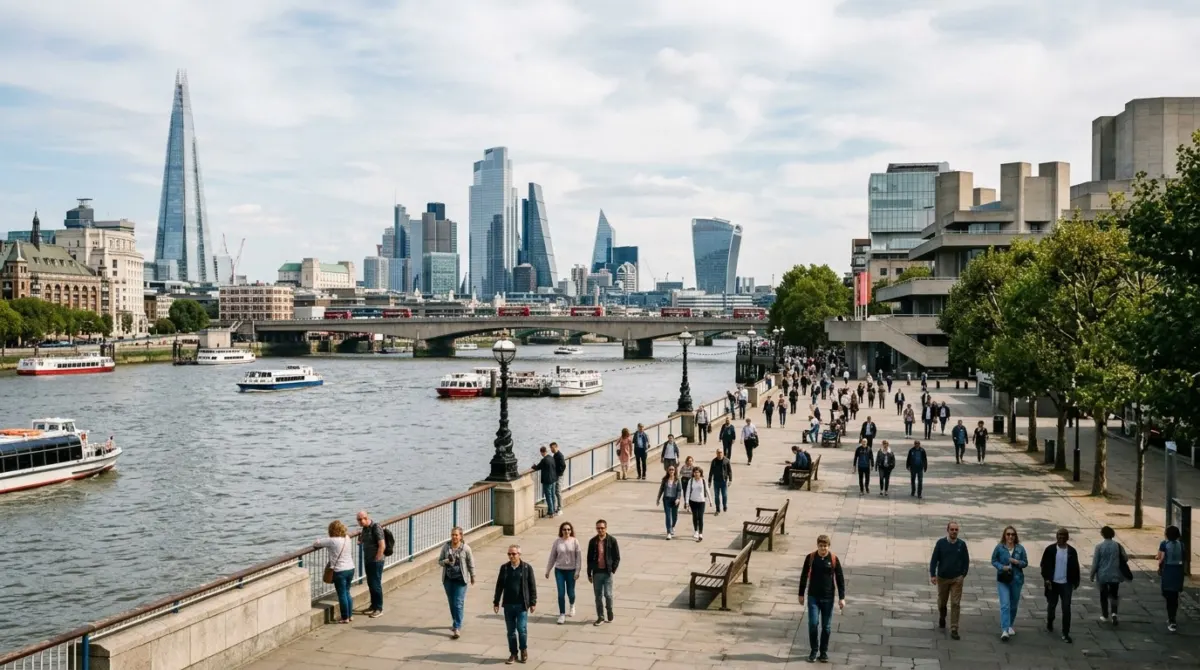
Quick answer where to stay
Four days for a first visit, and five is better. Stay in central London, roughly Zone 1: South Bank, Bloomsbury, Covent Garden and Southwark are the best compromises between price and position. The walk to a tube on a line you need matters more than the postcode.
On this page
- How many days in London: the short answer
- One day in London
- Two days in London
- Is 3 days in London enough time?
- A 4 day London itinerary: the length most first visits should pick
- Is 5 days too much for London?
- How many full days you actually get
- What you cannot skip on a first trip to London
- Does a day trip fit?
- Short on time: what to cut first
- How many days in London with kids
- Where to stay in London, and how central London changes the arithmetic
- Best month to visit London
- The short version
- Frequently asked questions
The honest answer is four days, and five is better. London is not a city you finish; it is about thirty former villages that grew together, and the famous sights are a thin layer over a very large place.
Some links below are affiliate links. We may earn a commission if you book through them, at no extra cost to you. We do not rank hotels, and any prices on the map come live from the booking sites.
What four days buys you, and what makes the time in London feel like a trip rather than a queue, is the unavoidable monuments, two or three free museums, one market and one district walked properly, without crossing the city twice before lunch. This guide sets out what each length actually covers.
How many days in London: the short answer
One day: Westminster and the river. The postcard, at speed.
Two days: add the Tower of London and the British Museum.
3 days in London: add a market, one district and a third museum. This is the realistic minimum for a first visit.
Four days: add Greenwich or a second district, and stop rushing. This is the length to aim for.
Five days or more: add a day trip, the outer districts and an afternoon with nothing in it.
How many days to spend in London depends mostly on whether you want the monuments or the city, and those are different trips.
One day in London
One day is a stopover, and the trick is to stay on one axis.
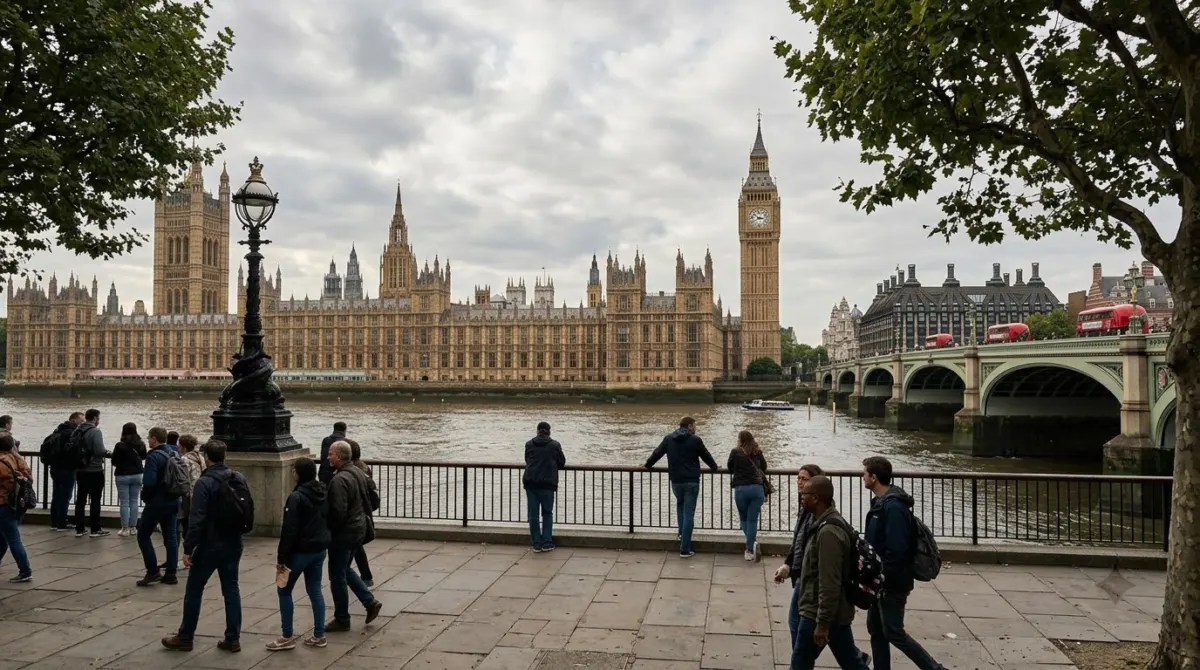
What fits: Westminster Abbey, Big Ben and the Houses of Parliament, then along the South Bank past the London Eye to Tate Modern and the Millennium Bridge, ending at St Paul’s. That is one straight line of about four kilometres with no transport needed.
Or the other axis: the Tower of London at opening, Tower Bridge, then west along the river to Borough Market and the South Bank.
What to cut: the British Museum, Buckingham Palace, any market and any district. One day in London does not include a museum unless you skip something outdoors for it.
What to book: the Tower if you choose that axis, Westminster Abbey if you choose the other. Nothing else.
Two days in London
Day 1 — Westminster and the river. Westminster Abbey, Parliament and Big Ben, the Churchill War Rooms, St James’s Park and Buckingham Palace, Trafalgar Square and the National Gallery.
Day 2 — the City and the South Bank. The Tower of London at opening, Tower Bridge, then west along the south bank to Borough Market, Tate Modern and the Globe, crossing to St Paul’s.
What two days gets you: the Tower, the Abbey, two free galleries, the river and the Crown Jewels. That is the version most short-break visitors leave with and it is a real trip.
What it costs you: the British Museum, Covent Garden and the West End, Camden, Greenwich, Hyde Park and every market except Borough.
Two days is enough if London is one stop on a longer trip. It is not enough if London is the trip.
Is 3 days in London enough time?
Yes, as a first visit, and it is the realistic minimum. Three days covers Westminster, the Tower and the City, the British Museum, one market and one district, with a theatre evening if you want one.
Day 3 is the one that changes the trip: the British Museum in the morning, Covent Garden and Soho for lunch, then either South Kensington’s museums or Camden and Regent’s Park, with a West End show in the evening.
The honest limitation: three days means six half-day slots. The Tower takes one, the Abbey half of one, the British Museum one, and the river walk one. There is no room for Greenwich, Hyde Park, a day trip or a second market.
The miscalculation to avoid: three days usually means three nights, which is two and a half usable days. Arrival and departure each eat a half day.
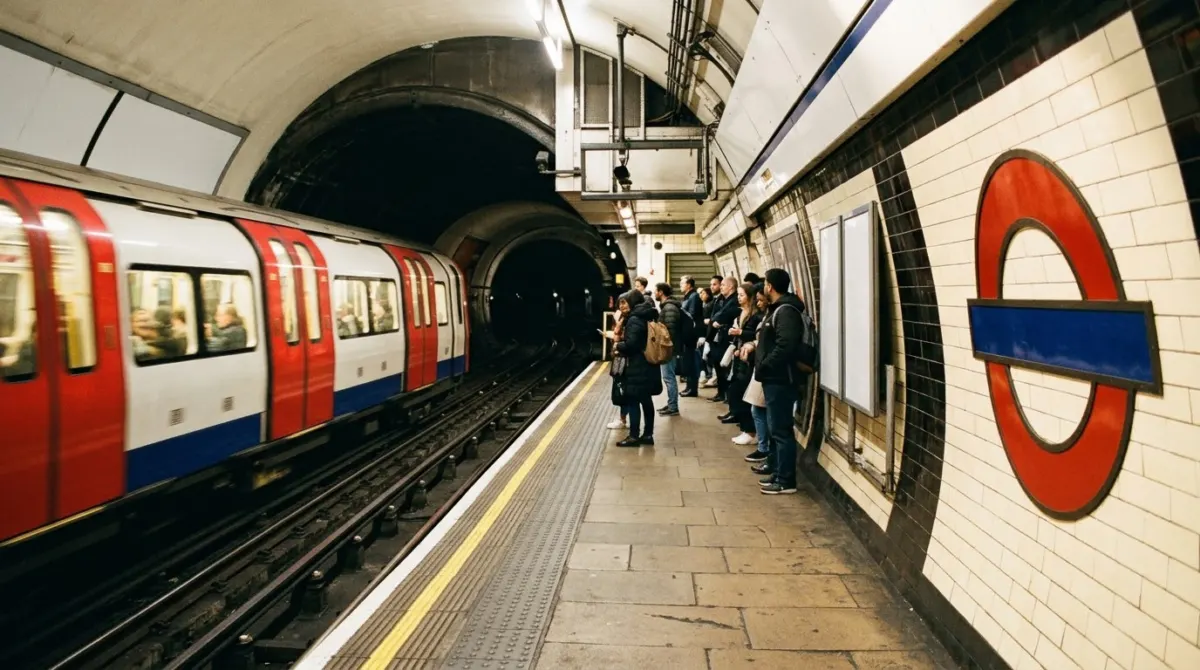
A 4 day London itinerary: the length most first visits should pick
Four days is where the itinerary stops forcing choices, and almost every 4 days in London itinerary you will find online runs on the same four areas as the one below.
Day 1: Westminster, the Abbey, the Churchill War Rooms, St James’s Park, Buckingham Palace and the National Gallery.
Day 2: the Tower of London, Tower Bridge, the south bank west to Borough Market, Tate Modern and St Paul’s.
Day 3: the British Museum, Covent Garden and Soho, then South Kensington or Camden, and a West End show.
Day 4: Greenwich by boat down the Thames, or Hyde Park and Kensington, or east London’s markets and street art.
Why four works: it fits three or four major sights plus two districts plus a market plus one half day with slack in it, which means a wet morning does not wreck the plan.
Our full things to do in London guide sets out each of these areas in detail, and the London itinerary puts them in order.
Is 5 days too much for London?
No, and this is the length people most often say they wish they had taken.
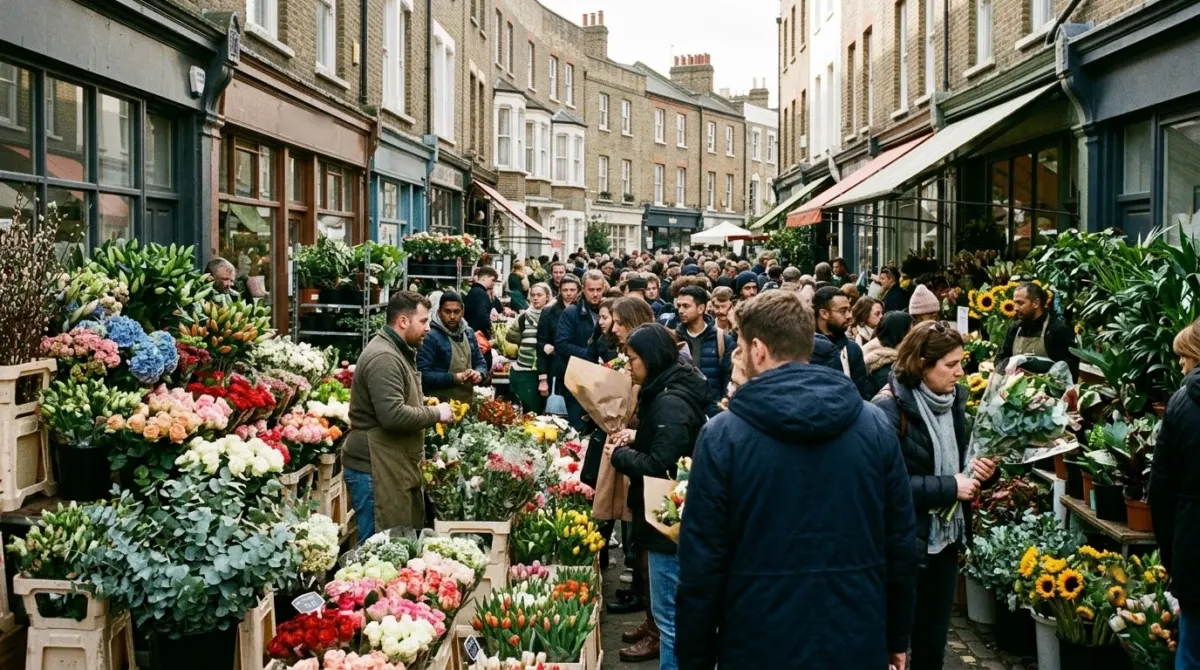
What five days adds: a day trip to Oxford, Bath or Windsor; or Greenwich plus Hampstead Heath; or east London’s markets, Spitalfields and Brick Lane and Columbia Road on a Sunday; plus the Victoria and Albert Museum, which is the one adults return to.
The fifth day is the first one with no monument in it, which is when people start noticing pubs, parks and bakeries rather than ticking off buildings.
Notting Hill and Portobello Road on a Saturday, and Hampstead or Richmond, are the additions that make a sixth day feel different rather than longer. Oxford Street is the one famous name that is worth skipping at any length.
Six or seven days lets you add a second day trip, Kew Gardens, Richmond Park, the Natural History and Science Museums properly, and a second theatre night.
Two weeks in London is not excessive if you treat it as living here rather than visiting, and it is the point at which the outer districts become the interesting part.
How many full days you actually get
This is the arithmetic that catches people out.
Arrival day is a half day at best. Heathrow to central London is an hour on the Elizabeth line or the Piccadilly line, Gatwick and Stansted are thirty to fifty minutes by train plus the transfer at either end, and hotels rarely release rooms before mid-afternoon.
Departure day is not a day. Three hours before a long-haul flight plus the transfer removes the whole morning.
So count nights and subtract one. A five-night trip gives about four full days; a four-night trip gives three.
The practical fix: leave bags at the hotel before check-in, which every London hotel will do, and spend the arrival afternoon on something free and outdoors — a park, the South Bank, or Covent Garden.
What you cannot skip on a first trip to London
These are the things almost nobody regrets, with the time each takes.
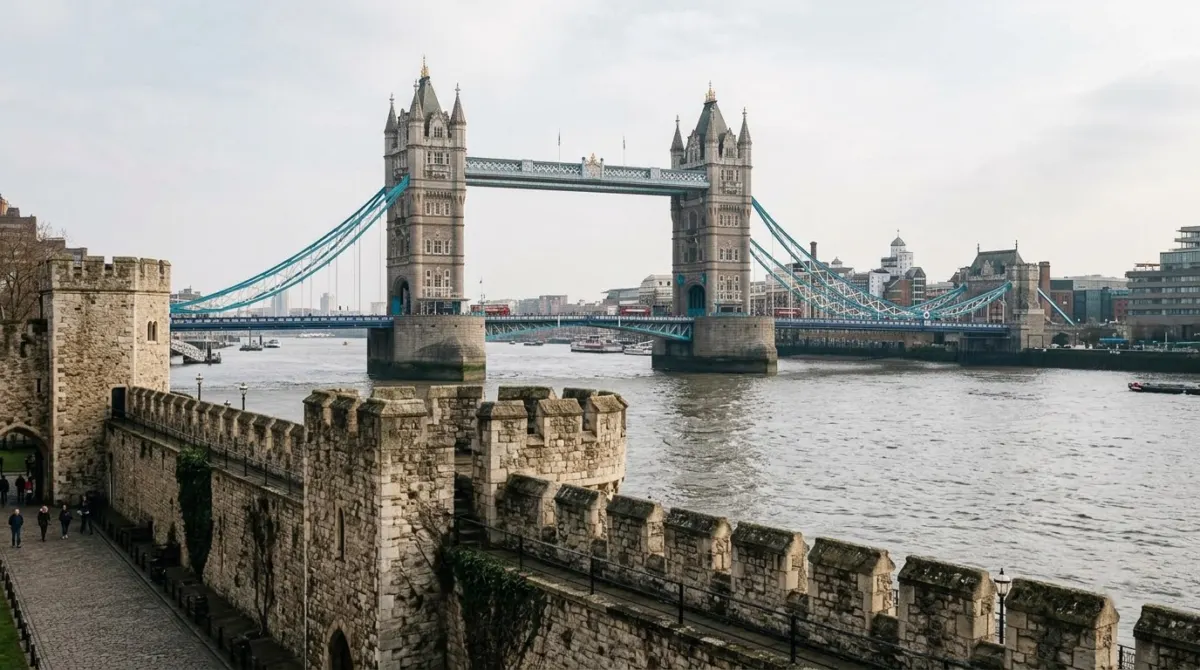
The Tower of London and Tower Bridge, which is the twin-towered one everyone photographs and which is not London Bridge — the plain concrete bridge upstream is London Bridge. Three hours, booked, first slot of the day. The Crown Jewels queue is short for the first hour and long afterwards.
Westminster Abbey — ninety minutes, with Big Ben and Parliament outside and the Churchill War Rooms two minutes away.
The British Museum — two hours, free, and best on the Friday late opening.
The south bank walk — an hour and a half from Tower Bridge to Westminster, free, and the best thing in central London.
One royal park — Hyde Park, St James’s or Regent’s, an hour, free.
Borough Market — an hour, on a weekday morning rather than a Saturday.
That is about two and a half days of content, which is why three days feels tight and four does not.
Does a day trip fit?
Not on three days, and comfortably on five.
The short ones: Windsor is forty minutes, Oxford and Cambridge an hour each, Canterbury and Brighton an hour.
The longer ones: Bath is ninety minutes, and Stonehenge needs a coach or a train plus a bus and is usually paired with Bath.
Greenwich is not a day trip — it is part of London, twenty minutes by boat from Westminster, and it is the best half day in the outer city.
The Cotswolds are hard without a car and are better as an overnight.
If you only have four days, spend the fourth in London rather than out of it. There is more left unseen in the city than in any of these towns.
Short on time: what to cut first
In order.
Cut the day trip. It is a whole day and it is not London.
Cut the paid viewpoints. The London Eye and the Shard both cost an hour and a lot of money; the Sky Garden is free with booking and has the better view of the city.
Cut the third museum. Two free galleries is plenty.
Cut Buckingham Palace. The State Rooms open for about ten weeks a year, and the changing of the guard is better watched on the Mall than at the gates.
Cut the attraction bundles — the London Dungeon, Madame Tussauds and the Aquarium cluster — which are the things visitors most often regret paying for.
Do not cut the south bank at dusk, a pub, or an hour sitting in a park. Those are free and they are what people describe afterwards.
How many days in London with kids
Four days, with about a third of the content changed.
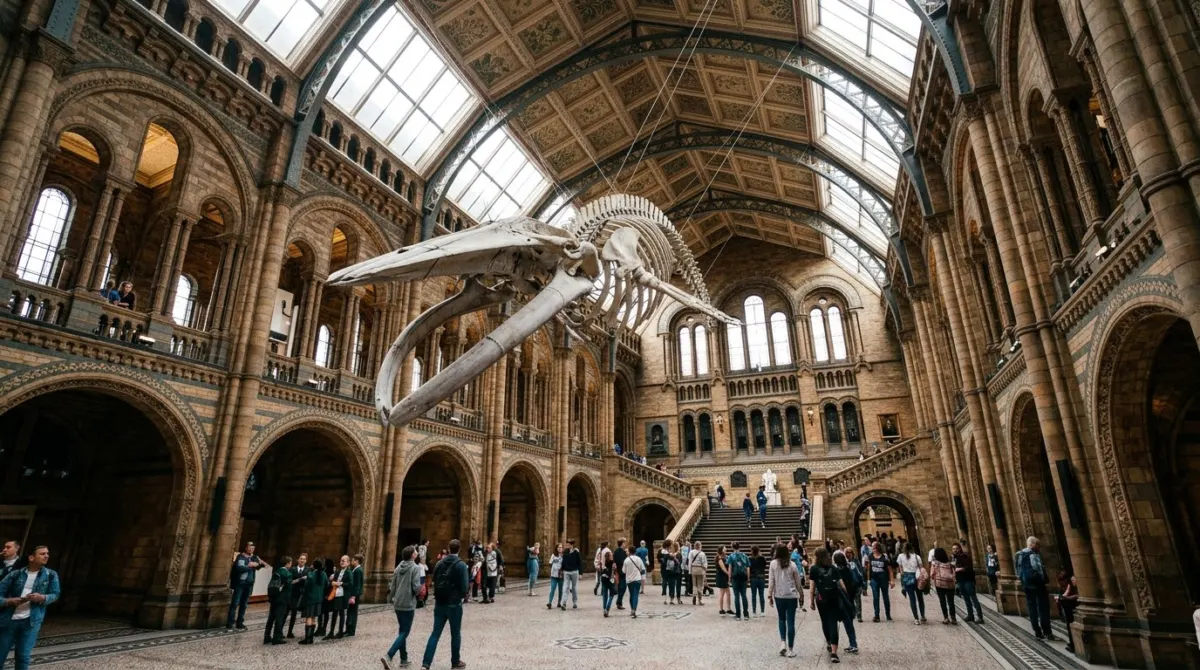
What works: the Tower of London, which is a castle with armour and jewels; the Natural History Museum, with the blue whale and the dinosaurs; the Science Museum’s hands-on galleries; a Thames Clipper river bus; the London Transport Museum; and the royal parks.
What to shorten: the British Museum to ninety minutes with a route chosen in advance, Westminster Abbey, and any second gallery in a day.
Plan one sight per half day rather than two, and put a park in every day.
Book the free timed slots for the Natural History and Science Museums in school holidays, when the walk-up queue is long.
Where to stay in London, and how central London changes the arithmetic
Where you stay is worth more days than it looks, because London is large and the tube is not fast.
Staying in central London — roughly Zone 1, between Paddington, King’s Cross, the City and the river — puts most of this list within walking distance or two stops, and saves an hour a day of transit.
South Bank, Bloomsbury, Covent Garden and Southwark are the best compromises between price and position.
Staying in Zone 3 or beyond to save money typically costs forty minutes each way, which on a three-day trip is most of a day. The saving is real and so is the cost.
What matters more than the neighbourhood is the walk to the nearest tube and whether it is on a line you need. A cheaper room ten minutes from a station on the wrong line is a false economy.
Our guide to where to stay in London compares the areas.
Best month to visit London
May, June and September are the best months: long days, the parks at their best, and the weather as good as it gets.
July and August are the busiest and the most expensive, with school holidays filling the family attractions and the tube uncomfortable in a heatwave.
October and November are mild, grey and much cheaper, and the museums are indoor by nature.
December has the Christmas lights on Regent Street, the markets and the pantomimes, and it is dark by four.
January and February are the cheapest and the quietest, and the theatre is at its most affordable.
Daylight changes how many days you need: in June it is light until nearly ten, which adds three usable hours to each day; in December it is dark by four, which effectively removes one.
Map shows live availability and prices. We may earn a commission on bookings made through it, at no extra cost to you.
The short version
Four days is the answer for a first visit and five is better. Count nights and subtract one, because arrival and departure each take half a day. Book the Tower of London for the first slot and the Sky Garden three weeks out, and use the free national museums for everything else. Keep the south bank walk and one park in every version, however short. Skip the day trip unless you have five days, and stay in Zone 1 if the budget allows, because transit time is the thing that quietly eats a short trip.
Frequently asked questions
Is 3 days in London enough time?
Yes as a first visit, and it is the realistic minimum. Three days covers Westminster, the Tower and the City, the British Museum, one market and one district. It leaves no room for Greenwich, a day trip or a second market. Note that three nights is two and a half usable days.
Is 5 days too much for London?
No – five days is the length people most often say they wish they had taken. The fifth day is the first with no monument in it, which is when you add a day trip, Greenwich and Hampstead Heath, east London’s Sunday markets, or the V&A.
How many days do you need in London?
Four, and five is better. Four days fits Westminster, the Tower of London, the British Museum, the south bank walk, a market, two districts and a theatre night, with slack for a wet morning. Two days covers the postcard version and three is the realistic minimum.
Where to avoid staying in London?
Rather than a district to avoid, the thing to avoid is a cheap room in Zone 3 or beyond, which typically costs forty minutes each way. What matters more than the postcode is the walk to the nearest tube and whether it is on a line you actually need.
What is the best month to visit London?
May, June or September – long days, the parks at their best and the most reliable weather. July and August are busiest and dearest. October to February are much cheaper, and December has the lights and the markets but is dark by four, which effectively removes a few hours from each day.
Does a day trip fit into a London trip?
Not on three days, and comfortably on five. Windsor is forty minutes, Oxford and Cambridge an hour, Bath ninety minutes. Greenwich is not a day trip – it is part of London, twenty minutes by river boat. With only four days, spend the fourth in the city rather than out of it.
Keep planning England
Written and checked by
Triplarks Editorial
An editorial desk, not an invented persona: research, drafting and fact-checking are done by the same small team. Every number here carries the date it was read.