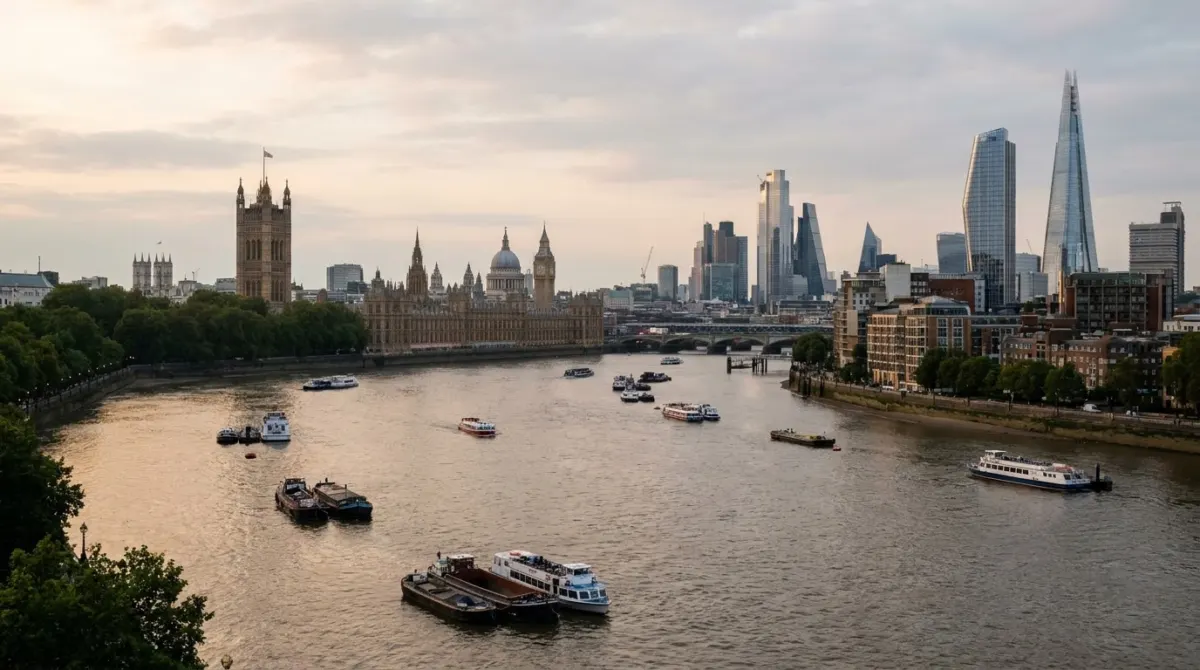
Quick answer
Three days by area: Westminster and the South Bank, then Bloomsbury and the West End, then the Tower, Borough and Tate Modern. Base yourself in Bloomsbury, Southwark or Covent Garden and most of it is walkable.
On this page
- The three days
- Day 1 — Westminster and the river
- Day 2 — museums and the West End
- Day 3 — the City and Southwark
- Day 4 — Kensington, or Greenwich
- Day 5 — the villages
- What to book in advance
- Which day of the week goes where
- Getting around
- Where this fits
- What each thing actually takes
- Eating on this itinerary
- London with children
- Five days, and the day trips worth taking
- Getting the most from a short visit
- Rain, and how to rearrange the days
- The landmarks this itinerary passes, and which are worth the ticket
- Eating on a short London trip
- Where to stay for this itinerary
- Two days, if that is all you have
- When to come
- What this itinerary leaves out
- The short version
- Frequently asked questions
London does not have a centre so much as half a dozen of them, and the distances between them are larger than the map suggests. A good London itinerary is therefore organised by area rather than by sight, so that each day is walked rather than commuted.
Some links below are affiliate links. We may earn a commission if you book through them, at no extra cost to you. We do not rank hotels, and any prices on the map come live from the booking sites.
This is three days laid out that way, with a fourth and fifth day underneath. For where to sleep, see where to stay in London. If you are continuing north, see our Scotland itinerary and where to stay in Edinburgh.
The three days
| Day | Area | Doing |
|---|---|---|
| 1 | Westminster and the South Bank | Parliament, the Abbey, the river |
| 2 | Bloomsbury, Covent Garden, Soho | British Museum, the West End |
| 3 | The City and Southwark | Tower of London, Borough Market, Tate Modern |
Day 1 — Westminster and the river
Morning. Start at Westminster Abbey, where English monarchs have been crowned since 1066 and a great many of them are buried. An hour and a half with the audio guide.
Outside it, the Houses of Parliament and the clock tower, and across the road the entrance to Churchill War Rooms, the underground bunker left as it was in 1945.
Afternoon. Cross Westminster Bridge and walk east along the South Bank past the National Theatre and the Southbank Centre to Waterloo Bridge, which has the best free view in London.
Evening. A play or a concert on the South Bank, or back across the river to eat.
Day 2 — museums and the West End
Morning. The British Museum in Bloomsbury, which is free and enormous. Two or three hours is a selection rather than a visit; the Egyptian, Assyrian and Greek galleries are the usual priority.
Afternoon. Walk south into Covent Garden for the market and the street performers, then into Soho and across to Trafalgar Square, where the National Gallery is also free and holds one of the great European collections.
Evening. The West End, which is what it is for. Book a show in advance or try the day-seat queues.
Day 3 — the City and Southwark
Morning. The Tower of London, which is a castle, a prison, a treasury and a barracks, and which needs a booked ticket and at least two hours. The Yeoman Warder tours are included and are the best way to see it.
Midday. Walk across Tower Bridge — the one everyone photographs and thinks is London Bridge — and west along the south bank.
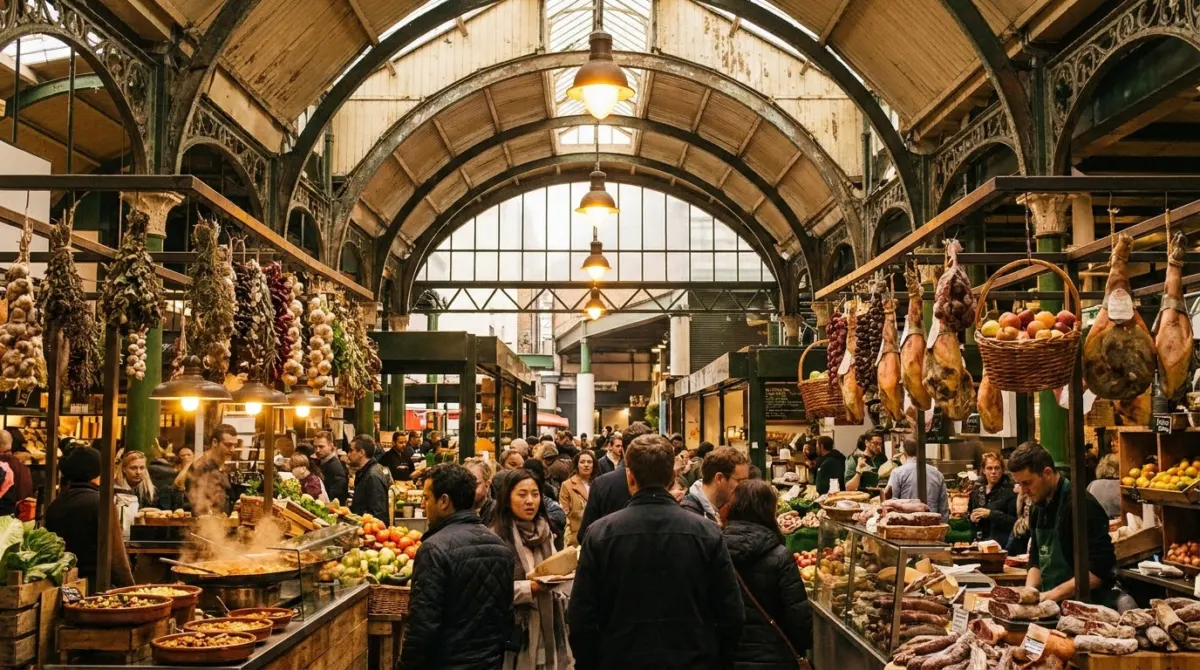
Before crossing, half an hour’s detour west into the City is worth it. St Dunstan-in-the-East, ten minutes from the Tower, is a Wren church wrecked in the Blitz in 1941; it was never rebuilt, and its walls and surviving tower now enclose a public garden of climbing plants and benches. A little further on, Leadenhall Market is the City’s Victorian market hall, an iron-and-glass arcade of 1881 on a site that has held a market since the fourteenth century.
Afternoon. Borough Market for lunch, Shakespeare’s Globe, and the Tate Modern in the old power station, which is free.
Evening. Cross the Millennium Bridge to St Paul’s for the view back, and eat in the City or Southwark.
Day 4 — Kensington, or Greenwich
Two very different fourth days.
South Kensington has three major free museums on one street: the Natural History Museum, the Science Museum and the V&A. Pick one, add Hyde Park and Kensington Gardens.
Greenwich, twenty minutes east on the DLR or by river boat, has the Cutty Sark, the Royal Observatory on the hill, the meridian line and the best view back at the city. The boat is the better way to arrive.
Day 5 — the villages
London is a collection of villages that grew together, and the fifth day is for one of them.
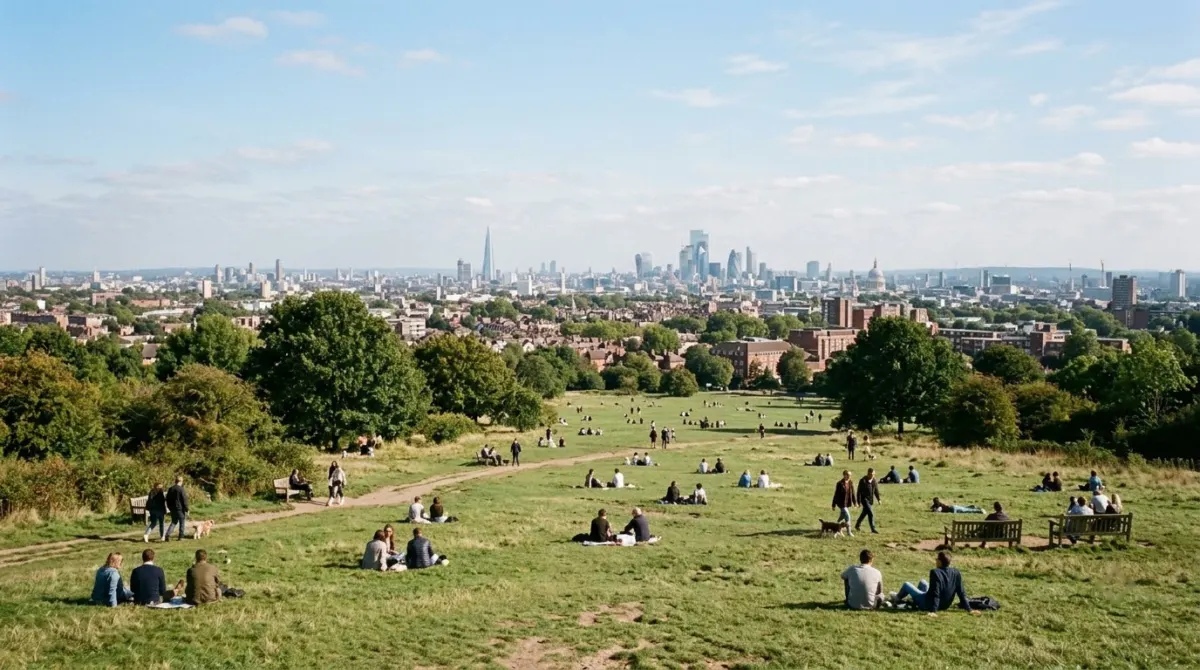
Hampstead and the Heath, for a genuine hill, bathing ponds and a view across the whole city.
Notting Hill and Portobello Road, best on a Saturday for the market.
Shoreditch and Spitalfields, for street art, markets and the best eating in London.
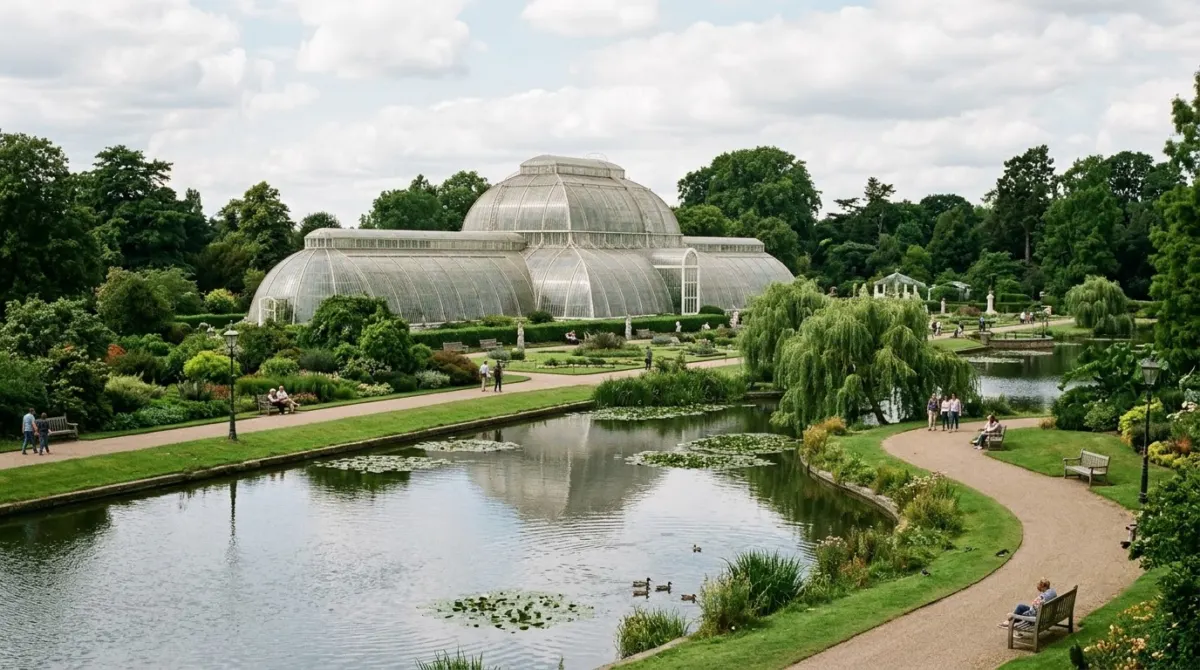
Richmond and Kew, for the park with its deer and the botanic gardens.
What to book in advance
- The Tower of London, which has timed entry and long queues without it.
- Westminster Abbey, same.
- Theatre tickets, if a particular show matters.
- Churchill War Rooms, which is small and sells out.
The British Museum, the National Gallery, the Tate Modern and the Kensington museums are free and need nothing booked, which is the single best thing about visiting London.
Which day of the week goes where
London is open seven days a week, but a few things on this itinerary are not, and they decide the order of the days.
- Westminster Abbey does not admit sightseers on Sundays. It is open for worship only, and the services are free and open to anyone, but you will not tour the building. Put day one on any day from Monday to Saturday.
- Borough Market is closed on Mondays, and not every trader is there every day, so day three works best from Tuesday to Sunday.
- The Changing of the Guard at Buckingham Palace happens only on certain mornings, at 11.00; in autumn 2026 that is Monday, Wednesday and Friday. The schedule changes through the year, so check the Household Division’s calendar the week you travel.
- Portobello Road is at its best on a Saturday and Columbia Road flower market is a Sunday-morning affair, which is why the villages belong on a weekend.
- The City empties at weekends. The streets around St Paul’s and the Tower are at their quietest on Saturday and Sunday, although many of the cafés and pubs that serve office workers close.
For a Friday-to-Sunday trip, that means Westminster on Friday, the museums and the West End on Saturday, and the Tower and Borough Market on Sunday, when the City around them is calmest. For a Sunday-to-Tuesday trip, start with day two and keep the Abbey for Monday.
Getting around
The Underground is the fastest way across the city, and contactless payment caps your spending daily and weekly without a travelcard.
Buses are slower, cheaper and better for seeing things — the 11, 15 and 24 pass most of the sights.
Walking is underrated here: Westminster to St Paul’s along the river takes about fifty minutes and is the best hour in London.
Where this fits
Three days is the sensible minimum for a first visit, four is comfortable, and five lets you see a village and a day trip.
For the districts and what the rooms are like, see where to stay in London.
What each thing actually takes
Durations matter in London because the distances between sights are real.
Westminster Abbey: an hour and a half.
The Tower of London: two to three hours including a Warder tour.
The British Museum: two to three hours for a selection; a full day if you are thorough.
The National Gallery: an hour and a half.
Tate Modern: two hours.
Churchill War Rooms: an hour and a half.
Two large items plus walking is a London day. Three is a march, and the tube journeys between them add up.
Eating on this itinerary
Three patterns that work.

Markets for lunch. Borough on day three, and Seven Dials or Soho’s street food on day two.
Pubs for an early dinner, which in London is genuinely good value and the only way to eat before a seven-thirty theatre curtain.
One street back from the sights. The restaurants immediately around Westminster, the Tower and Leicester Square are the worst value in the city.
London with children
The free museums do most of the work: the Natural History Museum and the Science Museum are both full days with children, and both cost nothing.
Add the Tower of London, which is a castle with armour and ravens, and a river boat, which turns transport into an outing.
What to skip with young children: long gallery days at the National Gallery, and the West End unless the show is aimed at them.
Five days, and the day trips worth taking
If London stretches to five days, two of them are better spent outside it.
Windsor is about forty minutes by train, with the castle and the Thames, and it combines with Eton across the bridge.
Oxford and Cambridge are both about an hour, and both are a college town, a river and a museum — take one, not both.
Bath is an hour and a half, with the Roman baths and a Georgian city built in one material.
Canterbury and Brighton are each about an hour, for a cathedral and a seafront respectively.
All run from central London termini and none needs a car.
Getting the most from a short visit
Three habits that save real time here.
Walk the river. Westminster to Tower Bridge along the south bank takes about an hour and passes most of day one and day three.
Use the buses for short hops. They are slower than the tube and you see the city, and the 11, 15 and 24 pass most of the sights.
Book nothing you do not have to. London’s best museums are free and uncrowded on weekday mornings, which is the opposite of most European capitals.
Rain, and how to rearrange the days
It will rain at some point, in any season, and the itinerary bends rather than breaks.
Day one moves indoors easily. The Abbey and the Churchill War Rooms are both under cover, so do them back to back and leave the South Bank walk for a dry hour later in the trip.
Day two is already a museum day. The British Museum’s Great Court, roofed in glass, is the best place in London to sit out a downpour, and the National Gallery is a short bus ride away.
Day three is the exposed one: the Tower’s walls, the bridge and the riverside walk. See the Crown Jewels and the White Tower first, then take the Jubilee line or a river boat to Borough rather than walking, and use Leadenhall Market’s glass roof for the City stretch.
Pull a fourth day forward. The South Kensington museums are the obvious rainy-day reserve: three of them on one street, all free and all large enough to fill a wet afternoon.
Map shows live availability and prices. We may earn a commission on bookings made through it, at no extra cost to you.
The landmarks this itinerary passes, and which are worth the ticket
Day 1 walks past most of the famous ones, so it is worth knowing in advance which earn a stop.
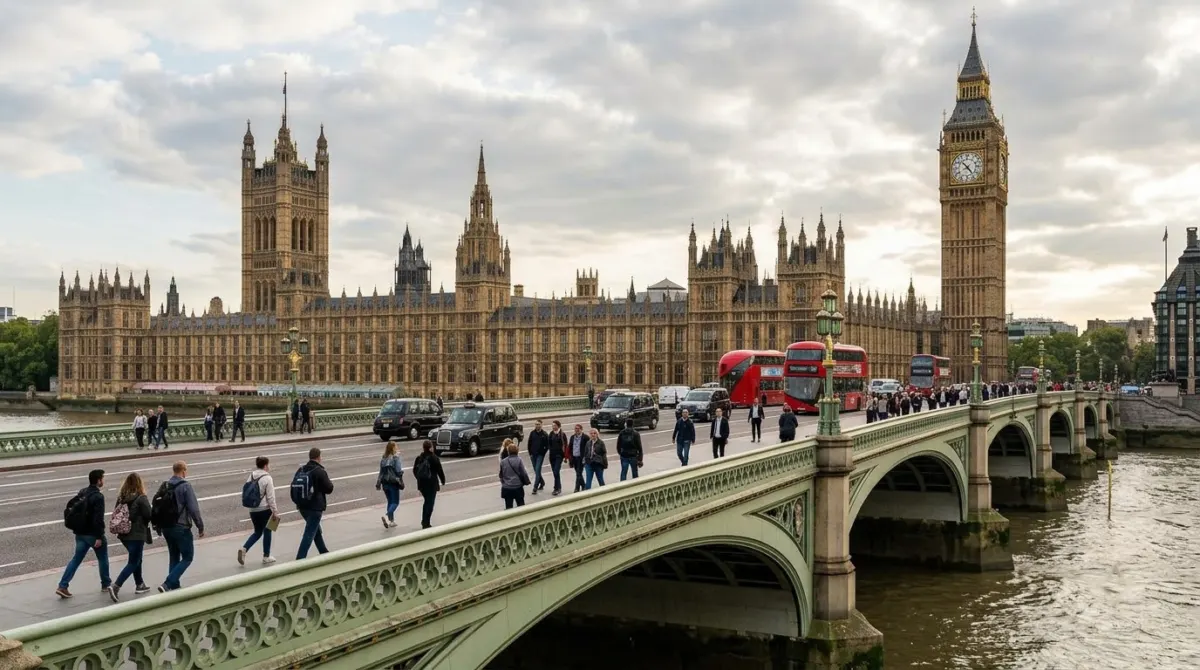
Big Ben and the Houses of Parliament are free to look at and the tower tour is for UK residents only. Five minutes, from the far end of Westminster Bridge.
Buckingham Palace is twenty minutes’ walk through St James’s Park. The State Rooms open only in late summer; the rest of the year it is a facade and a gate. The Changing of the Guard happens on alternate mornings and draws a deep crowd — stand at the Victoria Memorial rather than the railings, or watch the same guards march up the Mall with nobody around them.
The London Eye is the obvious view and the slowest-moving queue in the city. The Shard is higher and quieter, and the Sky Garden above Fenchurch Street is free with a booked slot, which is the best of the three.
The Victoria and Albert Museum sits beside the Natural History Museum in South Kensington and is the one to add on a fourth day, not squeeze into three.
Eating on a short London trip
Two British institutions come up constantly and both are easy to get wrong.
Afternoon tea is a sit-down event of two hours, booked ahead, and sits awkwardly in a three-day plan. If it matters, put it on day 2 between the British Museum and the theatre, and book a hotel or a department store rather than a tourist-facing tea room.
Fish and chips is a chip shop dish, not a restaurant one. The good ones are in residential streets rather than on the tourist routes, and a pub near the Thames is the easier version.
A guided tour is worth it in exactly two places on this itinerary: the Tower of London, where the Yeoman Warder tour is included and genuinely good, and the Roman and medieval City, which is unreadable without one.
Where to stay for this itinerary
All three days work from a central address on a useful tube line.
Bloomsbury puts day two outside the door and is twenty minutes’ walk from day one. South Bank and Southwark put days one and three on the doorstep and have the newest rooms. Covent Garden is the most convenient for theatre and the loudest.
Our guide to where to stay in London compares them, and explains why zone 2 is often the better value.
Two days, if that is all you have
Compress by cutting the third day rather than thinning the first two.
Day 1: Westminster, the Abbey and the South Bank walk.
Day 2: the British Museum in the morning, Covent Garden and the National Gallery in the afternoon, a show in the evening.
That leaves out the Tower, which is the single biggest omission, and all of Southwark. If the Tower matters more than the museums, swap it into day two and lose the British Museum.
When to come
May, June and September are the best months: long days, parks at their best and manageable crowds.
July and August are busiest, and the deep tube lines are genuinely hot.
December has the Christmas lights and the theatre season, with short daylight.
January and February are cheap, quiet and cold, and the free museums are at their most civilised.
What this itinerary leaves out
Windsor, Oxford and Bath, each of which is a day trip of its own.
The Harry Potter studio tour, which is a full day and needs booking months ahead.
Kew Gardens and Hampton Court, both on the river to the west.
All of them belong to a five-day trip rather than a three-day one.
The short version
Three days by area: Westminster and the South Bank, Bloomsbury and the West End, then the Tower, Borough and Tate Modern. Book the Tower, the Abbey and any theatre in advance; everything else worth seeing is free. Use contactless on the tube, walk the river, and add Kensington or Greenwich on a fourth day.
Still deciding on trip length? See how many days you need in London.
Frequently asked questions
What is the best 3 day London itinerary?
Organise it by area rather than by sight: Westminster and the South Bank on day one, the British Museum and the West End on day two, the Tower, Borough Market and Tate Modern on day three.
Is 3 days enough for London?
It is the sensible minimum and it covers the famous core. Four days adds the Kensington museums or Greenwich, and five adds a London village such as Hampstead or Notting Hill.
What should I book in advance in London?
The Tower of London, Westminster Abbey, the Churchill War Rooms and any theatre show you particularly want. The British Museum, the National Gallery, Tate Modern and the Kensington museums are all free and need nothing.
Is the London Pass worth it?
It depends entirely on how many paid attractions you visit, and London's best museums are free. If your plan is the Tower, the Abbey and a couple of paid sights, do the arithmetic before buying rather than assuming.
How do you pay for the Underground?
Contactless card or phone at the gates, which caps what you spend daily and weekly automatically. There is no need for a paper travelcard or an Oyster card for a short visit.
Is Greenwich worth a day?
Yes, and the river boat is the better way to get there. The Cutty Sark, the Royal Observatory on the hill and the meridian line, with the best view back at the city skyline.
Keep planning England
Written and checked by
Triplarks Editorial
An editorial desk, not an invented persona: research, drafting and fact-checking are done by the same small team. Every number here carries the date it was read.