Quick answer where to stay
Split the week between Tokyo and Kyoto: three nights in Shinjuku or near Tokyo Station, then three nights near Kyoto Station or downtown Kyoto. Add a final night in Namba, Osaka, if your flight leaves the next morning.
On this page
- Your 7-day Japan itinerary at a glance
- Day 1: Arrive in Tokyo and start in Shinjuku
- Day 2: Asakusa, Ueno, Akihabara and Shibuya at night
- Day 3: Meiji Jingu, Harajuku, or a Mount Fuji day trip from Tokyo
- Day 4: Shinkansen from Tokyo to Kyoto, then Higashiyama and Gion
- Day 5: Kyoto itinerary for Arashiyama, Kinkaku-ji and Nishiki Market
- Day 6: Nara day trip and Fushimi Inari at dusk
- Day 7: Osaka for a day, then fly home from Kansai Airport
- Where to stay in Tokyo, Kyoto and Osaka
- Getting around Japan in one week: trains, passes and IC cards
- Best time to visit Japan and the weather to expect
- Japan itinerary 5 days: the shorter version
- If you have more than one week in Japan
- The short version
- Frequently asked questions
This Japan itinerary for 7 days is built for a first trip: three nights in Tokyo, three nights in Kyoto with a day trip to Nara, and a final day in Osaka before you fly home from Kansai Airport. It suits travelers who want the classic mix of neon city, temples and food without packing and unpacking every night, and it works in any season, with spring and fall being the most rewarding.
Some links below are affiliate links. We may earn a commission if you book through them, at no extra cost to you. We do not rank hotels, and any prices on the map come live from the booking sites.
The route is simple on purpose. Japan’s trains are fast, but a one-week Japan travel itinerary that tries to add Hiroshima, Mount Fuji and the Alps ends up spent on platforms. Two bases, one Shinkansen ride between them, and day trips by local train give you more time actually looking around. If you can, book an open-jaw flight into Tokyo and out of Osaka; it saves you the return trip and most of a day.
Your 7-day Japan itinerary at a glance
| Day | Base | Main stops | Getting there |
|---|---|---|---|
| Day 1 | Tokyo | Arrive, Shinjuku, free city views, Omoide Yokocho | Airport train, about 30 to 60 minutes |
| Day 2 | Tokyo | Asakusa, Ueno, Akihabara, Shibuya at night | Subway and JR lines |
| Day 3 | Tokyo | Meiji Jingu, Harajuku, Omotesando, or a Mount Fuji day trip | Subway, or bus to Lake Kawaguchiko |
| Day 4 | Kyoto | Shinkansen to Kyoto, Kiyomizu-dera, Higashiyama, Gion | Shinkansen, about 2 hours 15 minutes |
| Day 5 | Kyoto | Arashiyama, Kinkaku-ji, Nishiki Market, Pontocho | JR train, bus or taxi |
| Day 6 | Kyoto | Nara day trip, Fushimi Inari on the way back | JR or Kintetsu train, about 45 minutes |
| Day 7 | Osaka | Osaka Castle, Kuromon Market, Dotonbori, fly out | Train, about 30 minutes, then to Kansai Airport |
That is one week, six nights: three in Tokyo and three in Kyoto. If your flight leaves Osaka the next morning rather than on day seven, move the last night to Osaka instead.
Where to sleep on this route
Day 1: Arrive in Tokyo and start in Shinjuku
Most flights from the US land at Narita or Haneda. Haneda is the closer of the two, with trains and the monorail reaching central Tokyo in well under an hour. From Narita, the Narita Express runs to Tokyo Station and Shinjuku in roughly an hour or a little more, and the Keisei Skyliner reaches Ueno in about 40 minutes. Buy or load an IC card such as Suica or PASMO at the airport; you will use it for nearly every ride this week.
After checking in, keep the first afternoon light. Jet lag from the US is real, and a gentle evening sets you up better than a packed one. Head to Shinjuku, the city’s busiest hub. The observation floors of the Tokyo Metropolitan Government Building are free and give a wide view over the city, and on clear days, especially in winter, Mount Fuji can appear on the horizon.
For dinner, walk to Omoide Yokocho, a tight lane of tiny grill counters near the station, or to the larger Golden Gai area, where many bars seat fewer than ten people. Some places add a cover charge or prefer regulars, so look for menus posted outside. Then get an early night; tomorrow starts early.
Day 2: Asakusa, Ueno, Akihabara and Shibuya at night
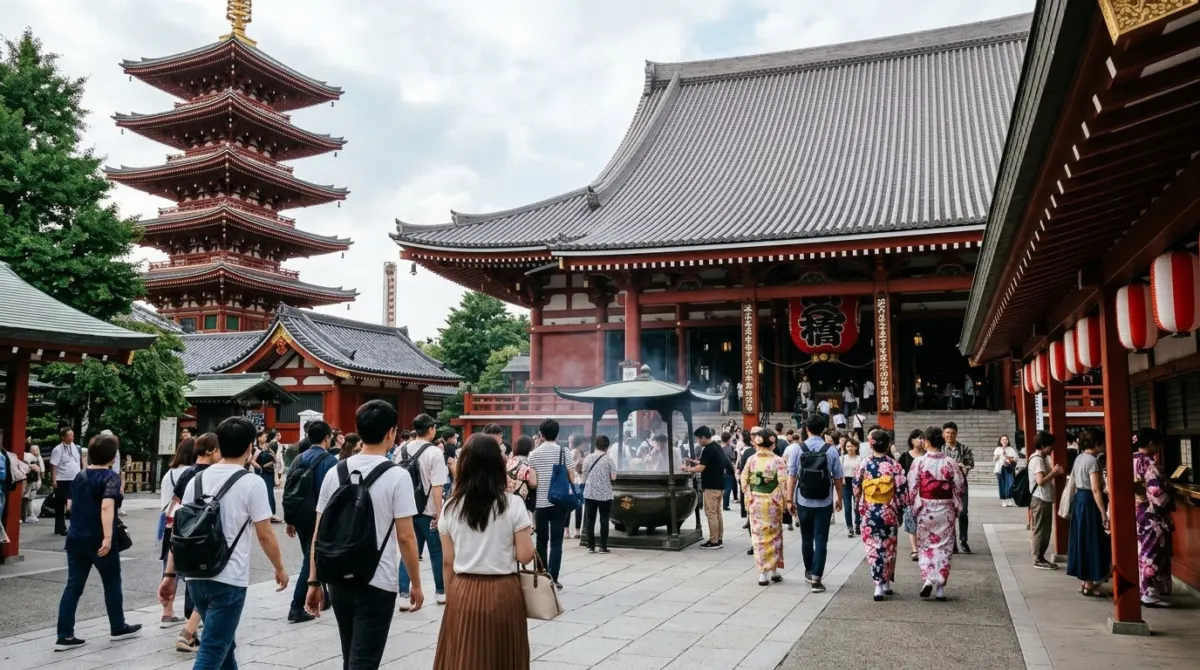
Today covers the east side of Tokyo, then swings west for the evening. Start early at Senso-ji in Asakusa, Tokyo’s oldest temple. The grounds are open around the clock, and before about 8 a.m. you can walk through the Kaminarimon gate and down Nakamise shopping street before the crowds and the shops arrive. Walk a few minutes to the Sumida River for a view of the Tokyo Skytree.
Mid-morning, take the subway to Ueno. Ueno Park holds several of the city’s big museums, including the Tokyo National Museum, which is the best single place in the country for an overview of Japanese art and history. Nearby Ameyoko market, under the train tracks, is good for a quick street-food lunch.
In the afternoon, ride the JR Yamanote Line two stops to Akihabara for electronics, anime shops and multi-floor arcades. As it gets dark, head to Shibuya. Watch the famous scramble crossing from street level and from above, then pick one of the rooftop viewpoints in the area if you want the full night skyline; the most popular ones sell timed tickets online, so book ahead for sunset slots.
Day 3: Meiji Jingu, Harajuku, or a Mount Fuji day trip from Tokyo
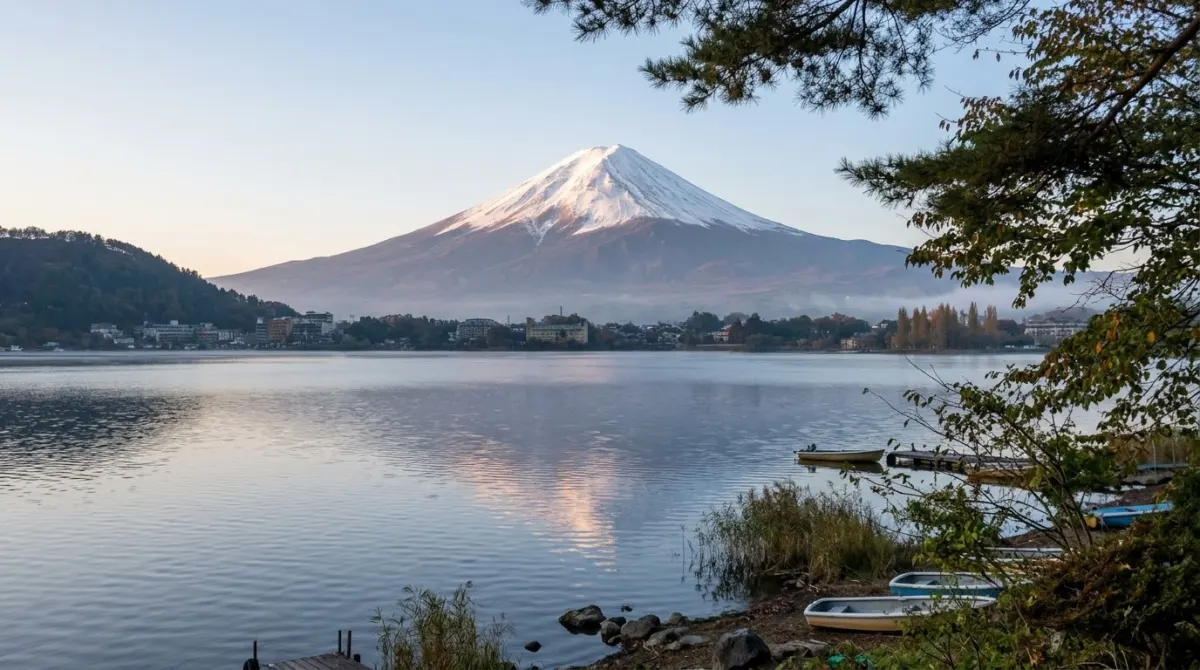
Day three is flexible, and the weather should decide it. If the forecast is clear, this is your chance for Mount Fuji. Highway buses run from Shinjuku to the Lake Kawaguchiko area in around two hours, and organized day tours leave from central Tokyo. The mountain often hides in cloud, especially in summer, so check the forecast the night before and stay in the city if it looks gray.
The city version of the day starts at Meiji Jingu, a large Shinto shrine set in a forest right next to Harajuku Station. The walk under the tall trees and the giant wooden torii gate is one of the calmest experiences in Tokyo. From there, cross to Takeshita Street for Harajuku’s youth fashion and crepe stands, then walk down Omotesando, a tree-lined avenue of architect-designed flagship stores.
Spend the afternoon on whatever you missed: a digital art museum, the shopping streets of Ginza, or a slow wander around a neighborhood like Shimokitazawa or Nakameguro. In the evening, eat your way through a department store food hall, called a depachika, then pack for Kyoto.
Day 4: Shinkansen from Tokyo to Kyoto, then Higashiyama and Gion
Take a morning Nozomi Shinkansen from Tokyo or Shinagawa Station. The ride to Kyoto takes about 2 hours 15 minutes, and trains leave several times an hour. Book a reserved seat on the right-hand side of the train, seat E in standard cars, for the best chance of seeing Mount Fuji roughly 40 to 45 minutes after leaving Tokyo, between Shin-Fuji and Shizuoka. If you have large suitcases, check the oversized luggage rules when booking, since big bags need a reserved space.
Drop your bags and head straight for the Higashiyama district on Kyoto’s eastern edge. Climb to Kiyomizu-dera, the hillside temple with the famous wooden stage over the trees. Then walk down the old stone lanes of Sannenzaka and Ninenzaka, lined with tea shops and pottery stores, toward Yasaka Shrine.
As the light fades, cross into Gion, Kyoto’s best-known geisha district. Hanamikoji Street and the canal-side lanes of Shirakawa are beautiful in the evening. Since 2024 the local district council has asked visitors to stay out of the narrow private lanes off Hanamikoji, which are marked with signs, and photographing geiko and maiko without permission is not welcome, so follow the posted signs and keep a respectful distance. Have dinner along the Kamo River.
Day 5: Kyoto itinerary for Arashiyama, Kinkaku-ji and Nishiki Market
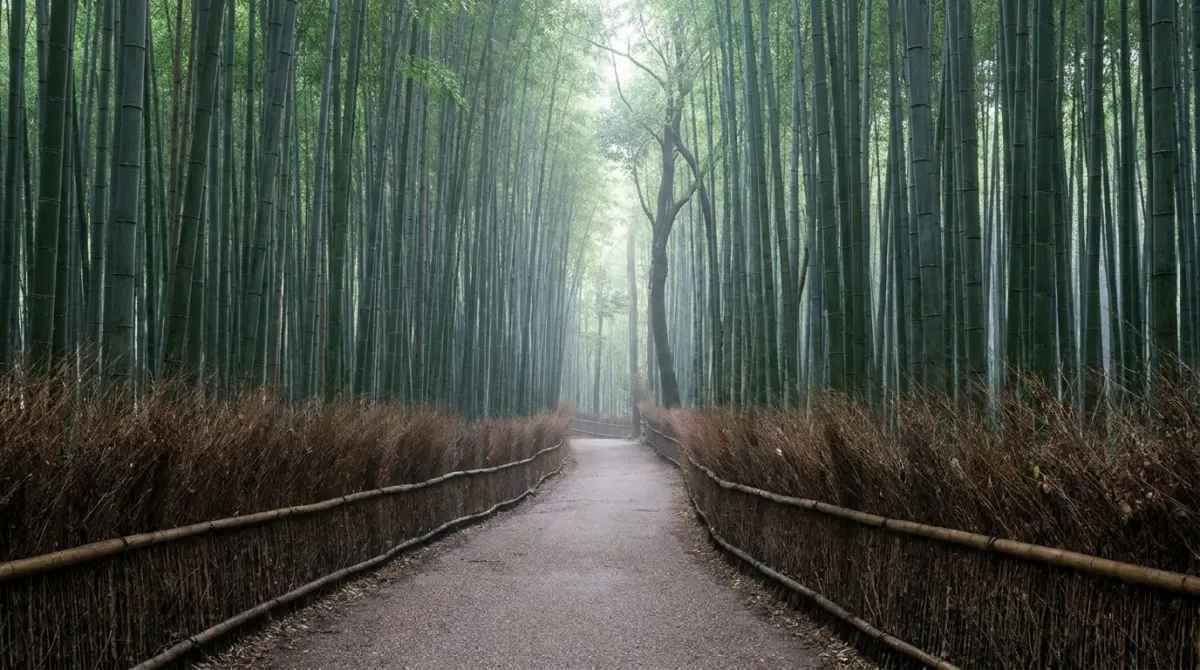
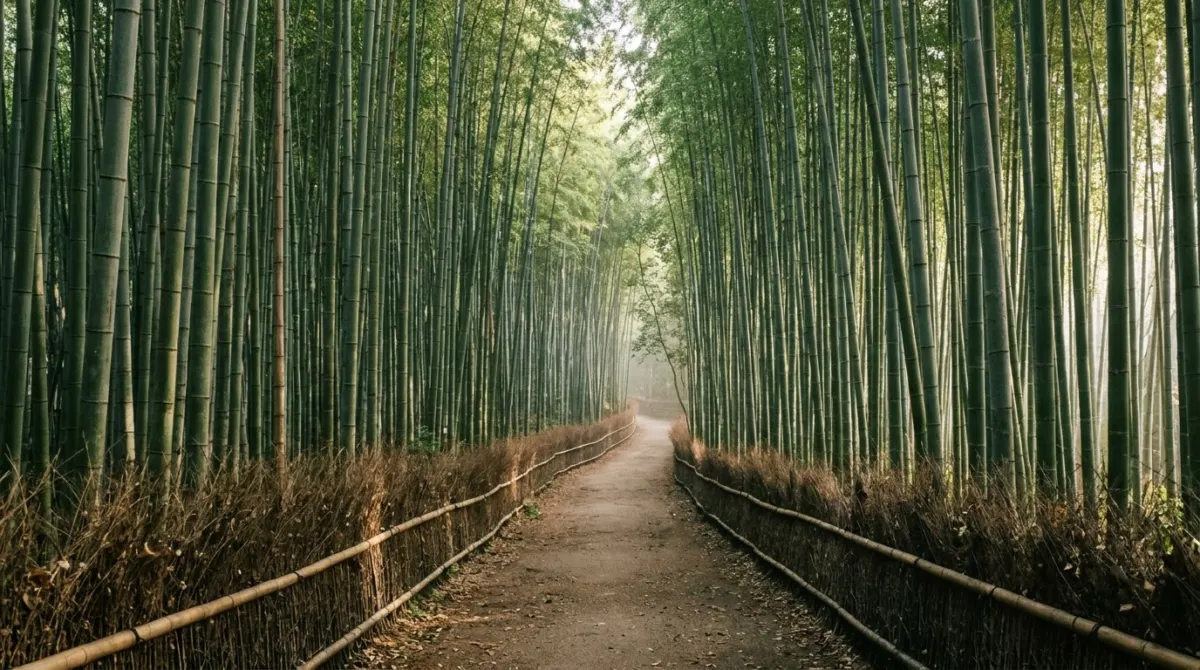
Get up early again. Take the JR Sagano Line from Kyoto Station to Saga-Arashiyama, around 15 minutes, and walk to the Arashiyama bamboo grove at first light. By mid-morning the path fills with tour groups, so early is the only way to see it as it looks in photos. Next door, the garden of Tenryu-ji is one of the finest in Kyoto, and the Togetsukyo Bridge over the river is a short walk away.
From Arashiyama, take a bus or a taxi to Kinkaku-ji, the Golden Pavilion, about 30 minutes away. It is small and busy, but seeing the gold-leaf pavilion reflected in its pond is worth the crowds. If you have time, nearby Ryoan-ji has the country’s most famous rock garden.
In the afternoon, head downtown to Nishiki Market, a covered street of food stalls known as “Kyoto’s kitchen.” Many stalls close in the late afternoon, so go before about 4 p.m. Eating while walking is discouraged here; most stalls have a spot to stand and finish your food. End the day in Pontocho, a narrow lantern-lit alley of restaurants beside the river.
Day 6: Nara day trip and Fushimi Inari at dusk
Nara was Japan’s capital in the eighth century, and it makes an easy day trip from Kyoto. JR trains and Kintetsu trains both get you there in about 45 minutes, depending on the service. Kintetsu Nara Station is closer to the park; JR Nara Station is a slightly longer walk.
Spend the morning in Nara Park, where hundreds of free-roaming deer wander between the temples. They bow for the crackers sold in the park, but they can nip, so hold the crackers loosely and do not tease them. The highlight is Todai-ji, whose huge wooden hall houses a giant bronze Buddha. Continue to Kasuga Taisha, a shrine known for its thousands of stone and bronze lanterns along a forest path.
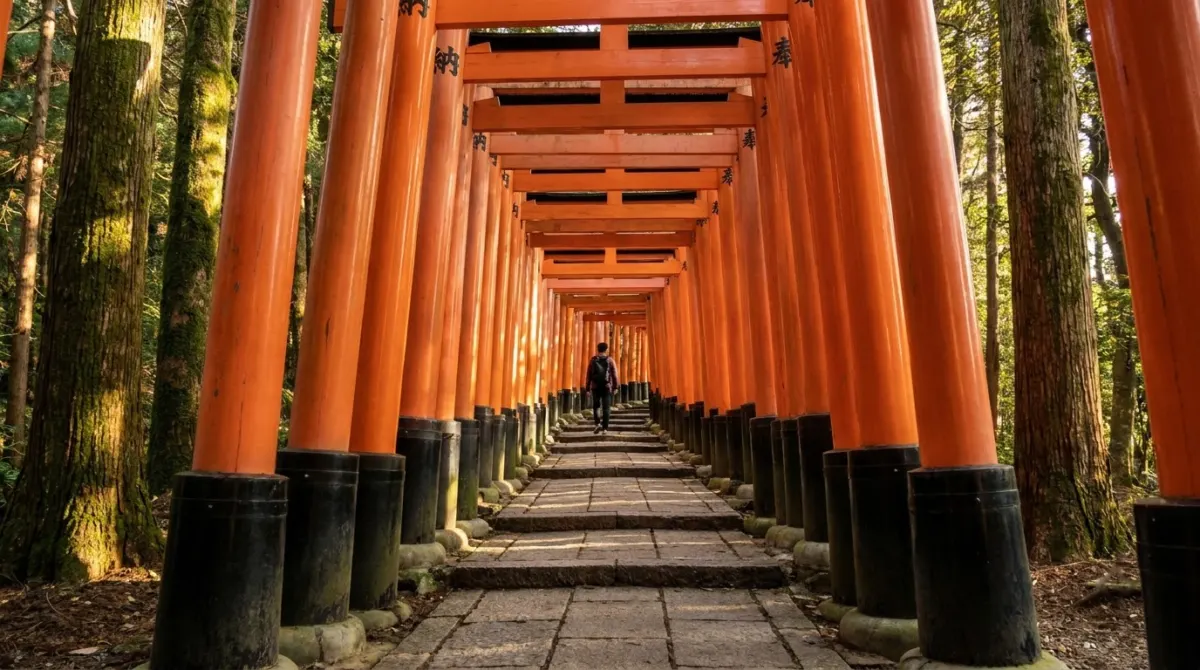
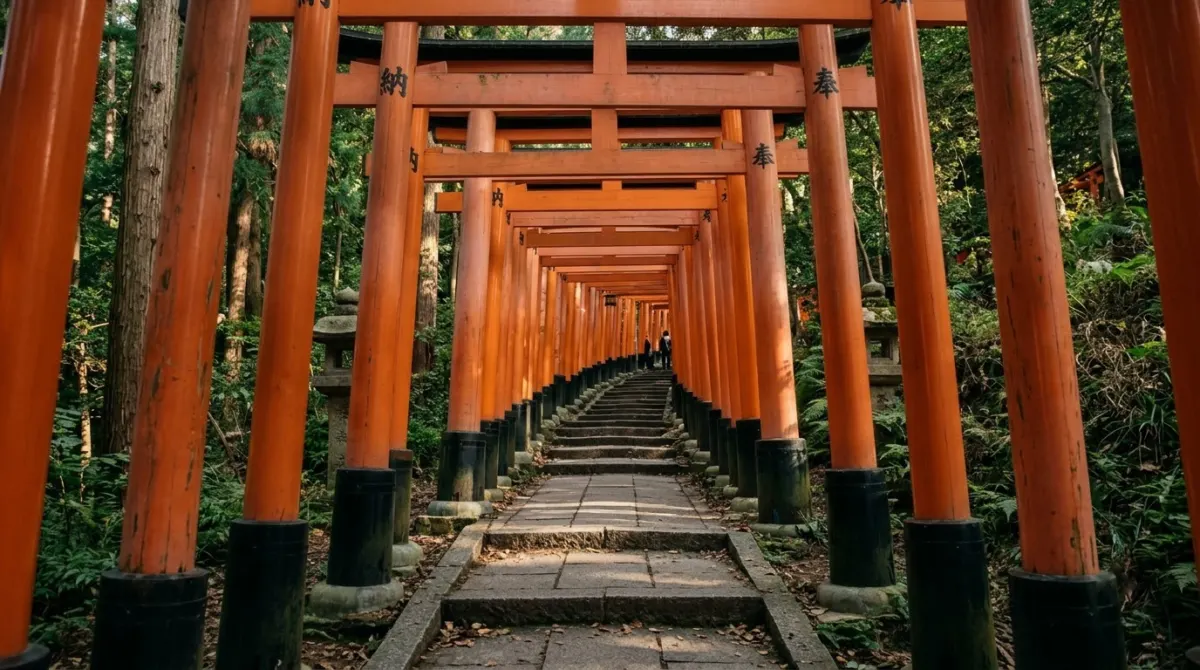
On the way back, take the JR Nara Line toward Kyoto and get off at Inari Station (rapid trains skip it, so ride or change to a local train), right at the gates of Fushimi Inari Taisha. The shrine is open around the clock, and the late afternoon is a good time to walk the tunnels of orange torii gates as the day-trippers thin out. The full hike to the summit takes two to three hours round trip, but the best gates are in the first 30 to 45 minutes. Turn back at the Yotsutsuji viewpoint if your legs are tired.
Day 7: Osaka for a day, then fly home from Kansai Airport
Check out of Kyoto and take a train to Osaka, around 30 minutes on a JR Special Rapid to Osaka Station or a little longer on the private lines. If your flight is in the evening, store your bags in coin lockers or a luggage service at the station, or arrange luggage forwarding from your Kyoto hotel the day before.
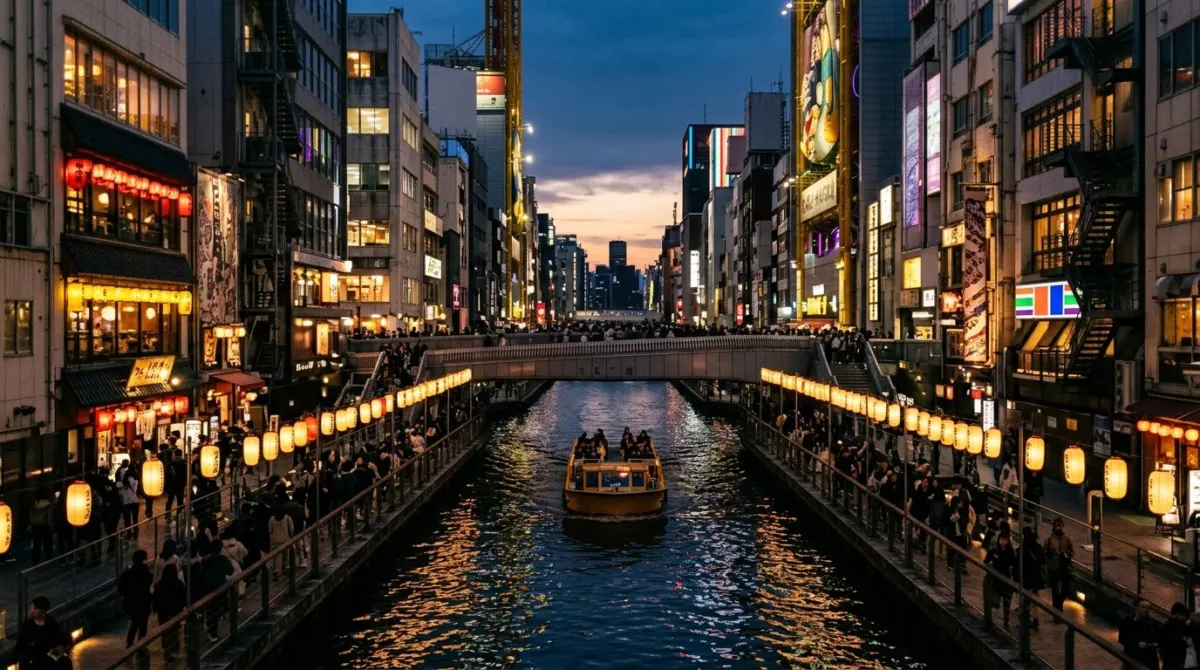
Start at Osaka Castle. The main keep is a modern reconstruction with a museum inside, but the stone walls, moats and park are the real draw. Then head to Kuromon Market for grilled seafood, wagyu skewers and fruit, and finish in Dotonbori, the canal-side food street famous for neon and giant signs. Try Osaka’s signature dishes here: takoyaki octopus balls and okonomiyaki savory pancakes.
Kansai International Airport is around 35 to 45 minutes from Namba on the Nankai Line, and a little longer from central Osaka by JR. Allow at least three hours before an international departure. If your flight leaves the next morning, spend the last night in Namba so you have a direct train to the airport.
Where to stay in Tokyo, Kyoto and Osaka
Tokyo (three nights): Shinjuku is the most practical base for a first visit, with direct trains to almost everything and plenty of restaurants late at night. Shibuya is similar but a little smaller. If you want quick access to the Shinkansen on day four, look around Tokyo Station or Ginza. Asakusa is quieter and often better value, but it is farther from the west side of the city.
Kyoto (three nights): stay near Kyoto Station if you want easy access to the Shinkansen, the JR Nara Line and the airport express. Choose the downtown Kawaramachi and Shijo area, or the edges of Gion, if you would rather walk to restaurants and the old districts in the evening. Kyoto rooms book up fast in cherry blossom season and in November, so reserve early.
Osaka (optional last night): Namba is the best choice before an early flight, because the Nankai Line runs from there straight to Kansai Airport. Umeda, around Osaka Station, is better for JR connections.
Rooms in Japan’s cities are small by US standards, so check the floor area and bed size in the listing, especially if you are traveling with large suitcases.
Getting around Japan in one week: trains, passes and IC cards
IC cards: a Suica or PASMO card, or the mobile version in your phone wallet, covers subways, JR local lines and buses in Tokyo, Kyoto and Osaka. Tap in and out and top up at machines or convenience stores.
Shinkansen: buy your Tokyo to Kyoto ticket at a station machine, a ticket office or online through the operator’s booking site. A reserved seat is worth it during busy periods such as Golden Week in late April and early May, the mid-August Obon holiday and the New Year.
The Japan Rail Pass: for this route it rarely pays off. After the 2023 price increase, a 7-day nationwide pass costs much more than a one-way Shinkansen ticket from Tokyo to Kyoto plus local fares. It only begins to make sense if you add a long round trip, such as Kyoto to Hiroshima and back. Use the fare calculator on the official pass site before deciding.
Kyoto buses: Kyoto’s city buses get crowded. Where you can, use trains and the subway, or a taxi for short hops between temples when you are in a group of three or four.
Luggage forwarding: most hotels can send a suitcase to your next hotel, usually arriving the next day, so you can ride the Shinkansen with just a day bag.
Best time to visit Japan and the weather to expect
Spring (March to May): cherry blossoms usually peak in Tokyo and Kyoto in late March or early April. It is the most popular time of year, with high room rates and big crowds. Golden Week, from late April to early May, is a national holiday period, so book trains early.
Summer (June to August): the rainy season usually runs from early or mid-June to mid or late July, followed by hot, humid weather. Plan indoor breaks in the middle of the day and carry water. Summer festivals and fireworks are a highlight.
Fall (September to November): September can still be hot and is the main typhoon month. October and November are dry and comfortable, and the fall leaves in Kyoto usually peak in mid to late November, which is almost as busy as cherry blossom season.
Winter (December to February): cold but often clear and dry in Tokyo and Kyoto, with the best Mount Fuji views. Crowds are lighter outside the New Year holidays, and some businesses close for a few days around January 1.
Whenever you go, check the entry requirements on official Japanese government sites before your trip, and consider registering on Visit Japan Web to save time at immigration and customs.
Japan itinerary 5 days: the shorter version
If you only have 5 days in Japan, keep both cities and cut the extras. This is the version to follow:
- Day 1: arrive in Tokyo, Shinjuku in the evening.
- Day 2: Asakusa, Ueno and Shibuya, plus Meiji Jingu and Harajuku if you have energy in the afternoon.
- Day 3: morning Shinkansen to Kyoto, then Kiyomizu-dera, Higashiyama and Gion.
- Day 4: Arashiyama early, Kinkaku-ji, then Fushimi Inari in the late afternoon.
- Day 5: Nara in the morning, then to Osaka and Kansai Airport.
This drops the flexible third day in Tokyo, Nishiki Market, and the full day in Osaka. It is a fast pace, so it works best for travelers who have been to big Asian cities before. If you would rather go slower, skip Nara and give Kyoto two unhurried days. For a 5-day trip, two nights in Tokyo and three in Kyoto is the split that works best.
If you have more than one week in Japan
An extra day or two opens up some easy additions to this Japan trip itinerary without changing its shape:
- Hakone or Mount Fuji (8 days): add a night in Hakone between Tokyo and Kyoto for hot springs, a lake cruise and views of Fuji on a clear day. It sits roughly between the two cities, so it does not add backtracking.
- Hiroshima and Miyajima (9 days): the Shinkansen from Kyoto or Osaka takes around an hour and a half to two hours. One night lets you see the Peace Memorial Park and museum and the floating torii gate on Miyajima island.
- Kanazawa (9 to 10 days): a compact city with a famous garden, a preserved geisha district and samurai houses, reached directly from Tokyo on the Hokuriku Shinkansen in roughly two and a half to three hours.
- Nikko or Kamakura: both are easy day trips from Tokyo, for ornate shrines in a mountain forest or a seaside town with a giant bronze Buddha.
With two weeks, you could combine Tokyo, Hakone, Kyoto, Hiroshima and Osaka at a comfortable pace, still using only four or five bases.
Map shows live availability and prices. We may earn a commission on bookings made through it, at no extra cost to you.
Adding another country? Seoul is a short flight from Tokyo or Osaka; see our South Korea itinerary for 7 days, or, for a bigger trip, our China itinerary.
The short version
For a 7-day Japan itinerary, fly into Tokyo and out of Osaka. Spend three nights in Tokyo for Shinjuku, Asakusa, Shibuya and Harajuku, or swap one day for Mount Fuji if the sky is clear. Take the Shinkansen to Kyoto, about 2 hours 15 minutes, and base yourself there for three nights: Higashiyama and Gion, Arashiyama and Kinkaku-ji, then Nara with Fushimi Inari on the way back. Use your last day for Osaka Castle and Dotonbori before flying home from Kansai Airport. Use an IC card for local trains, skip the rail pass for this route, and start every day early.
Frequently asked questions
Is 7 days enough for Japan?
Seven days is enough for a first look at Japan if you stick to Tokyo and Kyoto, with Nara and Osaka as easy add-ons. It is not enough to also cover Hiroshima, the Japanese Alps or Hokkaido without spending much of the week on trains.
Do US citizens need a visa for Japan?
US passport holders can visit Japan for short tourist stays without a visa. You can register your immigration and customs details in advance on Visit Japan Web to speed up arrival. Rules can change, so check the official Japanese government sites before you fly.
Is the Japan Rail Pass worth it for one week?
For a Tokyo to Kyoto and Osaka route, usually not. A single Shinkansen ticket to Kyoto plus local trains normally costs well below a 7-day nationwide pass. The pass starts to make sense if you add long trips such as Hiroshima or Kanazawa and back.
Should I fly into Tokyo or Osaka?
If you can, fly into Tokyo (Narita or Haneda) and out of Osaka’s Kansai Airport. This open-jaw route avoids a return trip on the Shinkansen and saves most of a day.
Do I need cash in Japan?
Less than before. Credit cards and mobile payments work in most hotels, chain restaurants and stores in the big cities. Small restaurants, temple stalls and markets may still be cash only, so keep some yen on hand. Convenience store ATMs generally accept foreign cards.
When is the rainy season in Japan?
In Tokyo and Kyoto, the rainy season usually runs from early or mid-June to mid or late July. It brings humid, gray days rather than all-day storms. Late summer and early fall can also bring typhoons, which may disrupt trains and flights for a day or two.
How do I pay for trains and subways in Tokyo?
Use a rechargeable IC card such as Suica or PASMO, either a physical card or a mobile version in your phone wallet. You tap in and out on subways, JR lines and buses, and the same card works in Kyoto and Osaka too.
Written and checked by
Triplarks Editorial
An editorial desk, not an invented persona: research, drafting and fact-checking are done by the same small team. Every number here carries the date it was read.