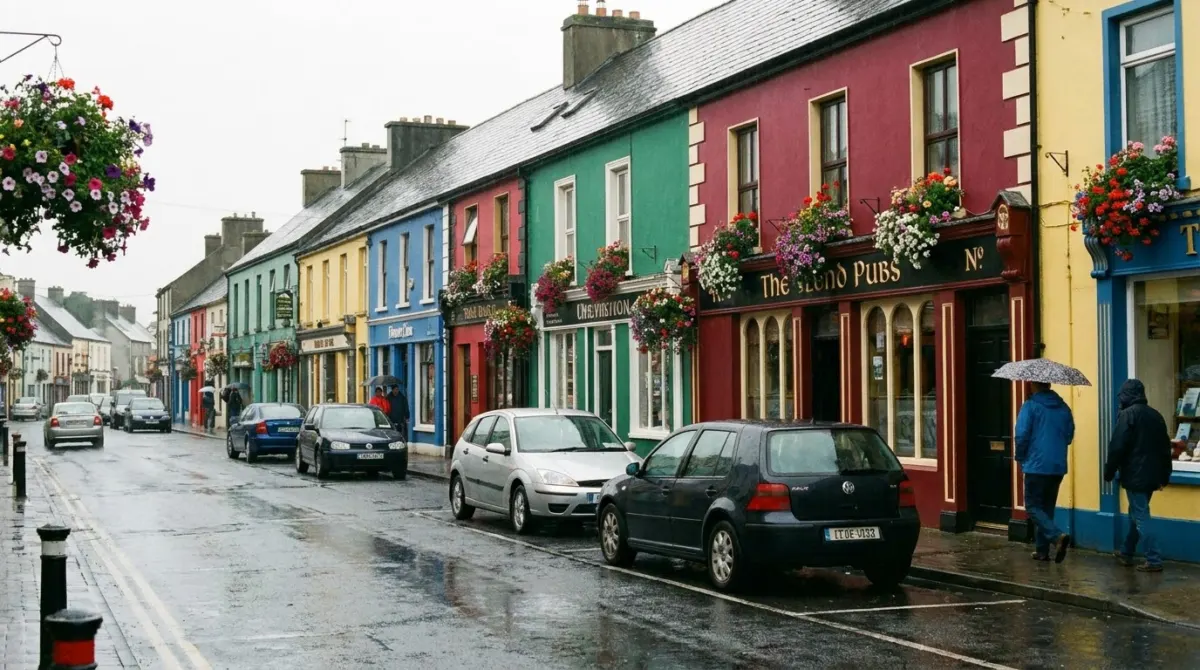
Quick answer
At country level this is a question about bases, not hotels. Three cover a first trip of ten days: Dublin for the capital and the east, Galway for Connemara and the Cliffs of Moher, and Killarney for Kerry. Add Cork or Belfast only if you have fourteen days.
On this page
- The bases that cover the country
- The five kinds of place to stay
- Dublin: where the trip starts
- Galway: the base for the west
- Killarney: the base for Kerry
- The south: Cork, Kinsale and the harbour
- Northern Ireland, and what changes at the border
- Where to stay by kind of trip
- Booking windows that matter
- Your arrival airport changes the order of the trip
- What it costs you to change base
- What you can reach without a car
- The towns worth basing in that most itineraries skip
- In the centre, or just outside it
- Castles, lighthouses and the unusual places to stay
- Frequently asked questions
Asked at country level, “where to stay in Ireland” is not a question about hotels. It is a question about how many places you stop in, and the answer that makes a trip work is: fewer than you think.
Some links below are affiliate links. We may earn a commission if you book through them, at no extra cost to you. We do not rank hotels, and any prices on the map come live from the booking sites.
Ireland is small enough that visitors plan six or seven bases, and slow enough to drive that six or seven bases turn into a week in the car. The motorways run out of Dublin like spokes on a wheel; the roads that join the places you actually came for are national and regional routes through towns. Three bases in ten days is not a compromise. It is the version where you unpack. If your trip is only a few days, see our 3-day Ireland itinerary.
The bases that cover the country
| Base | Reaches | Nights |
|---|---|---|
| Dublin | The capital, Wicklow, Newgrange, Kilkenny as a long day | 2–3 |
| Galway | Connemara, the Burren, the Cliffs of Moher, the Aran Islands | 2–3 |
| Killarney | The Ring of Kerry, the Dingle Peninsula, Killarney National Park | 2–3 |
| Cork or Kinsale | The south coast, Cobh, the harbour towns, west Cork | 1–2 |
| Belfast | The Causeway Coast, the Glens of Antrim, Derry | 2 |
| Westport or Sligo | Mayo, Achill, Donegal on a longer trip | 2 |
A first trip of ten days uses the first three. Fourteen days adds Belfast or Cork. Anything that uses five or more in ten days is a driving holiday with sightseeing attached.
The five kinds of place to stay
Ireland’s accommodation splits into categories that behave differently, and knowing them is more useful than comparing star ratings.
Town-centre hotels. In Galway, Killarney, Kilkenny and the like. Walkable to dinner and to tour pick-ups, usually conversions of older buildings, often with live music in the bar downstairs.
Bed and breakfasts. A family house with a handful of rooms and a cooked breakfast. Still the backbone of Irish tourism outside the cities, usually the best value on the road, and the one category where you get local knowledge with the room.
Country house hotels. Georgian or Victorian houses in grounds, often outside a town. Quiet, comfortable, and dependent on a car for everything including dinner.
Farm and cottage stays. Self-catering, by the week in the high season. Good with children, and the only way to stay somewhere genuinely rural without a long drive to eat.
Castle hotels. A small number of real ones, mostly in the west and midlands. A one-night experience in the middle of a trip rather than a base.
Dublin: where the trip starts
Nearly every itinerary opens here because nearly every flight does. Stay central and on foot, and collect the rental car on the morning you leave rather than when you land: central parking is expensive and the city does not need a car.
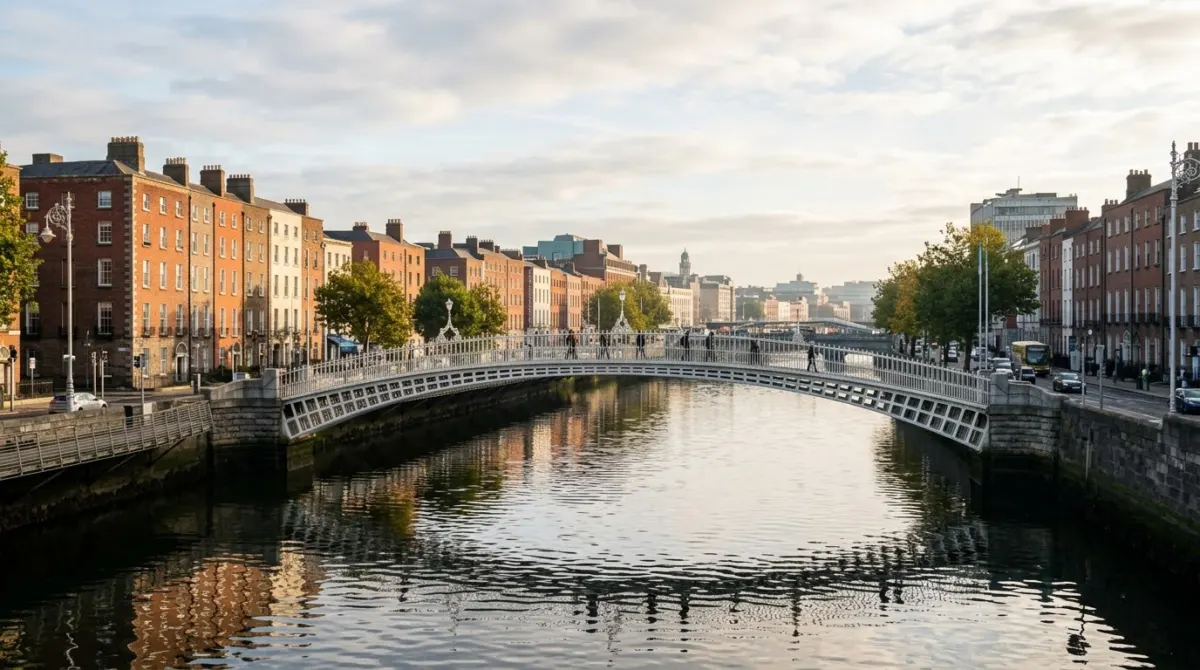
Which part of Dublin matters more than people expect, and it has less to do with neighbourhoods than with the airport coach stops. Our guide to where to stay in Dublin sets that out, and best hotels in Dublin explains why the building type decides the room.
Map shows live availability and prices. We may earn a commission on bookings made through it, at no extra cost to you.
Galway: the base for the west
Small, walkable, and positioned between the two best day trips in the country — Connemara one way, the Burren and the Cliffs of Moher the other. Two nights is the minimum and three is better, because those two day trips run in opposite directions.
Our guide to where to stay in Galway covers the noise question, which is the one thing that goes wrong here.
Killarney: the base for Kerry
Killarney exists for tourism and makes no secret of it: a compact town of hotels, restaurants and tour operators at the gate of a national park, with the Ring of Kerry and the Dingle Peninsula leaving from it in opposite directions.
Stay in the town if you want to walk to dinner and take organised trips. Stay outside it — around the lakes, or towards Kenmare — if you have a car and want the landscape rather than the town.
The south: Cork, Kinsale and the harbour
Cork is a working city rather than a tourist one, which some visitors prefer. Kinsale, half an hour south, is the prettier base: a harbour town of painted houses with an unusual concentration of good restaurants for its size.
Either works as the final stop before flying out of Cork, and either adds a day of coastline and food that the west-coast route does not cover.
Northern Ireland, and what changes at the border
Belfast is two hours from Dublin on the motorway, and it opens the Causeway Coast: the Giant’s Causeway, the cliff road, the rope bridge and the Glens of Antrim.
Three practical differences. The currency is the pound sterling rather than the euro. Your mobile phone may change network at the border, and roaming terms can differ. And your rental agreement needs to permit cross-border driving, which most do but all state explicitly.
There is no border check to plan around, and the crossing itself is unmarked beyond a change in road signs from kilometres to miles. Most visitors who are not British or Irish citizens still need a UK Electronic Travel Authorisation, so apply before you travel.
Where to stay by kind of trip
- First trip, ten days, one car. Dublin, Galway, Killarney. Three bases, three unpackings.
- No car. Dublin, Galway, Killarney by train and bus, with day tours from each. The cities connect well; the peninsulas do not.
- With children. Fewer moves and more self-catering. A week in one cottage with day trips beats five hotels.
- Second trip. Skip Dublin and the Ring of Kerry. Use Westport, Sligo and Donegal, which carry a fraction of the traffic.
- Golf, walking or fishing. Base by the activity, not by the town, and accept a drive for dinner.
Booking windows that matter
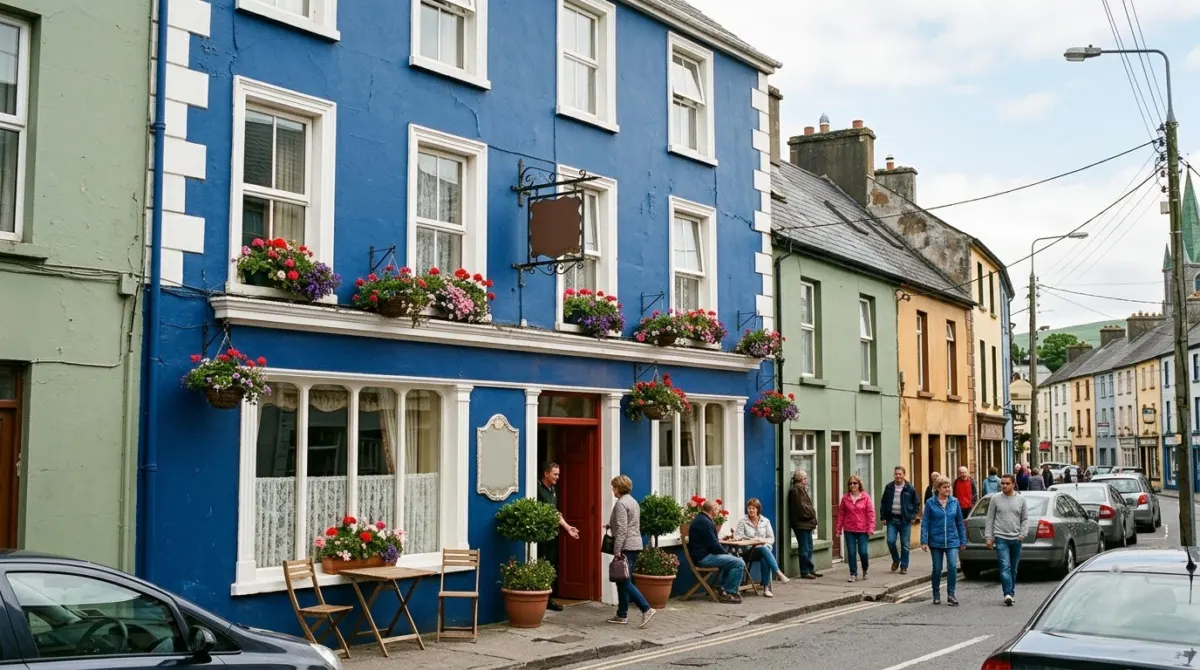
Supply on the west coast is finite and the season is short. June, July and August fill first in Galway, Killarney, Dingle and Doolin, and small towns with one or two hotels sell out months ahead.
The other pressure points are events rather than months: festival weeks in Galway, race meetings, and the weekends around St Patrick’s Day. If your dates are fixed, book the scarce nights first and build the rest of the route around them.
Your arrival airport changes the order of the trip
Three airports matter for a touring route, and which one you land at should reorder your bases rather than be worked around.
Dublin is the obvious one and the busiest. Land here and the natural route runs west: Dublin, Galway, Kerry.
Shannon sits between Galway and Kerry and is the most useful airport on the island for a west-coast trip. Land here and you are about an hour and a half from both, which removes the long transfer from Dublin at the start and again at the end.
Cork opens the south: Kerry, west Cork and Kinsale are all within reach, and Dublin becomes the end of the trip rather than the beginning.
The single most useful booking decision on an Irish itinerary is an open-jaw flight — in through one airport, out through another. Flying into Dublin and out of Shannon or Cork removes a four-hour drive from the last day, and the last day is the one people regret.
What it costs you to change base
Moving between bases is not free, and the price is paid in the middle of the day rather than on the road.
Checkout is usually eleven and check-in three. A two-hour drive between them means leaving at eleven, arriving at one, and waiting with your bags until three — or doing something in between, which is the right answer and needs planning.
So put something worth stopping for on every transfer day: Clonmacnoise between Dublin and Galway, Adare or the Cliffs between Galway and Kerry, the Rock of Cashel on the way back to Dublin. A transfer day with a stop in it is a good day. A transfer day without one is a wasted morning.
This is also the arithmetic that makes three bases better than five. Each extra base costs you one of those middles.
What you can reach without a car
A car-free trip works, with a different shape to it.
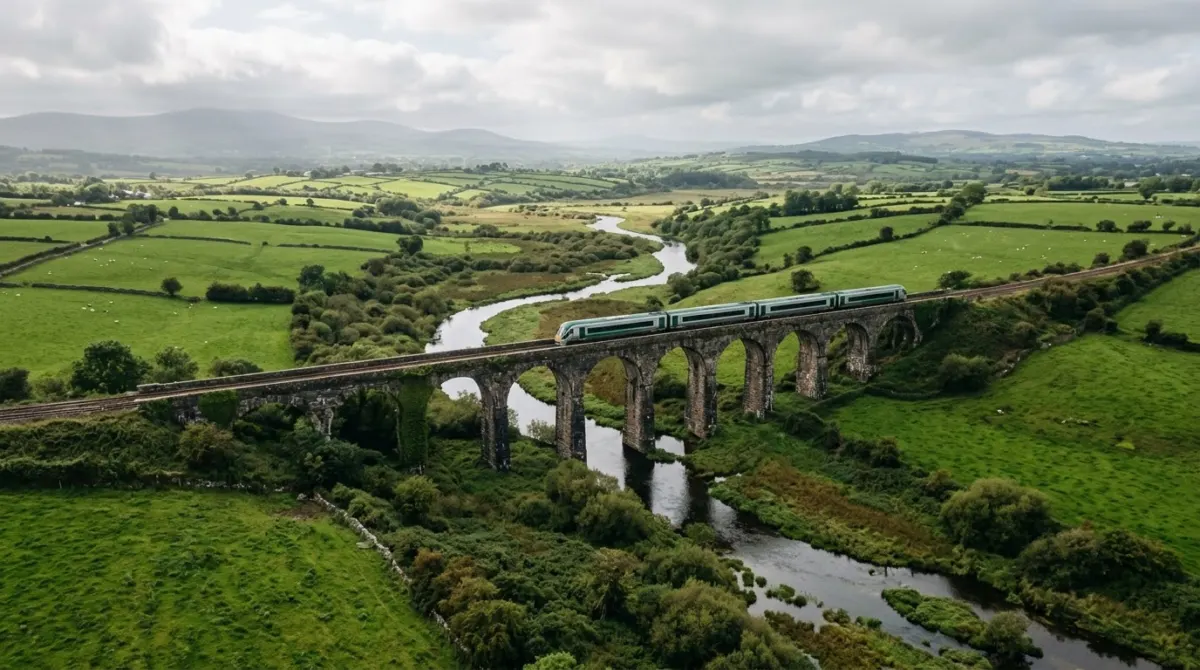
Trains link Dublin to Galway, Limerick, Cork, Killarney, Waterford, Kilkenny and Belfast, comfortably and reasonably quickly. What they do not do is link those places to each other: most lines radiate from Dublin, so Galway to Killarney by rail means a change and most of a day.
Intercity buses fill most of the gaps, including the west-coast links, and reach towns the railway does not.
Day tours cover what neither reaches: the Cliffs of Moher and Connemara from Galway, the Ring of Kerry and Dingle from Killarney, the Causeway Coast from Belfast. Those are the parts of Ireland with no public transport worth planning around.
The result is three or four city bases with organised days out, which is a perfectly good trip. What you give up is stopping where you like.
The towns worth basing in that most itineraries skip
- Kilkenny — the most walkable medieval town in the country, and an easy first or last night outside Dublin.
- Kinsale — a harbour town south of Cork with an unusual number of good restaurants for its size.
- Kenmare — the quiet end of the Ring of Kerry, and a calmer base than Killarney.
- Dingle — a working fishing town on its own peninsula, much better as a base than as a day trip.
- Westport — a planned Georgian town in Mayo, and the way in to Achill Island.
- Doolin — twenty minutes from the Cliffs of Moher, with music pubs of its own.
Each of these replaces a bigger base rather than adding to one. Swapping Killarney for Kenmare, or one Galway night for Doolin, usually improves a trip without lengthening it.
In the centre, or just outside it
The same question comes up in every Irish town, and the answer is consistent.
Stay in the centre when you want to walk to dinner and to a pub with music, and when you are using day trips that leave from the middle of town. Stay outside when you have a car, want a bigger and quieter room, and do not mind driving to eat — which in rural Ireland means somebody is not drinking.
That last point decides it more often than anything else. Drink-driving limits are low and enforced, so a country house twenty minutes from the nearest village means the evening ends where you are staying.
Castles, lighthouses and the unusual places to stay
Ireland has an unusually good supply of accommodation that is not a hotel, and for a touring trip it is often the better choice.
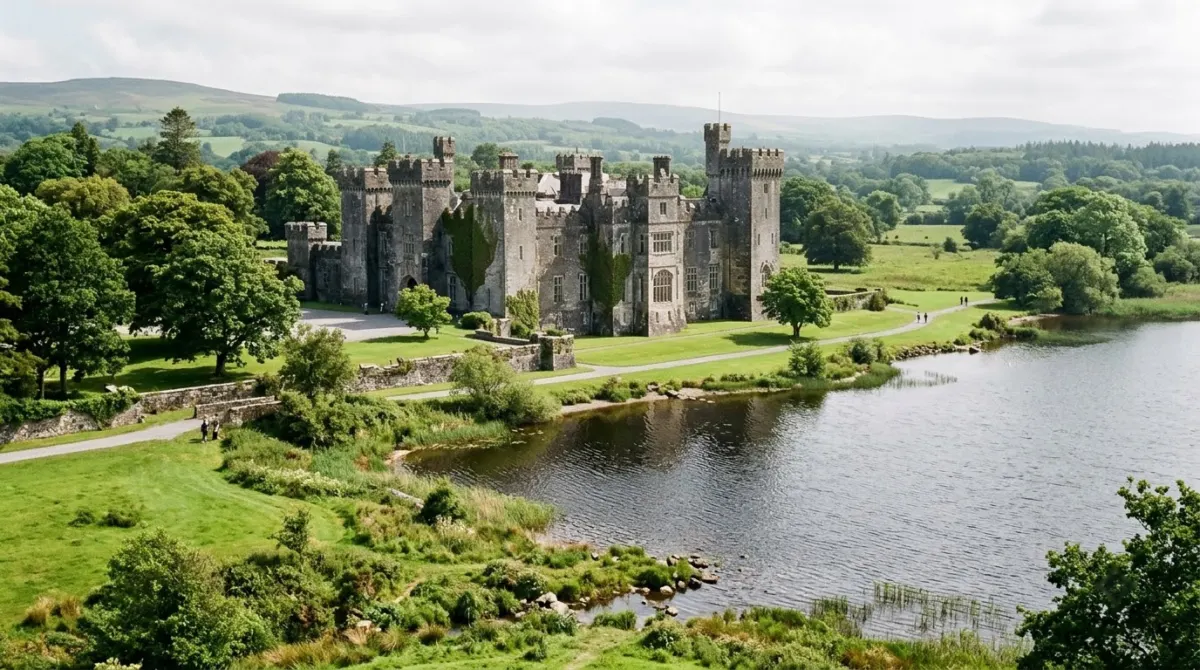
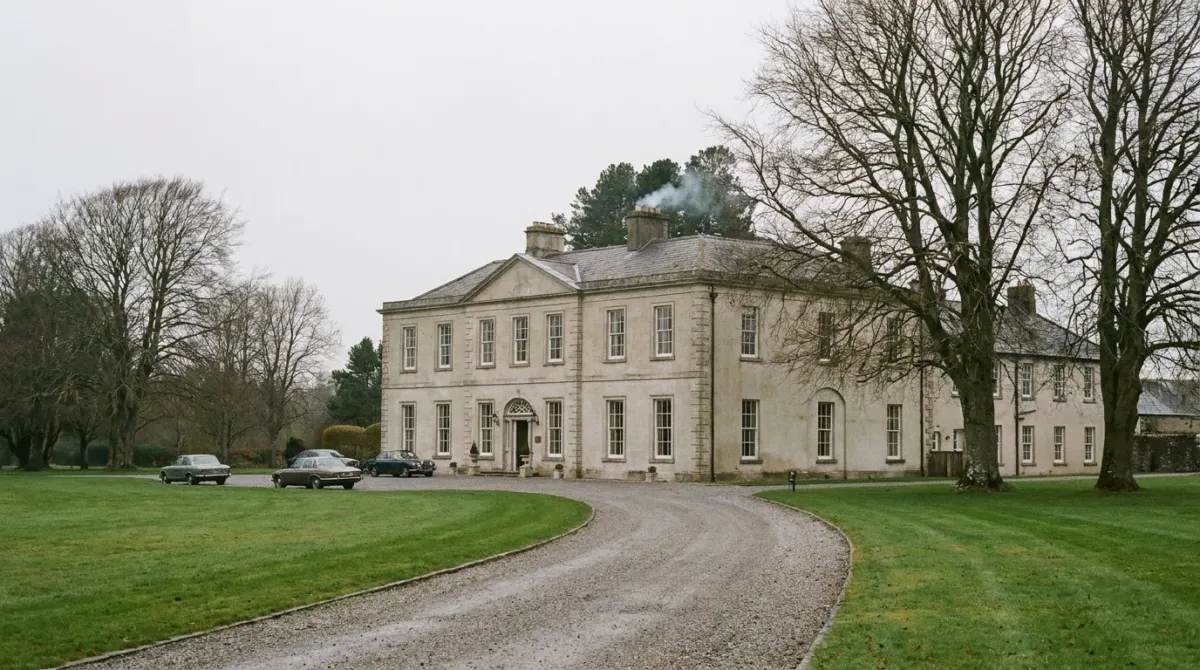
Country house and castle hotels are concentrated in the midlands, Kerry and the west. They are a destination in themselves rather than a base — you arrive in the afternoon, eat there, and leave after breakfast. Most have a spa, which is the main reason they fill in winter.
Lighthouse keepers’ cottages are let around the coast through the Irish Landmark Trust and the Great Lighthouses of Ireland scheme. They sleep four to six, book up a year ahead for summer, and sit in places no hotel could be built.
Glamping has spread across the west and southwest — pods, yurts and shepherd’s huts, usually on a working farm. It is weather-dependent in a country where that is a real risk, so it suits June to September.
Boutique hotels in the Irish sense are mostly in Dublin, Cork, Galway and Kilkenny: ten to thirty rooms in a Georgian building, with a good restaurant attached. In the heart of Dublin they are the main alternative to the chains.
For a two-week loop, mixing two or three of these with ordinary town hotels gives a better trip than booking the same category everywhere.
Frequently asked questions
Where should I base myself in Ireland?
Dublin, Galway and Killarney cover a first trip of ten days: the capital, the west coast around Connemara and the Cliffs of Moher, and Kerry. Add Cork or Belfast with fourteen days. Using more than four bases in ten days turns the trip into driving.
Is it better to stay in hotels or B&Bs in Ireland?
Both, depending on where. Town-centre hotels work in Galway, Killarney and Kilkenny, where you want to walk to dinner. Bed and breakfasts are usually better value on the road and come with local knowledge, and they are the stronger category in small towns and rural areas.
How many places should I stay in Ireland in 10 days?
Three. The roads between the west-coast regions are national routes through towns, so each move costs more of the day than the distance suggests. Three bases leaves time to see the places you drove to.
Do I need to stay in Dublin at the start?
It is the usual opening because most flights land there and the city needs two days. If you are flying into Shannon or Cork, you can start in the west instead and finish in Dublin, which removes one long drive from the trip.
Is Northern Ireland a separate trip?
It can be added to a fourteen-day route from Belfast, which is two hours from Dublin on the motorway. Remember that the currency changes to pounds, phone roaming may change, your car hire agreement must allow cross-border driving, and most visitors who are not British or Irish citizens need a UK Electronic Travel Authorisation.
When do Irish hotels get booked out?
June to August on the west coast, and any week with a festival or a race meeting. Small towns with one or two hotels are the first to go, so book those nights before you fix the rest of the itinerary.
Keep planning Ireland
- Where to Stay in Kilkenny: On the Mile, or Beside the Station
- Where to Stay in Doolin: Book a Room You Can Walk Home To
- Where to Stay in Belfast: Four Quarters, Four Different Trips
- Where to Stay in Killarney: The Town, or the Lakes
- Where to Stay in Dingle: In Town, or Out Where the View Is
- Where to Stay in Galway: The Noise Decides It, Not the Distance
- Best Hotels in Dublin: What Each Kind of Building Gives You
- Where to Stay in Dublin: The River, the Coach Stop and the Noise
Written and checked by
Triplarks Editorial
An editorial desk, not an invented persona: research, drafting and fact-checking are done by the same small team. Every number here carries the date it was read.