Quick answer where to stay on a first trip
Split the nights between La Fortuna for the volcano and hot springs, Monteverde for the cloud forest, and Manuel Antonio for wildlife with a beach. The Caribbean side around Puerto Viejo costs roughly half what Guanacaste does.
On this page
- Is Costa Rica worth visiting? The short answer
- The top 10 reasons to visit Costa Rica
- Biodiversity: the actual reason to go
- The national parks: from the Arenal volcano to Osa
- Tourism infrastructure: why Costa Rica travel is easier than its neighbors
- Safety, and the reputation
- The honest case against: why some people didn’t love it
- What a Costa Rica trip costs, and saving money
- Renting a car, or not
- Pacific and Caribbean coasts: two countries, two beach cultures
- Who Costa Rica is a perfect destination for
- Costa Rica or somewhere else?
- Costa Rica travel tips before you commit
- When to plan to go, and what to do about San José
- Frequently asked questions
Is Costa Rica worth visiting is the wrong question, and it is the reason so many people come back with completely opposite verdicts about the same country.
Some links below are affiliate links. We may earn a commission if you book through them, at no extra cost to you. We do not rank hotels, and any prices on the map come live from the booking sites.
The right question is whether you are the kind of traveler Costa Rica was built for. It is more expensive than every one of its neighbors, it rains more than the photographs suggest, the roads are worse than the map implies, and the wildlife does not appear on schedule. In exchange it has the highest density of biodiversity of any country on earth, the best tourism infrastructure in Central America, and a reputation as one of the safest countries in Latin America.
Match those trade-offs and it is close to a perfect destination and an easy place to visit. Miss them and you will spend a fortnight paying resort prices to look at rain.
A note on what this is. Nobody on this team has been to Costa Rica, so this is not an honest impression written from a hammock. It is a compiled, checked account of what the country offers and what it costs you, and it says so where the evidence is thin. Facts checked 10 September 2026. We do not print prices, because they change and we cannot verify them for you.
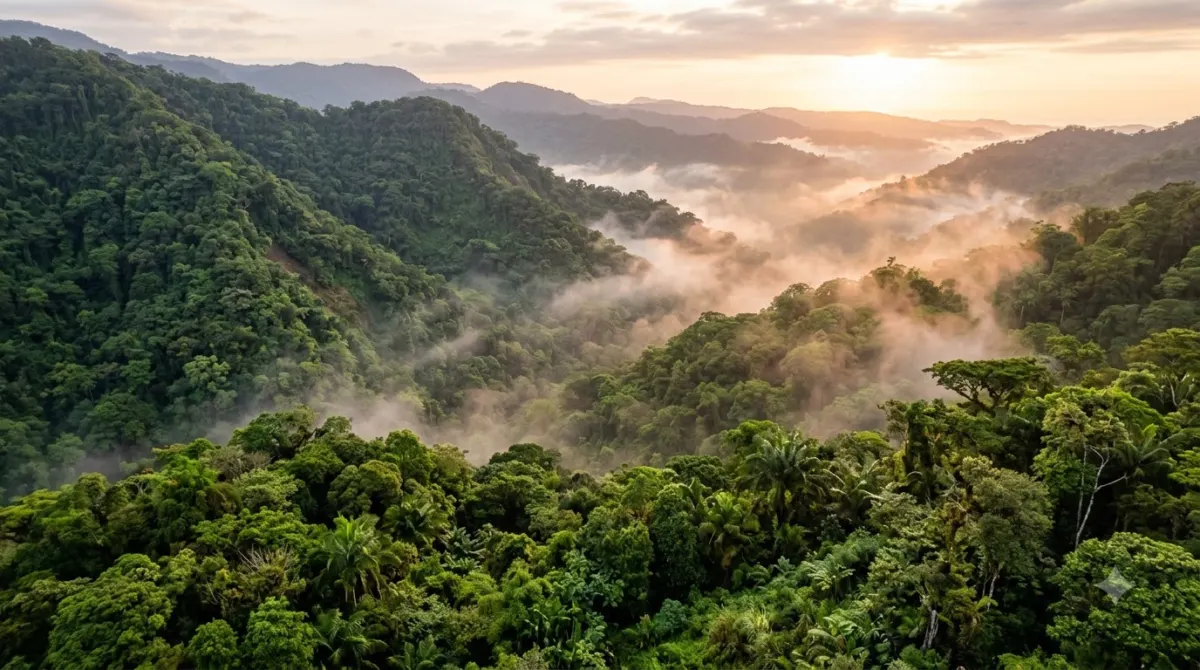
Is Costa Rica worth visiting? The short answer
| If you want | Worth it? |
|---|---|
| Wildlife you can actually see without a guide | Yes, more than almost anywhere |
| Rainforest, cloud forest and volcanoes in one trip | Yes, and within a few hours of each other |
| Easy, safe independent travel in Latin America | Yes, this is the easiest country in the region |
| Surf | Yes, on both coasts, at every level |
| Cheap travel | No. Mexico, Guatemala and Colombia all cost less |
| Guaranteed sunshine | No. Even the dry season is not dry everywhere |
| Ancient ruins and big historic cities | No. Go to Mexico or Peru instead |
| Culture-first travel | Not really. This is a nature destination first |
If you want one sentence: Costa Rica is worth visiting if nature is the reason you are going and you accept that you are paying a premium for how easy it is.
The top 10 reasons to visit Costa Rica
- Biodiversity. About 0.03 percent of the world’s land area holding roughly five percent of its known species. That ratio is the single strongest reason to visit Costa Rica.
- Wildlife sightings are easy. Sloth, monkey, toucan, macaw and frog are all realistic on an ordinary trip, from a trail rather than an expedition.
- Volcanoes you can stand under. Arenal Volcano is a near-perfect volcanic cone with hot springs at its base, and La Fortuna, San Carlos is the town below it.
- Two coasts, four hours apart. The Pacific and Caribbean coasts are genuinely different countries in feel.
- Cloud forest. Monteverde is a habitat most travelers have never stood in, and it is nothing like rainforest.
- The tourism infrastructure works. Shuttles run on time, hotels and hostels are plentiful, and English is widely spoken in the tourist areas.
- Safety. Costa Rica is consistently ranked among the safest countries in Central America, with no army since 1948.
- Ecotourism is real here rather than a label. Protected areas cover about a quarter of the land, and the country reversed its own deforestation.
- Adrenaline. The zip line was more or less invented here as a tourist activity, surfing is everywhere, and the whitewater rafting on the Pacuare river is world class.
- Pura vida. The phrase is on every T-shirt, which is annoying, and it also describes a genuine unhurriedness in how Costa Ricans live that most visitors end up liking. Plenty of people who came once have moved to Costa Rica since.
Biodiversity: the actual reason to go
- The numbers are the argument. Costa Rica is a Central American country the size of a small U.S. state that holds around half a million species.
- Two oceans, a mountain spine and twelve life zones pack that variety into a country you can cross in a day.
- Abundant wildlife is not a marketing phrase here. Howler monkeys wake you up, sloths hang over car parks, and a guide with a scope will find you a toucan before breakfast.
- Take a guide at least once. The difference between what you see alone and what a local guide finds is the difference between a nice walk and the reason you came.
- Nothing is guaranteed. Wildlife does not perform, and a bad-luck week happens. Anyone promising sightings is selling something.
The national parks: from the Arenal volcano to Osa
- Manuel Antonio National Park is the famous one: jungle running down to white sand, monkeys on the beach, and by far the easiest wildlife in the country. It is also the busiest, and entry is capped.
- Arenal and La Fortuna combine the volcano, hanging bridges, a waterfall and hot springs in one base. Tabacon Thermal Resort and Spa and Nayara Gardens are the landmark addresses there.
- Monteverde and the Santa Elena cloud forest sit high and wet, and this is where the ziplining and the suspension bridges are.
- Tortuguero on the Caribbean side is reachable only by boat or small plane, and it is where the sea turtles nest.
- Corcovado on the Osa Peninsula is the serious one, described by National Geographic as the most biologically intense place on earth. It needs a guide and it needs effort.
- Entrance fees are charged in USD at most parks and several require advance booking, Manuel Antonio and Corcovado in particular.
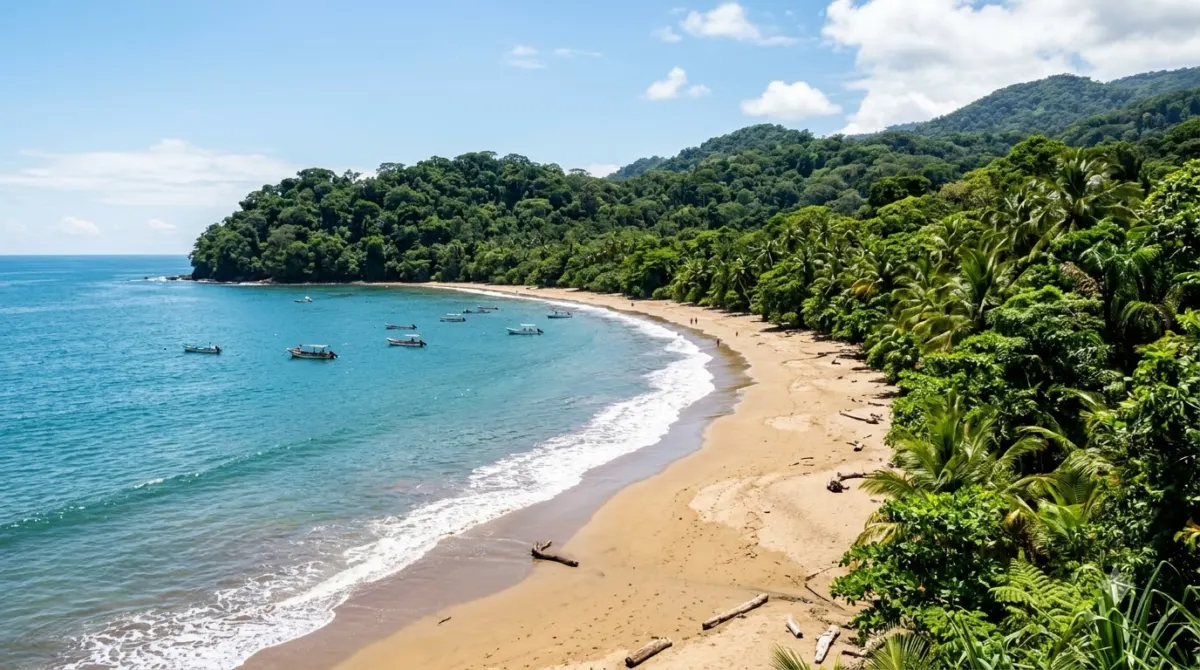
These are listed as landmarks, not recommendations. Nobody here has stayed in them and we do not print rates. Check current prices and availability yourself.
Tourism infrastructure: why Costa Rica travel is easier than its neighbors
- This is the practical reason people choose Costa Rica over Nicaragua, Honduras or Guatemala, and it is worth being blunt about it.
- Tourist shuttles connect every hot spot on a fixed timetable, so you can cross the country without a rental car or a bus station.
- Hotels and hostels cover every level, from backpacker dorms to upscale resorts, in every town a visitor goes to.
- English is widely spoken in tourism, and card payment and USD are accepted almost everywhere. Visitors from the United States find it the least friction of anywhere in the region.
- Costa Rica travel is low friction, and that is exactly what you are paying the premium for.
- The trade-off: it is also why the country can feel touristy in the main corridors. La Fortuna, Monteverde and Manuel Antonio are well-trodden.
Safety, and the reputation
- Costa Rica is generally regarded as one of the safest countries in Latin America and has had no standing army since 1948.
- The real risks are petty theft and the sea, not violent crime against visitors. Rip currents on the Pacific coast are the genuine danger.
- Do not leave anything in a parked rental car, ever, anywhere. That is the one warning every source repeats.
- San Jose has areas to avoid at night like any capital, and most visitors pass through it rather than stay.
- Check your own government advice before you travel, because it is issued by region and it changes.
The honest case against: why some people didn’t love it
These are the complaints that come up again and again, and every one of them is fair.
- It is expensive. Costa Rica costs meaningfully more than Mexico, Guatemala, Colombia or Panama for the same standard, and the cost of living has risen with the currency.
- It rains. Green season runs May to November and even the dry season is not dry on the Caribbean side. Monteverde is cloud forest; the clue is in the name.
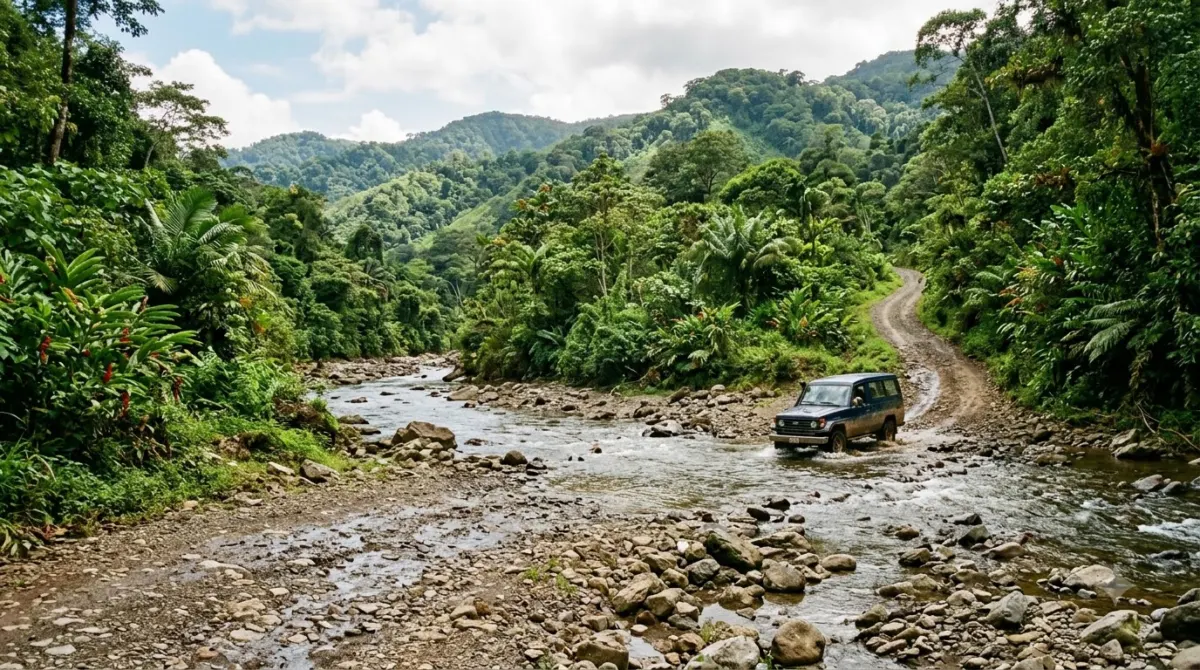
- The driving is harder than expected. Distances are short and journey times are long. Unpaved sections, river crossings, potholes and fog are all normal, and the road between Monteverde and La Fortuna is legendary for the wrong reasons.
- It can feel packaged. The main corridor is a well-oiled circuit of shuttles, zipline platforms and tour desks, and travelers who wanted rougher edges say so.
- Not much history. If ruins, colonial cities and museums are what you travel for, this is the wrong country. San José is a working capital and not a place to visit in its own right.
- Wildlife is luck. A rainy week in the wrong month with no guide can produce very little, and that is a genuinely disappointing trip in a country this expensive. That is the honest reason a minority of visitors say they enjoyed visiting but would not go back.
Map shows live availability and prices. We may earn a commission on bookings made through it, at no extra cost to you.
What a Costa Rica trip costs, and saving money
- Prices are quoted in USD and colones interchangeably, and dollars are accepted almost everywhere at a worse rate than the bank gives you.
- Accommodation, the rental car and park entrance fees are the three big lines, in that order.
- The biggest saving is eating at a soda, the small local restaurants that serve a casado, a Costa Rican plate of rice, beans, salad and meat, as a full meal for a fraction of a tourist menu.
- Travel in green season and rates on hotels drop sharply. It rains in the afternoon, not all day, for most of it.
- Skip one splurge, not the guides. A night at an upscale resort buys several guided walks, and the walks are what you will remember.
- Public buses cost almost nothing and reach most of the country, if you have time rather than money.
Renting a car, or not
- Renting a car buys freedom and is the difference between the beaches on the tour route and the ones that are not.
- Mandatory liability insurance is not in the online price. Every quote you see will rise at the desk, which is the single most common complaint about car rental here.
- Take the 4×4 if you are going anywhere off the main corridor, and check whether your route includes a river crossing before you commit.
- Do not drive at night outside towns. Unlit roads, no shoulders, and animals.
- The alternative is good. Shared shuttles between the main hot spots are comfortable, reliable and remove all of the above.
Pacific and Caribbean coasts: two countries, two beach cultures
- The Pacific side is the tourist one: Tamarindo, Jaco, Playa Hermosa, Manuel Antonio, Uvita and the Osa Peninsula, with sunset over the water and most of the resorts. Any playa on this coast will have a surf school on it.
- The Caribbean side is Afro-Caribbean in food, music and language. Puerto Viejo and Cahuita are the towns, the only real reef is here, and it feels nothing like the Pacific.
- The weather patterns are opposite. September and October, the wettest months on the Pacific, are the driest and best on the Caribbean coast.
- Very few itineraries include both, and that is a mistake if you have two weeks.
- Tortuguero sits on the Caribbean side too, reachable only by boat, and is the country’s strangest and best excursion.
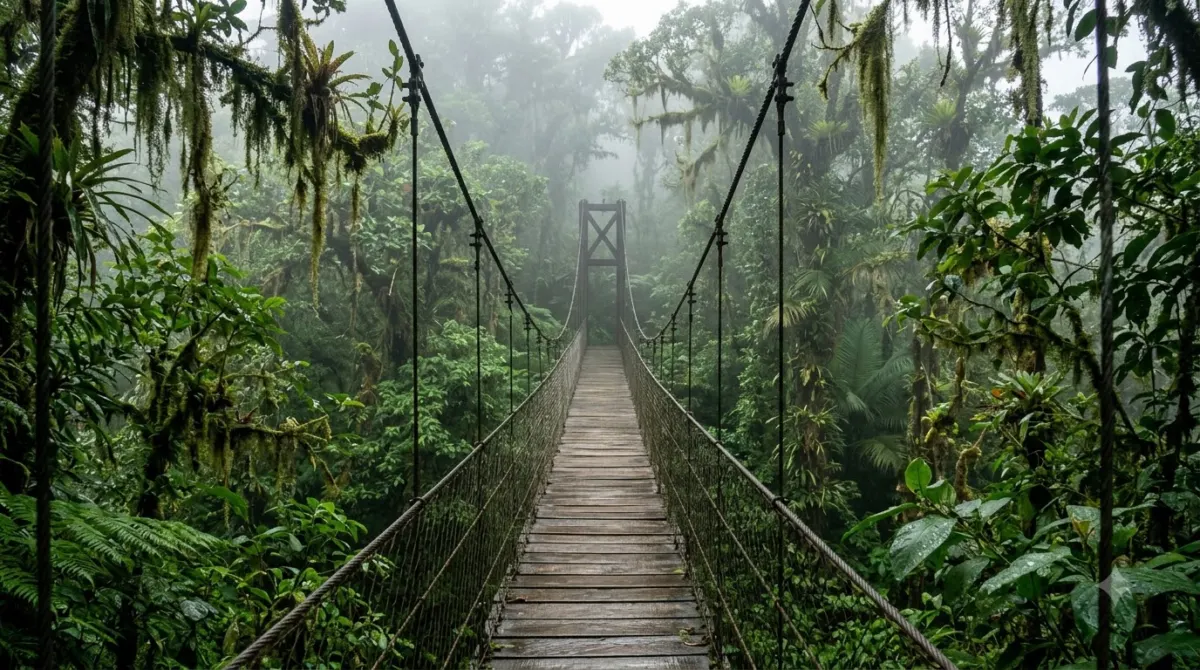
Who Costa Rica is a perfect destination for
- First-timers in Latin America. The easiest, safest place to start.
- Families. Short flights from the U.S., safe water, wildlife children actually enjoy visiting, and no long transfers.
- Anyone who likes wildlife more than nightlife.
- Surfers. Both coasts, all levels, warm water all year.
- Adventure travelers. Ziplining, rafting the Pacuare river, kayaking, hiking, canyoning, all well run.
- Not for budget backpacking travelers who want their money to go further, or for anyone whose trip is about ruins, cities or nightlife.
Costa Rica or somewhere else?
- Versus Panama: Panama is cheaper, has a real city, the canal and a larger economy; Costa Rica has far better wildlife access and infrastructure.
- Versus Mexico: Mexico is cheaper, has the history and the food, and cannot match Costa Rica for concentrated nature.
- Versus Guatemala or Nicaragua: both cost much less and are far harder work.
- Versus Europe: not really comparable, but a fortnight here costs about what a fortnight in western Europe does, which surprises people.
- If wildlife is the point, nothing in the region is close. That is the whole case.
Costa Rica travel tips before you commit
If you are still weighing a trip to Costa Rica, these are the things that change the answer.
- Pick two bases, not five. The best places for a first trip in Costa Rica are La Fortuna, San Carlos for the volcanic north and one Pacific playa. Adding a third region costs you a day in the car and gains you very little.
- Budget for guides, not for rooms. A guided walk turns a green wall into forty species. A nicer room does not.
- Eat where Costa Ricans eat. A casado at a soda is a full meal for a fraction of a tourist menu, and Costa Rican cooking is plain, fresh and much better than its reputation.
- The main highways are well-maintained and the side roads are not. That single distinction explains most of the driving complaints.
- Backpacking here works but costs more than backpacking anywhere else nearby, whether that is backpacking between towns or backpacking into Corcovado. Hostels are good and plentiful; the country is simply not cheap.
- Book Manuel Antonio and Corcovado ahead. Entry is capped and turning up does not work in high season.
- Zip line and surfing operators are regulated and generally well run, which is not true everywhere in the region.
- San José, Costa Rica is a transit point for most visitors. One night on arrival is plenty, and the Jade Museum is worth the two hours if you have them.
Is it still the right trip in 2026? The economy has grown, the currency has strengthened and the main corridor is busier than it was a decade ago, so the value argument is weaker than it used to be. The nature argument is not. Nobody who came for the wildlife has ever said they would not recommend a trip on those grounds.
When to plan to go, and what to do about San José
- December to April is the dry season on the Pacific side and the high season everywhere. Book early and pay more.
- May, June and November are the value months: green, quiet, and rain that mostly arrives in the afternoon.
- September and October are the wettest on the Pacific and the best on the Caribbean. Plan the coast accordingly.
- Turtle nesting runs at different times on each coast, so check the species and the beach before you fix dates.
- Costa Rica travel recovered fast after the pandemic and the main hot spots are busy again, so advance booking matters more than it used to.
Decided to go? Our Costa Rica itinerary lays out ten days, and things to do in Costa Rica covers the rest.
Check hotels across Costa Rica →
More on this destination: Costa Rica Itinerary 5 Days.
Frequently asked questions
Is Costa Rica worth visiting?
Yes, if nature is why you are going. It holds around five percent of the world’s species on 0.03 percent of its land, wildlife is unusually easy to see, and the tourism infrastructure is the best in Central America. It is not worth it if you want cheap travel, guaranteed sun, ruins or big cities.
Why is Costa Rica so expensive?
A stronger currency, a higher cost of living than its neighbors, imported goods, and a tourism industry built around guided, well-run experiences rather than budget travel. Park entrance fees are charged in USD and add up. You are paying for how easy and safe it is, which is a real thing to buy.
What is the biggest downside of Costa Rica?
The gap between the map and the road. Distances look short and journeys take hours because of unpaved sections, potholes, fog in the highlands and river crossings. The second is rain: green season runs May to November, and the Caribbean side has no reliable dry season at all.
Is Costa Rica safe for tourists?
It is consistently ranked among the safest countries in Latin America and has had no army since 1948. The genuine risks are petty theft, especially from parked rental cars, and rip currents on the Pacific coast. Take normal precautions in San Jose at night and check your own government advice by region before travel.
How many days do you need in Costa Rica?
Ten days is the sweet spot for a first trip: San Jose, La Fortuna and Arenal, Monteverde, and one Pacific beach. Seven works if you cut one of those. Fourteen lets you add the Osa Peninsula or the Caribbean coast, and the Caribbean is the one most itineraries wrongly leave out.
Do you need to rent a car in Costa Rica?
No, but it helps. Shared shuttles connect all the main hot spots reliably and remove the driving. A rental car buys you the beaches and trails that are not on the tour route. If you do rent, budget for the mandatory liability insurance, which is never in the advertised price, and take a 4×4 off the main corridor.
Is Costa Rica better than Panama or Mexico?
For wildlife and national parks, yes, by a distance. For value, no: both cost less. Mexico has the history, the food and the cities that Costa Rica does not have. Panama has a real capital and the canal. Choose on what you want the trip to be about rather than on which country is better.
Is Costa Rica good for a first trip to Latin America?
It is the easiest place in the region to start. English is widely spoken in tourism, cards and dollars are accepted, shuttles run on time, hotels and hostels cover every budget, and the safety record is the best around. That ease is exactly what the premium buys you.
Keep planning Costa Rica
- 5 Day Costa Rica Itinerary: Two Bases, No Wasted Days
- Costa Rica Itinerary: 10 Perfect Days for a First Trip
- 7 Day Costa Rica Itinerary: Volcano, Cloud Forest and Coast
- Things to Do in San José, Costa Rica: One Day Well Spent
- Things to Do in Costa Rica: The Three Regions and What Each Costs
- The Best Time to Visit Costa Rica: A Month-by-Month Guide
- Costa Rica Packing List: What Actually Matters, and What to Leave
- Dominical, Costa Rica: Surf Town, Dirt Roads, Dangerous Beach
Written and checked by
Triplarks Editorial
An editorial desk, not an invented persona: research, drafting and fact-checking are done by the same small team. Every number here carries the date it was read.