Quick answer
Three days for a first visit, two if Scotland continues north, four or five if Edinburgh is the whole holiday. Stay central and on foot, and budget about a third more walking time than the map suggests — the city is built on a ridge.
On this page
- How many days in Edinburgh: what each length gets you
- What one day covers
- Two days, and what you add
- The third day: where the city opens up
- Four and five days: using it as a base
- Can you see the Highlands from Edinburgh?
- August is a different city
- How the season changes the answer
- Practical notes
- What three days actually covers
- Why the hills change the arithmetic
- When two days is genuinely enough
- When you need more
- What fills the days, in order
- Edinburgh with limited mobility
- Edinburgh as part of a longer trip
- The short version
- Frequently asked questions
Three days. Two if Edinburgh is one stop on a longer Scottish trip, four or five if you intend to use it as a base for Stirling, Glasgow and the Borders.
Some links below are affiliate links. We may earn a commission if you book through them, at no extra cost to you. We do not rank hotels, and any prices on the map come live from the booking sites.
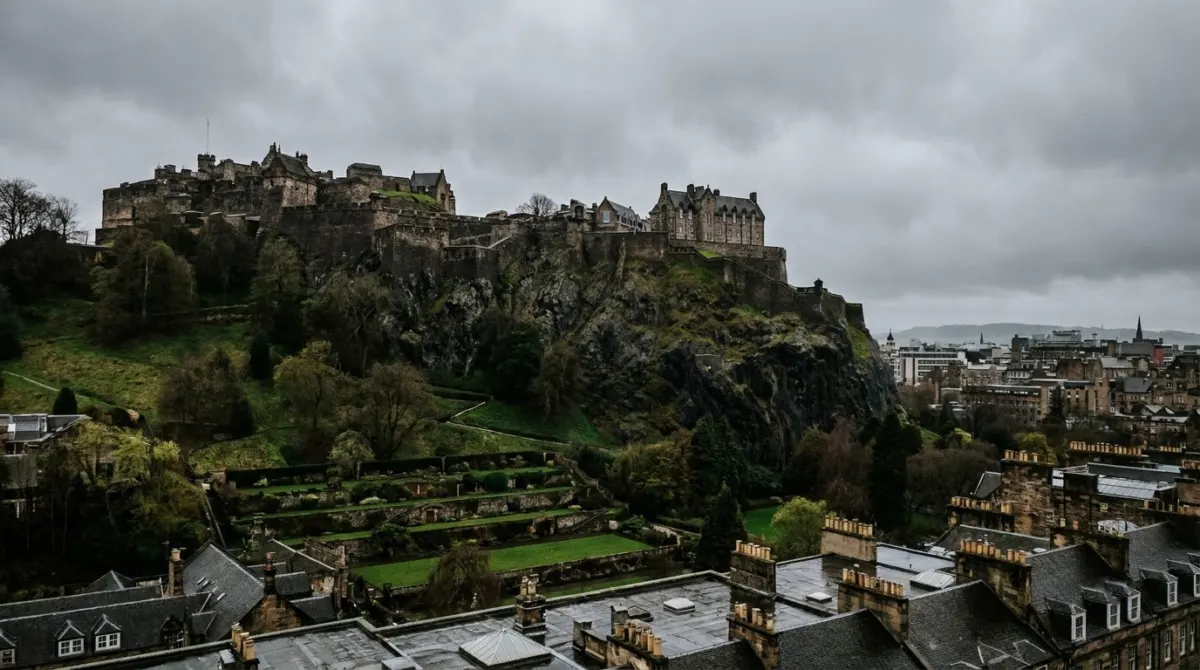
The city is compact — the castle to Holyrood is about a mile — but it is vertical, and the climbing slows you down more than the distances suggest.
How many days in Edinburgh: what each length gets you
| Days | What fits | Who it suits |
|---|---|---|
| 1 | Castle, Royal Mile, one museum | A stopover |
| 2 | The above plus Holyrood and Arthur’s Seat | One stop on a Scotland trip |
| 3 | The city properly, including the New Town and Leith | Most first visits |
| 4–5 | Adds Stirling, Glasgow or the coast as day trips | Using Edinburgh as a base |
| 6+ | Diminishing returns unless it is August | Festival visits |
Map shows live availability and prices. We may earn a commission on bookings made through it, at no extra cost to you.
Where to sleep on this route
What one day covers
Edinburgh Castle first thing, before the queues, then the Royal Mile downhill with a detour into a close or two, the National Museum of Scotland — which is free and better than most people expect — and an evening in the Old Town.
That is a full day. It leaves out the New Town, Holyrood, Arthur’s Seat and Leith entirely.
Two days, and what you add
The second day moves downhill and outdoors.
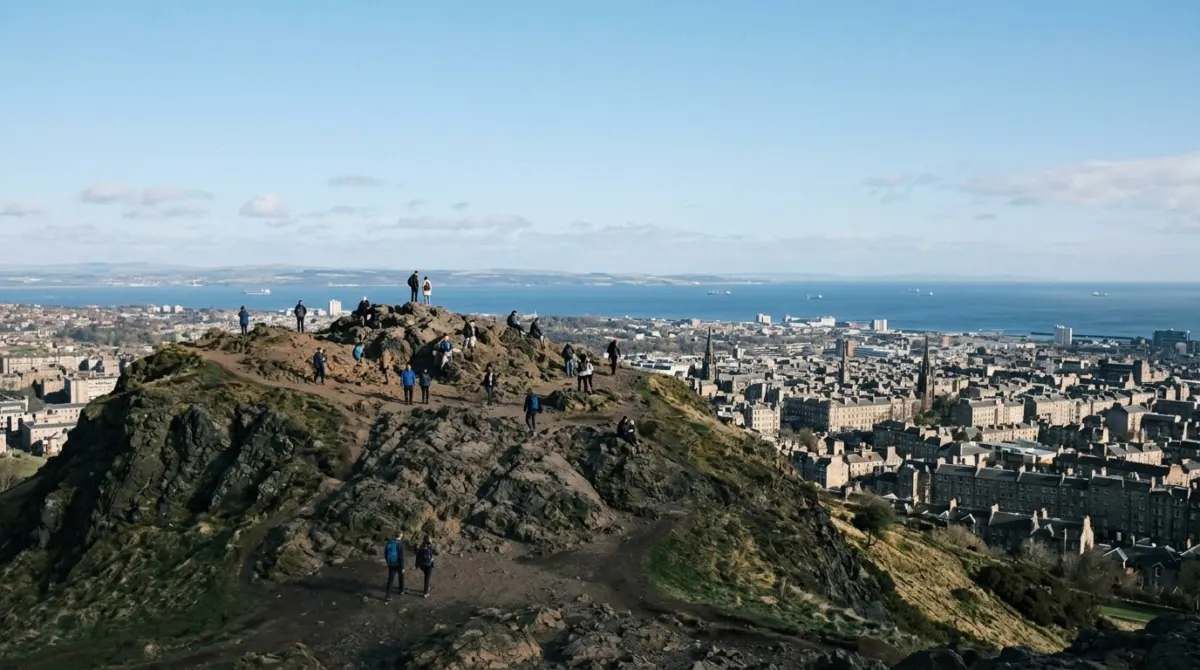
The Palace of Holyroodhouse at the bottom of the Royal Mile, then Arthur’s Seat, the extinct volcano in Holyrood Park. The climb takes about an hour and the view covers the whole city, the Firth of Forth and, on a clear day, the Highlands in the distance.
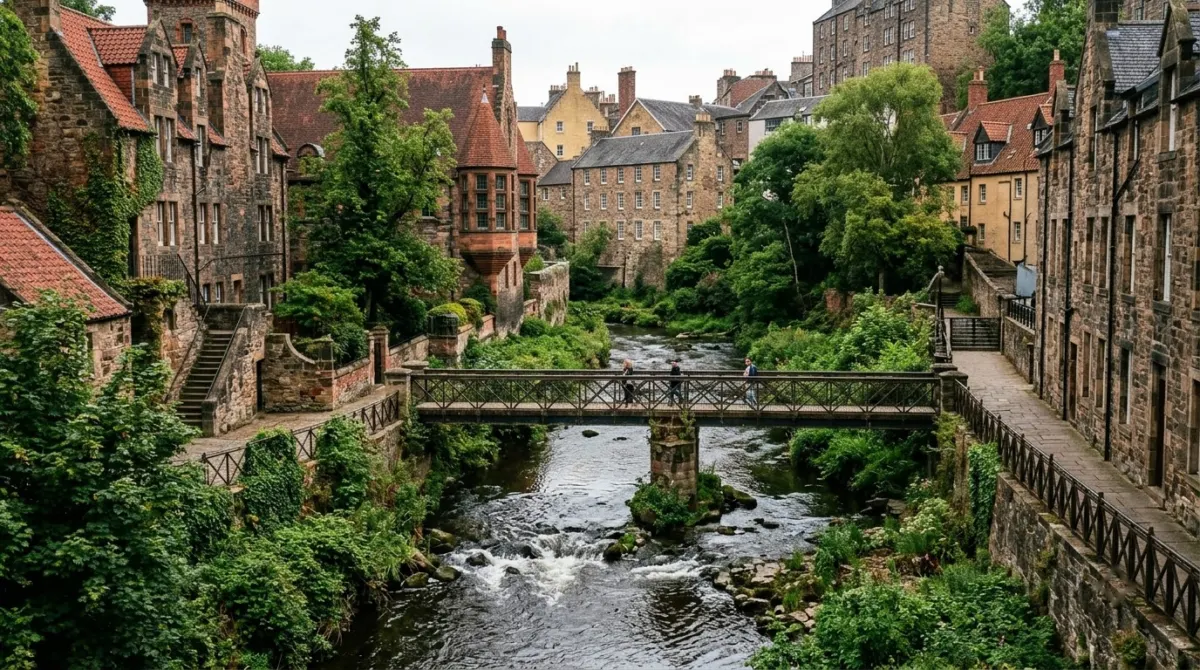
Afternoon in the New Town — the Georgian streets, the Scottish National Gallery, and Dean Village on the Water of Leith.
The third day: where the city opens up
With three days you can leave the tourist line entirely.
Leith, on the tram, for the waterfront and the best food in the city. Stockbridge and the Water of Leith walkway. The Royal Botanic Garden. Or the Scottish National Portrait Gallery, which is the most interesting building in the New Town.
Three days is the length at which Edinburgh stops being a castle and a street.
Four and five days: using it as a base
Edinburgh’s rail connections make day trips unusually easy, and this is the argument for a longer stay.
Glasgow is fifty minutes by train and is a genuinely different city — Victorian, industrial, with better galleries and music.
Stirling is fifty minutes, with the castle, the Wallace Monument and Bannockburn.
The East Neuk of Fife — St Andrews and the fishing villages — is an hour and a half by bus or train.
The Borders, Rosslyn Chapel and the coast at North Berwick are all under an hour.
None of these need a car.
Can you see the Highlands from Edinburgh?
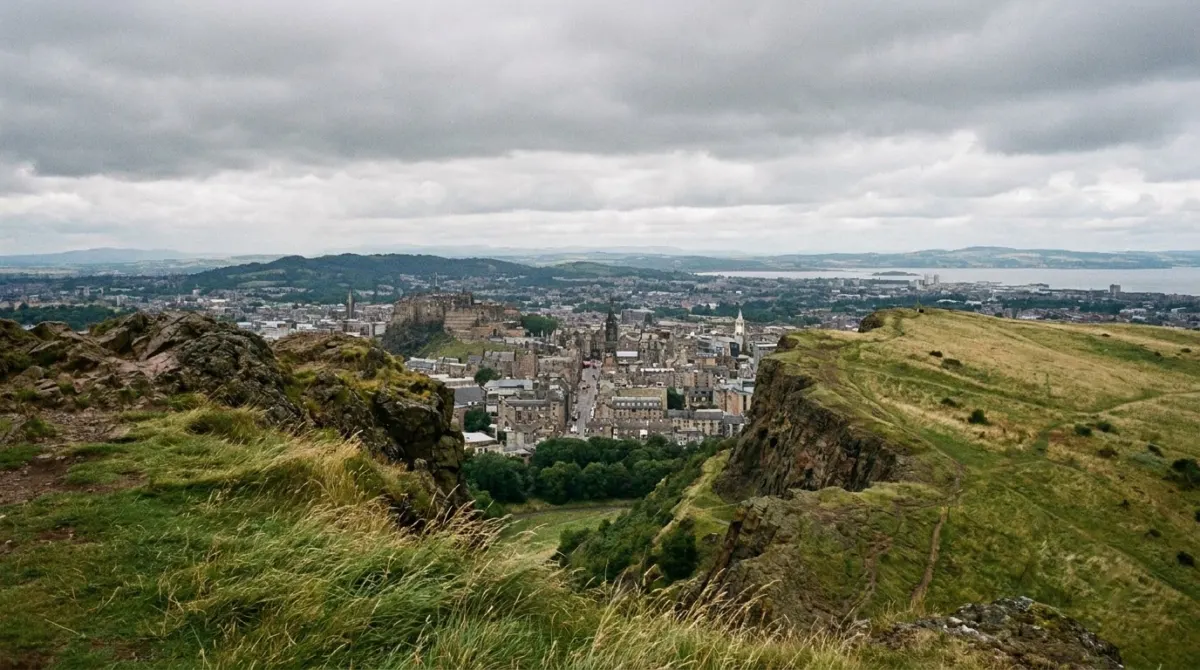
Only badly, and it is worth being direct about it.
Day coaches run from Edinburgh to Loch Ness and Glencoe. They involve ten to twelve hours, most of it on a bus, for perhaps ninety minutes at the destination.
If the Highlands are why you are coming to Scotland, give them their own nights — our Scotland itinerary shows how. If you only have Edinburgh and one spare day, Stirling or Glasgow is a far better use of it.
August is a different city
For most of August the Fringe and the International Festival roughly double Edinburgh’s population.
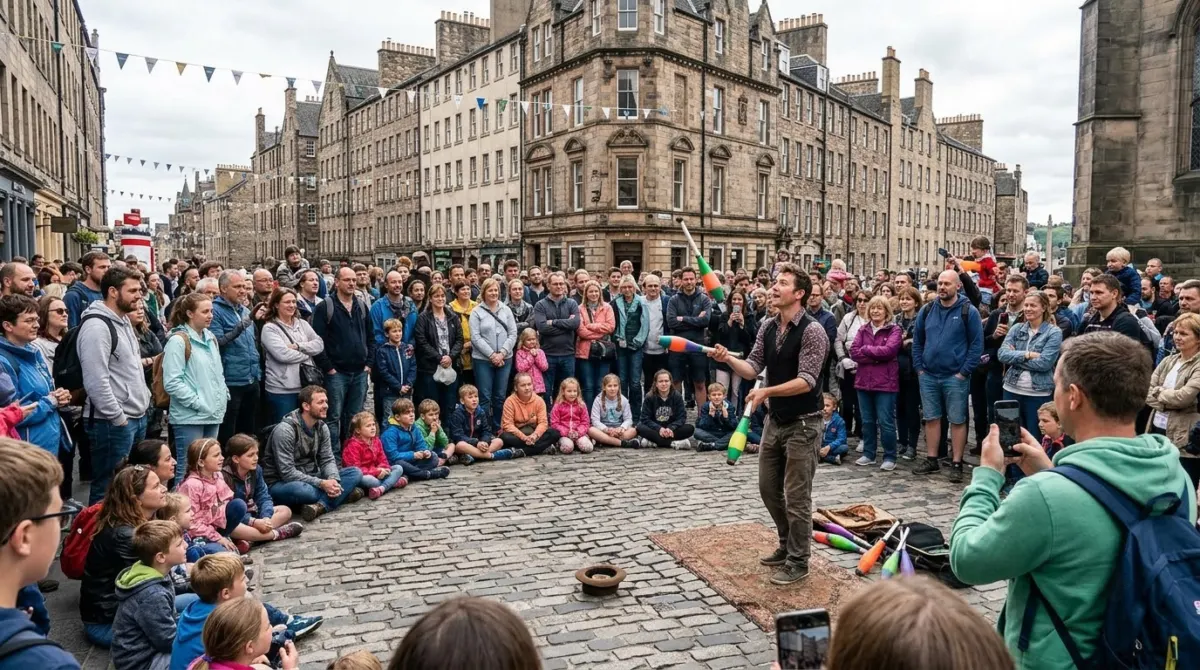
If you are coming for the festival, add days rather than subtract them: shows run from morning to past midnight, the streets are an event in themselves, and two days will feel like nothing. Four or five is a realistic festival visit.
If you are not coming for the festival, August is the month to avoid: the sights are crowded, the prices multiply, and the normal city is buried under the event.
How the season changes the answer
In June it is light until nearly eleven at night, which makes a three-day visit feel much longer.
In December it is dark by half past three, which removes Arthur’s Seat and most of the walking. Add a day in winter for the same list, and note that Hogmanay fills the city for several days.
Practical notes
Book the castle online for a timed slot; it is the busiest paid attraction in Scotland.
Several of the best museums are free — the National Museum of Scotland, the Scottish National Gallery and the Portrait Gallery — which changes the arithmetic on a third or fourth day.
Allow for the hills. The Old Town is a ridge with stairs, and two miles in Edinburgh is not two miles on the flat.
For the day-by-day version see our 3 day Edinburgh itinerary, and for districts, where to stay in Edinburgh.
What three days actually covers
A realistic three-day list, in the order that works.
Day 1: Edinburgh Castle on an early slot, the Royal Mile and its closes, the free National Museum of Scotland, and an evening in the Old Town.
Day 2: the Palace of Holyroodhouse, the climb up Arthur’s Seat, and the New Town with the Scottish National Gallery in the afternoon.
Day 3: Leith on the tram or Stockbridge on foot, the Water of Leith walkway through Dean Village, and dinner where Edinburgh actually eats.
Our 3 day Edinburgh itinerary sets that out hour by hour.
Why the hills change the arithmetic
Edinburgh looks small on a map and takes longer than the map suggests, because the Old Town sits on a ridge and everything else is below it.
The closes off the Royal Mile drop away in flights of stairs. Getting from the Grassmarket back up to the castle esplanade is a climb. The walk between the Old and New Towns involves the Mound or a staircase whichever way you go.
None of it is difficult for most people, and all of it is slower than flat walking. Budget roughly a third more time than the distances suggest, and more if you are carrying anything.
When two days is genuinely enough
Two situations.
If Edinburgh is one stop on a Scottish trip that continues to the Highlands, two days is a fair share and the third day is better spent in Glencoe.
If you are coming back — Edinburgh is an easy weekend from much of Britain and Ireland — splitting the city across two short visits works better than one long one, because the museums are free and the pubs do not change.
When you need more
In August, add days rather than subtract them. The festivals run from morning to past midnight and a two-day visit disappears.
If you want day trips, add one day per trip. Glasgow, Stirling, St Andrews and the Borders are all under ninety minutes by train or bus.
In deep winter, add one day for the lost daylight.
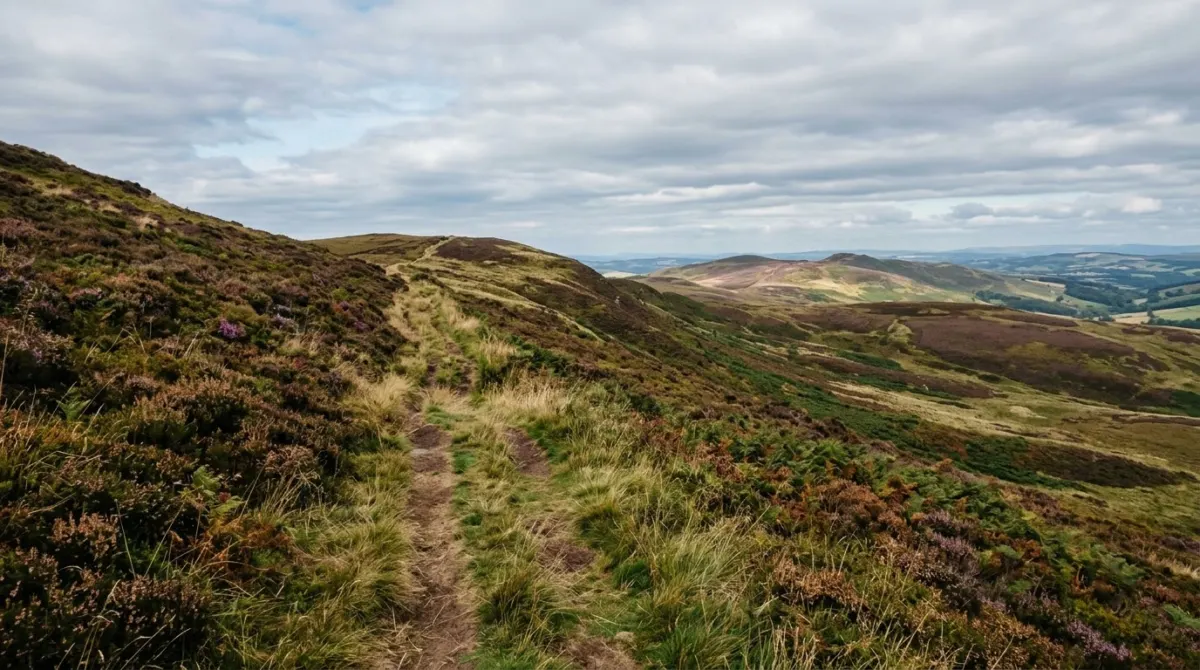
If you are walking, add one. The Pentland Hills on the city’s southern edge are a half day from the centre by bus.
What fills the days, in order
A rough ranking, which is useful when you are cutting rather than adding.
Edinburgh Castle — two hours, and the one paid attraction worth booking.
The National Museum of Scotland — an hour and a half minimum, free, and the single best wet-weather option.
Arthur’s Seat — two hours including the walk there, free, and weather-dependent.
The Palace of Holyroodhouse — ninety minutes.
The Royal Mile and its closes — an hour at a walk, longer if you stop.
The Scottish National Gallery — an hour, free, on the Mound between the two towns.
Leith and the Water of Leith — half a day.
Two of the large items plus something small is a day. Three is a march, and in a city this steep it shows by mid-afternoon.
Edinburgh with limited mobility
Worth saying directly, because the city is harder than most.
The Old Town is a ridge of stairs and steep closes, and its older buildings frequently have no lift. The castle esplanade is a climb from every direction.
The New Town, Haymarket and Leith are flat, their modern hotels have lifts, and the tram is step-free. Buses are accessible and frequent. Holyrood Park has level paths around the base even if Arthur’s Seat itself is not an option.
A three-day visit based in the New Town, using buses and the tram and skipping the closes, covers most of the city comfortably.
Edinburgh as part of a longer trip
Most visitors reach Edinburgh as the start of a Scottish route rather than as a city break, and that changes the number.
If the Highlands are in your plan, three nights here and the rest north is the standard split, and it is the right one — Glencoe and Skye need their own nights and cannot be done from the capital. Our Scotland itinerary sets out the full route.
If Edinburgh is the whole trip, four or five days works, with the extra days going to Glasgow, Stirling or the Fife coast rather than to more time on the Royal Mile.
The short version
Three days for a first visit, two if Scotland continues north, four or five if you want day trips or Edinburgh is the whole holiday. Add a day in winter for the lost daylight and several days in August, when the festivals turn the city into something else entirely. And budget a third more walking time than the map suggests, because the city is built on a ridge.
Check Edinburgh availability →
Frequently asked questions
How many days do you need in Edinburgh?
Three for a first visit: the castle and the Royal Mile, Holyrood and Arthur's Seat, then the New Town and Leith. Two if Edinburgh is one stop on a Scottish trip, and four or five if you want day trips to Glasgow, Stirling or Fife.
Is 2 days enough for Edinburgh?
It covers the castle, the Royal Mile, one museum, Holyrood and Arthur's Seat at a brisk pace. What you lose is the New Town, Leith and any sense of the city beyond the tourist line.
Can you visit the Highlands as a day trip from Edinburgh?
You can, and it is ten to twelve hours of which most is a coach for perhaps ninety minutes at Loch Ness or Glencoe. If the Highlands matter, give them their own nights and use a spare Edinburgh day for Stirling or Glasgow instead.
How many days in Edinburgh during the Fringe?
Four or five. Shows run from morning until after midnight and the streets are an event in themselves, so a two-day festival visit feels like nothing. Book accommodation many months ahead.
Is Edinburgh walkable?
Yes, but vertically. The castle to Holyrood is about a mile downhill, and the Old Town is a ridge with steep closes and stairways. Distances are short and the climbing is real, so allow more time than the map suggests.
Do you need more days in Edinburgh in winter?
Roughly one more. It is dark by half past three in December, which removes Arthur's Seat and most of the outdoor walking, leaving the castle, the museums and the pubs — all of which are good, and all of which are indoors.
Keep planning Scotland
- Where to Stay in Glencoe: Inside the Glen, or Twenty Minutes Away
- Where to Stay on Skye: Portree, or Closer to What You Came For
- Where to Stay in Glasgow: Centre for Convenience, West End for Everything Else
- Where to Stay in Inverness: A Base, Not a Destination
- Where to Stay in Edinburgh: Two Cities, Five Minutes Apart
- How Many Days in Scotland? Seven for the Highlands, Ten for Skye
- 6 Day Scotland Itinerary: Three Bases, or Two Done Properly
- 5 Day Scotland Itinerary: Two Bases, and What Will Not Fit
Written and checked by
Triplarks Editorial
An editorial desk, not an invented persona: research, drafting and fact-checking are done by the same small team. Every number here carries the date it was read.