
The short answer: the best time to visit Costa Rica for reliable sunny weather is December to April, and the best time for value and fewer crowds is May, June and November. But the honest answer depends on which coast you are going to, because the Pacific and Caribbean coasts have opposite weather patterns, and on what you want to see, because the wildlife calendar does not line up with the dry season at all.
Some links below are affiliate links. We may earn a commission if you book through them, at no extra cost to you. We do not rank hotels, and any prices on the map come live from the booking sites.
Quick answer: where to stay, whatever the month. A first trip usually splits between La Fortuna for the volcano and hot springs and the Pacific coast around Manuel Antonio. From December to April, book several months ahead; in September and October you can usually arrive and negotiate.
Check hotels in La Fortuna →Check hotels in Manuel Antonio →See them on a map ↓
There is no single absolute best time of year to go — the ideal time depends on your priorities. This is a month-by-month guide rather than a season-by-season one, because in a country this small the difference between June and October is the difference between a good trip and a soggy one. Conditions and dates below were read on 15 August 2026.
Dry season and green season: rainfall explained properly
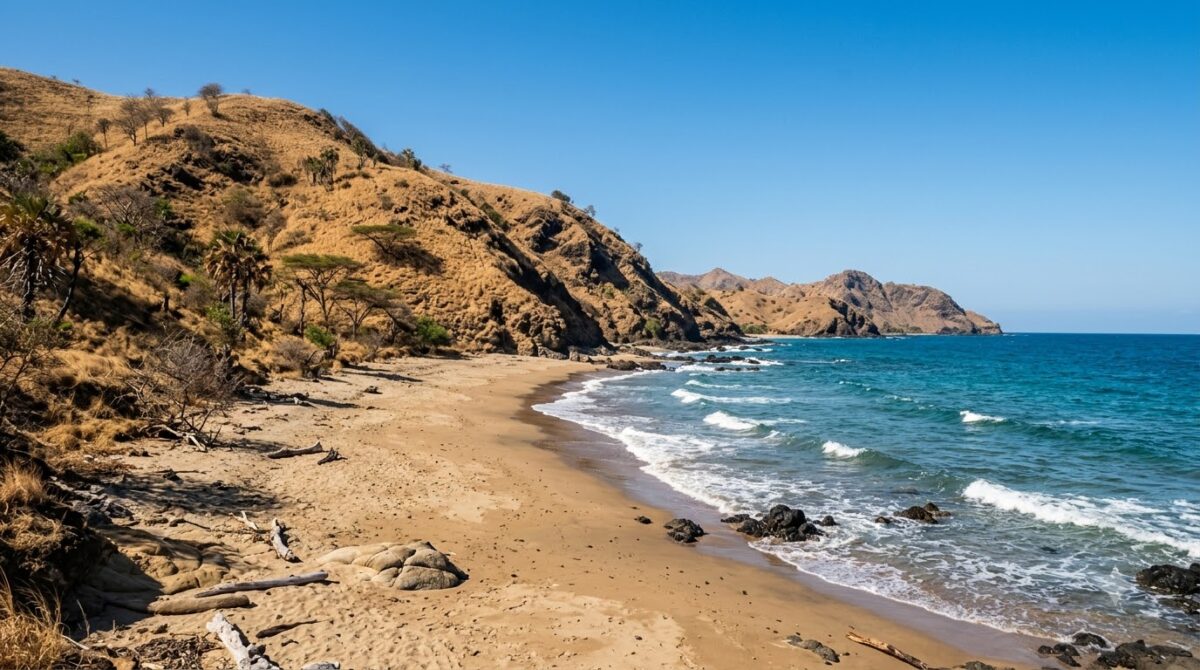
Visiting Costa Rica is not like visiting a country with four seasons. Costa Rica does not have summer and winter. It has a dry season and a wet season, and Costa Ricans call them verano and invierno even though they fall in the opposite months to the northern hemisphere equivalents.
| Dry season (high season) | Green season (low season) | |
|---|---|---|
| Months | December to April | May to November |
| Rain | Almost none on the Pacific side | Clear mornings, rain in the afternoon or evening |
| Prices | Highest of the year, up 30 to 50 percent | Lowest, with real discounts on lodges |
| Crowds | Heavy, especially Christmas and Easter | Light outside July and August |
| Landscape | Guanacaste turns brown and dusty | Everything intensely green, waterfalls at full flow |
| Booking | Three to six months ahead | Weeks ahead is usually fine |
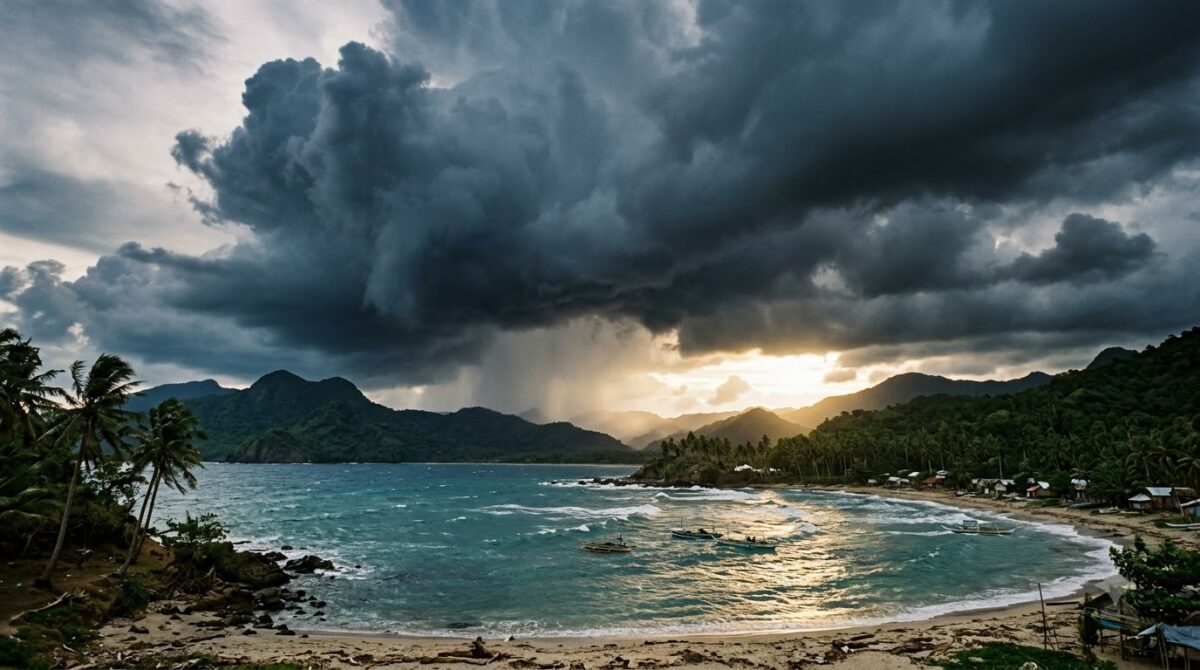
The thing nobody tells first-time visitors is what green season rain actually looks like. It is not the all-day grey drizzle of a northern European autumn. For most of May to November the morning is clear and bright, cloud builds through the middle of the day, and the rain arrives in the afternoon or evening as a heavy two-hour downpour. If you plan your activities for the morning, the wet season costs you very little.
September and October are the exception. Those are genuinely wet weeks along the Pacific coast, the heart of Costa Rica’s rainy season, with rain that can settle in for days and roads that occasionally wash out. Everywhere else, Costa Rica’s wet season is a half-day affair.
Visiting Costa Rica: the Caribbean coast runs on another calendar
This is the single most useful piece of Costa Rica travel information, and most travel plans ignore it. The weather along the Caribbean coast is close to the reverse of the Pacific side.
- September and October are the wettest weeks of the year on the Pacific coast and the driest and sunniest on the Caribbean side. If your dates fall then, go east.
- December and January are peak dry season on the Pacific and can be surprisingly wet along the Caribbean coast.
- The Caribbean sea stays warm and swimmable year round, and the short dry spell in February and March is a second good window.
- Rain on the Caribbean side is spread thinly across the whole year rather than concentrated, so there is no month you have to avoid outright.
The practical consequence: there is no bad month to visit Costa Rica, only a bad month to visit the wrong half of it. Anyone locked into September or October dates should build the trip around Puerto Viejo, Cahuita and Tortuguero rather than Guanacaste.
A month-by-month guide, December to April and beyond
| Month | Pacific weather | Crowds and prices | What is happening |
|---|---|---|---|
| January | Dry, sunny, breezy in the north | High, but calmer after 6 January | Best all-round weather. January and February are the driest months of the year |
| February | Driest month, strong winds in Guanacaste | High | Peak whale-free window but excellent for cloud forests and volcanoes |
| March | Hot and dry, Guanacaste is brown | High, spring break spike | Best surfing swell on the northern Pacific coast. Resplendent quetzal nesting begins in the highlands |
| April | Hot, first rains arrive late in the month | High until Easter, then drops sharply | Semana Santa closes the country for a week. After Easter, prices fall overnight |
| May | Afternoon rain begins, mornings clear | Low, good value | Everything turns green again. One of the best times to visit for value |
| June | Afternoon rain, often a dry spell late in the month | Low | Humpback whales arrive off the south Pacific. Turtle nesting starts at Tortuguero |
| July | The veranillo dry spell, then afternoon rain | Rises — North American summer holidays | July and August are green season months that feel like high season |
| August | Afternoon rain, humid | Moderate to high | Peak green sea turtle nesting in Tortuguero National Park. Whale watching at its best |
| September | Wettest month on the Pacific | Lowest of the year | Best month on the Caribbean coast. Deep discounts everywhere else |
| October | Wet, some lodges close | Lowest | Caribbean side sunny. Last of the humpback whales |
| November | Rain eases from mid-month, everything green | Low until late month | The insider month: dry-season weather without dry-season prices or crowds |
| December | Dry and clear | Moderate, then very high from 20 December | Christmas and New Year are the busiest and most expensive two weeks of the year |
The best months to travel in Costa Rica, by what you want
If you have flexible dates, work backwards from the reason you are going rather than from the weather.
| You want | Best months | Why |
|---|---|---|
| The absolute best weather | January and February | Driest months on the Pacific coast, clear skies almost every day |
| Fewer crowds and save money | May, June, November | Green season prices with mostly usable weather |
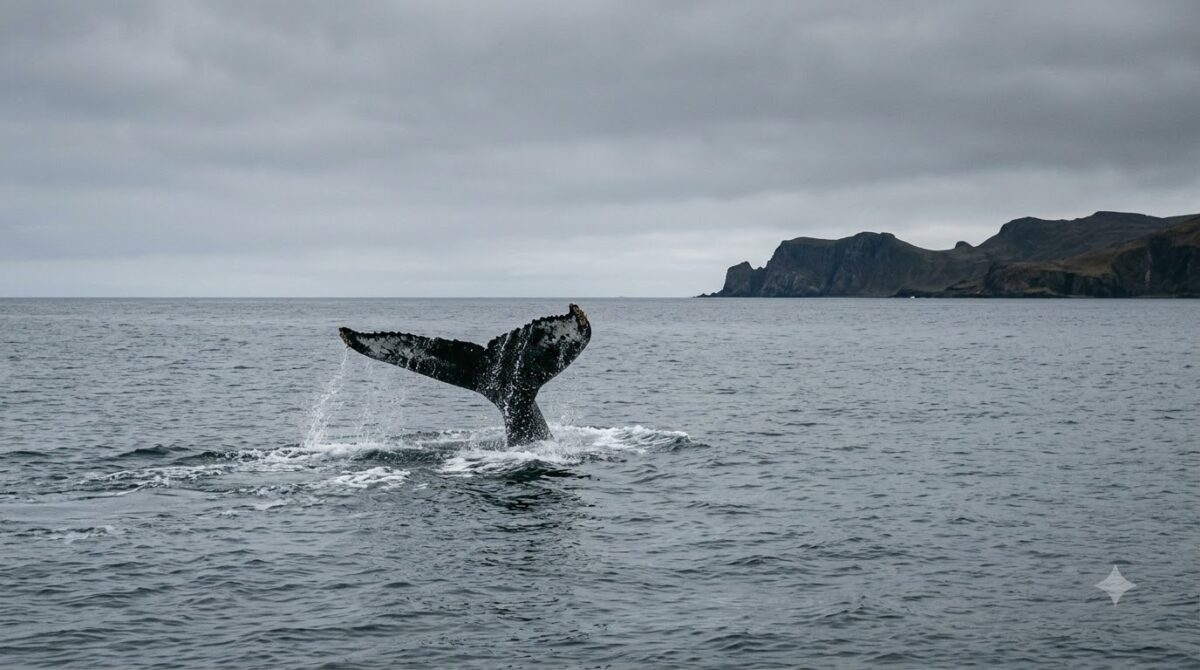
| Humpback whales | July to October, and December to March | Two separate populations migrate to the south Pacific coast around Uvita and Dominical |
| Turtles nesting in Tortuguero National Park | July to October | Green sea turtle season, and the Caribbean weather is at its best |
| Best surfing | May to November on the Pacific, December to March in the north | Green season brings the bigger, more consistent southern swell |
| Cloud forests and quetzals | February to May | Nesting season in Monteverde and the Talamanca highlands |
| Waterfalls at full flow | September to December | Months of rain feeding the rivers |
| Birdwatching | November to April | Northern migrants arrive on top of the resident species |
The veranillo: a dry spell most guides leave out
Somewhere between late June and the end of July, the rain usually stops for two or three weeks. Costa Ricans call it the veranillo de San Juan — the little summer. It is not guaranteed and it does not appear on rainfall charts, which average it away, but it is well known locally and it is the reason July often behaves like a dry-season month.
You cannot book around something this unreliable. What you can do is know that a July trip to Costa Rica is a better bet than the rainfall averages suggest, and that July and August are the two green season months where you should book accommodation in advance anyway because of the North American summer holidays.
Map shows live availability and prices. We may earn a commission on bookings made through it, at no extra cost to you.
Planning your trip around the calendar
Once you know roughly when you are going, a few decisions follow from the month rather than from the destination. This is the part of planning your trip that most people do in the wrong order — they book flights, then discover the lodge they wanted is shut.
- If you plan to visit between December and April, book accommodation three to six months out. This is the peak stretch and the good small hotels fill first.
- If you are travelling in May and November, you can book weeks rather than months ahead and still get the pick of places. These two shoulder months are the best value in the year to visit Costa Rica.
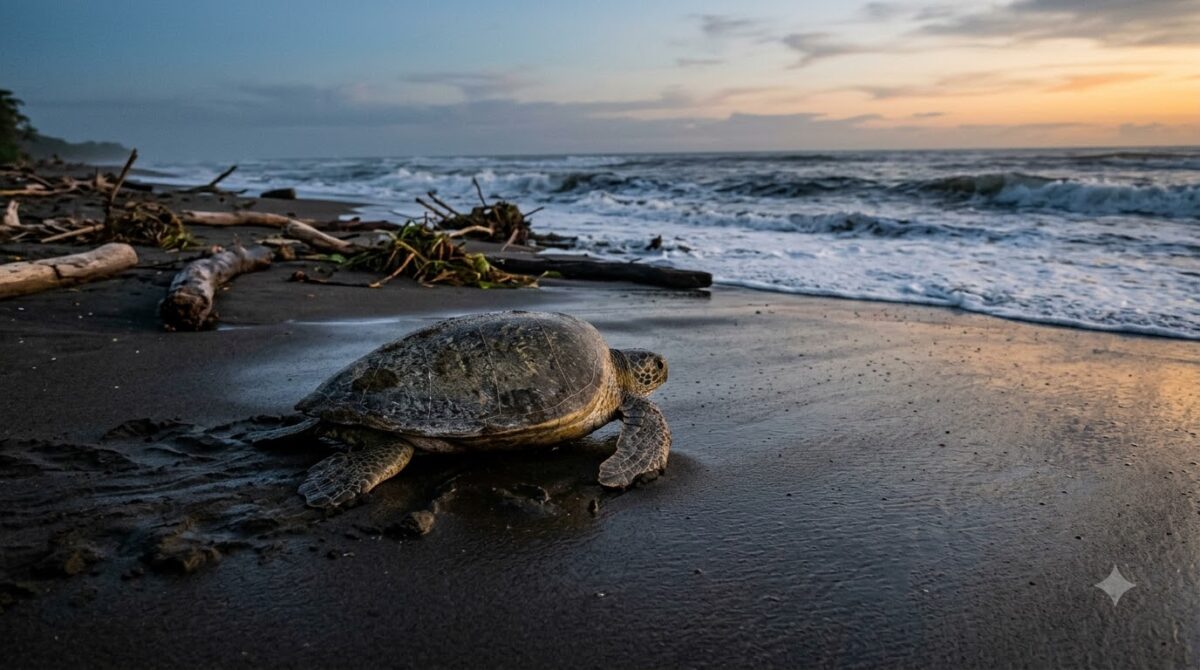
- If you want turtles in Tortuguero National Park, the trip has to be built around July to October, and the lodges there sell out early despite it being low season elsewhere.
- If you are going in the wet months, put the national parks and beaches in the first half of each day and leave the afternoons loose.
- If your travel plans include the Osa Peninsula, check operating dates carefully. It is the wettest region and several lodges close outright for part of the year.
Rainforest lodges deserve a note of their own. A trip to Costa Rica in the green season means the rainforest is doing what a rainforest does, which is the point — but it also means muddy trails, and a genuinely great time to visit for wildlife rather than for sunbathing.
Weeks to avoid: high season, spring break and Semana Santa
- Semana Santa (Holy Week). One of Costa Rica’s biggest fiestas, and the country effectively shuts from Thursday to Sunday. Banks and many businesses close, intercity buses sell out days ahead, and every Costa Rican family heads for the beach at once. Beach towns are packed and expensive, and inland towns are shut. Book everything well in advance or avoid the week entirely.
- 20 December to 3 January. The most expensive two weeks of the year, with minimum-stay requirements at most beach hotels and prices that can double.
- Mid-March spring break. A short but sharp spike in the Guanacaste beach towns.
- Late September to mid-October. Not a crowd problem — a weather one. Some Pacific lodges and tour operators close entirely for these weeks, so check before booking.
How the weather changes: Guanacaste, Pacific and Caribbean side
Costa Rica packs a dozen microclimates into an area the size of West Virginia. Altitude matters as much as the month.
- Northern Pacific coast and Guanacaste — the driest region in the country. Bone dry from December to April, to the point that the landscape turns brown. Reliably hot all year.
- Nicoya Peninsula and Guanacaste beaches — same pattern, with a slightly longer wet season the further south you go.
- Central Pacific and Manuel Antonio — wetter than the north in every month, greener year round.
- Osa Peninsula and the south Pacific — the wettest part of the country. Even the dry season has rain. This is the price of the best wildlife.
- Central Valley and San Jose — mild all year at 1,200 metres, rarely hot, rarely cold. The reason most Costa Ricans live here.
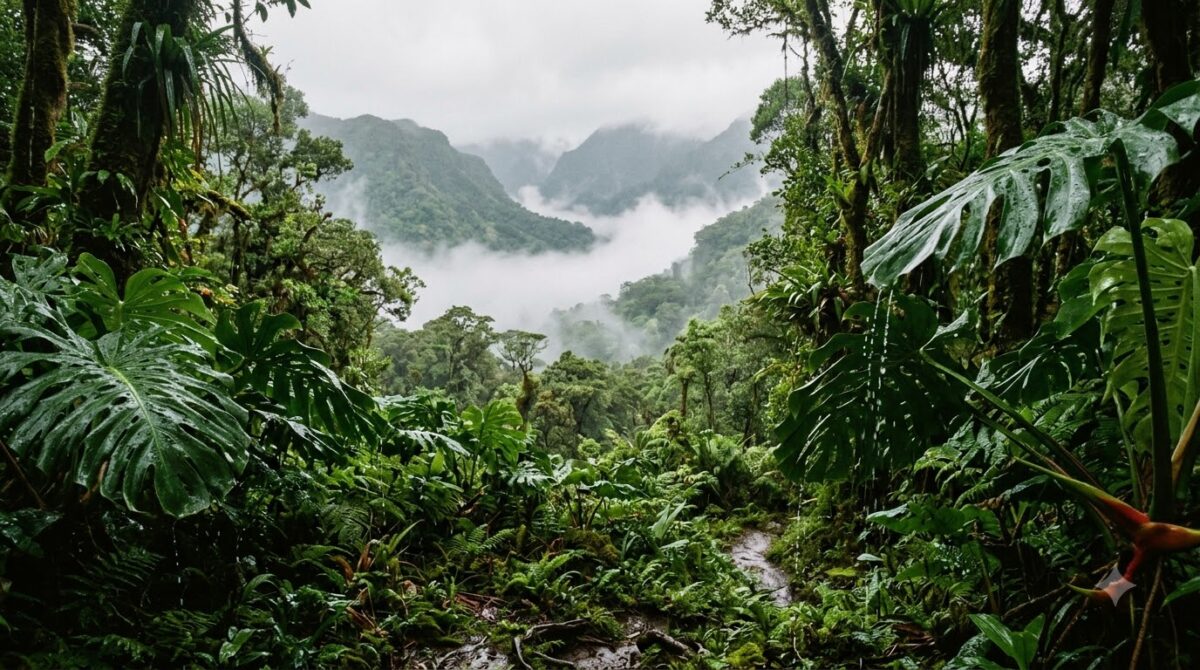
- Monteverde and the cloud forests — misty and cool in every month. Bring a fleece and expect the view to come and go.
- Costa Rica’s Caribbean coast — rain spread through the year, best in September and October, warm and humid always.
Travel tips for the rainy season, September and October
If you are travelling in the low season, a few small decisions make the difference between a wet trip and a cheap one.
- Do everything in the morning. Book tours for the first slot of the day. By two in the afternoon the weather has usually turned.
- Take the four-wheel drive. Unpaved roads to beaches and lodges become genuinely difficult after heavy rain, and river crossings rise fast.
- Do not plan tight connections. Landslides and washed-out bridges are a real feature of September and October.
- Pack a proper rain jacket, not an umbrella. The rain comes with wind and it comes sideways.
- Expect the wildlife to be better, not worse. Green season is breeding season for a lot of species, the forest is loud, and the crowds are gone.
- Check that your lodge is open. A handful of Pacific and Osa properties close for six weeks around September and October.
So when is the best time to go? A short Costa Rica travel summary
If this is your first trip and you want it to be easy, go in January or February and accept the prices. If you want the best value in the year, go in May or November — May and November are the two months when the rain has eased, everything is still green from six months of it, and the high season crowds have not arrived. If your dates are fixed in September or October, do not cancel — build the trip around the Caribbean coast instead.
Whichever month you pick, pair the coast with at least one inland stop. Our guides to things to do in Costa Rica and the beaches on both coasts cover what to build the days around once the dates are settled.
Packing for the green season is a different job — see our Costa Rica packing list.
Check hotels across Costa Rica →
Frequently asked questions
What is the best month to visit Costa Rica?
February for weather, because it is the driest month of the year on the Pacific coast. November for value, because the rain has eased but the high season prices and crowds have not arrived yet. Both are better bets than the Christmas and Easter peaks.
What months should you avoid in Costa Rica?
September and October on the Pacific coast, which are the wettest weeks of the year and when some lodges close. Those same two months are the best of the year on the Caribbean coast, so it is a matter of changing the destination rather than the dates.
Is the rainy season a bad time to visit Costa Rica?
No, with one exception. From May to August the mornings are usually clear and the rain arrives in the afternoon, so a trip planned around morning activities loses very little. Prices are 30 to 50 percent lower and the country is green. September and October are the genuinely difficult months.
What is the driest time of year in Costa Rica?
January to March on the Pacific coast, with February usually the driest month. Guanacaste and the northern Pacific coast are the driest region and can go weeks without rain.
When is the best time to see wildlife in Costa Rica?
It depends on the animal. Humpback whales pass the south Pacific from July to October and again December to March. Green sea turtles nest in Tortuguero National Park from July to October. Resplendent quetzals nest in the cloud forests from February to May. Northern migrant birds arrive November to April.
When is the cheapest time to go to Costa Rica?
September and October, by a wide margin, followed by May and June. Discounts of 30 to 50 percent on accommodation are normal in the low season, and flights follow the same pattern.
How many days do you need in Costa Rica?
Ten days covers the three classic regions comfortably. Seven means choosing two of them. In the green season allow more buffer than you think you need, because road conditions are less predictable.
Seasonal patterns, holiday dates and wildlife calendars read 15 August 2026. Weather is an average, not a promise.