
Nosara has a reputation problem in both directions. To some people it is the best beach town in Costa Rica — forgiving surf, dense jungle right up to the sand, and a rule that keeps buildings back from the beach. To others it is an expensive expat bubble at the end of a road that will rattle your teeth out.
Some links below are affiliate links. We may earn a commission if you book through them, at no extra cost to you. We do not rank hotels, and any prices on the map come live from the booking sites.
Quick answer: where to stay in Nosara. Stay within walking distance of the Playa Guiones beach path; the alternative is driving to the sand every day. Five to ten minutes inland is the best value, and Playa Pelada is quieter. Book well ahead for December to April.
Both are true. This guide to Nosara Costa Rica covers what is actually here, how to get to Nosara without ruining the first day, and who the place suits — because it does not suit everyone, and the people who love Nosara and the people who leave disappointed are usually looking for different things.
Costs and road conditions were read on 15 August 2026.
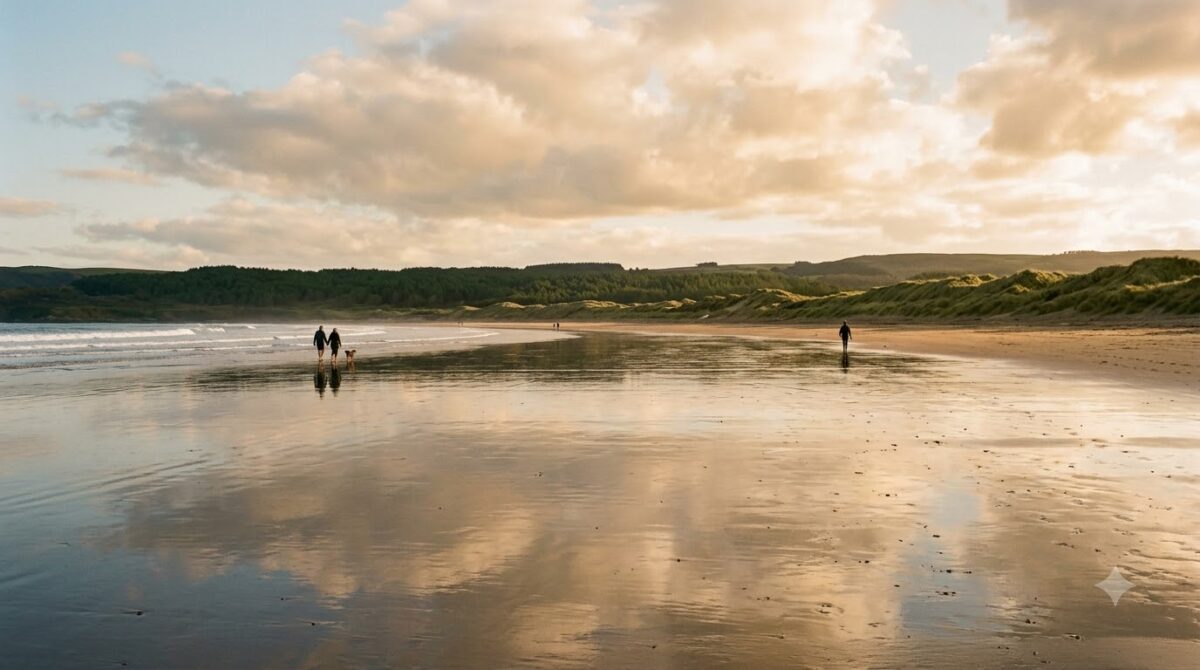
Where is Nosara located, and what is it exactly?
Nosara is located in Guanacaste province on the western side of the Nicoya Peninsula, roughly 2.5 hours south of Liberia by road and about five hours from San Jose. It faces the Pacific Ocean and sits at the top of a stretch of coast that stays green all year because a large area behind the beach is protected wildlife refuge.
Here is the thing that confuses almost every first visit: Nosara is not one town. The name covers several separate places several kilometres apart, and booking in the wrong one is the single most common planning mistake.
| Place | What it is | Who should stay here |
|---|---|---|
| Playa Guiones | The main beach and the centre of gravity for visitors. Restaurants, surf schools, yoga studios and most accommodation, all set back in the trees rather than on the sand | Almost everyone. This is what people mean when they say Nosara |
| Playa Pelada | A smaller rocky-ended cove ten minutes north, quieter, with tide pools and a couple of long-standing beach restaurants | People who want quiet and do not need to be near the surf school |
| The town of Nosara (Bocas de Nosara) | The actual Costa Rican town, five kilometres inland. A football pitch, a bank, a supermarket, a bus stop. Not a beach town at all | Nobody on holiday, but worth a visit for a look at authentic Costa Rican life |
| Playa Garza | A fishing village and sheltered bay a further ten minutes south. Calm water, boats, very little tourism | Day trip, or people who genuinely want nothing |
| Ostional | A village and wildlife refuge north of Nosara, famous for mass turtle nesting | Day trip, timed to the arribada |
If a listing says “Nosara” without saying which of these it means, ask. The difference between a place steps from Playa Guiones and one in Nosara town is a car journey, not a walk.
A guide to Nosara: planning your trip and whether to rent a car
Most people who have traveled to Nosara and come away disappointed made the same two mistakes: they underestimated the journey and they booked accommodation in the wrong part of the Nosara area. Both are avoidable if you decide these things before booking anything.
- Decide which beach you want to be closer to before you book. Guiones for surf and restaurants, Pelada for quiet. Everything else follows from this.
- Give the arrival day to travel and nothing else. However you are coming to Nosara, it will take longer than the map suggests.
- Work out how you will get around. Rental car, golf cart, bicycle or nothing. Walking between the Guiones and Pelada areas is possible but hot.
- Book the surf or yoga you came for in advance in high season, and not at all in low season.
- Bring cash. Card acceptance is good in Guiones and patchy elsewhere, and the ATMs run out at weekends.
- Do not plan day trips to other destinations in Costa Rica from here. Nothing is close. The nearest worthwhile areas of Costa Rica are Samara at ninety minutes and Santa Teresa at three to four hours.
Time in Nosara works best when it is unstructured. People who arrive with a list tend to find there is not much on it; people who arrive planning to surf every morning and read every afternoon tend to extend their stay.
Getting to Nosara: Liberia to Nosara, shuttle or drive
The journey to Nosara is a real part of the decision, not an afterthought. This is not a place you reach by accident.
- Fly into Liberia (LIR). The drive to Nosara takes around 2.5 hours and it is the sensible option. Liberia to Nosara is the shortest route from any international arrival, and Liberia airport is much closer to Nosara than San Jose airport is.
- From San Jose airport (SJO) it is five to six hours by road. Doable, but it eats a day at each end.
- Domestic flights land at the small Nosara airport (NOB) from San Jose, taking about 45 minutes and costing roughly US$100 to US$160 one way. Sansa is the main operator.
- A shuttle to Nosara runs from Liberia, San Jose, Tamarindo, Santa Teresa and La Fortuna at around US$55 to US$85 per person. This is the easiest way to get around if you do not want to drive.
- Public bus from San Jose takes six hours and runs once or twice daily. Cheap and slow.
The roads, honestly
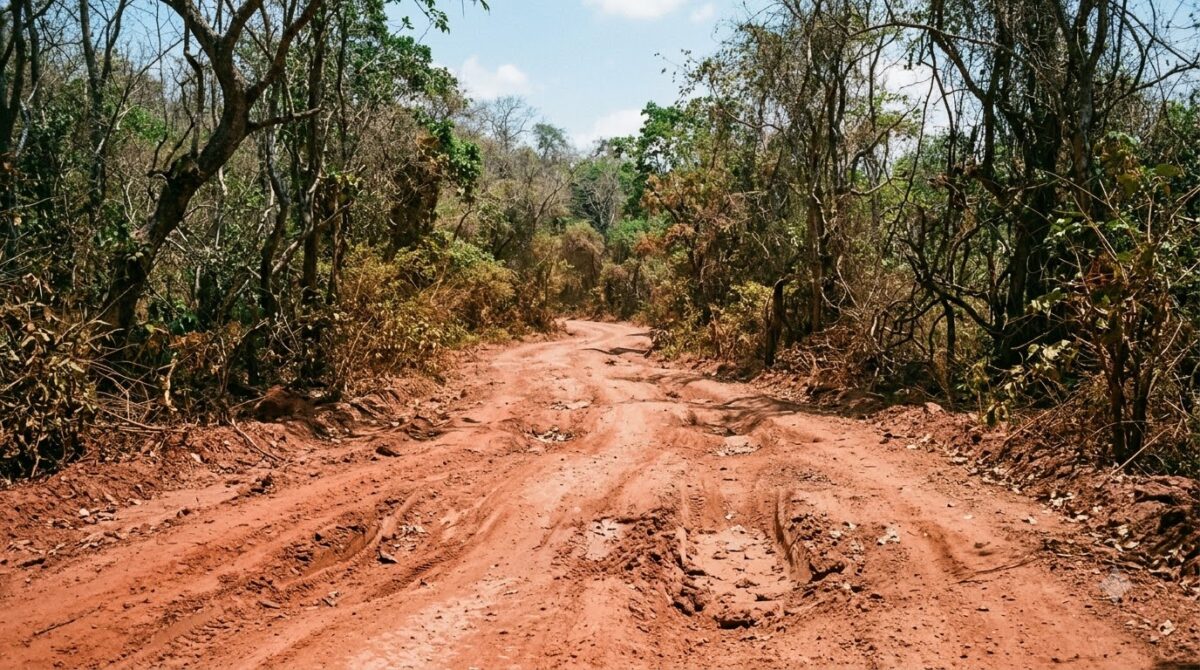
Road conditions in Costa Rica are a recurring theme and Nosara is one of the places where they matter most. The paved highway ends well before you arrive, and the last stretch is dirt, corrugated, dusty in the dry season and rutted in the wet.
- Rent a car with four-wheel drive. Not because you will be off-roading, but because ground clearance is the difference between arriving and arriving damaged. Two-wheel-drive rentals are routinely refused on this route by their own insurance terms.
- There are river crossings on some approaches. In the rainy season they can rise fast and become impassable for a few hours.
- Do not drive it in the dark the first time. There is no lighting and the potholes are invisible.
- Budget the mandatory insurance at US$30 to US$45 a day on top of the advertised rental rate. This applies everywhere in Costa Rica and catches everyone out.
- Once you are here, a golf cart or an ATV is the normal way to get around, and plenty of visitors do the whole stay without a car.
The beaches: Playa Guiones, Pelada and Ostional
Playa Guiones
The main beach in Nosara is about seven kilometres of flat, open sand with a consistent, forgiving beach break. It is one of the best places in Costa Rica to learn to surf, because the waves are rarely intimidating and the sand bottom is unpunishing.
The unusual thing about Playa Guiones is what is not on it. Building is restricted within 200 metres of the high tide line, an arrangement the Nosara Civic Association fought for decades ago, so there is no hotel strip, no beach bars and no loungers. You walk through forest to reach the sand. It is the single biggest reason the place feels different from Tamarindo.
Practically: low tide roughly doubles the width of the beach, sunsets draw everyone out, and the northern end of Playa Guiones is noticeably quieter than the centre.
Playa Pelada
Ten minutes north, Playa Pelada is smaller, rockier and prettier in a different way, with tide pools at the northern end and a blowhole that works on a big swell. There are a couple of restaurants right on the beach here, which Guiones does not have. Swimming is better than at Guiones on a calm day.
Playa Ostional and the arribada
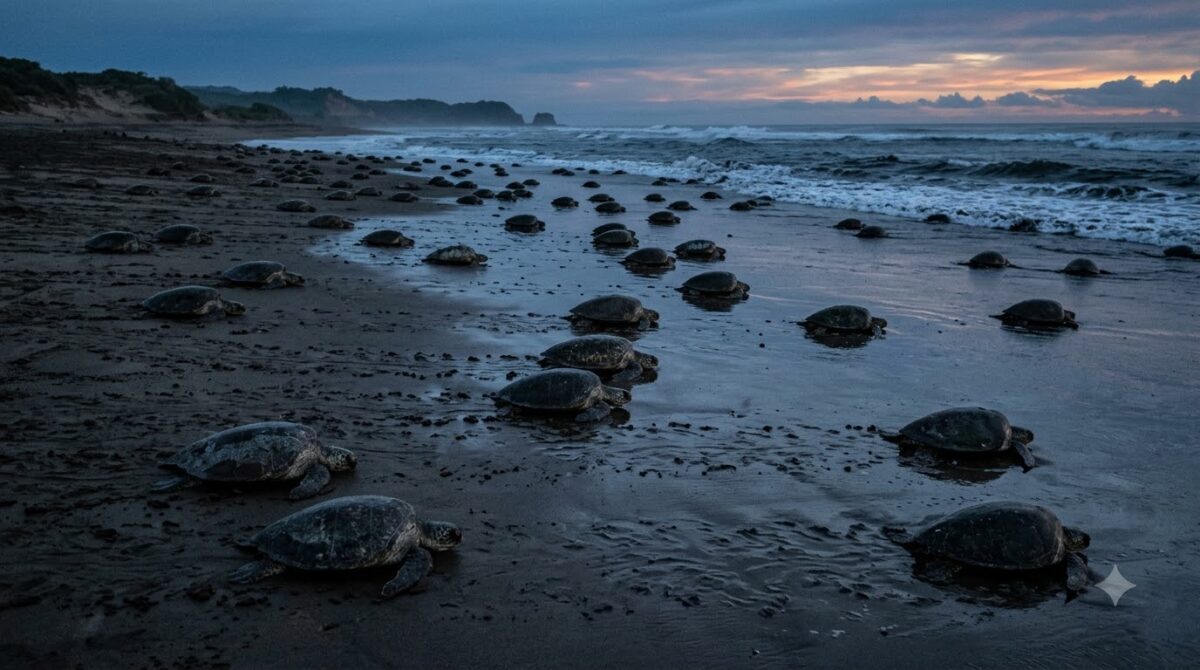
Playa Ostional, half an hour north, is one of a handful of beaches in the world where olive ridley turtles arrive to lay their eggs in a mass nesting event called an arribada. Tens of thousands of turtles can come ashore over three or four nights.
- Arribadas happen most months but are largest from July to December, usually in the last quarter of the moon.
- You must go with a certified local guide — it is a protected refuge and entry is controlled. Expect around US$12 to US$20 per person.
- Timing cannot be booked in advance with certainty. Ask locally once you arrive.
- The river crossing to Ostional can be impassable in the rainy season.
Things to do: surf school, yoga and howler monkeys
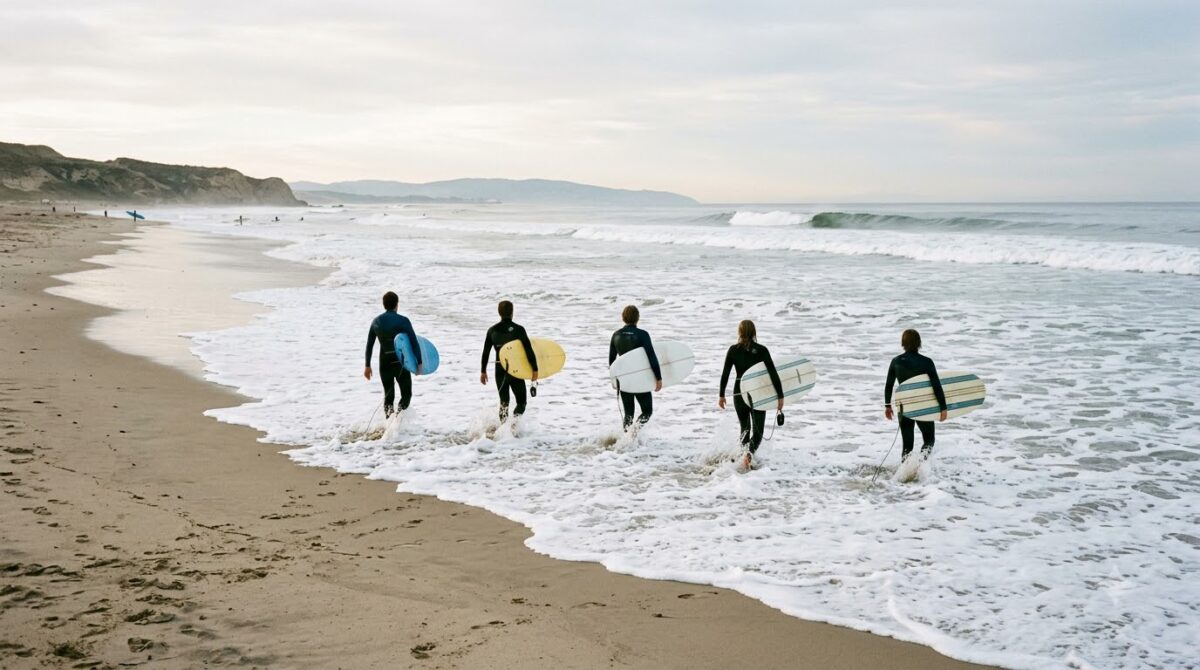
- Learn to surf. There are more surf schools per head here than almost anywhere in the country, including some with international reputations. Group lessons run around US$50 to US$70, private US$80 to US$120.
- Yoga. Nosara is one of the recognised yoga destinations in Central America. Drop-in classes are roughly US$18 to US$25, and there are multiple teacher-training schools including the long-established Bodhi Tree.
- Walk to the Nosara Biological Reserve at the river mouth, where howler monkeys are more or less guaranteed and the birdlife is excellent early in the morning.
- Sunset at Playa Pelada. A local ritual rather than an activity.
- Horse riding on the beach, which here is genuinely common rather than a tourist gimmick.
- Day trip south of Nosara to Playa Garza and Playa Samara, or north of Nosara to Ostional and Nosara beach itself — Playa Nosara, at the river mouth in the Norte Nosara direction, is wilder and largely empty.
- Do nothing. This is what most repeat visitors are actually here for.
The best places to stay in Nosara
There are almost no large resorts. Accommodation is mostly boutique hotels, small lodges and rental houses scattered through the forest behind Playa Guiones. The best places to stay are the ones within walking distance of the beach path, because the alternative is driving to the sand every day.
| Area | Typical nightly rate | Trade-off |
|---|---|---|
| Steps from Playa Guiones | US$200–450 | Boutique hotels, the Olas Verdes hotel among the best known. You pay for the walk |
| Guiones, five to ten minutes inland | US$90–200 | Best value. A bike or golf cart makes it painless |
| Playa Pelada | US$120–300 | Quieter, fewer restaurants, beachfront options exist here |
| Nosara town | US$40–80 | Cheapest by far, but you are not at the beach |
| Surf and yoga camps | US$900–2,500 per week | All-in packages including lessons, food and accommodation |
Book well ahead for December to April. In the rainy season, particularly September and October, you can turn up and negotiate.
Map shows live availability and prices. We may earn a commission on bookings made through it, at no extra cost to you.
The best places to eat in Nosara
Restaurants in Nosara skew healthy, international and expensive — smoothie bowls, poke, wood-fired pizza, a lot of gluten-free labelling. This is one of the fairest criticisms of the place: it is not where you come for authentic Costa Rican food.
- For local food and local prices, eat at the sodas in Nosara town or the small ones on the road between Guiones and Pelada. A casado costs around 4,000 colones here, roughly US$7.50.
- Places to eat around Guiones cluster along the main road and the Guiones side streets. Expect US$15 to US$30 a head.
- Beachfront dining exists only at Playa Pelada, because of the building restriction at Guiones.
- Live music happens most nights somewhere, but this is not a nightlife town. Things close early.
- There is a proper grocery store now, which long-time visitors talk about as a landmark event. Self-catering is realistic.
Nosara and the Nicoya Blue Zone
The Nicoya Peninsula is one of the world’s five recognised Blue Zones, regions where people live measurably longer than average. That fact is used heavily in local marketing, and it is worth being precise about it: the longevity research concerns rural inland Nicoyan communities and their diet, water, family structure and physical work — not beach towns full of visitors.
It is still a genuine and interesting thing about the region. It is just not something you buy at a smoothie bar.
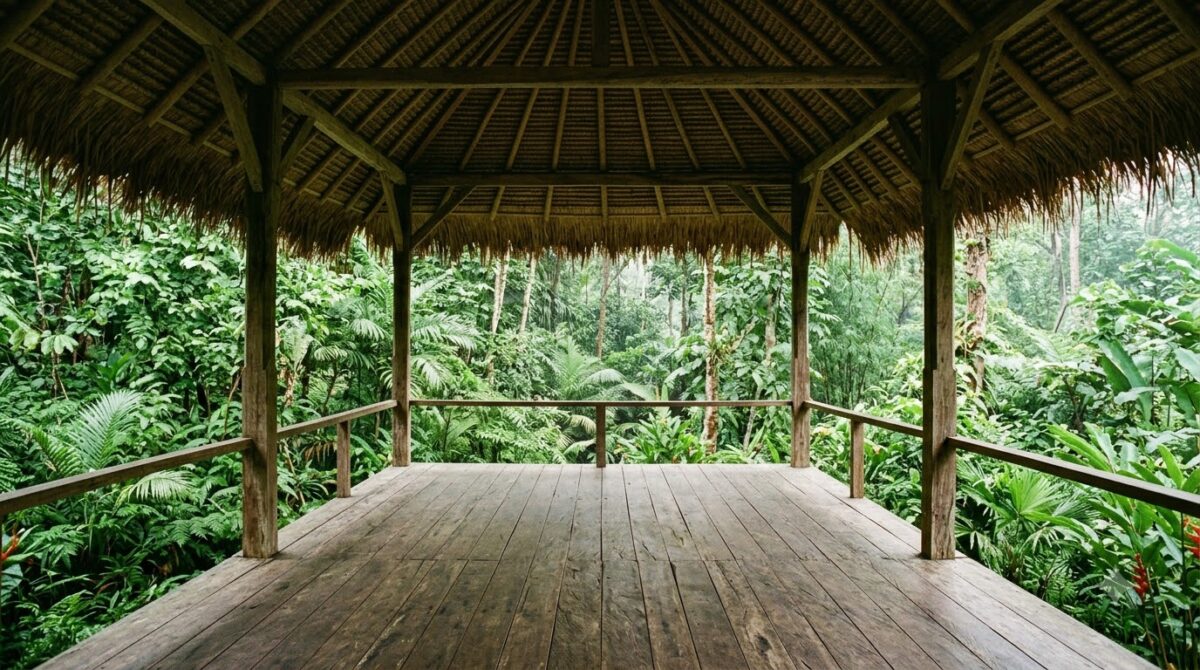
Best time to visit Nosara
- December to April — dry season, reliable sun, busiest and most expensive. The roads are at their dustiest.
- May to July — clear mornings, afternoon rain, everything green, far fewer people. The best balance.
- August to October — the wettest stretch, the biggest surf, the arribadas at Ostional, and the lowest prices of the year. Some businesses close in late September and October.
- November — the rain eases, everything is still green and high season has not started. The insider month.
The surf works year round. The rainy season brings a bigger, more consistent southern swell, which suits improvers, while the dry season is generally gentler and better for a first lesson.
So what is the big deal with Nosara?
The honest version: of all the destinations in Costa Rica, Nosara is one of the few beach towns that decided decades ago not to build on its beach, and that decision is why it still feels like a forest with a coastline attached rather than a strip with a view. If you want a wide forgiving surf beach, morning yoga, howler monkeys overhead and nothing much happening after nine at night, few places do it better.
The other side is real too. It is expensive by Costa Rican standards, heavily foreign, and prices have risen fast enough that locals have been pushed inland — a live and uncomfortable issue in the community. The food is international rather than Costa Rican. The roads are genuinely bad. And if you want bars, crowds and things to do at night, you will be bored in three days.
Comparing it with the alternatives: Nosara and Santa Teresa are the two towns most often weighed against each other. Santa Teresa is younger, louder, better for nightlife and food, and has a stronger surf scene. Nosara is calmer, greener, better for families and beginners, and quieter after dark. Tamarindo is easier to reach and far more developed than either.
If the comparison is what you are here for, we have a full guide to Santa Teresa as well.
How many days in the Nosara area?
Discover Nosara properly and three nights is the minimum, because the journey costs the better part of a day at each end. Five to seven is the sweet spot if surfing or yoga is the point of the trip. On a first trip to Costa Rica of ten days or more, three nights here pairs well with La Fortuna and Monteverde inland.
For the wider picture, see our guides to beaches on both coasts, when to visit Costa Rica and things to do around the country.
Prefer a calm bay and a walkable town? Compare it with Samara, an hour south.
Frequently asked questions
Where is Nosara located in Costa Rica?
Nosara is located in Guanacaste province on the Pacific side of the Nicoya Peninsula, about 2.5 hours by road south of Liberia and five to six hours from San Jose.
How do you get to Nosara?
Fly into Liberia and drive 2.5 hours, take a shared shuttle for US$55 to US$85, or take a 45-minute domestic flight from San Jose to the Nosara airstrip for around US$100 to US$160. A four-wheel drive is strongly recommended if you are driving.
Do you need a 4×4 in Nosara?
Yes in practice. The last stretch of road is unpaved and rough, there are river crossings on some approaches, and many rental companies will not cover a two-wheel-drive car on this route.
Is Nosara good for beginner surfers?
Very. Playa Guiones is a long sand-bottom beach break with forgiving waves and a large number of surf schools. It is one of the best beginner surf beaches in Costa Rica.
Is Nosara expensive?
Yes by Costa Rican standards. Accommodation near Playa Guiones runs US$200 to US$450 a night, meals US$15 to US$30 a head, and yoga classes US$18 to US$25. Eating at sodas in Nosara town and staying inland cuts costs substantially.
What is the difference between Nosara and Santa Teresa?
Santa Teresa is younger, louder, better for food and nightlife and has a stronger surf culture. Nosara is quieter, greener, better for families and beginners, and closes early. Both have bad roads.
When can you see the turtles at Ostional?
Mass arribadas occur most months but are largest from July to December, usually in the last quarter of the moon. You must go with a certified local guide, costing roughly US$12 to US$20, and timing cannot be booked reliably in advance.
Prices, transport options and road conditions read 15 August 2026. Costs in a place changing this fast go out of date quickly — confirm before booking.