
Tamarindo is the most developed beach town in Costa Rica and the easiest one to reach, and those two facts explain almost everything people love and hate about it. One of Costa Rica’s easiest arrivals, it is 75 minutes from Liberia international airport, English is widely spoken, there is a surf school on every corner and somewhere serving a decent flat white by seven in the morning.
Some links below are affiliate links. We may earn a commission if you book through them, at no extra cost to you. We do not rank hotels, and any prices on the map come live from the booking sites.
Quick answer: where to stay in Tamarindo. Stay on the beach in town if you want to walk to everything. The hotels in the hills behind town are usually better value and quieter, at the cost of a ten-minute walk or a short drive. For December to April, book several months ahead.
It is also the town Costa Ricans nicknamed Tamagringo, and if you came looking for a small fishing village you will not find one. This travel guide covers what Tamarindo actually offers, how to get there, which beaches in the area are worth the walk, and who this town suits — because it genuinely suits some travel styles and genuinely does not suit others.
Prices and details were read on 16 August 2026.
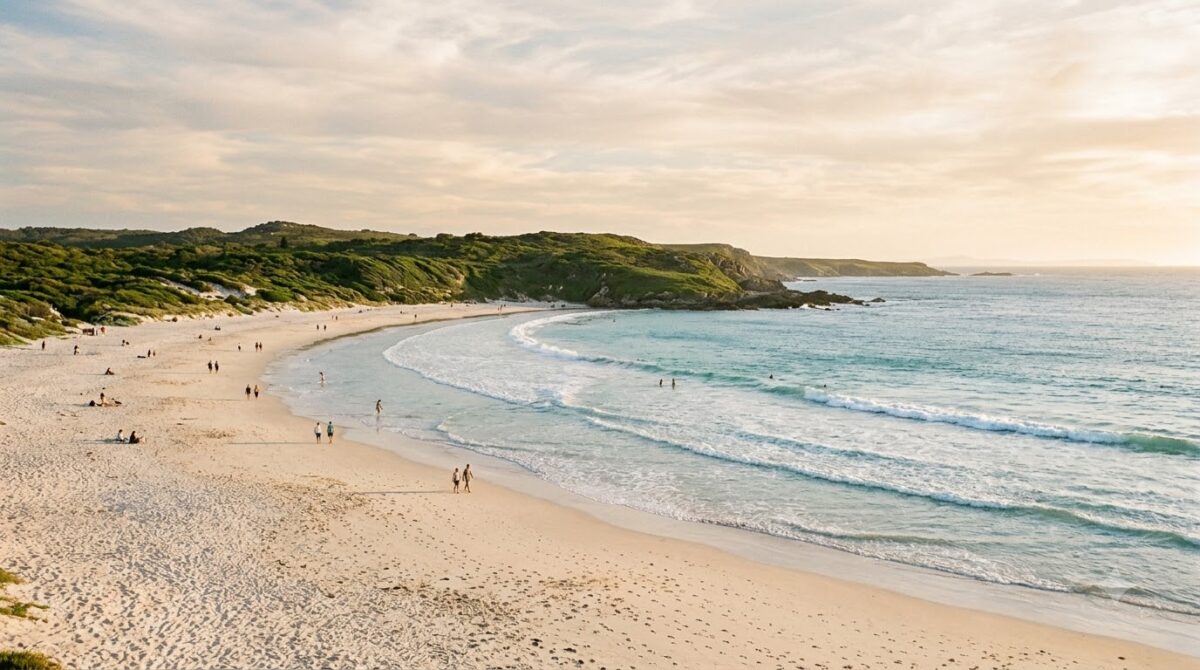
Where the town of Tamarindo is, and what this beach town is like
Tamarindo is a beach town in Guanacaste, sitting along the northern Pacific coast of the province, near the top of the Nicoya Peninsula. It was a small fishing village until surfers found the break in the 1970s, and the 1994 surf film Endless Summer II put it on the map for good. Everything since has been building.
Today the town of Tamarindo is a single main road curving along the beach, packed with restaurants, surf shops, tour desks, hostels and hotels. It is busy, it is loud in parts, and it is by some distance the most convenient beach destination in Costa Rica.
The honest framing: Tamarindo has become a resort town, and pretending otherwise wastes your time. What it gives you in return is real — you can land at Liberia airport, be on the beach by lunchtime, book any tour in the country from a desk on the main road, and eat something different every night. If your trip is short or it is your first time in Costa Rica, that convenience is worth a great deal.
What Tamarindo offers, and what it does not
Tamarindo is a popular beach destination in Costa Rica for concrete reasons, and it is worth separating those from the marketing before you decide.
| What Tamarindo offers | What Tamarindo isn’t |
|---|---|
| The shortest airport transfer of any beach town in the country | A quiet fishing village. It stopped being one decades ago |
| A beautiful beach that is genuinely safe to learn to surf on | An uncrowded wave, especially at midday |
| Every tour in Guanacaste bookable from one street | A place to find authentic Costa Rican village life on the main road |
| The widest food choice of any beach town, vegan included | Cheap. Strip prices are two to three times soda prices |
| English spoken almost everywhere | An immersive Spanish-language experience |
| A central location for exploring the whole region | Somewhere you go to get away from other travellers |
Tamarindo is a busy town and it has one thing no other Costa Rican beach town has: you can visit it on a short trip without losing two days to the road. That is the whole argument, and for a lot of people it is a good one.
Besides Tamarindo itself, the Tamarindo area gives you Playa Grande, Playa Langosta, Playa Avellanas and Playa Conchal all within a short drive, which makes it easy to explore Tamarindo and its beaches without changing accommodation.
How to get to Tamarindo
- Liberia (LIR) is the closest international airport to Tamarindo, about 75 minutes away, or up to two hours depending on traffic. The international airport in Liberia is the reason a trip to Tamarindo is so much easier than to anywhere else on this coast.
- San José (SJO) is four to five hours by road. Only worth it if your flights force it.
- Shuttles from Liberia cost around US$25 to US$45 per person shared, or US$110 to US$150 private. From San José, roughly US$55 to US$85 shared.
- Rental car is straightforward here — the road is paved the whole way and no four-wheel drive is needed, unlike most of the Nicoya Peninsula. Budget the mandatory insurance at US$30 to US$45 a day on top of the advertised rate.
- The airstrip in Tamarindo takes domestic flights from San José, roughly 50 minutes and US$100 to US$160 one way.
- Public bus from San José takes five to six hours via Villareal, the small town just inland where the local buses actually terminate.
Tamarindo and its beaches: Playa Langosta and Playa Grande
Three beaches sit within walking or short-driving distance, and they are noticeably different from each other.
| Beach | Where | What it is for |
|---|---|---|
| Tamarindo beach | The town itself | A long protected crescent with soft, forgiving waves. The main surf beach and where every lesson happens |
| Playa Langosta | South of Tamarindo, 15 min walk | Quieter, rockier, with tide pools. A stronger wave at the southern end of the beach and far fewer people |
| Playa Grande | North of Tamarindo, across the estuary | Long, wild and almost undeveloped, inside Las Baulas National Marine Park. Better surf, no facilities |
⚠ Do not wade across the estuary
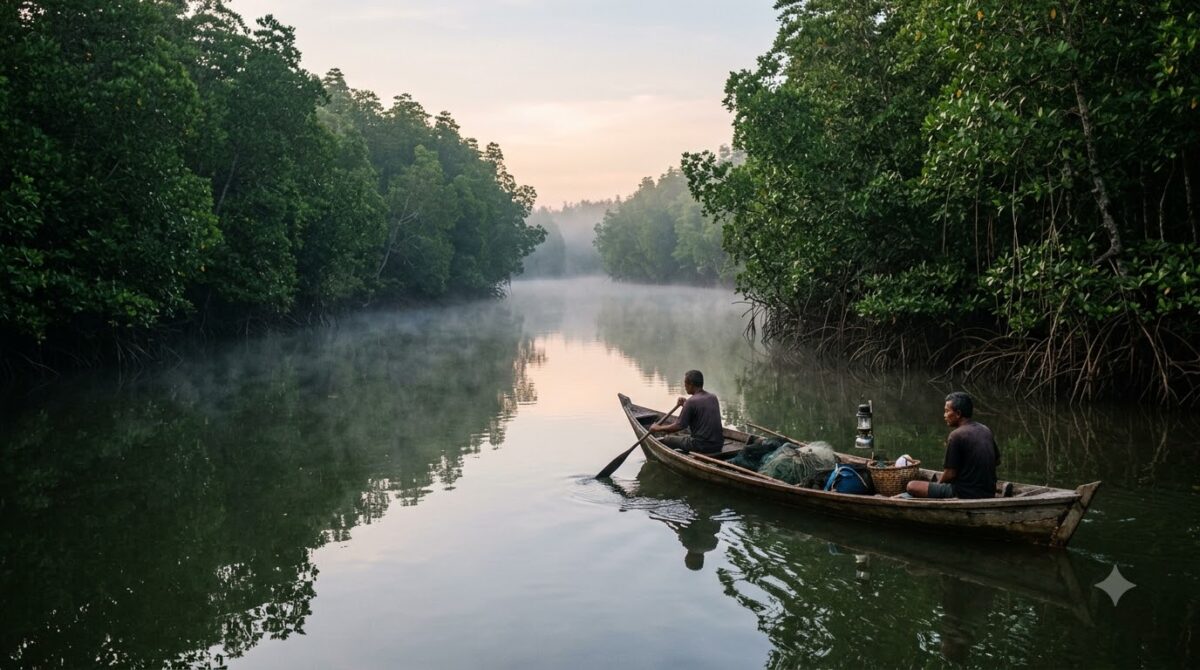
Playa Grande looks like a short walk north along the sand. It is not. The Tamarindo estuary sits between the two beaches and American crocodiles live in it. People have been attacked.
A small boat taxi crosses for a couple of dollars and runs through the day. Take it. The alternative by road is a 40-minute drive around through Villareal and Matapalo.
Surfing: Tamarindo beach and Playa Grande
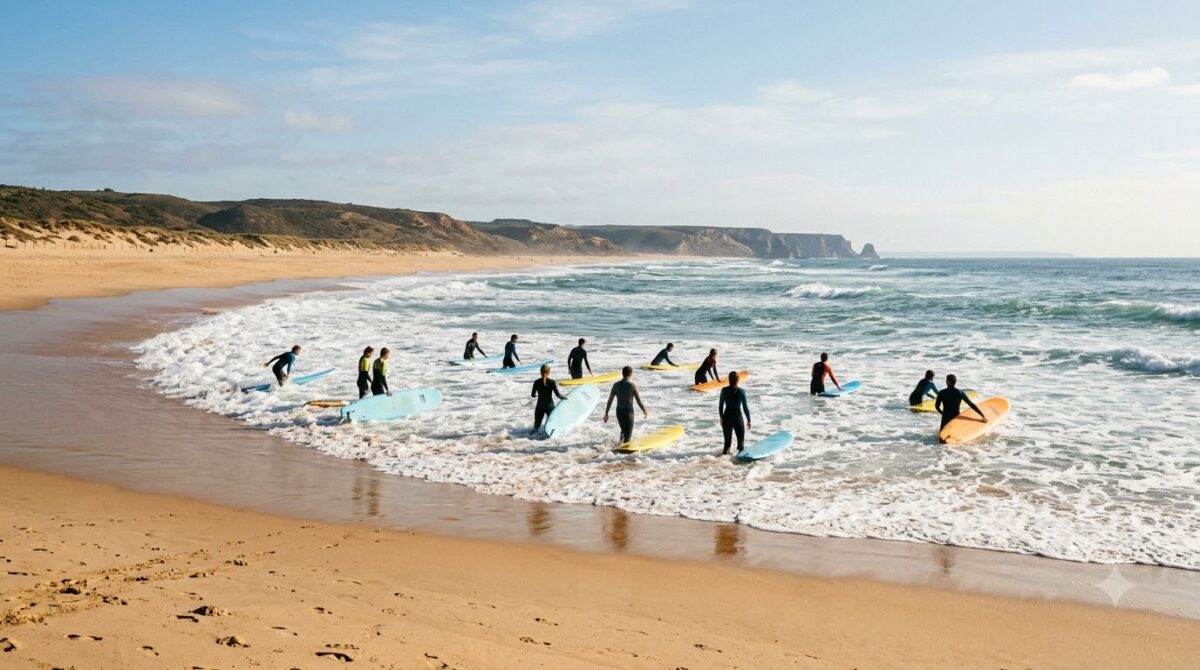
Tamarindo is one of the best places in Costa Rica to learn to surf, and that is not marketing. The bay faces slightly away from the dominant swell, so the waves arrive smaller and softer than at exposed beaches like Santa Teresa. The bottom is sand. The whitewater section is wide and long.
- Group lessons run US$45 to US$65 for two hours, board included. There are dozens of schools and quality varies more than price does.
- Board rental is US$15 to US$25 a day.
- Improvers should cross to Playa Grande, which is a proper beach break, or drive 20 minutes to Playa Avellanas.
- Best swell is the green season, May to November. December to April is smaller and cleaner.
- The catch: the main peak gets genuinely crowded, and the mix of beginners and boards makes it hectic at peak times. Go early.
Things to do in Tamarindo besides surfing
- A catamaran sunset cruise — the single most-booked thing in town. Three to four hours with snorkelling, food and open bar, around US$85 to US$110. Genuinely good, and the sunsets here are worth the money.
- Las Baulas National Marine Park turtle tour — night tours to watch leatherback sea turtles nest at Playa Grande, roughly October to February. Around US$30 with a mandatory guide.
- Kayak or boat the estuary at dawn through the mangroves, where howler monkeys, herons and crocodiles are all reliable. About US$45 to US$60.
- Snorkel trips to the Catalina Islands, where manta rays pass through December to April. Diving is better than snorkelling here.
- Sport fishing — Tamarindo is a serious recreational fishing base. Half-day charters from around US$500 for the boat.
- Day trips to Rincón de la Vieja for volcanic mud pools and waterfalls, about 90 minutes each way.
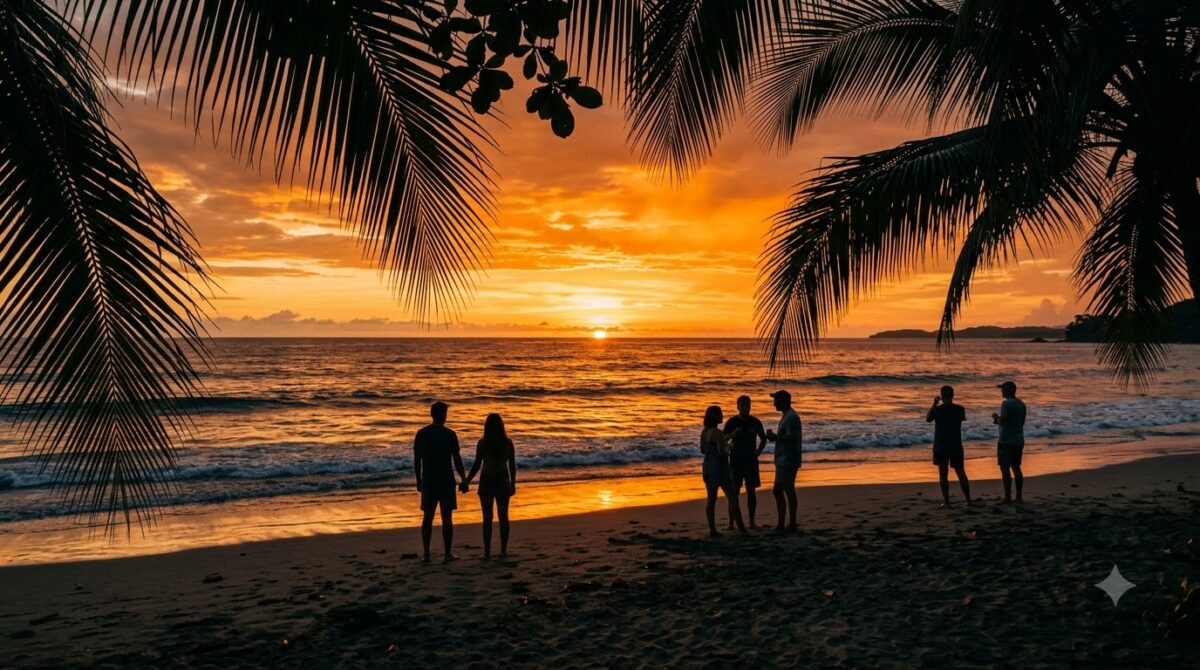
- Sunset on the beach, which costs nothing and is what most people remember.
The turtles, honestly
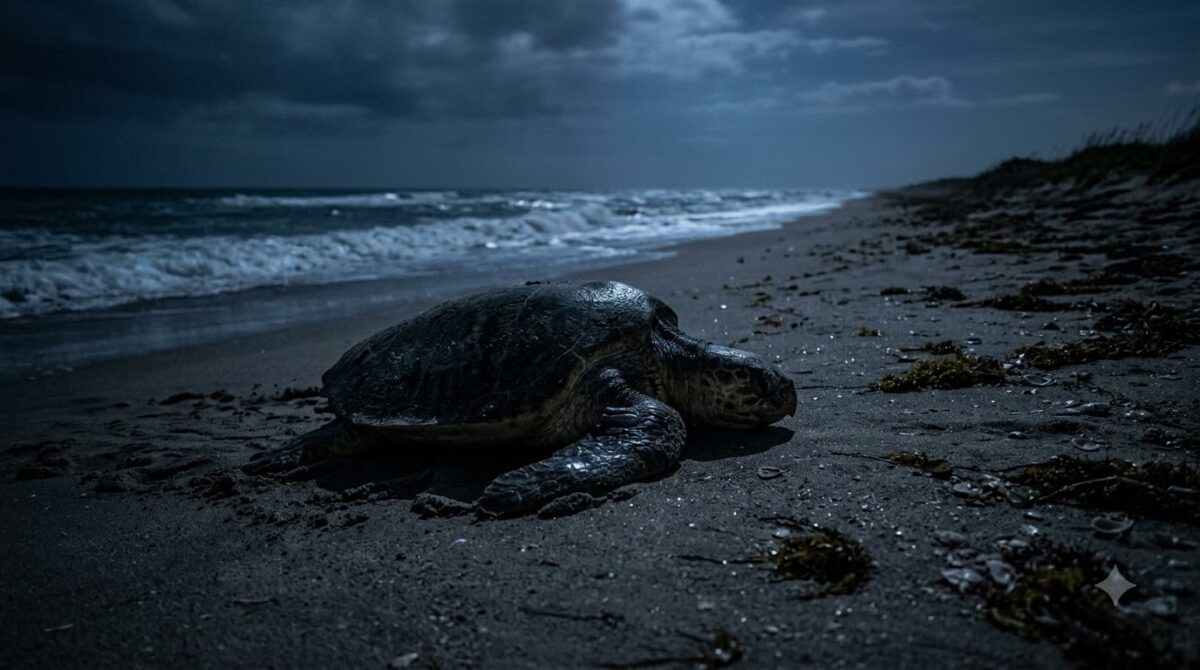
Las Baulas National Marine Park was established specifically to protect the leatherback sea turtles that nest at Playa Grande. It is worth knowing that the nesting population here has declined severely since the park was created — from hundreds of turtles a season to a small fraction of that.
You may well see one on a night tour. You may equally see none, and any operator promising a sighting is not being straight with you. Go because the park matters and the guides are good, not because a turtle is guaranteed.
Where to stay in Tamarindo: Tamarindo Diria to Cala Luna boutique hotel
Hotels in Tamarindo split into two clear groups: those set right on the beach, and those set in the hills behind town with an ocean view and a pool. The second group is usually better value and quieter, at the cost of a ten-minute walk or a short drive.
| Type | Nightly rate | Notes |
|---|---|---|
| Hostel dorm | US$18–35 | Plenty of choice, mostly on and just off the main road |
| Mid-range hotel | US$70–150 | The bulk of what is available, much of it within walking distance of everything |
| Beachfront hotel | US$150–350 | The Tamarindo Diria beach resort is the long-standing landmark on the sand itself |
| Boutique hotel | US$180–450 | Cala Luna boutique hotel towards Langosta, and El Jardín del Edén up in the hills, are the best-known |
| Villa or condo rental | US$120–500 | Many hotels and rentals sit in the hills with pools and views |
Book several months ahead for December to April. In September and October you can arrive and negotiate.
Map shows live availability and prices. We may earn a commission on bookings made through it, at no extra cost to you.
Check hotels in Tamarindo →Check quieter Playa Grande →
Restaurants in Tamarindo, and authentic Costa Rican food
The range is the best of any beach town in the country and the prices reflect it. You can eat Peruvian, Italian, Japanese, Argentinian or Californian within two hundred metres, and there are good vegetarian and vegan options almost everywhere, which is not true elsewhere in Costa Rica.
- Tourist restaurants on the main road run US$18 to US$35 a head.
- For authentic Costa Rican food, walk inland or go to Villareal. A casado at a soda costs around 4,000 colones, roughly US$7.50. This is the mistake most visitors make — eating only on the strip and concluding that typical Costa Rican cooking does not exist here.
- Fish is fresh and cheap given the sport fishing fleet.
- Nightlife is the busiest in Costa Rica, concentrated on the main road and a couple of beach clubs. It is genuinely lively and it is also the thing most complained about by people staying nearby.
Best time to visit Tamarindo
- December to April (dry season) — sun almost every day, biggest crowds, highest prices. Guanacaste is the driest region in the country and by March the landscape is brown.
- May to July — clear mornings, afternoon rain, everything green, far fewer people. Best balance.
- August to October — the rainy season proper, biggest surf, lowest prices. September and October are wettest.
- November — rain easing, still green, crowds not yet arrived. Best value of the year.
Sea temperature barely moves across the year. What changes is rain, swell and how many people are on the sand. Full detail in our month-by-month guide.
Is Tamarindo safe?
Tamarindo is generally safe, and it is one of the easier places in Costa Rica for nervous first-time travellers because English is widely spoken and the tourist infrastructure is dense.
- Petty theft is the real risk — bags from the beach, valuables from parked cars. Never leave anything visible in a rental.
- Rip currents exist despite the gentle appearance, particularly near the estuary mouth and at the northern end.
- Crocodiles in the estuary. Do not swim or wade there, ever.
- The main road at night is busy and fine; the unlit stretches towards Langosta are less so.
- Drugs are offered openly on the strip late at night. Declining is all that is required.
Tamarindo, Nosara or Santa Teresa?
| Tamarindo | Nosara | Santa Teresa | |
|---|---|---|---|
| Getting there | 75 min from Liberia, paved | 2.5 hours, rough road | Ferry or long drive, dirt road |
| Surf | Easiest, most crowded | Forgiving, uncrowded | Powerful, all levels |
| Nightlife | The busiest in the country | Almost none | Moderate |
| Food | Widest range | Healthy, expensive | Best quality |
| Feel | Developed, convenient | Green, quiet, wellness | Dusty, young |
| Best for | Short trips, first visits, families | Beginners, families, quiet | Surf and food |
Full guides to Nosara and Santa Teresa if you are weighing them up.
Is a Tamarindo vacation worth it? A short travel guide
Yes, for the right trip. Tamarindo is best if you have a week or less, if it is your first visit to Costa Rica, if you are travelling with children or nervous drivers, or if you want to learn to surf without being frightened. Its central location in the heart of Costa Rica’s main beach region makes day trips across Guanacaste realistic in a way no other beach town manages.
Skip it if you want quiet, if you are looking for authentic Costa Rican village life, or if crowds on the wave will spoil it for you. Nosara, Samara and Playa Avellanas are all within reach and all quieter.
A Tamarindo vacation of three to four nights is right for most people. Five to seven if you are surfing daily or using it as a base for the region. For the wider trip, see our guides to beaches on both coasts and things to do in Costa Rica.
Frequently asked questions
What is the closest international airport to Tamarindo?
Liberia (LIR), also called Guanacaste Airport, about 75 minutes away by road or up to two hours depending on traffic. San José is four to five hours away.
Is Tamarindo good for beginner surfers?
Yes, it is one of the best places in Costa Rica to learn. The bay faces away from the dominant swell so waves arrive smaller and softer, the bottom is sand, and there are dozens of schools. Group lessons cost US$45 to US$65. The trade-off is that the main peak gets crowded.
Can you walk from Tamarindo to Playa Grande?
No. The Tamarindo estuary separates them and American crocodiles live in it. Take the small boat taxi, which costs a couple of dollars, or drive 40 minutes around through Villareal.
Is Tamarindo too touristy?
It is the most developed beach town in Costa Rica, which is a fair criticism and also the reason it works for short trips. If you want a quiet fishing village, go to Samara or Nosara. If you want convenience, English everywhere and a tour desk on every corner, Tamarindo delivers it.
Is Tamarindo safe?
Tamarindo is generally safe. Petty theft from beaches and parked cars is the main risk rather than violence. Do not swim in the estuary because of crocodiles, and be aware of rip currents near the estuary mouth.
How many days should you spend in Tamarindo?
Three to four nights for most people, or five to seven if you are surfing every day or using it as a base for day trips across Guanacaste.
When is the best time to visit Tamarindo?
May to July for the balance of clear mornings, green landscape and low crowds, or November for the best value of the year. December to April has the most reliable sun and the highest prices.
Prices, transfer times and tour costs read 16 August 2026. Confirm before booking.