
Planning an Iceland itinerary is not really about picking sights. It is about admitting how far you can drive, because Iceland is roughly the size of Kentucky with one main road around the edge and almost nothing across the middle.
The length of your trip decides the shape of it, not the other way round. Three days means the southwest corner. Five means the south coast. Seven or more means going all the way around. Trying to do the round trip in four days is the most common Iceland mistake and it ruins the trip.
This sets out which version fits your days, in order. Road conditions, seasonal access and drive times checked 7 September 2026 against official sources.
Match the itinerary to your days
| Days in Iceland | What fits | Base |
|---|---|---|
| 2–3 | Reykjavik, Golden Circle, Blue Lagoon | Reykjavik, one base |
| 4–5 | The above plus the south coast to the glacier lagoon | Two bases, out and back |
| 7–8 | The full Ring Road, moving daily | A different place most nights |
| 10+ | Ring Road plus the Westfjords or Snaefellsnes, unhurried | Some two-night stops |
The rule that saves trips: if you have fewer than seven days, do not attempt the ring road. Go out along the south coast and come back the same way. You will see more, drive less, and not spend the last day panicking about a flight.
3 days in Iceland: the southwest
Three days, often a stopover on a transatlantic flight, covers the corner of Iceland closest to the airport. That is not a consolation prize — it holds several of the country’s best-known sights.
- Day 1 — arrive, Blue Lagoon or Sky Lagoon on the way in, then Reykjavik. Book the lagoon slot before you fly; it sells out.
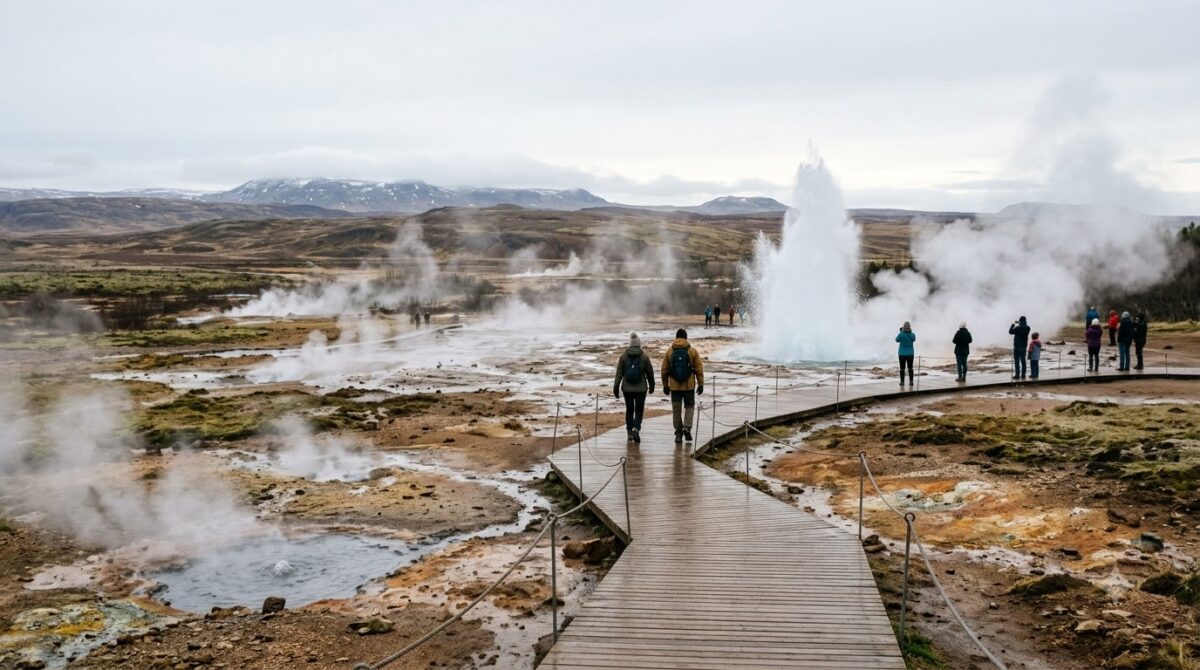
- Day 2 — the Golden Circle: Thingvellir national park, the Geysir geothermal area, and Gullfoss. One loop, about six hours with stops, back to Reykjavik for the night.
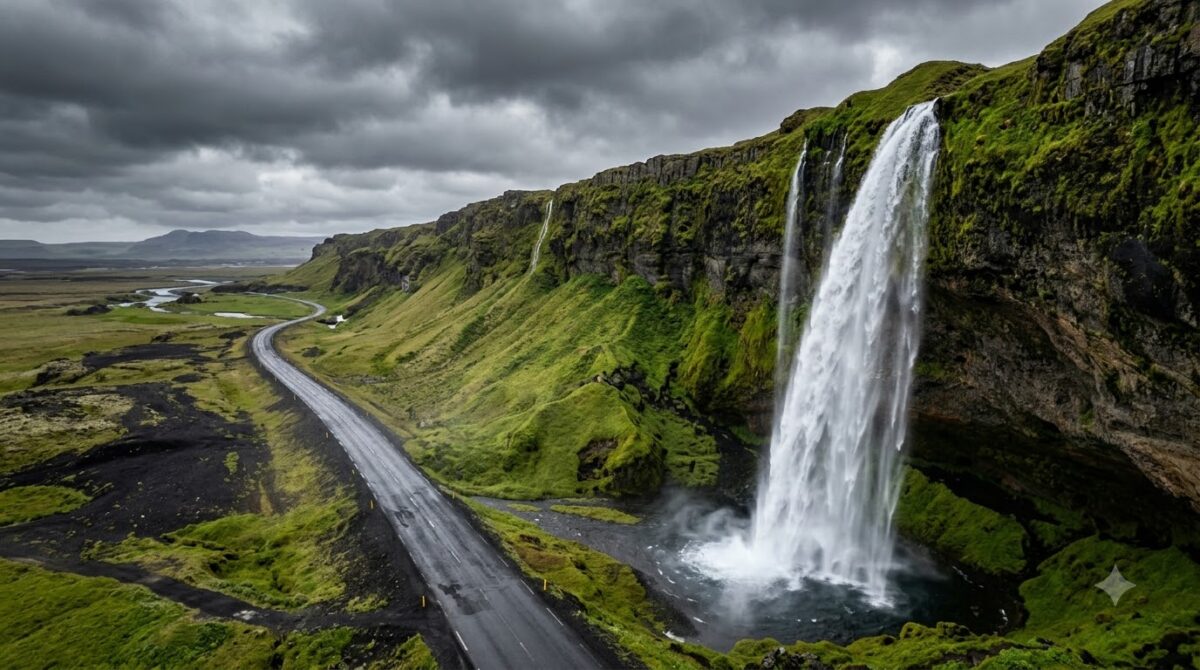
- Day 3 — the first stretch of the south coast: Seljalandsfoss and Skogafoss waterfalls, and the black sand beach at Reynisfjara near Vik. Long day, back the same evening.
One base the whole time. On three days, moving hotels costs more than it saves. Our guide to how many days in Iceland covers how long a short stop is really worth.
5 days in Iceland: the south coast properly
Five days is where Iceland starts to open up, and the south coast is the best use of them. This is the single most rewarding stretch of Route 1 in the country, and you drive it out and back rather than committing to the full loop.
Day 1: Keflavik, a lagoon, and Reykjavik
Most flights land at Keflavik International Airport in the early morning, which is awkward and useful at once: too early to check in anywhere, perfect for a lagoon.
The Blue Lagoon sits on the Reykjanes peninsula between the airport and the city, so it costs you no detour. Sky Lagoon is closer to Reykjavik and cheaper. Either way, book the slot before you fly. Collect the car rental at the airport rather than in the city; the desks are together and the paperwork is faster.
Afternoon in Reykjavik: Hallgrimskirkja church for the tower view, the harbour, and dinner. Do not plan more than that on the first day in Iceland after an overnight flight.
Day 2: the Golden Circle
The Golden Circle is three sights on one loop, about 250 kilometers all in, and it is the only sightseeing route that works comfortably as a day trip from Reykjavik.
- Thingvellir national park — a rift valley where the North American and Eurasian plates pull apart, so you walk between two continents. Plate tectonics you can stand in. Also the site of the original Icelandic parliament.
- The Geysir geothermal area — Strokkur erupts every few minutes and reliably, which the original Geysir no longer does.
- Gullfoss — a two-tier waterfall dropping into a canyon. Cold and loud, and the spray reaches the viewing path.
Add Reykjadalur hot springs if you have energy: a 45 minute uphill hike near Hveragerdi to a river warm enough to sit in. It is free, and it is a better memory than the Blue Lagoon for a lot of people.
Sleep at Hella or Hvolsvollur rather than returning to Reykjavik. That saves an hour of backtracking on day 3.
Day 3: waterfalls and black sand beaches
The most photographed day of any Iceland itinerary.
- Seljalandsfoss — the waterfall you can walk behind. You will get wet; bring a rain layer, not an umbrella, because the wind destroys umbrellas here.
- Gljufrabui — hidden in a cleft 500 meters further on, and most people drive straight past it.
- Skogafoss — a 60 meter curtain of water with a staircase beside it to a viewing platform above.
- The DC-3 plane wreck at Solheimasandur — a 45 minute walk each way across flat black gravel with no shelter. In wind it is genuinely unpleasant, and it is a wrecked fuselage. Skip it in bad weather.
- Reynisfjara black sand beach — basalt columns, sea stacks and the most dangerous beach in Iceland. Sneaker waves kill people here. Stay well back from the water and never turn your back on it.
Night in Vik, the small village that anchors this whole stretch of the south coast.
Day 4: the glacier lagoon
The longest and best day of a five day trip.
- Fjadrargljufur canyon — a green mossy gorge, half an hour past Vik.
- Skaftafell, part of Vatnajokull national park — the base for glacier hiking and ice cave tours, both guided only and both worth booking ahead.
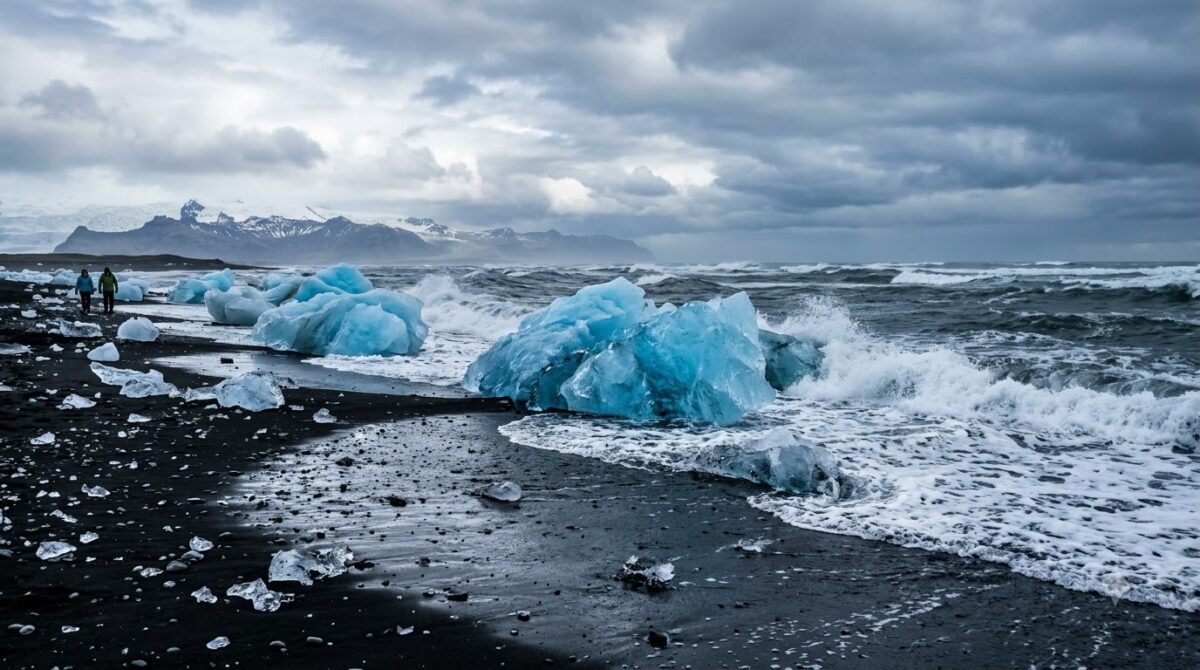
- Jokulsarlon glacier lagoon — icebergs calving off the glacier and drifting to the sea. Boat trips run in summer.
- Diamond Beach — directly opposite, where those icebergs wash back up onto black sand. This is the image people come for.
Sleep near the lagoon or at Hofn, an hour further east, if you want lobster for dinner and a shorter drive the next day.
Day 5: the drive back
Around five hours from the glacier lagoon to Keflavik. Treat this as a travel day, not a sightseeing day. Anything you skipped on the way out can be picked up on the way back, but do not plan on it.
If your flight is late, the Reykjanes peninsula near the airport has lava fields, a lighthouse and the bridge between continents, all within twenty minutes of the terminal.
7 to 8 days: the Ring Road
Seven days is the minimum for the ring road trip, and eight is more comfortable. Route 1 runs about 1,330 kilometers around the island, and going anticlockwise puts the south coast first while you are freshest.
- Days 1–3 — Reykjavik, Golden Circle, south coast to the glacier lagoon, as above.
- Day 4 — the east fjords. Long, quiet driving through small fishing villages. This is the emptiest part of the country.
- Day 5 — Lake Myvatn: pseudocraters, lava fields, the Myvatn Nature Baths, and Dettifoss, the most powerful waterfall in Europe.
- Day 6 — Akureyri and the north coast. Whale watching from Husavik if the season is right.
- Day 7 — the long drive back south to Reykjavik, or a detour onto the Snaefellsnes peninsula.
- Day 8 (departure day) — Snaefellsnes, or a slow return with time for anything missed.
Day 6: Lake Myvatn and the north
Myvatn is the north’s answer to the Golden Circle and gets a fraction of the visitors: pseudocraters at Skutustadir, the Dimmuborgir lava formations, bubbling mud at Hverir, and the Myvatn Nature Baths, which are the Blue Lagoon without the queue or the price.
Dettifoss, the most powerful waterfall in Europe by volume, is 45 minutes away. The east bank road is paved and the west bank is gravel; check which side your route uses.
Day 7: Akureyri, whales and the long drive south
Akureyri is the second city and the only real town outside the capital area — a good place for a grocery store restock and a proper dinner. Husavik, an hour north, is the whale watching capital of Iceland, with the season running roughly April to October.
From there it is a long drive south back to Reykjavik, or a detour onto Snaefellsnes if you have day 8.
For the day-by-day driving detail, distances and where to sleep on each leg, see our Iceland Ring Road itinerary.
10 days or more
Ten days is when Iceland stops being a checklist. The extra days buy either depth or the parts most visitors never reach.
- The Westfjords — the remotest region, reached by a long detour on partly gravel roads. Dynjandi waterfall, bird cliffs, almost nobody. Adds two to three days.
- Snaefellsnes peninsula — often called Iceland in miniature: a glacier, black beaches, lava fields and Kirkjufell mountain, two hours from Reykjavik. One or two days.
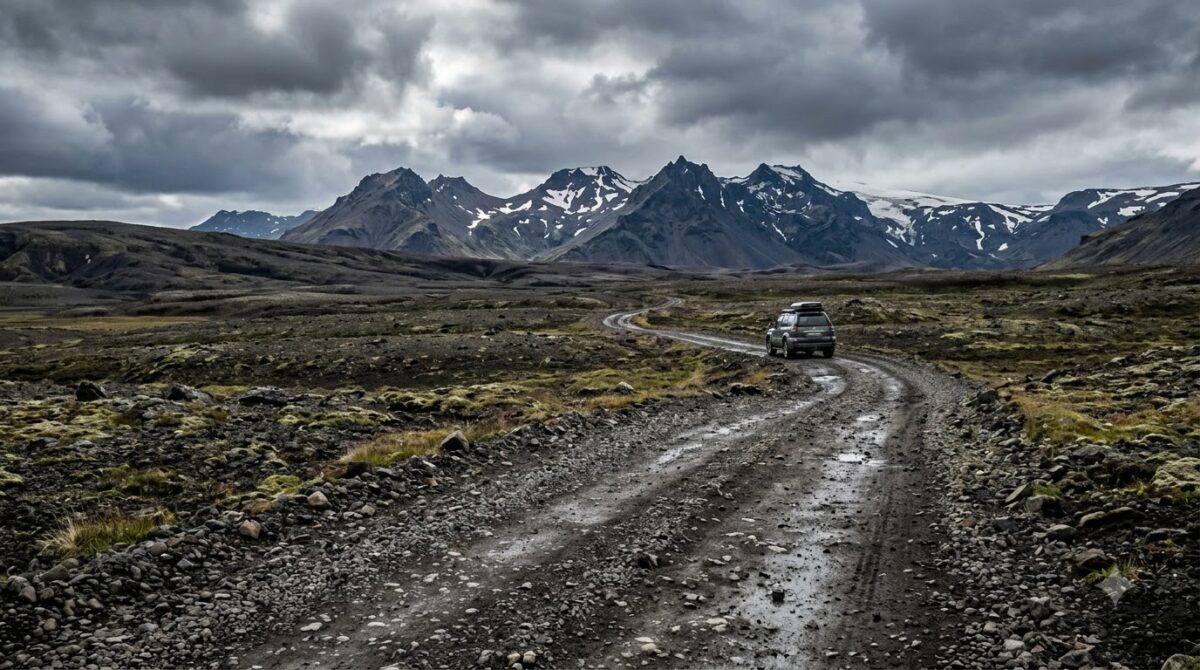
- The highlands — Landmannalaugar and Thorsmork, reachable only by 4×4 on F-roads, and only from roughly late June to early September.
- Two nights in one place — the most underrated upgrade. Iceland weather cancels plans, and a spare day absorbs that.
Driving in Iceland: what shapes the plan
More Iceland itineraries fail on driving assumptions than on sightseeing choices.
- Distances are long and speeds are low. The national limit is 90 km/h on paved rural roads and 80 on gravel, and much of the ring road is single carriageway.
- Weather closes roads without much warning. Check road.is for conditions and vedur.is for weather every morning. Both are official and both are in English.
- F-roads require a 4×4 by law, are closed in winter, and are not covered by standard rental insurance. Driving a 2WD on one voids the contract.
- Wind is the real hazard. Door damage from wind ripping a car door open is one of the most common rental claims, and is usually excluded from basic cover. Hold the door.
- Fuel stations thin out in the east and the Westfjords. Fill up when you are at half a tank, not a quarter.
- Single-lane bridges are common on the ring road. The car closer to the bridge goes first.
Season changes the itinerary more than in most countries
- June to August — near-midnight sun, all roads open including the highlands, and the busiest and most expensive months. Long daylight means you can drive late.
- September and October — the best compromise. Roads still open, prices lower, and the nights are finally dark enough to see the northern lights.
- November to March — northern lights season and ice caves, but four to five hours of daylight in midwinter. A ring road trip is not realistic; stick to the south coast.
- April and May — quiet and cheap, snow melting, highlands still shut.
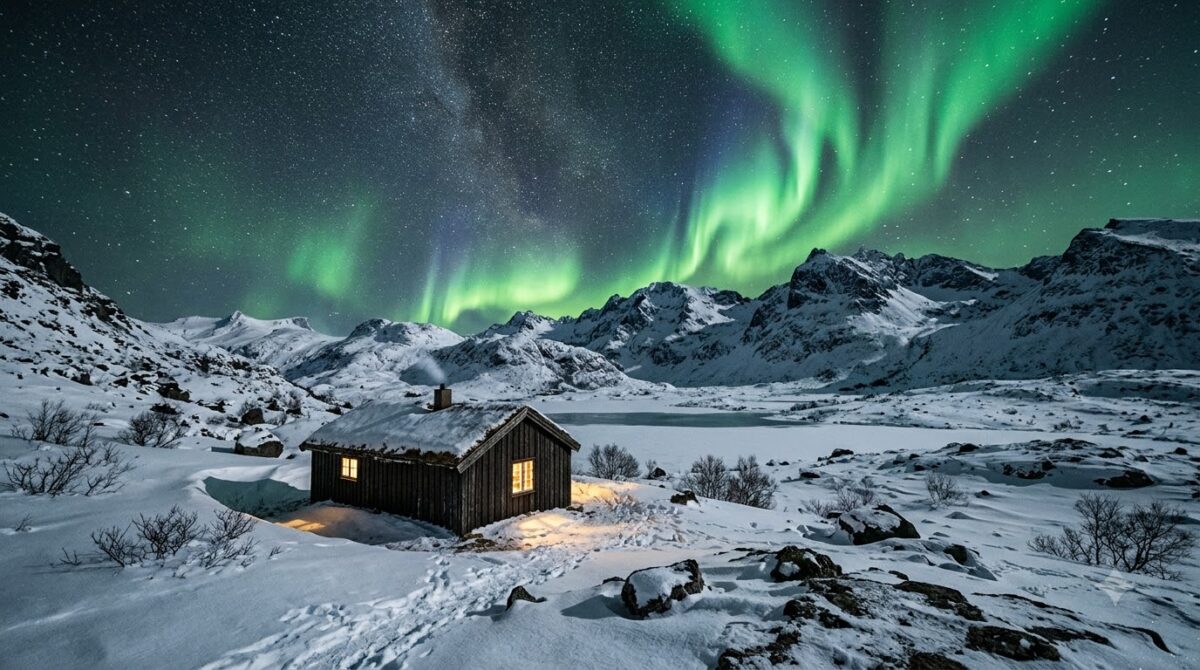
Northern lights need darkness, not cold. They are visible roughly September to March and impossible in June, whatever the weather does.
What to book before you fly
- The rental car — the single biggest cost of an Iceland trip, and supply is limited in summer.
- Blue Lagoon or Sky Lagoon — timed entry, sells out.
- Ice cave or glacier walk — guided only, seasonal, and small group sizes.
- Accommodation outside Reykjavik — villages on the south and east coasts have very few rooms.
Almost everything else in Iceland is a waterfall by the side of a road, free and open.
The top attractions to include in an Iceland itinerary
If you are building your own route rather than following one, these are the places that earn their drive time, roughly in order of how far they are from Keflavik.
| Attraction | Where | From Reykjavik |
|---|---|---|
| Blue Lagoon | Reykjanes | 50 min |
| Thingvellir | Golden Circle | 45 min |
| Geysir and Gullfoss | Golden Circle | 1 hr 45 |
| Seljalandsfoss | South coast | 2 hrs |
| Skogafoss | South coast | 2 hrs 15 |
| Reynisfjara black sand beach | South coast | 2 hrs 45 |
| Jokulsarlon and Diamond Beach | Southeast | 5 hrs |
| Lake Myvatn | North | 6 hrs via north, 8 via east |
| Snaefellsnes peninsula | West | 2 hrs |
| Vestmannaeyjar (Westman Islands) | South, by ferry | 2 hrs plus 35 min ferry |
Two that get skipped and should not be: Snaefellsnes is two hours from the city and packs a glacier, black beaches, lava fields and Kirkjufell into one peninsula — the best single day outside the Golden Circle. And Vestmannaeyjar, reached by ferry, has the largest puffin colony in the world between roughly May and August.
Puffins, whales and when you can see them
Wildlife in Iceland is strictly seasonal, and plenty of itineraries are built around animals that are not there yet.
- Puffins — roughly May to mid-August. They nest on cliffs at Vestmannaeyjar, Dyrholaey near Vik, and Latrabjarg in the Westfjords. After August they are at sea.
- Whales — roughly April to October, best from Husavik in the north. Tours run year round from Reykjavik with lower success rates.
- Northern lights — September to March, and darkness matters more than cold.
- Ice caves — roughly November to March, guided only, inside Vatnajokull.
Only two of those four overlap. A trip built around puffins and northern lights together is not possible.
What an Iceland trip costs
Iceland is expensive, and the surprise is usually where the money goes.
- Car rental is the largest single line item, often more than flights. Add gravel protection and sand-and-ash cover if you are going near the south coast; standard cover excludes both.
- Fuel is high and distances are long. On a Ring Road trip the fuel bill is a real number, not a rounding error.
- Restaurants are the easiest place to overspend. Eating dinner out every night doubles a budget.
- The grocery store is the answer. Bonus and Kronan are the cheap chains. Buying breakfast and lunch and eating dinner out is what most people settle into.
- Alcohol is sold only in state Vinbudin shops and in bars, and is heavily taxed. The airport duty free on arrival is genuinely cheaper.
- Tap water is excellent and free. Never buy bottled water in Iceland.
Free things are most of the itinerary. Nearly every waterfall, beach, canyon and lava field on this page costs nothing. The paid items are the lagoons, guided glacier or ice cave tours, and museums.
What to pack, and why it matters more here
- A proper waterproof jacket with a hood. Not water-resistant. It rains sideways.
- Waterproof trousers — the thing most people skip and then wish they had at Seljalandsfoss.
- Layers rather than one thick coat. Weather changes hourly and you will be in and out of a warm car.
- Boots with grip. Wet basalt, spray-covered steps and gravel paths.
- Swimwear and a towel, always. Every town has a geothermal pool, and they are the cheapest and best thing in Icelandic daily life.
- An eye mask in summer, a head torch in winter. Midnight sun and four-hour daylight are both real problems.
- No umbrella. The wind will destroy it within a day.
Iceland or Norway?
People planning a first trip to Iceland often have Norway on the same shortlist, and they are less similar than they look.
- Iceland is volcanic, treeless and strange. Black sand, steam from the ground, lava fields, glaciers meeting the sea. It feels geological rather than scenic.
- Norway is green, vertical and softer. Fjords, forests, farms on impossible slopes, pretty towns.
- Iceland is easier to travel. One ring road, one week, everything within a day’s drive. Norway needs ferries, tunnels and more planning.
- Both are expensive. Neither has a cheap version.
If you want landscapes that look like nowhere else on earth, go to Iceland. If you want beautiful in the conventional sense, go to Norway.
Visiting Iceland in the winter
A winter trip itinerary is a different animal, and treating it as the summer route in colder clothes is how people get into trouble.
- Daylight is the constraint. Around four to five hours in December and January. Driving the Ring Road in winter means driving in the dark, which is why you should not attempt the entire Ring Road between November and March.
- Do the south coast instead. Reykjavik, Golden Circle, and out to Vik or the glacier lagoon and back. That is the honest winter version, and it still holds most of the best waterfalls in Iceland.
- Ice caves are winter only, roughly November to March, and are the one thing summer visitors genuinely miss.
- Northern lights need a clear night and patience. Build in extra nights rather than betting on one.
- Check road.is every morning without exception. Roads close and reopen through the day, and rental insurance does not cover driving a closed road.
- Studded tyres are standard on winter rentals in Iceland. Confirm the car has them.
Common mistakes when you plan your Iceland itinerary
Almost every problem people report from a first trip to Iceland comes from one of these.
- Driving the entire Ring Road in too few days. Under seven days it becomes a driving holiday with brief stops. This is the single biggest mistake in Iceland travel.
- Booking the last full day too far from the airport. The glacier lagoon is five hours from Keflavik. Sleep closer on the final night.
- Ignoring the weather forecast. Traveling to Iceland means checking vedur.is and road.is daily and being willing to reorder the plan.
- Assuming every part of Iceland is open. F-roads and the highlands are shut most of the year.
- Underestimating the wind. Car doors are the most common damage claim, and it is usually excluded from basic cover.
- Eating out three times a day. Use the grocery store for two of them.
A note on time in Iceland
Iceland runs on GMT all year with no daylight saving, so in summer it is an hour behind most of western Europe and in winter it matches the UK. There is no jet lag coming from Britain and about five hours from the US east coast.
More usefully: sunset times swing wildly. In late June the sun barely sets, so a day trip itinerary can run to ten at night. In December you are planning around a window that closes at four in the afternoon. The same route takes a completely different number of days depending on which of those you are working with.
Not sure how long to go for? See how many days in Iceland you need — the answer is set by daylight hours, not by the number of sights.
Want the opposite kind of trip? Our China itinerary is built around high-speed rail rather than a hire car.
Frequently asked questions
How many days do you need for an Iceland itinerary?
Five is the sensible minimum for more than the capital area, and seven is the minimum for the full Ring Road. Three days covers Reykjavik, the Golden Circle and the start of the south coast. Ten days lets you add the Westfjords or Snaefellsnes without rushing.
Can you drive the Ring Road in 5 days?
Technically yes, and it is a poor trip. Route 1 is about 1,330 kilometers and five days means roughly five hours of driving daily with almost no stopping. Use five days on the south coast out and back instead, which shows you more for far less time in the car.
Which direction should you drive the Ring Road?
Anticlockwise, heading east along the south coast first. The south has the highest concentration of major sights, so you see them while you are freshest, and the long empty stretches in the east and north come when you have settled into the driving.
Do you need a 4×4 in Iceland?
Not for the Ring Road, the Golden Circle or the south coast, which are all paved. You need one by law for F-roads into the highlands, and those are open roughly late June to early September only. Driving a 2WD on an F-road voids your rental insurance.
When can you see the northern lights in Iceland?
Roughly September to March, because they need genuinely dark skies rather than cold. They are impossible in June and July when it barely gets dark. September and October give you aurora nights while the roads are still fully open.
Is the Blue Lagoon worth it on a short Iceland itinerary?
It is convenient rather than unmissable, sitting between Keflavik airport and Reykjavik, which makes it a natural arrival or departure stop. Entry is timed and sells out, so book before you fly. Sky Lagoon is closer to the city and Myvatn Nature Baths in the north is cheaper and quieter.
What is the best month for an Iceland road trip?
September. All roads including most of the highlands are still open, prices drop from the summer peak, crowds thin, and the nights are dark enough for the northern lights. June and July give the longest daylight but the highest prices and no aurora.
How much driving is an Iceland itinerary?
More than people plan for. A seven day Ring Road trip averages three to four hours of driving a day, and the leg from the glacier lagoon back to Keflavik alone is about five hours. Speed limits are 90 km/h on paved rural roads and 80 on gravel, and weather regularly slows both.