
Three full days in Rome is the answer for most first-time visitors. Two is a stopover, four is comfortable, and five is when you stop rushing and start enjoying it.
Some links below are affiliate links. We may earn a commission if you book through them, at no extra cost to you. We do not rank hotels, and any prices on the map come live from the booking sites.
Quick answer: where to stay. On a short visit, a central room buys back about an hour a day in transport, which over three days is most of a fourth half-day. Stay in the historic centre or Monti.
Check hotels in Monti →Check all of Rome →See them on a map ↓
But “how many days in Rome” is really a question about what you are willing to skip, because Rome does not shrink. This sets out exactly what each day adds, and where the returns start to flatten. Opening patterns and booking rules checked 6 September 2026.
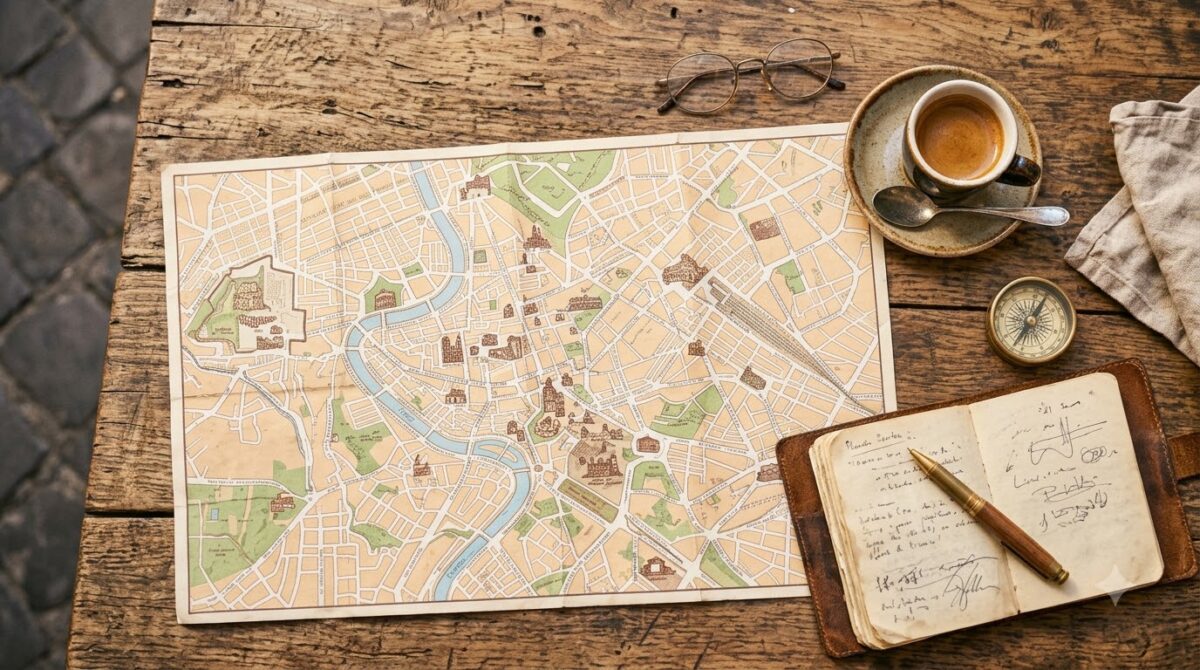
The short answer
| Days in Rome | What you get | Who it suits |
|---|---|---|
| 1 day | Ancient Rome or the Vatican, plus a walk. Not both | Cruise passengers, a layover |
| 2 days | Two of the three big blocks, at pace | Rome as a stop on a longer Italy trip |
| 3 days | All three blocks, properly | Most first-time visitors |
| 4 days | The above, plus Borghese or a slower pace | Anyone who dislikes rushing |
| 5+ days | A day trip, and repeat visits to what you liked | Second visits, families, summer heat |
Why three days is the honest minimum
Rome has three commitments that do not sit near each other and cannot be combined:
- Ancient Rome — the Colosseum and Roman Forum share a ticket and take three to four hours together. Palatine Hill is on the same ticket again.
- Vatican City — the Vatican Museums are a single one-way route around three kilometers long, ending at the Sistine Chapel, and St Peter’s Basilica is next to it. Four hours, and it is across the river.
- The historic center — the Pantheon, Trevi Fountain, Piazza Navona and the Spanish Steps. Half a day on foot, no tickets, and it is what people remember.
That is three half-to-full days before you have eaten a meal or sat down. Three days in Rome fits them with an evening each; two days does not, and one day fits one of them.
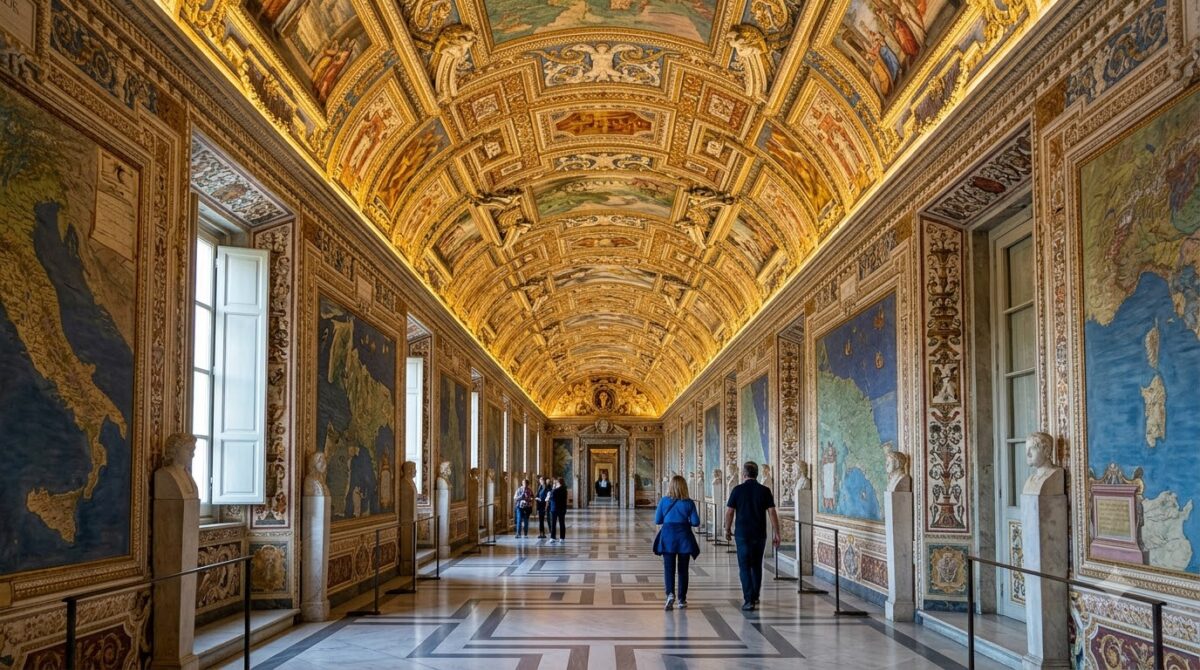
Day by day: what each one adds
1 day in Rome
One day is a taste, and the mistake is trying to make it a summary. Pick ancient Rome or the Vatican, not both. They are on opposite sides of the city and each fills a morning.
The best single day: Colosseum and Roman Forum at opening, walk up over the Capitoline, then the Pantheon, Trevi Fountain and Piazza Navona in the afternoon, dinner in the center. You will have seen the outline of ancient Rome and the heart of the modern city, and missed the Vatican entirely.
2 days in Rome
The second day adds the Vatican, and that is the whole of it. Day 1 ancient Rome plus the center in the evening; day 2 Vatican Museums, St Peter’s, and Trastevere at night.
What two days still cannot hold: the Borghese Gallery, any day trip, and a proper unhurried morning in the historic center. Our Rome 2 day itinerary sets out exactly which things to cut and in what order.
3 days in Rome
This is the day that changes the trip. Not because it adds a fourth major sight, but because it adds a day with nothing booked.
Days 1 and 2 are ticketed, timed and tiring. A third day means the historic center gets a real morning instead of a tired evening, the Jewish Ghetto and Trastevere get walked properly, and there is a buffer for rain, a late start, or a queue that ran long.
See the Rome 3 day itinerary for how the three days split by area rather than by sight.
4 days in Rome
The fourth day is the first optional one, and there are three good ways to spend it.
- The Borghese Gallery — the best art in Rome, in a park. Entry is strictly by timed reservation and sells out well ahead, so this is a decision to make weeks before you travel.
- Slow down instead. Repeat the part of Rome you liked most, at half the speed. This is what most people wish they had done.
- The Aventine Hill and Testaccio — the orange garden, the Knights of Malta keyhole, and the working food neighborhood below. Almost no visitors.
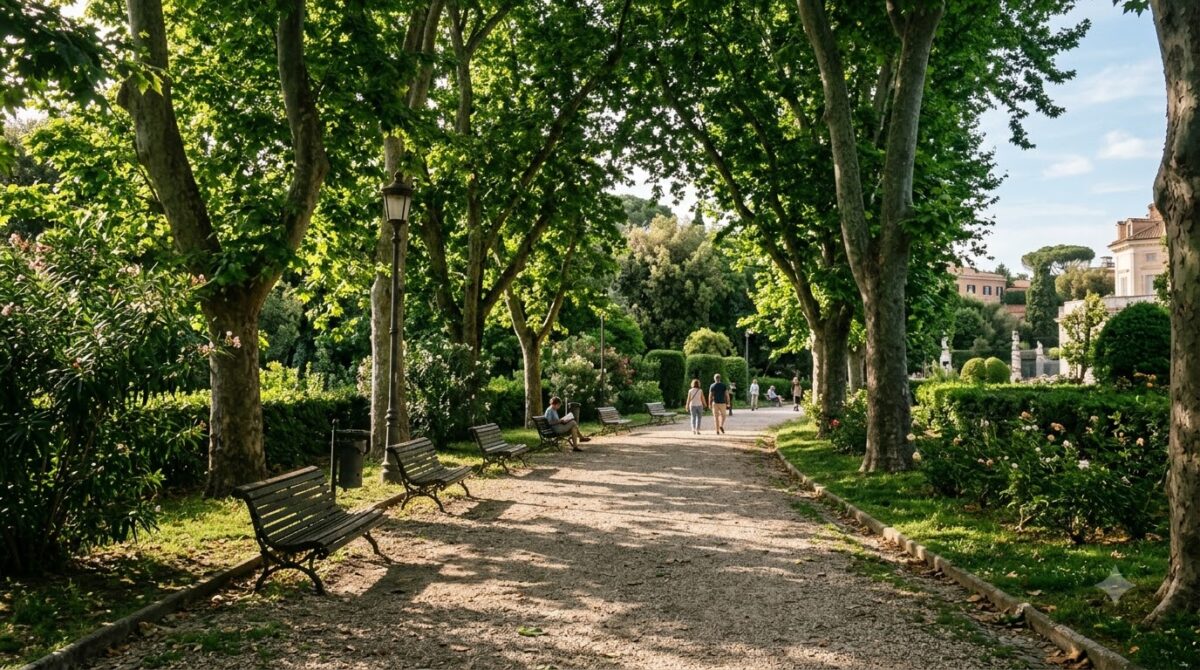
5 days or more
Five days is when a day trip stops costing you something you wanted.
- Ostia Antica — a whole Roman port city, about forty minutes by train, and far quieter than Pompeii.
- Tivoli — two villas and their gardens, an hour out.
- Orvieto — a hill town in Umbria, about an hour and a quarter by train.
Beyond five days in the city itself the returns flatten fast for a first visit. If you have a week in Italy, it is usually better to give Rome four days and take the train to Florence or Naples than to give Rome all seven.
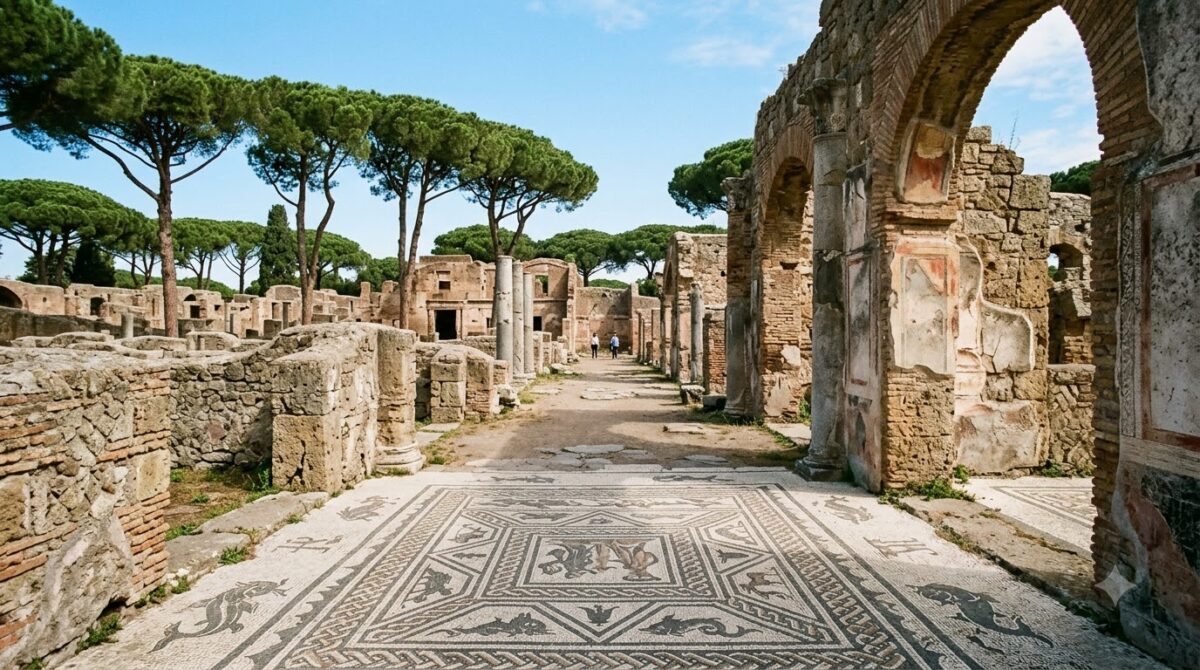
Things that change the number
The three-day answer assumes a fairly standard trip. Four things move it.
- Summer heat. In July and August the middle of the day is unusable for sightseeing, which effectively removes a third of each day. Add a day, or plan a long lunch and rest.
- Children. The Vatican route is long, hot and has nowhere to sit. Anything under three days with small children is a bad trade.
- Sunday and Monday. The Vatican Museums close on Sundays except the last of the month; some other sites close on Mondays. A two-day trip that lands on the wrong pair of days loses a major sight entirely.
- Whether it is a return to Rome. If you have been before, two days is generous, because you can skip everything you already did.
How many days for Rome and the Vatican together?
Vatican City is inside Rome, so the question is really how much of the Vatican you want.
- Half a day — St Peter’s Basilica and the square only. Free, no ticket, about ninety minutes.
- A full day — Vatican Museums, Sistine Chapel, St Peter’s and the dome climb. This is the standard.
- A day and a half — add the Vatican Gardens or the necropolis under the basilica, both separately booked and rarely done.
Budget one full day for Rome and the Vatican combined and do not try to attach anything else to it. People routinely plan the Colosseum for the same afternoon and abandon it.
How many nights, not how many days
One practical correction that costs people a day: count nights, not days.
A flight landing at four in the afternoon and another leaving at eleven the next morning is described as two days in Rome and is really one evening. If your flights are awkward, add a night rather than assuming the arrival and departure days will work as sightseeing time.
Arrival day rule: plan nothing ticketed. Walk the historic center, eat, sleep. Departure day rule: allow four hours before the flight, because the road to Fiumicino is the most congested driving of the trip.
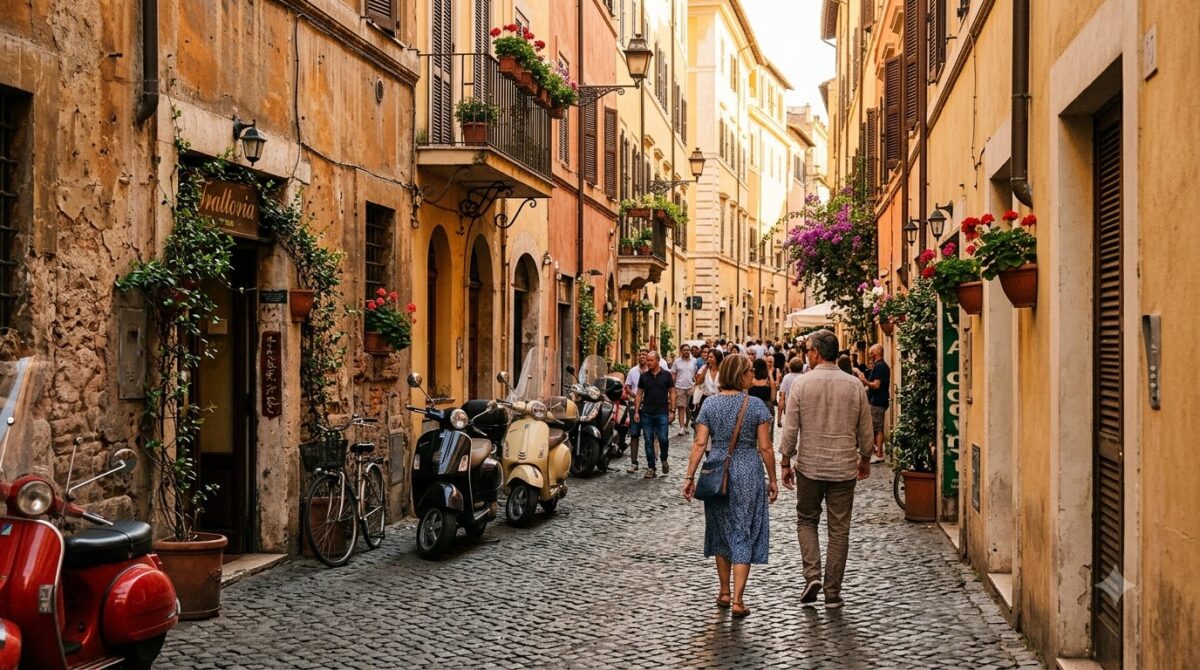
Where to stay changes how many days you need
This sounds like an odd claim and it is not. On a short visit to Rome, a central room buys back an hour a day in transport, which on three days is most of a fourth half-day.
Staying in the historic center or Monti puts the evening walk on your doorstep and keeps both ticketed sites to a short walk or one Metro ride. Our guide to where to stay in Rome compares the areas and explains why the cheap rooms near Termini are cheap.
Map shows live availability and prices. We may earn a commission on bookings made through it, at no extra cost to you.
If Rome is one stop on a longer trip
Most people asking this are planning a trip to Italy rather than a Rome city break. In that case three days in Rome is still right, and the rest of the time is better spent elsewhere.
Our 10 day Italy itinerary gives Rome three days and then continues to Florence, Cinque Terre and Venice by train, which is the standard first trip and the one the train network is built for.
Planning your Rome trip: what to fix before the length
Two decisions lock in before the number of days, and both change how much you can see in Rome.
- Buy tickets for the Vatican and the Colosseum days in advance. In high season both sell out, and on a short trip a lost morning is a large share of your time in Rome.
- Check which days things close. Vatican Museums close Sundays except the last of the month; several sites close Mondays. A three-day trip landing badly can lose a major sight.
Once those are fixed, planning a trip to Rome becomes an exercise in ordering. Ticketed things get fixed dates; everything else moves.
The main attractions, and how long each really takes
| Sight | Realistic time | Notes |
|---|---|---|
| Visiting the Colosseum | 1.5 hours | Timed entry; a tour of the Colosseum adds 30 min and is worth it |
| Roman Forum and Palatine | 2 hours | Same ticket, unsigned without a guide |
| Vatican Museums and Sistine Chapel | 3 hours | One-way route; you cannot shortcut it |
| See the Vatican: St Peter’s | 1 hour | Free, separate security queue |
| Dome climb | 40 min | Ticketed, and the best view in the city |
| Pantheon | 30 min | Near the heart of the historic center, small fee |
| Borghese Gallery | 2 hours | Strict timed reservation, book weeks ahead |
| Galleria Doria Pamphilj | 1 hour | A private palace collection almost nobody visits |
Add those honestly and you get why two days is not enough: the major sights alone come to roughly eleven hours before a single meal or walk.
Eating in Rome takes time, and should
A mistake in short itineraries for first timers is treating meals as overhead. In Rome they are part of the day, and a proper lunch runs well over an hour.
- Restaurants in Rome near the big sights are the weakest in the city. Walk two or three streets off any famous piazza before sitting down.
- Lunch near the Pantheon is easy and the streets just west of it are much better than the square itself.
- Dinner is late. Kitchens fill from about eight thirty, and an early table usually means a tourist restaurant.
- Budget two real meals a day, not one plus snacks. That is roughly three hours, and it is the difference between visiting Rome and processing it.
An evening and a night in Rome
The city changes after dark and the evening is not spare time. The Trevi Fountain, Piazza Navona and the Pantheon exterior are all better at night, and all free.
This is the strongest argument for three days rather than two: with three, one full evening is unplanned. With two, both evenings are recovery from a ticketed day.
Guided tours: do they save time?
Sometimes, and not where people expect.
- A tour of the Colosseum and Forum saves nothing in time but adds a great deal in meaning. Take it for that reason.
- A tour of the Vatican does save time if it includes priority entry, because the security and ticket lines are the slow part.
- An early-access or after-hours Sistine Chapel tour is the one genuine time purchase in Rome. Operators like Walks of Italy run them; they cost several times a standard ticket.
- Free audio guides — a Rick Steves audio tour, for instance — cover the Forum and St Peter’s well enough on a short trip.
A week in Rome
If you have seven days and want to spend them all here, the shape changes completely. You stop chasing major sights after day four and start living somewhere.
- Days 1 to 3 — the first three days as described above.
- Day 4 — Borghese Gallery and the park.
- Day 5 — Ostia Antica or Tivoli.
- Day 6 — the neighborhoods: Testaccio, the Aventine, Garbatella.
- Day 7 — go back to Rome’s two or three places you liked most, slowly.
For most people, though, a week of travel time in Italy is better split. Four days in Rome and three elsewhere beats seven in one city on a first visit.
Frequently asked questions
How many days do you need in Rome?
Three full days for a first visit. That covers ancient Rome, Vatican City and the historic center properly, with an evening each. Two days forces you to cut one of the three, and one day means choosing between the Colosseum and the Vatican.
Is 2 days in Rome enough?
Enough for two of the three main blocks at pace. It works well if Rome is a stop on a longer Italy trip or a return visit. It does not work well as a first visit where Rome is the main destination, because you will spend both days moving fast and cut the historic center to an evening.
Is 4 days in Rome too many?
No. The fourth day is the first genuinely comfortable one, and it buys either the Borghese Gallery, which needs a timed reservation booked weeks ahead, or a slower repeat of whatever you liked most. Returns start to flatten after five days for a first visit.
How many days do you need for Rome and the Vatican?
Budget one full day for the Vatican alone: the Vatican Museums are a three kilometer one-way route ending at the Sistine Chapel, and St Peter Basilica has its own security queue. Add two more days for the rest of Rome, which gives the standard three-day trip.
Can you see Rome in one day?
You can see one half of it. Choose ancient Rome or the Vatican, not both, then walk the historic center in the afternoon. The Colosseum, Roman Forum, Pantheon, Trevi Fountain and Piazza Navona is a realistic single day; adding the Vatican to that is not.
How many days in Rome with kids?
At least three, and four is better. The Vatican Museums route is long, hot and has almost nowhere to sit, and the Forum is exposed. A slower pace with a rest in the middle of each day is worth more than an extra sight, particularly in summer.
Does the day of the week matter in Rome?
Yes, more than people expect. The Vatican Museums close on Sundays except the last Sunday of the month, when entry is free and the queue is enormous. Some other sites close on Mondays. On a two or three day trip, landing on the wrong days can cost you a major sight entirely.
Should I count days or nights in Rome?
Nights. An afternoon arrival and a late morning departure is often described as two days and is really one evening plus a rushed morning. Plan nothing ticketed on the arrival day, and allow four hours before a flight because the road to Fiumicino is the worst traffic of the trip.