Quick answer
Three bases with two nights each, or two bases with three. Either way, book the Highland nights before the city ones — Edinburgh has thousands of rooms and Glencoe has hundreds, and fixing the city dates first is how people end up with nothing in the glen.
On this page
- 6 day Scotland itinerary at a glance
- Shape 1 — three bases in six days
- Shape 2 — two bases in six days
- Which to choose
- Can you fit Skye into six days?
- Six days without a car
- Driving notes
- Midges, ticks and what to pack
- Where to stay
- What six days costs in driving
- Where the six days usually go wrong
- Six days with a focus
- Arriving and leaving on six days
- What to book first
- Is the Explorer Pass worth it on six days?
- The six-day mistake nobody warns about
- Six days with children
- Six days in winter
- The short version
- Frequently asked questions
Six days is an awkward length for Scotland, and it is also a common one — a week of annual leave with travel days at each end. It is one day more than the two-base trip and one day short of the comfortable three-base week.
Some links below are affiliate links. We may earn a commission if you book through them, at no extra cost to you. We do not rank hotels, and any prices on the map come live from the booking sites.
What six days actually buys is three bases with one short stay, or two bases with a proper day trip from each. This guide covers both, and says which to pick.
6 day Scotland itinerary at a glance
| Shape | Bases | Best for |
|---|---|---|
| Three bases | Edinburgh 2, Glencoe 2, Inverness 2 | Covering ground |
| Two bases | Edinburgh 3, Glencoe or Skye 3 | Seeing places properly |
Both are good. The first sees more of Scotland; the second sees Scotland better.
Map shows live availability and prices. We may earn a commission on bookings made through it, at no extra cost to you.
Where to sleep on this route
Shape 1 — three bases in six days
Days 1–2: Edinburgh. The castle, the Royal Mile and the National Museum on the first day; Holyrood, Arthur’s Seat and the New Town on the second. No car.
Day 3: collect the car and drive west through Loch Lomond and Rannoch Moor to Glencoe, about three hours with stops. Afternoon in the glen.
Day 4: Glencoe and Fort William — the Lost Valley walk, the Jacobite steam train, or the road out to Mallaig.
Day 5: north to Inverness along the Great Glen, with Loch Ness and Urquhart Castle on the way.
Day 6: Culloden in the morning, then fly from Inverness or take the train south.
Two nights in each place, about eight hours of driving, and the three regions most first-time visitors want.
Shape 2 — two bases in six days
Days 1–3: Edinburgh, including a day trip to Glasgow or Stirling by train.
Days 4–6: three nights in the Highlands — either Glencoe and Fort William, or Skye if you are willing to drive five to six hours to reach it.
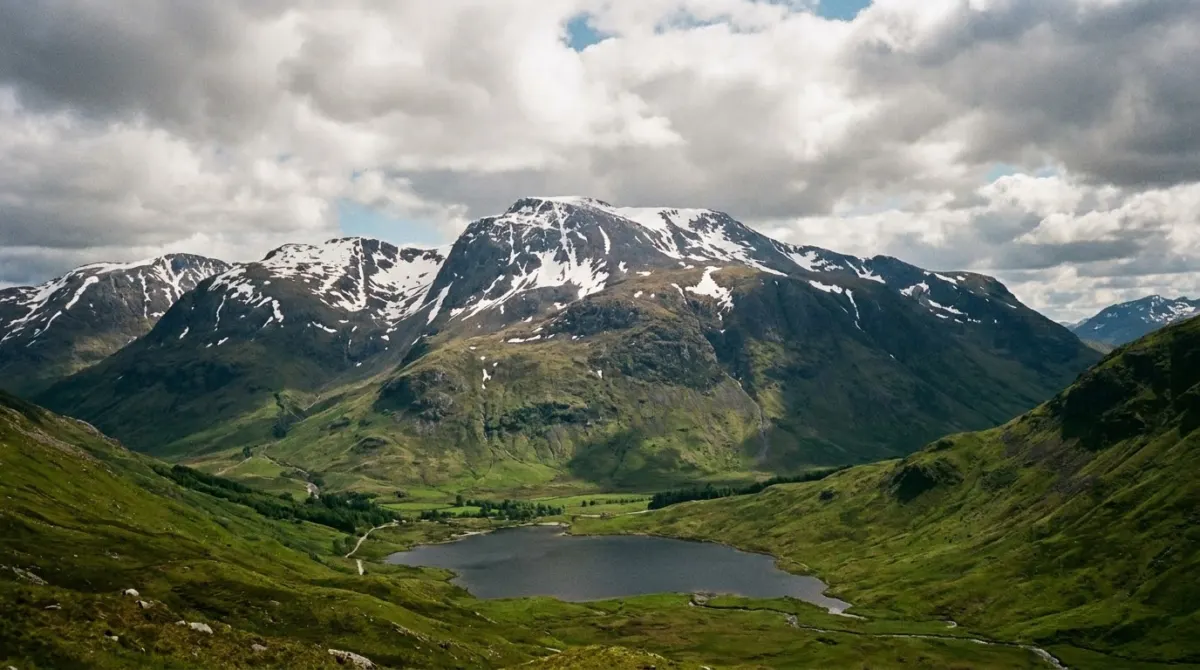
The Glencoe version gives you the Lost Valley, Ben Nevis or the Nevis Range, the Glenfinnan viaduct and the road to Mallaig, all from one room.
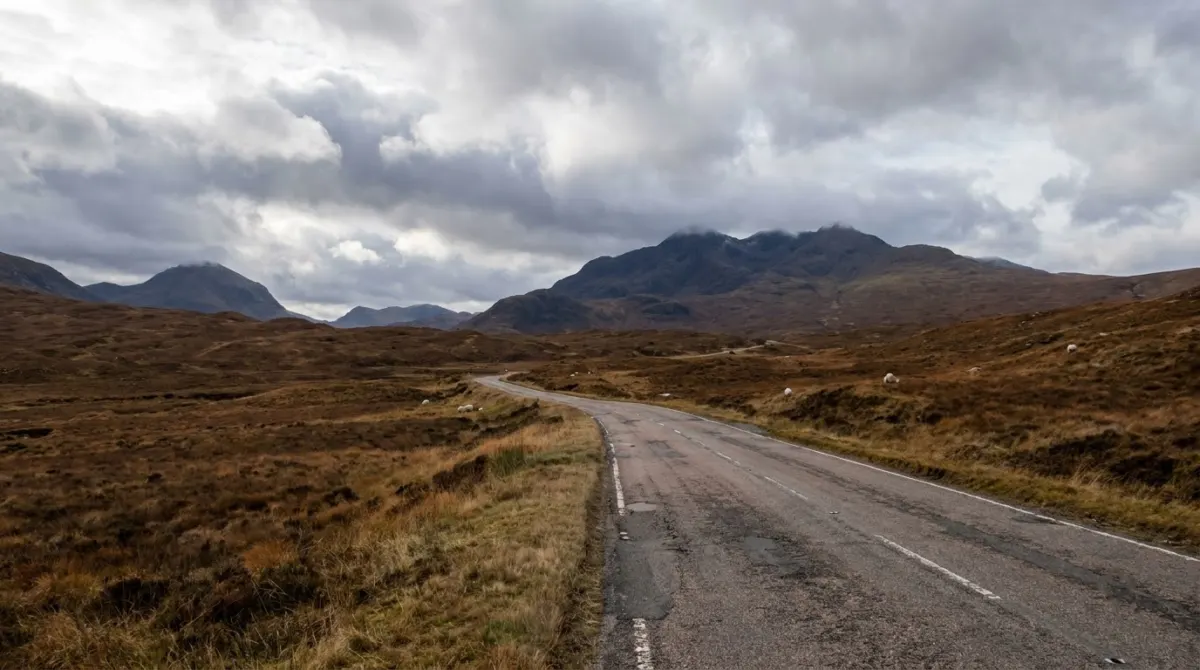
The Skye version gives you the Quiraing, the Old Man of Storr and the Fairy Pools, at the cost of two long driving days.
Which to choose
Take shape 1 if this is a first visit and you want to have seen the famous things: the capital, Glencoe and Loch Ness.
Take shape 2 if you have been to Edinburgh before, if you are walking, or if you dislike packing. Three nights in one Highland base is a genuinely different holiday from two nights in each of two.
Shape 2 is also the better bad-weather plan, because three days in one region means the cloud will lift at some point.
Can you fit Skye into six days?
Yes, with one of two compromises, and both are real.
Drop Edinburgh to two nights and run Edinburgh, Glencoe, Skye with two nights each. That is three bases, about twelve hours of driving, and a trip that moves constantly.
Drop Edinburgh entirely. Fly into Glasgow or Inverness, spend three nights at Fort William and three on Skye, and never see a city. For landscape, this is the strongest use of six days.
What does not work is Edinburgh, Skye and Inverness with two nights each, which looks reasonable and is nine hours of driving in a six-day trip.
Six days without a car
Trains and tours cover a surprising amount.
Days 1–3: Edinburgh, with a train day trip to Glasgow or Stirling.
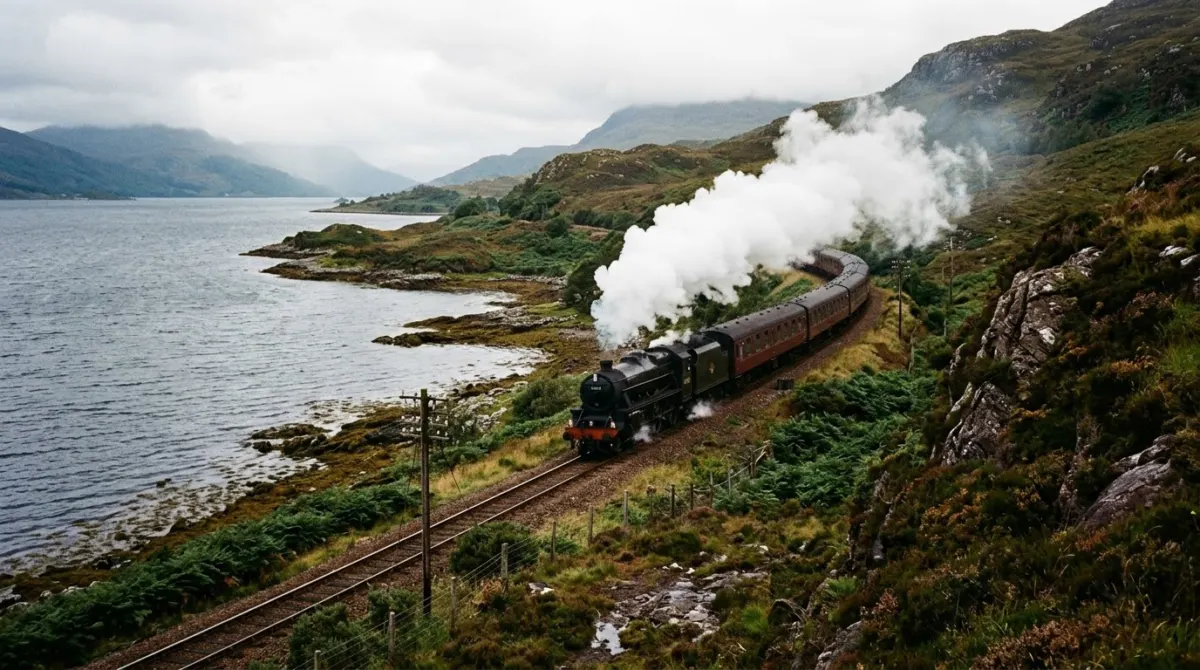
Day 4: the West Highland Line from Glasgow to Fort William, which is one of the great railway journeys in Europe rather than a transfer.
Day 5: the Jacobite steam train to Mallaig, or a day tour into Glencoe.
Day 6: train to Inverness for a flight, or back south.
You lose the glens between the stations and gain not driving at all.
Driving notes
Allow about two-thirds of the speed your navigation app predicts once you leave the central belt. The A82 along Loch Lomond is winding, busy and slower than its classification suggests, and it is the road you will use most.
Fill the tank in Fort William or Inverness rather than assuming, and do not plan to arrive anywhere unfamiliar after dark on your first Highland evening.
Midges, ticks and what to pack
The Highland weather is the obvious problem. The midge is the one first-time visitors underestimate.
Midges are tiny biting flies, and VisitScotland puts their season at roughly May to October, peaking in midsummer. They are worst in the west Highlands and the islands — on this itinerary that means Glencoe, Fort William and Skye — and in the early morning and evening, especially on calm, overcast days near water or woodland. A breeze keeps them down, so an exposed viewpoint can be clear while the car park below it is not. Buy a repellent made for midges, reapply it after rain, and check the midge forecast before planning an evening walk.
Ticks live in long grass and woodland, mostly in the warmer months, so anyone walking the Lost Valley or the Glen Nevis paths should check their legs afterwards.
For the rest, pack for four seasons in one day: a proper waterproof jacket and trousers, a warm layer even in July, and shoes that can stand a wet path. Edinburgh needs nothing special beyond comfortable shoes for the cobbles and the hills.
Where to stay
Book the Highland nights first. Glencoe and Skye both have small supply that goes months ahead in summer, while Edinburgh and Inverness have far more rooms.
In Edinburgh, central and on foot — see where to stay in Edinburgh. In Inverness, near the station for the tours.
If six days becomes seven, our 7 day Scotland itinerary is the version where the third base stops feeling rushed.
What six days costs in driving
Real numbers, because this is the difference between the two shapes.
Three bases: Edinburgh to Glencoe about three hours, Glencoe to Inverness about two and a half, plus local driving in each region. Call it eight hours over three days.
Two bases, Glencoe version: one transfer of three hours and whatever you do locally. Call it four.
Two bases, Skye version: five to six hours each way from Edinburgh, which is most of two days.
Four hours of driving in six days leaves a great deal of time for walking, eating and standing still. Twelve does not.
Where the six days usually go wrong
Four bases. Edinburgh, Glasgow, Glencoe and Inverness looks reasonable and means moving every day and a half.
One night in the Highlands. Weather here changes within the hour, so a single night in Glencoe or Skye is a coin toss on whether you see anything.
Driving back to the arrival airport. Inverness to Edinburgh is three and a half hours, and on a six-day trip that is a sixth of it.
Treating the A82 as a fast road. It is winding, busy and slower than its classification suggests for the whole stretch along Loch Lomond.
Six days with a focus
If you know what you came for, these three shapes beat both of the generic ones.
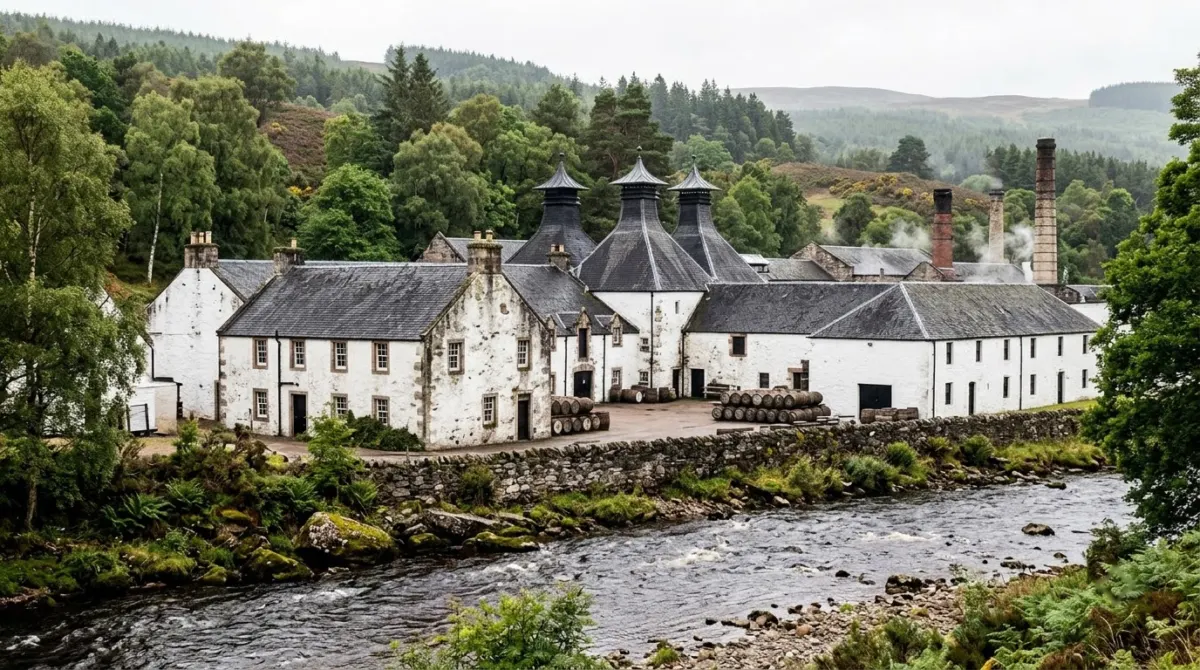
Whisky: Edinburgh two nights, then Speyside three or four, where the greatest concentration of distilleries in the world sits within half an hour of each other. Inverness is the airport.
Walking: Fort William or Glencoe for the whole six days, with Ben Nevis, the Lost Valley, the Mamores and a day on the Nevis Range gondola.
History: Edinburgh three nights, Stirling one, Culloden and Inverness two, which covers the Wars of Independence and the Jacobite risings end to end.
Arriving and leaving on six days
The departure airport matters more than the arrival.
Scotland has four useful airports: Edinburgh and Glasgow for the central belt, Inverness for the Highlands, and Aberdeen for the east. An open-jaw booking into Edinburgh and out of Inverness removes three and a half hours from the last day of the three-base route, and usually costs little more than a return.
On the two-base Skye version, flying into Glasgow rather than Edinburgh saves an hour each way and avoids crossing the central belt twice.
What to book first
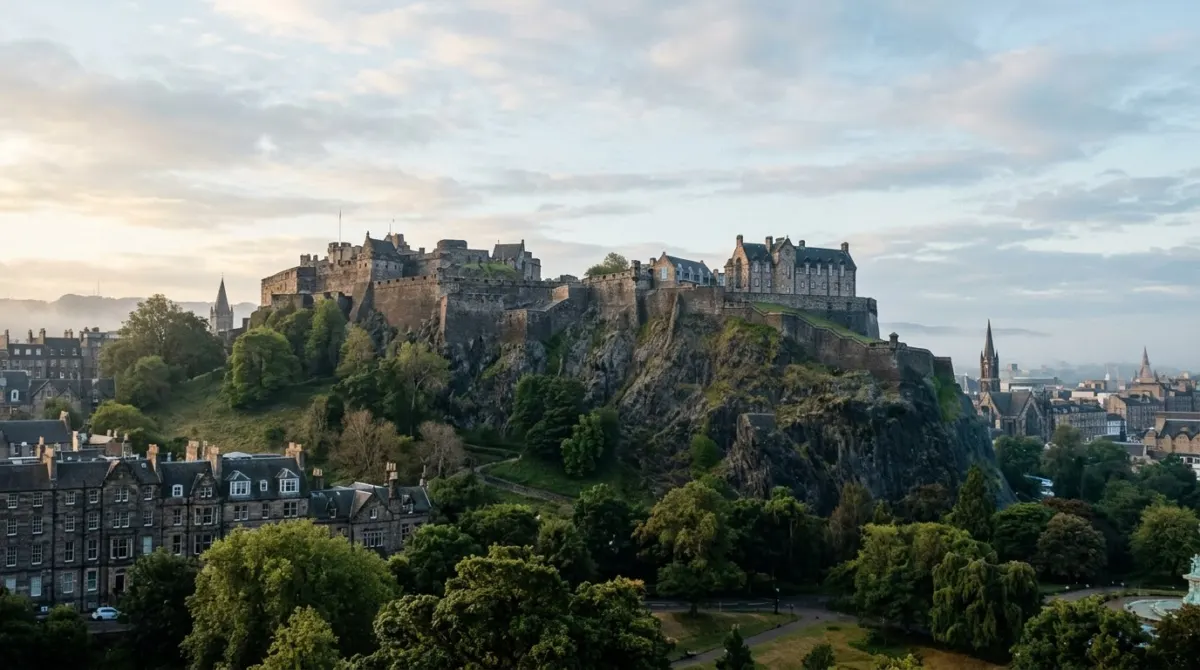
- The Highland nights. Glencoe, Fort William and Skye all have small supply that disappears months ahead in summer. Fix these before anything else.
- Edinburgh Castle, with an early timed slot.
- The Jacobite steam train, if it is on your list, because it sells out.
- An automatic car, if you need one. Manual is the default in Britain.
Is the Explorer Pass worth it on six days?
Often, on the three-base route. Historic Environment Scotland’s Explorer Pass covers its staffed sites for 14 consecutive days from the start date you choose, with one visit to each, and the three-base itinerary passes some of its biggest: Edinburgh Castle, Urquhart Castle on Loch Ness, and Stirling Castle if you detour by it on day three. Linlithgow Palace on the way out of Edinburgh and Fort George near Inverness are also included. The more of these you visit, the stronger the case — compare the pass price with the individual tickets for your own list before buying.
Three things it does not cover. Culloden and the Glencoe visitor centre belong to the National Trust for Scotland, which runs its own membership. The Palace of Holyroodhouse is excluded as well.
The pass does not remove the need to plan. Historic Environment Scotland recommends reserving each visit in advance for guaranteed entry, and the passes themselves are limited and can sell out in summer — so buy it when you book the Highland nights, and reserve the Edinburgh Castle slot at the same time.
The six-day mistake nobody warns about
Booking Edinburgh first.
Edinburgh has thousands of rooms and the Highlands have hundreds. If you fix your city dates and then look for Glencoe or Skye, you will find nothing in summer and pay a great deal for what is left.
Reverse it: find the Highland nights, then build the city around them. On a six-day trip, where you sleep in the Highlands decides the shape of the whole thing.
Six days with children
The two-base shape wins here, because the driving is what children find hardest.
Three nights in Edinburgh gives the castle, the free National Museum with its hands-on floor, and Holyrood Park. Three nights at Fort William gives the Jacobite steam train, which is the one thing on any Scottish itinerary that children reliably remember, plus the Nevis Range gondola and the beach at Arisaig.
What to avoid with young children is the three-base route, which puts a long drive in the middle of three of the six days.
Six days in winter
Highland daylight in midwinter runs to about seven hours, which changes the arithmetic: a three-hour transfer uses most of a usable day.
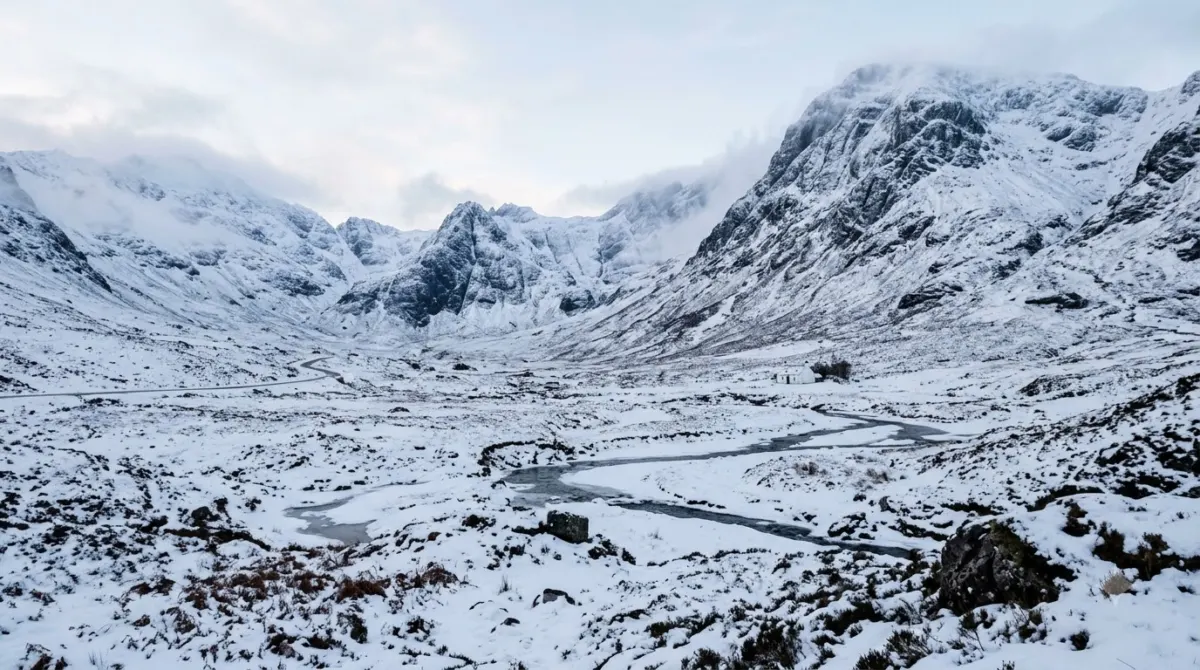
The adjustment is to drop to two bases and accept one long drive as the day’s activity rather than as the journey to it. Edinburgh three nights and Glencoe or Fort William three works well in January, and the glen in snow is better than at any other time of year.
The short version
Six days is three bases with two nights each, or two bases with three. Take three if this is a first visit and you want the capital, Glencoe and Loch Ness; take two if you have been before, if you are walking, or if the weather worries you. Book the Highland nights first, fly out of Inverness rather than driving back, and allow two-thirds of the predicted speed once you leave the motorway.
Frequently asked questions
Is 6 days enough for Scotland?
Yes, for three bases with two nights each, or two bases with three. Six days covers Edinburgh, the west Highlands and Loch Ness comfortably, or Edinburgh and one Highland region properly.
What is the best 6 day Scotland itinerary?
Two nights in Edinburgh, two in Glencoe or Fort William and two in Inverness, with Loch Ness on the drive north. If you have been to Edinburgh before, three nights in one Highland base is the better six days.
Can you see Skye in 6 days in Scotland?
Only by cutting something. Either drop Edinburgh to two nights and accept three bases and a lot of driving, or skip the cities entirely and split six days between Fort William and Skye.
Is it better to have two or three bases in six days?
Three if you want to have seen the famous places; two if you want to see them properly. Two bases also handles bad weather better, because three days in one region means the cloud will lift at some point.
Can you do 6 days in Scotland without a car?
Yes. Edinburgh and Glasgow by train, the West Highland Line to Fort William, the Jacobite steam train or a Glencoe tour, then the train to Inverness. You lose the glens between stations and nothing else.
How much driving is a 6 day Scotland trip?
About eight hours over three driving days on the three-base route, and closer to twelve if you add Skye. Allow two-thirds of the predicted speed once you leave the central belt.
Keep planning Scotland
- Where to Stay in Glencoe: Inside the Glen, or Twenty Minutes Away
- Where to Stay on Skye: Portree, or Closer to What You Came For
- Where to Stay in Glasgow: Centre for Convenience, West End for Everything Else
- Where to Stay in Inverness: A Base, Not a Destination
- Where to Stay in Edinburgh: Two Cities, Five Minutes Apart
- How Many Days in Scotland? Seven for the Highlands, Ten for Skye
- How Many Days in Edinburgh? Three, and the Hills Count
- 5 Day Scotland Itinerary: Two Bases, and What Will Not Fit
Written and checked by
Triplarks Editorial
An editorial desk, not an invented persona: research, drafting and fact-checking are done by the same small team. Every number here carries the date it was read.