
Costa Rica has around 800 miles of coastline split across two oceans, and the beaches on those two coasts are so different that picking the wrong one can quietly ruin a holiday. This guide covers the best beaches in Costa Rica the way a friend would explain them — which ones are genuinely worth the drive, which ones are genuinely pristine and which have sand the colour of wet cement, and which ones have currents strong enough to be dangerous.
Some links below are affiliate links. We may earn a commission if you book through them, at no extra cost to you. We do not rank hotels, and any prices on the map come live from the booking sites.
Quick answer: where to stay for the beaches. Guanacaste is the only region with large beach resorts, around Papagayo, Playa Hermosa and Flamingo. Tamarindo has the widest range, from dorm beds to boutique hotels, all walkable. For small guesthouses and low-rise hotels, look at Samara.
Check hotels in Tamarindo →Check hotels in Samara →See them on a map ↓
Nothing here is a brochure description. Prices and conditions were read on 15 August 2026 and sources are named where a number matters.
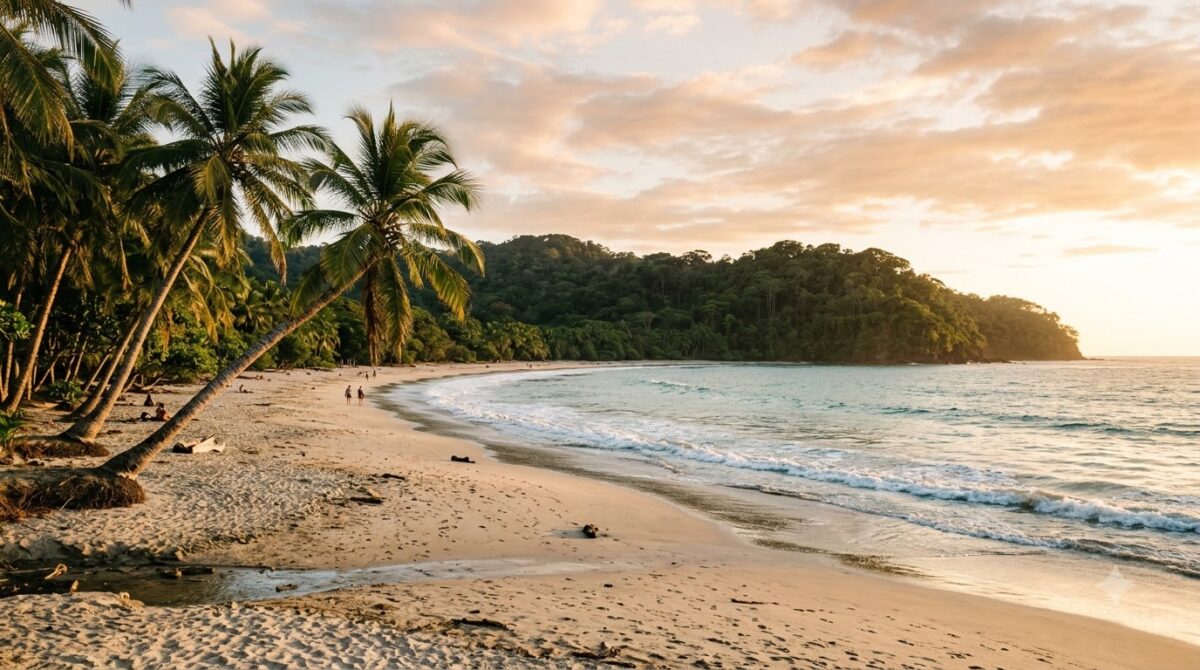
Pacific or Caribbean? Decide this first
Almost every disappointing Costa Rica beach holiday starts with someone booking a coast without knowing what separates them. The two sides of the country have different weather, different water, different food and a completely different atmosphere.
| Pacific coast | Caribbean coast | |
|---|---|---|
| Driest months | December to April | September and October |
| Sand | Everything from white to dark grey volcanic | Mostly golden to black, some coral-white in the south |
| Water | Bigger swell, better surfing, more rip currents | Calmer in the coves, some reef, warmer feel |
| Snorkelling | Poor to fair — visibility is often low | Better, especially around Cahuita and Punta Uva |
| Culture | Mainstream Costa Rican, heavily developed in places | Afro-Caribbean, Creole food, reggae rather than reggaeton |
| Access | Liberia airport serves the north Pacific directly | 4 to 5 hours drive from San Jose, no beach airport |
| Crowds | High in Guanacaste and Manuel Antonio | Much lower everywhere |
The single most useful thing to know is that the rain patterns run opposite to each other. When the Pacific coast is in its wettest stretch around September and October, the Caribbean coast is having its best, driest weeks of the year. If your dates are fixed and they fall in that window, the Caribbean is not the consolation prize — it is the correct answer.
The best beaches in Costa Rica, region by region
The country breaks into five coastal regions. Each one has a different reason to go, and travelling between two of them usually costs half a day, so most trips should pick one or two rather than trying to sample all of them.
Guanacaste: Playa Conchal, Flamingo Beach and Tamarindo
The Guanacaste region is where the resorts are. It is the driest part of the country, it has its own international airport at Liberia, and it is the reason a lot of people think of Costa Rica as a beach destination at all.
- Playa Conchal — the standout. Conchal beach is made of crushed shell rather than sand, the water is unusually clear for the Pacific, and it is one of the few genuinely white sand beach options in the country. Park at Brasilito and walk around the headland.
- Playa Flamingo — Flamingo Beach has pale soft sand and a calm swimming bay, plus the marina that most fishing and sailing trips leave from. The most upmarket stretch in the region.
- Playas del Coco — a working town rather than a resort strip. Grey sand and unremarkable swimming, but the cheapest base in Guanacaste and the departure point for most diving.
- Playa Hermosa (Guanacaste) — a calm crescent bay with almost no surf, backed by green hills. Note there are two beaches called Playa Hermosa in Costa Rica and the other one, near Jaco, is the opposite: heavy surf and no swimming.
- Playa Tamarindo — Tamarindo beach is the busiest beach town in the country. Good beginner surfing, endless restaurants and nightlife, and a strong crowd of people who came for two weeks and stayed two years. If you want quiet, this is not it.
Tamarindo is the busiest of them and gets its own honest guide.
The Nicoya Peninsula: Santa Teresa, Nosara and Samara Beach
Head south down the peninsula and the tarmac gives out. This is where the beach towns in Costa Rica start feeling less like resorts and more like villages that surfers never left.
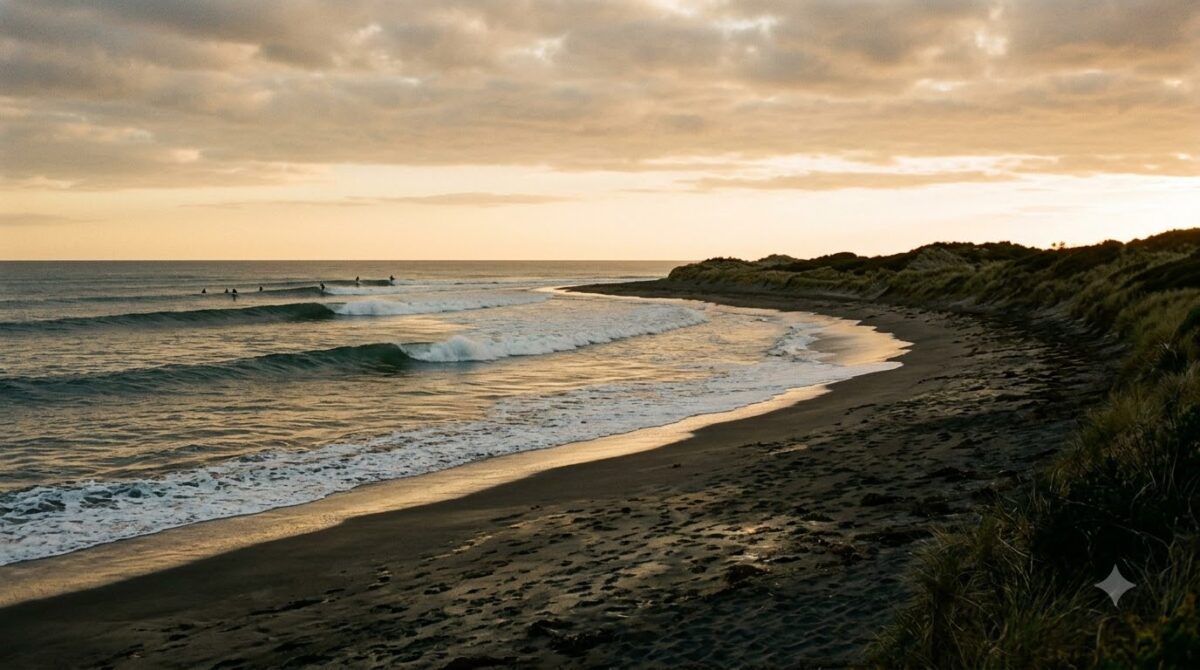
- Santa Teresa — a long dark-sand surfing beach with a dirt main road, excellent food for its size, and sunsets that genuinely justify the drive. Consistently rated among the best beach towns in the country.
- Nosara (Playa Guiones) — a wide flat beach with reliable, forgiving waves. The town is spread out and heavily yoga-oriented, and building is restricted near the shore, so it does not feel overdeveloped.
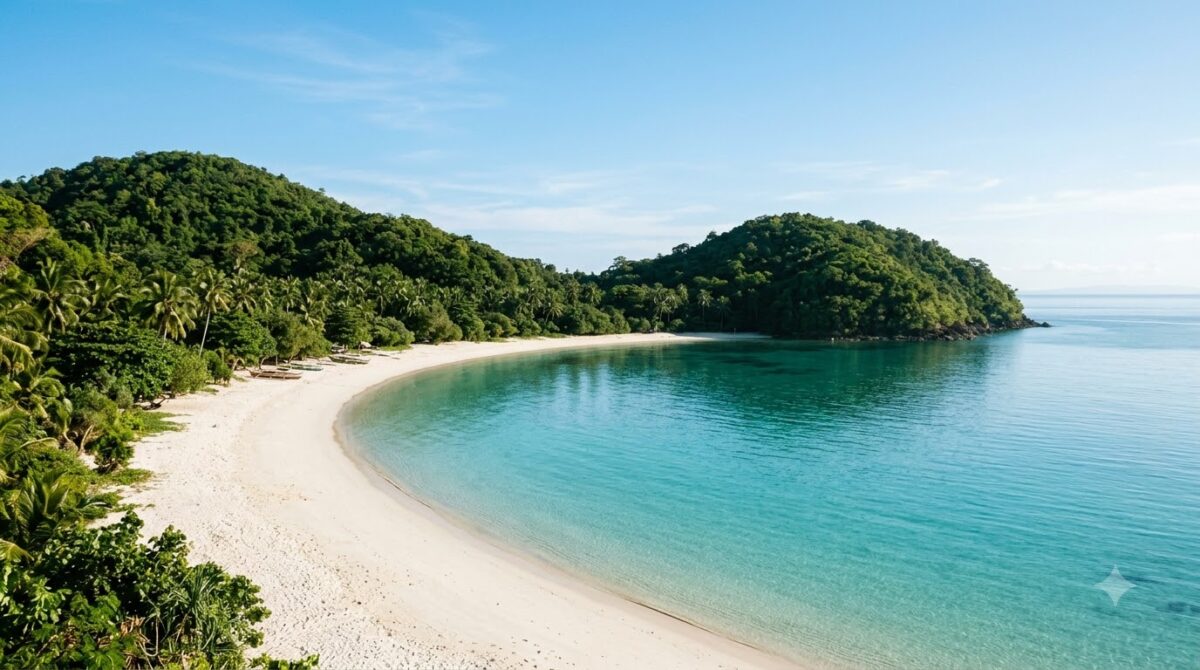
- Samara — Samara beach sits inside a reef-protected bay, which makes it one of the safest swimming beaches on the Pacific coast and the obvious choice for Costa Rica for families with small children. Samara Beach also has almost no rip current problem, which is rare here.
- Playa Carrillo — five minutes from Samara and almost empty. A perfect palm-lined crescent with no development on the beach itself. Puerto Carrillo village sits at the far end.
- Montezuma — small rocky coves, waterfalls walkable from town, and a bohemian streak the rest of the coast lost years ago. The swimming is fair rather than great.
The Central Pacific: Manuel Antonio National Park and Jaco
- Manuel Antonio — Manuel Antonio National Park protects four small beaches, and Manuel Antonio beach inside the park is the postcard: white sand, jungle to the waterline, monkeys in the trees behind you. Entry to the national park is US$18 for adults and US$5 for children aged 2 to 12 (SINAC, checked 15 August 2026). Playa Biesanz just outside the park is a quiet cove with calm water and good snorkelling by Pacific standards.
- Jaco — Jaco beach is the closest surf beach to the capital, roughly 90 minutes away. Grey sand, big crowds at weekends, a loud nightlife scene and a reputation that puts some travellers off. Good for a first surf lesson, not for a week.
- Playa Hermosa (Jaco) — three kilometres south and a serious surf beach with a powerful shore break. Experienced surfers only, and not a swimming beach at all.
Jaco is the closest beach to the capital and the most divisive on this coast — our honest guide to Jaco covers why.
The South Pacific: Uvita, Dominical and the Osa Peninsula
Below Manuel Antonio the coast empties out and the rainforest gets thicker. This is the part of the country that rewards a second trip.
- Uvita and Marino Ballena National Park — Marino Ballena is home to the Whale Tail, a sandbar that forms a tail shape at low tide and is one of the most photographed features on the coast. Uvita beach is the access point. Humpback whale watching runs roughly July to October and again December to March.
- Dominical — Dominical beach is a strong surf beach with a well-known rip current problem and a lifeguard service funded by the community. Beautiful, but treat the water with respect.
- Drake Bay and the Osa Peninsula — beaches here are an afterthought next to the wildlife, but Playa Blanca and the coves around Drake Bay are as close to empty as this country gets.
The Caribbean coast: Puerto Viejo, Punta Uva and Cahuita
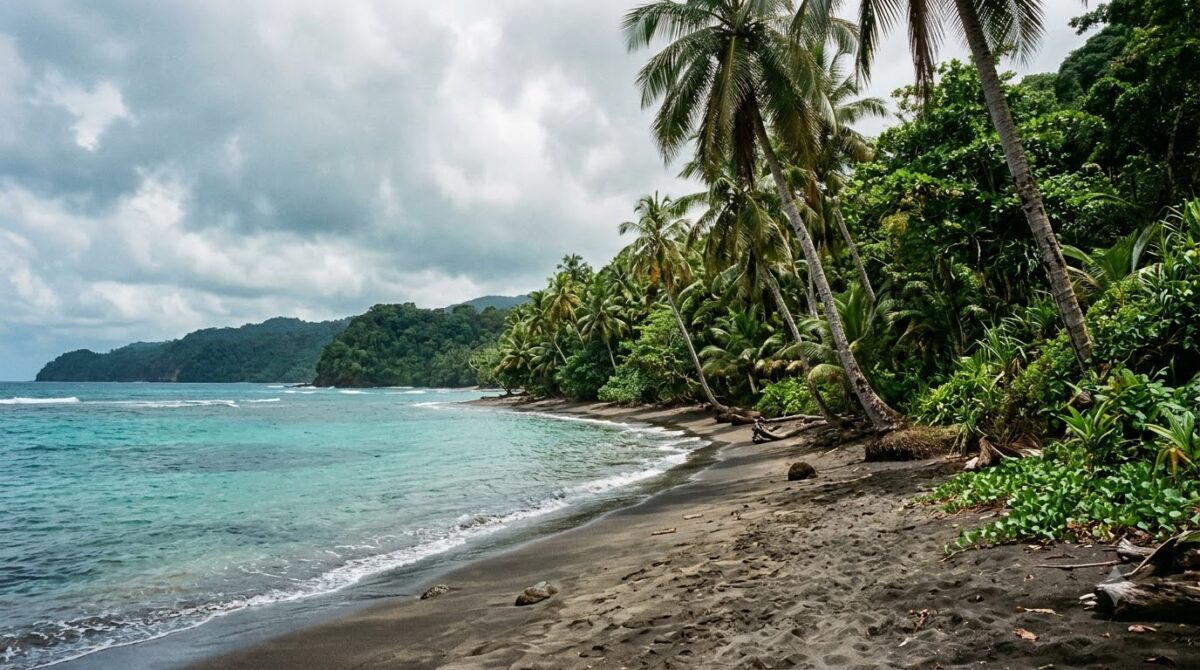
- Punta Uva — regularly named the most beautiful beach in the country. Warm calm water inside a reef, jungle overhanging golden sand, and a fraction of the crowds you would find at an equivalent Pacific beach.
- Playa Cocles — the surf beach for Puerto Viejo de Talamanca, with lifeguards in high season. Strong currents when the swell is up.
- Playa Chiquita and Manzanillo — a string of small beaches and coves running south towards the Panama border, ending in a wildlife refuge with good snorkelling.
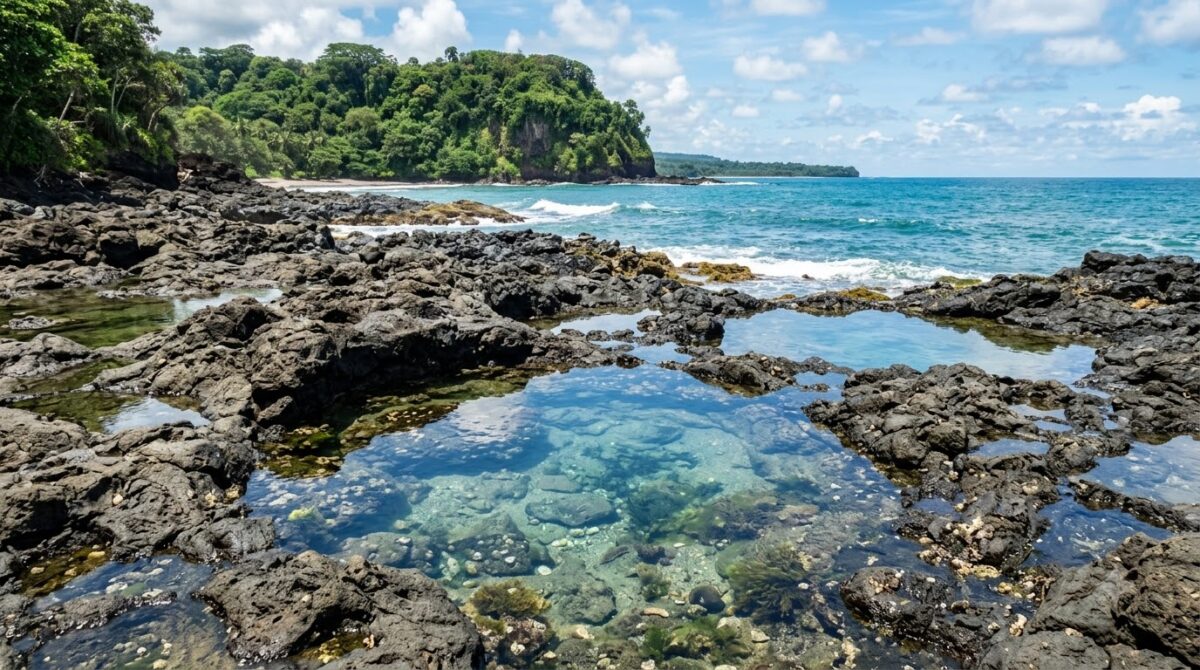
- Cahuita — Cahuita National Park has the best-preserved reef in the country and a coastal trail where sloths and howler monkeys are routine. Entry is by voluntary donation at the Kelly Creek entrance, which makes it one of the best value parks in Costa Rica.
- Tortuguero — a wild, grey, driftwood-strewn beach that nobody swims at, because the currents and the sharks make it a bad idea. You come for the sea turtle nesting, which peaks July to October, not for the beach itself.
Nosara gets its own guide because the town is more complicated than the beach — see our honest guide to Nosara.
Costa Rica beaches by what you actually want
Sorting by region only helps once you know what you are after. Here are the same beaches arranged by purpose.
| If you want | Go to |
|---|---|
| Calm water and safe swimming with children | Samara, Playa Carrillo, Punta Uva, Playa Biesanz |
| Your first surf lesson | Tamarindo, Jaco, Playa Guiones in Nosara |
| Serious surfing | Santa Teresa, Playa Hermosa near Jaco, Dominical, Pavones |
| Genuine white sand beach | Playa Conchal, Manuel Antonio, Playa Flamingo |
| Snorkelling and tide pools | Cahuita, Manzanillo, Playa Biesanz |
| A quiet beach with nobody on it | Playa Carrillo, San Juanillo, Drake Bay, Playa Arrecife |
| Wildlife on the sand | Manuel Antonio, Cahuita, Tortuguero, Corcovado |
| Nightlife within walking distance | Tamarindo, Jaco, Santa Teresa, Puerto Viejo |
| Whale watching | Uvita and Marino Ballena National Park |
The Caribbean side gets its own guide — see Puerto Viejo and the southern Caribbean coast.
Rip currents: the part most guides leave out
This is the honest bit. Costa Rica has a serious drowning problem, and rip currents are the cause in the large majority of cases. The Pacific coast in particular has long open beaches with steep drop-offs and very few lifeguards — most beaches in the country have none at all.
- Beaches with a known rip current reputation include Jaco, Dominical, Playa Hermosa near Jaco, Playa Cocles and much of Tamarindo when the swell is up.
- The safest swimming is in bays protected by reef or headland: Samara, Playa Carrillo, Punta Uva, Playa Biesanz, Manuel Antonio.
- If you are caught in one, do not swim against it. Swim parallel to the shore until you are out of the pull, then come in at an angle.
- A gap in the breaking waves is not a calm patch to swim in. That gap is usually the rip itself.
- Never swim alone at an unpatrolled beach, and be especially careful in the first and last hour of daylight when nobody is around.
None of this should put you off. It just means choosing where to swim rather than assuming any beautiful beach is a safe one.
Best time to visit: dry season and the rainy season
The Pacific dry season runs roughly December to April, and that is peak season for a reason: reliable sun, calm afternoons, and the highest prices of the year. The green season from May to November brings afternoon rain rather than all-day rain, along with lower prices and a much emptier coast.
- December to April — best Pacific weather, highest prices, book beach accommodation months ahead.
- May to July — mornings usually clear, rain in the afternoon, good value, everything still green.
- September and October — the wettest weeks on the Pacific and the driest on the Caribbean. Go east.
- July to October — humpback whales off the south Pacific and turtle nesting on both coasts.
Water temperature barely moves across the year and sits in the high twenties Celsius on both coasts, so there is no cold season to plan around. What changes is rain, swell and how many other people are on the sand.
Getting there: rent a car for the Pacific coast
You will want to rent a car for anything beyond a single-base beach holiday, and the coastal roads are the main reason. Buses connect the big beach towns but run on their own schedule and skip the small beaches entirely.
- Fly into Liberia if your trip is Guanacaste-focused. It saves four hours of driving compared with San Jose.
- Budget for mandatory insurance. Costa Rican law requires a liability policy that rental companies add at the counter, typically US$30 to US$45 a day on top of the advertised rate. The US$12 a day car you booked online does not exist.
- Take the four-wheel drive for the Nicoya Peninsula and anywhere in the green season. Several roads to good beaches involve river crossings.
- Domestic flights from San Jose to Tamarindo, Nosara, Quepos, Drake Bay and Puerto Jimenez cost around US$100 to US$160 one way and turn a six-hour drive into forty minutes.
Things worth knowing about Costa Rica’s beaches
- Every beach is public. Costa Rican law puts the first 50 metres above the high tide line in public ownership, so no hotel can fence off a beach. If a resort implies otherwise, walk around it.
- Very few beaches have facilities. Bring your own water and shade. Beach areas outside the main towns rarely have so much as a toilet.
- The sand can be genuinely hot. Dark volcanic sand on the Pacific is painful to walk on barefoot at midday.
- Do not leave anything in a parked car. Beach car park break-ins are the most common crime against visitors by a wide margin.
- Sand flies are real on the Caribbean side at dawn and dusk. Repellent with a high DEET content is the only thing that reliably works.
- Crocodiles live in river mouths. Do not swim where a river meets the sea, particularly on the central Pacific coast.
Where to stay: recommendations for each beach region
Beach resorts in Costa Rica cluster in a few predictable places, and the gap between the expensive stretches and the cheap ones is wider than most people expect. These are honest recommendations for where to stay rather than a list of everything available.
- Guanacaste region — the only part of the country with genuine large-scale beach resorts, concentrated around Papagayo, Playa Hermosa and Flamingo Beach. Potrero and Brasilito next door are noticeably cheaper for the same Pacific beaches. This is the easiest region of Costa Rica for a straightforward beach vacation.
- Tamarindo — the widest range of anything on the coast, from dorm beds to boutique hotels, all walkable. The trade-off is that Tamarindo beach is also the busiest of the popular beach towns.
- Samara and Playa Carrillo — small guesthouses and a handful of low-rise hotels. Best value on the Pacific coast for families, and Samara Beach is a two-minute walk from most of them.
- Manuel Antonio — hotels line the ridge road above the national park with views over the Pacific Ocean. Expensive for what you get, but you can walk to the park gate.
- Puerto Viejo de Talamanca — cabinas and small lodges spread along the road towards Manzanillo. The cheapest coastal base in the country and the one with the most character.
- Santa Teresa — surf hostels at one end and serious luxury at the other, with very little in between.
Map shows live availability and prices. We may earn a commission on bookings made through it, at no extra cost to you.
Pairing tropical beaches with the interior
Very few people come here only for tropical beaches. The standard mistake is booking ten days of sand and then discovering that the best places to visit in Costa Rica are two hours inland.
- La Fortuna and Arenal pairs naturally with Guanacaste — roughly three hours by road, and the contrast between volcano and Pacific beaches makes for a better week than either alone.
- Monteverde sits between the Guanacaste region and the central Pacific, so it slots in without backtracking.
- Manuel Antonio is the one beach destination that is also a wildlife destination, which makes it the efficient choice on a short trip.
- Rincon de la Vieja is ninety minutes from the northern beaches and gives you volcanic mud pools and waterfalls on a day trip.
If your dates are short, one region of Costa Rica plus one inland stop beats trying to visit Costa Rica end to end. The country looks small on a map and drives large.
A one-week Costa Rica beach vacation that works
If this is your first trip to Costa Rica and you want beaches without spending the week in the car, the following splits cleanly.
- Days 1 to 3, Guanacaste. Fly into Liberia, base near Flamingo or Brasilito, and use the days for Conchal beach, a boat trip from the marina and a sunset at Playa Hermosa.
- Days 4 to 7, Nicoya. Drive south to Samara or Nosara. Swim at Samara Beach, drive out to Playa Carrillo for an afternoon with nobody on it, and take a surf lesson if you want one.
- Add days 8 to 10 if you have them. Continue to Santa Teresa for the surf and the sunsets, or cut inland to Arenal for a couple of nights of volcano and hot springs to break up the sand.
For a trip to Costa Rica that mixes coast with rainforest, pair any of these with the regions covered in our guide to the rest of the country. The beaches are the easy part — the harder decision is how much time to give the interior. Costa Rican beaches reward picking two or three properly over a rushed attempt to see all of them.
For a beach that is genuinely safe to swim at, see Samara — a reef across the bay keeps the water flat.
Frequently asked questions
Which is better, the Pacific or Caribbean coast of Costa Rica?
The Pacific has more choice, better infrastructure and reliable dry-season sun. The Caribbean has calmer swimming coves, better snorkelling, a distinct Afro-Caribbean culture and far fewer people. If you are travelling in September or October, the Caribbean is clearly better because the rain patterns are the reverse of each other.
What is the most beautiful beach in Costa Rica?
Punta Uva on the Caribbean coast and Playa Conchal in Guanacaste are the two that come up most often. Conchal is crushed shell rather than sand with unusually clear water. Punta Uva is a calm reef-protected cove with jungle overhanging the beach.
Are Costa Rica beaches safe for swimming?
Some are, many are not. Rip currents are the leading cause of drowning in the country and most beaches have no lifeguard. Stick to bays protected by reef or headland such as Samara, Playa Carrillo, Punta Uva and Playa Biesanz, and treat any long open Pacific beach with caution.
Does Costa Rica have white sand beaches?
A few. Playa Conchal, Manuel Antonio and Playa Flamingo are the closest to white sand. Most of the Pacific coast is golden to dark grey volcanic sand, and parts of the Caribbean coast are black. Anyone expecting the Caribbean postcard everywhere will be disappointed.
What is the best beach town in Costa Rica?
Santa Teresa and Nosara for surf and atmosphere, Samara for families, Tamarindo for nightlife and convenience, Puerto Viejo for something completely different. The best beach towns depend entirely on whether you want things to do in the evening or want nothing at all.
Do you need a car to visit the beaches in Costa Rica?
For one base, no. For anything else, yes. Public buses connect the main beach towns but not the small beaches between them, and the good quiet beaches almost always need your own transport. Budget the mandatory insurance at US$30 to US$45 a day on top of the rental rate.
When is the best time to go to the beach in Costa Rica?
December to April for the Pacific coast, which is the dry season and also the most expensive. May to July gives clear mornings, afternoon rain and much better value. September and October are the wettest weeks on the Pacific and the best of the year on the Caribbean.
Park fees, rental car insurance rates and seasonal information read 15 August 2026. Prices change — confirm before you book.