
The short answer is late April to early June, or September to October. Warm weather, long days, and crowds that are heavy rather than impossible.
Some links below are affiliate links. We may earn a commission if you book through them, at no extra cost to you. We do not rank hotels, and any prices on the map come live from the booking sites.
Quick answer: where to stay. A first trip to Italy usually runs on four bases: Rome, Florence, the Cinque Terre and Venice. April to May and September to October suit all three cities.
The longer answer is that Italy is 1,200 kilometres long, and asking about the best time to visit Italy as a single country is like asking about the best time to visit somewhere between Vermont and Georgia. The Dolomites and Sicily run opposite calendars. Where you are going changes the answer more than anything else.
Seasons, festival dates and closure patterns checked 6 September 2026.
Italy month by month
| Month | Weather | Crowds | Verdict |
|---|---|---|---|
| January | Cold, damp north; mild south | Lowest | Cheap. Cities only |
| February | Cold, variable | Low, except Carnival | Venice Carnival is its own event |
| March | Cool, unsettled | Building | Good value, bring layers |
| April | Mild, some rain | Busy at Easter | Very good, avoid Easter week |
| May | Warm, long days | Busy | Arguably the best month |
| June | Hot by late month | Very busy | Excellent early, hard late |
| July | Hot | Peak | Coast and mountains only |
| August | Hottest | Peak, and Italians travel too | The month to avoid |
| September | Warm, settled | Busy, easing late | The other best month |
| October | Mild, some rain | Moderate | Best value of the good months |
| November | Wet, grey | Low | Cheap. Truffle and olive season |
| December | Cold | Low, then Christmas | Christmas markets in the north |
The best time to visit Italy by region
This is the part most guides skip, and it is the part that actually decides your trip.
| Where | Best | Avoid |
|---|---|---|
| Rome, Florence, Venice | April–May, September–October | July–August heat |
| Tuscany and Umbria countryside | Late April–June, September | August, and winter (things close) |
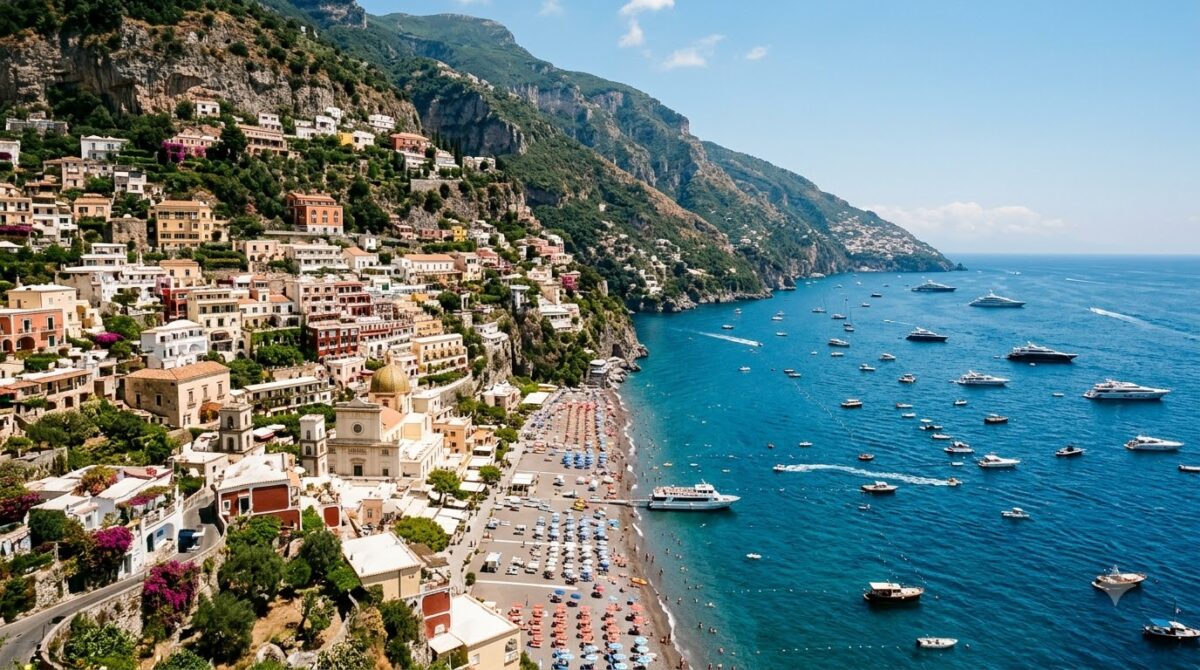
| Amalfi Coast, Capri, Sicily | May–June, September | August crowds, winter closures |
| Cinque Terre | May, late September | August, and after autumn landslides |
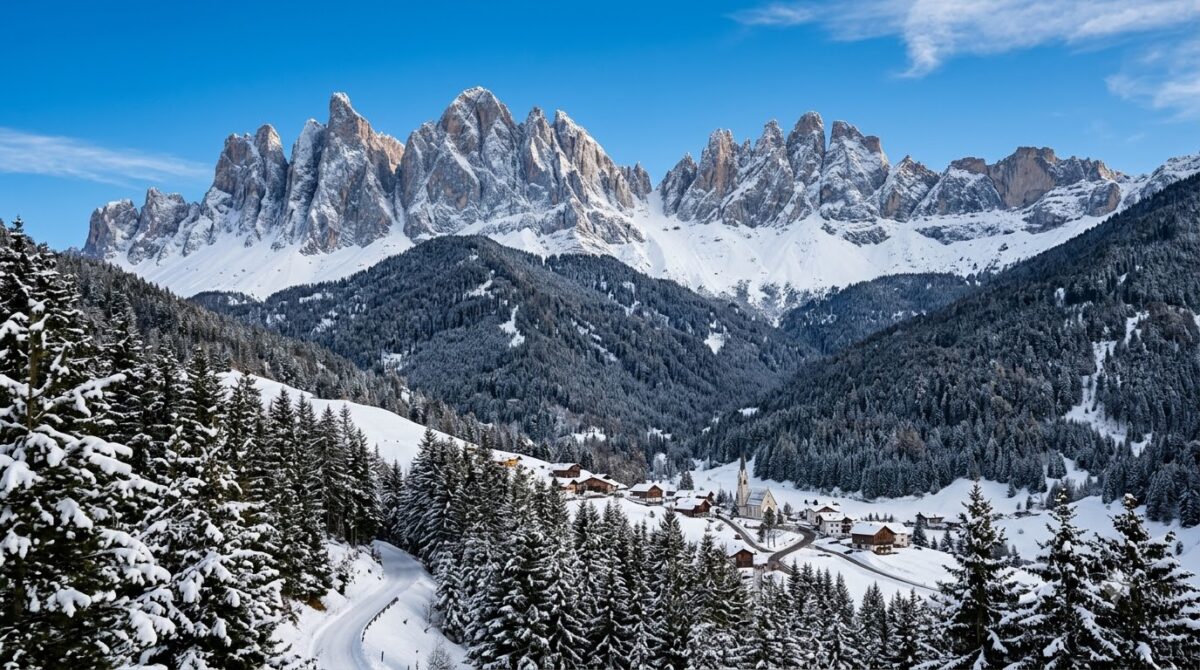
| The Dolomites | Late June–September for hiking; January–March for skiing | April–May and November: everything shut |
| The Italian Lakes | May–June, September | November–March, largely closed |
| Puglia and the far south | May, June, September, October | August |
Note what that table shows. The Dolomites are at their worst in late spring, which is close to the best time everywhere else, because the snow has gone and the summer lifts have not started. Southern Italy is warm enough for the coast a month earlier and a month later than the north. Planning a trip to Italy that spans both ends of the country means one of them will be off-season.
Spring: March to June
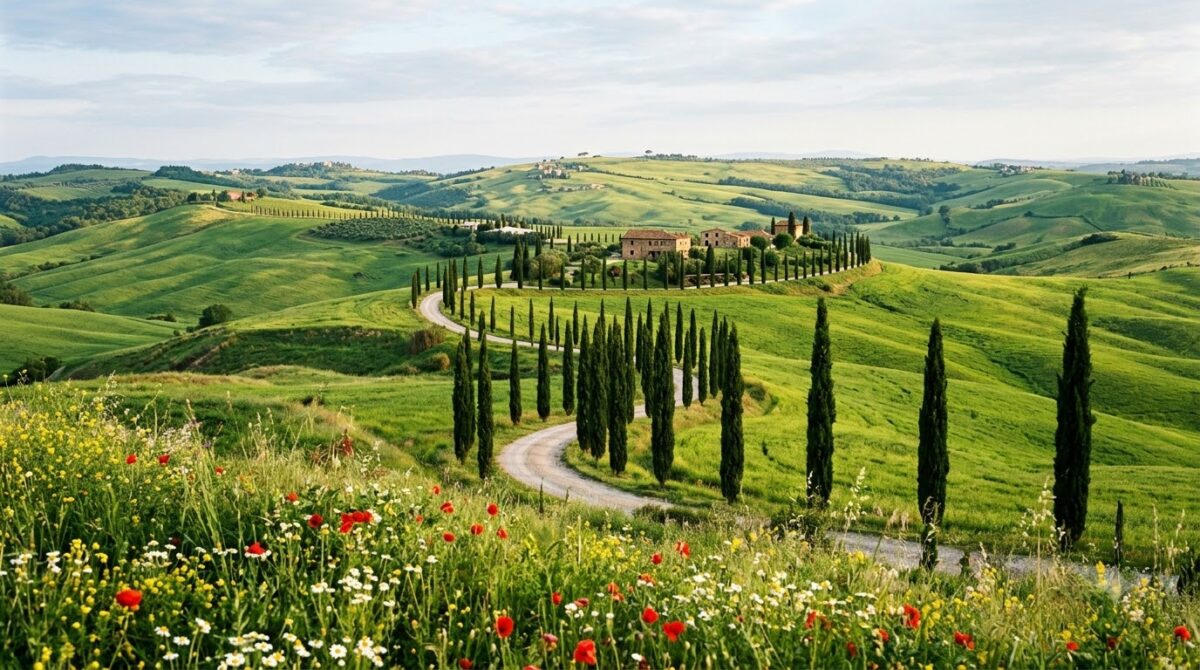
Italy in the spring is the classic answer, and late April to early June is the sweet spot. Wildflowers in Tuscany and Umbria, comfortable walking weather for Rome and Florence, and everything open after the winter.
- March is still unsettled and northern cities can be cold and wet, but prices are low and museums are quiet.
- April is lovely apart from Easter week, when Rome in particular fills with pilgrims and prices spike. Check the date, it moves each year.
- May is the best single month for most itineraries: warm, dry enough, long daylight, and the countryside still green.
- Early June holds; late June starts to feel like summer, and the coast fills up.
The green window is short. The Tuscan countryside people picture is a spring phenomenon. By July the hills are the colour of straw.
Summer: July and August
Summer in Italy is the most popular time to travel and the worst time to see the cities. Rome and Florence get genuinely hot, and standing in an unshaded queue at the Colosseum in August is not a holiday.
- Peak tourist season, peak prices, and the longest queues of the year.
- August is when Italians take their own holidays. Ferragosto, on 15 August, is the high point, and many family-run restaurants and small shops close for one or two weeks around it, particularly in the cities.
- If you must travel in summer, go where the heat is the point: the coast, the lakes, or the Dolomites, where high season is the right season.
- Adopt the Italian day. Sights early, a long lunch and rest through the afternoon, out again after six.
Map shows live availability and prices. We may earn a commission on bookings made through it, at no extra cost to you.
Autumn: September to November
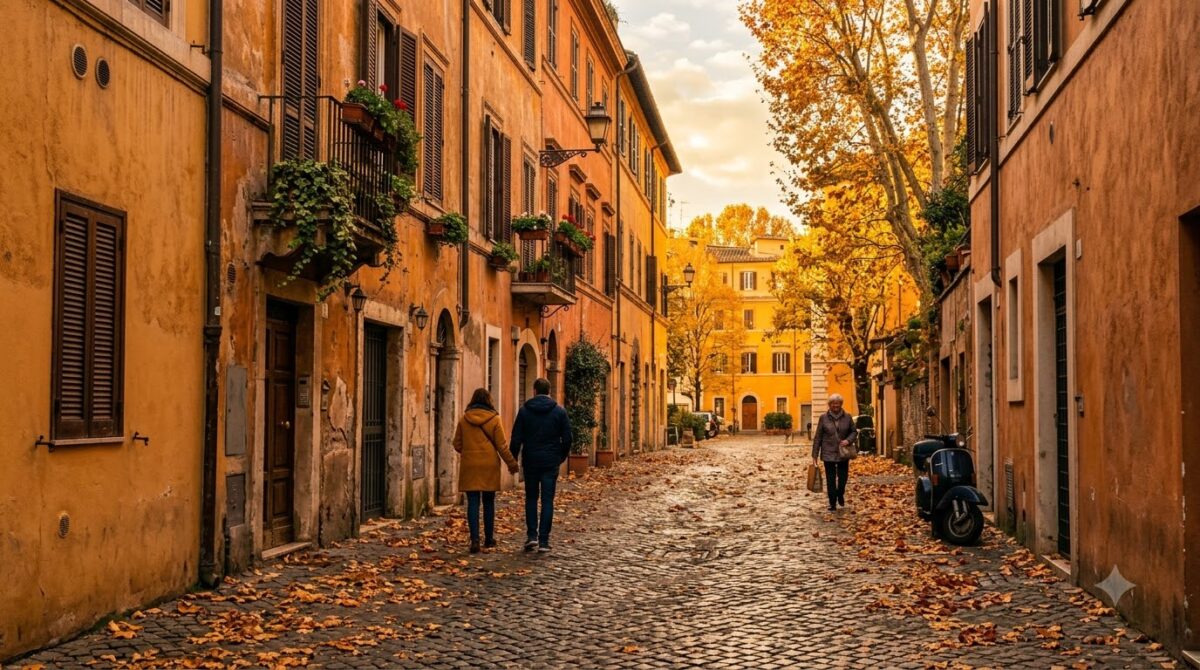
September is the best month of the year for many travellers, and October is the best value of the good months. The sea is still warm from summer, the cities have emptied slightly, and the light is better for it.
- September keeps summer weather without August crowds. Coastal Italy is still fully open.
- October brings some rain and much lower prices, and is ideal for Rome, Florence and walking tours in Tuscany.
- November is grey and wet, and it is also truffle season in Piedmont and Umbria and the olive harvest across the centre. Food travellers should take it seriously.
- Coastal resorts start closing from late October, and much of Cinque Terre, the Amalfi Coast and the lakes wind down for winter.
Winter: December to February
Winter is the cheapest time to travel to Italy and the only time you will have the big sights close to yourself.
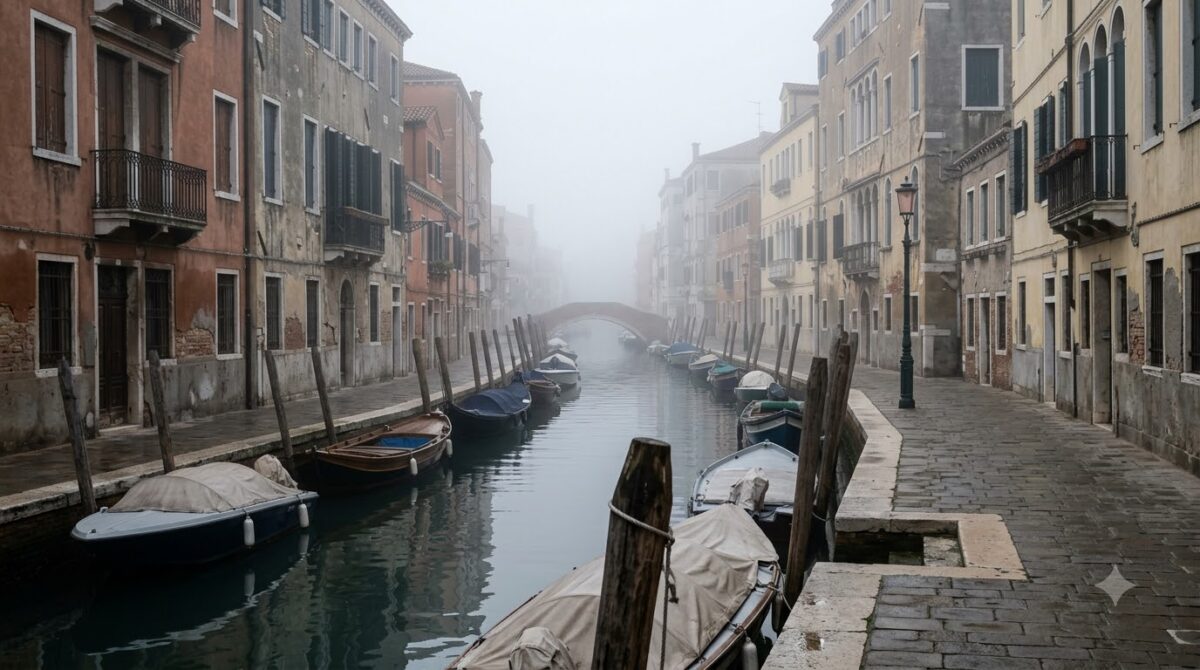
- Cities work well. Rome is mild, and Florence and Venice are cold but empty. Visiting Venice in fog with no crowds is a genuinely different experience.
- Christmas markets run through December in the north, strongest in Trentino and the Alto Adige where the culture is part Austrian.
- Skiing in the Dolomites is world class and runs roughly January to March.
- The coast is shut. Cinque Terre, the Amalfi Coast, Capri and the lakes largely close. Do not plan a winter trip around them.
- Some museums cut their hours, and daylight is short.
Best time by what you want to do
- Cities and museums: October to April. Cool weather is an advantage indoors and the queues shrink.
- Beaches and swimming: June and September. July and August work but you share them with everyone.
- Hiking, including Cinque Terre and the Dolomites: May and September for the coast, late June to September for the mountains.
- Food and wine: September to November. Harvest, truffles, olive oil, and the festivals that go with them.
- Lowest prices: November to March, excluding Christmas and New Year.
Dates to check before you book
- Easter — moves every year, and fills Rome. Check it before booking spring.
- Ferragosto, 15 August — the national holiday, and the week around it is when Italy closes for itself.
- Venice Carnival — February, and Venice is fully booked and expensive for it.
- Local patron saint days — every town has one, and shops and some sights close.
Once you have the month, our 10 day Italy itinerary sets out a route through Rome, Florence, Cinque Terre and Venice, and where to stay in Rome covers the neighbourhood decision at the first stop.
Frequently asked questions
What is the best month to visit Italy?
May or September. Both give warm weather and long days without the July and August heat, and both fall outside the peak crowd months. October is close behind and is the best value of the good months, with slightly more rain.
What is the worst time to visit Italy?
August. It is the hottest month, the most crowded, the most expensive, and it is also when Italians take their own holidays, so many family-run restaurants and small shops close for a week or two around Ferragosto on 15 August.
Is it worth visiting Italy in winter?
For the cities, yes. Rome is mild, Florence and Venice are cold but nearly empty, prices are at their lowest and the major museums have no queue. Avoid winter if your trip is built around the coast, because Cinque Terre, the Amalfi Coast, Capri and the lakes largely shut down.
When is the cheapest time to go to Italy?
November to March, excluding Christmas, New Year and Venice Carnival. Flights and accommodation are at their lowest, and city sights are quiet. The trade-offs are short daylight, wet weather in the north and widespread closures on the coast.
What is the best time to visit the Amalfi Coast and southern Italy?
May, June and September. The south warms up earlier and stays warm later than the north, so the coastal season runs longer. Avoid August, when the coast is at its most crowded and expensive, and avoid winter, when many hotels and ferries stop running.
When should I visit the Dolomites?
Late June to September for hiking, when the trails are clear and the mountain lifts and huts are open, or January to March for skiing. Avoid April, May and November, when the snow has gone or not yet arrived and much of the infrastructure is closed between seasons.
Is September or October better for Italy?
September for warmth and swimming, October for value and city sightseeing. September still feels like summer with fewer people, and the sea is at its warmest. October is cooler with more rain, but prices drop and Rome, Florence and Tuscany are at their most comfortable for walking.