
Two days in Rome is a subtraction problem, not an addition one. Almost every 2 day Rome itinerary you will read tries to fit the Colosseum, the Vatican and the historic center into 48 hours. You can technically do it. You will also spend both days walking fast, queuing, and not looking at anything for long.
Some links below are affiliate links. We may earn a commission if you book through them, at no extra cost to you. We do not rank hotels, and any prices on the map come live from the booking sites.
Quick answer: where to stay for two days. Stay central. On two days, a room in the historic centre or Monti buys back more time than it costs.
Check hotels in Monti →Check all of Rome →See them on a map ↓
Rome in 2 days holds two of those three blocks properly. This itinerary picks which two, says plainly what you are giving up, and keeps the walking sensible. Booking rules and opening patterns checked 6 September 2026.
Is 2 days in Rome enough?
Enough for a strong first taste. Not enough for the city.
Rome has three separate half-day-plus commitments that do not sit near each other:
- Ancient Rome — Colosseum, Roman Forum and Palatine Hill, on one ticket. Three to four hours.
- Vatican City — Vatican Museums, Sistine Chapel and St Peter’s Basilica. Four hours, and it is across the river.
- The historic center — Pantheon, Trevi Fountain, Piazza Navona, Spanish Steps. Half a day on foot, no tickets.
Two days gives you roughly three of those four half-days once travel and meals are counted. So one block gets compressed or cut, and the honest question is which.
The two-day plan
| Morning | Afternoon | Evening | |
|---|---|---|---|
| Day 1 | Colosseum, Roman Forum and Palatine Hill | Capitoline Hill, then walk into the center | Pantheon, Trevi Fountain, dinner in the center |
| Day 2 | Vatican Museums and St Peter’s Basilica | Castel Sant’Angelo and the river | Trastevere |
What this cuts: the Spanish Steps and Piazza del Popolo get a fast pass or nothing, the Borghese Gallery is out entirely, and there is no day trip.
Book two things before you fly: the Colosseum combined ticket and a Vatican Museums entry slot. In high season both sell out days ahead, and on a two day trip a lost morning is a quarter of your visit.
Day 1: ancient Rome, then the center
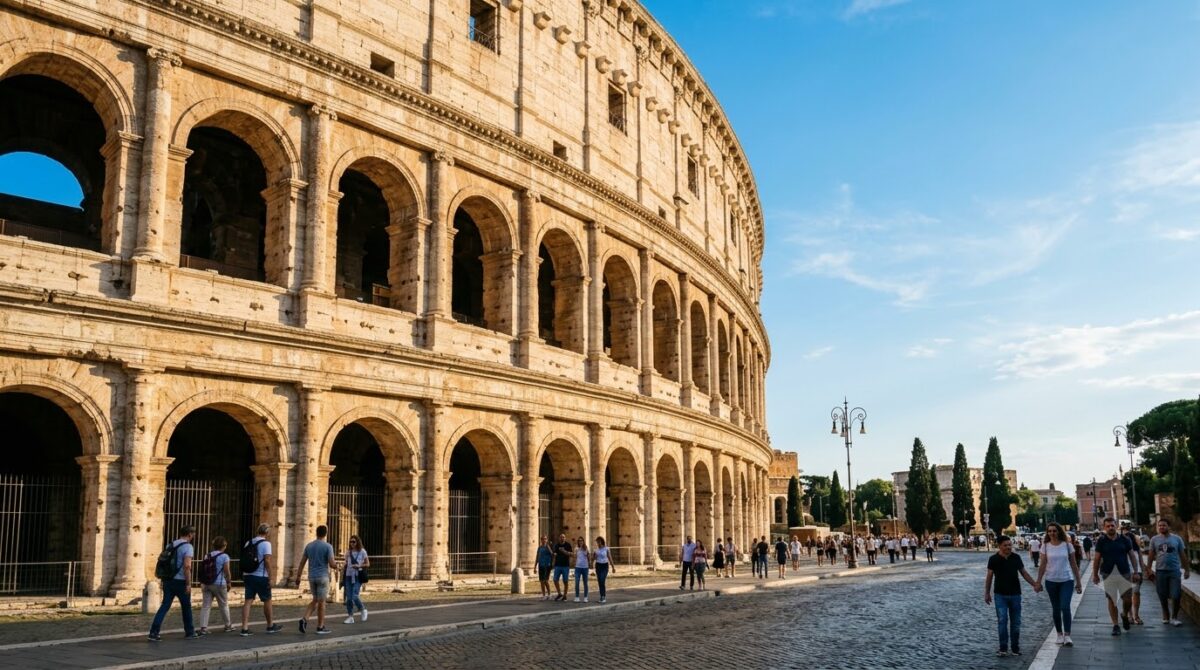
First thing in the morning: the Colosseum
Take the earliest slot available. The site has almost no shade, the first entries are the emptiest, and you want the energy for the Forum afterwards.
Visit the Colosseum first, then the Forum, then Palatine Hill — they run in that order on one ticket and you walk between them. Allow three hours; people budget ninety minutes and regret it.
- An audio guide or a guided tour is worth more here than anywhere else in Rome. The Roman Forum is an unsigned field of foundations. With a guide it becomes a city; without one it is rubble.
- Underground and arena floor tickets are separate and sell out first. Skip them on two days rather than reshaping the morning.
- Take water. Rome has public drinking fountains everywhere, and this site is the hottest place you will stand all trip.
Afternoon: Capitoline Hill and the walk in
Walk up to Piazza del Campidoglio, designed by Michelangelo, and out to the terrace behind it for a free view back over the Forum you just crossed. Then walk northwest into the historic center — about fifteen minutes, and it is one of the better walks in Rome.
Evening: the Pantheon and the Trevi Fountain
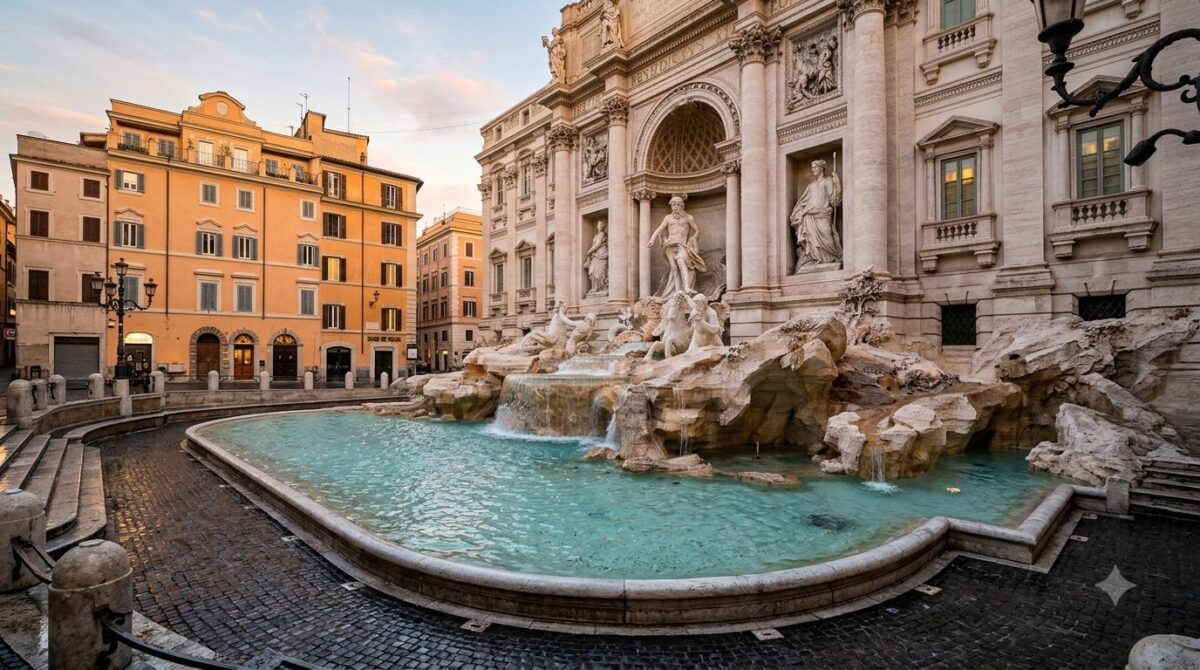
This is why day 1 ends in the center rather than day 2. Both sights are far better in the evening, when the day crowds have gone and the stone is lit.
- The Pantheon — the best preserved building of ancient Rome, with an open oculus in the dome. It now charges a small entry fee on most days; check the closing time before you plan the evening around it.
- The Trevi Fountain — unrecognizably different at ten at night versus two in the afternoon.
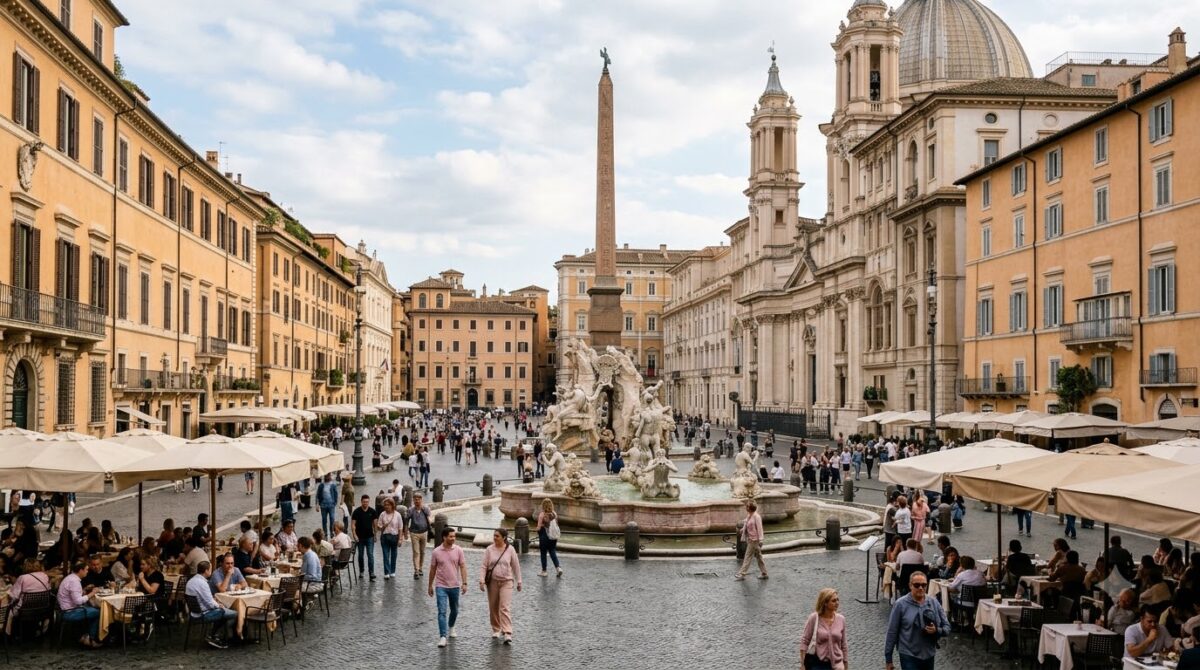
- Piazza Navona — two minutes from the Pantheon, and free.
Eat somewhere two or three streets off those piazzas. The restaurants directly on them are the weakest value in the city.
Day 2: Vatican City and across the river
Morning: the Vatican Museums and the Sistine Chapel
Take the earliest entry slot you can get. The Vatican Museums are a single one-way route roughly three kilometers long that ends at the Sistine Chapel. By late morning it is shoulder to shoulder and there is no way to turn back or skip ahead.
- Timed tickets are effectively compulsory in high season.
- Closed on Sundays, except the last Sunday of the month when entry is free and the line is enormous. On a two day trip, plan around this rather than into it.
- No photographs in the Sistine Chapel, and it is enforced.
Midday: St Peter’s Basilica
Entry to St Peter’s Basilica is free but has its own security line in the square. Some museum routes exit directly into the basilica, skipping that line — worth checking whether your ticket includes it, because on two days that saves an hour.
The dome climb is separate and ticketed. Lift to the roof, then a narrowing spiral staircase that leans with the curve of the dome. The best view in Rome, and about forty minutes all in.
Dress code is enforced at both: shoulders and knees covered, for everyone.
Afternoon: Castel Sant’Angelo
Ten minutes from the Vatican, an emperor’s tomb turned fortress turned papal bolt-hole, with a terrace looking back over the river. The bridge in front, lined with Bernini angels, is the best five-minute walk in the city.
Evening: Trastevere
Cross the river south into Trastevere for the last evening: ivy on ochre walls, cobbled lanes, and the densest concentration of good restaurants in Rome. Santa Maria in Trastevere, one of the oldest churches in the city, is worth ten minutes before dinner.
What to cut if you are short
If a flight time or a late arrival eats into this, cut in this order.
- The dome climb at St Peter’s. Forty minutes, and the Capitoline terrace gave you a view already.
- Palatine Hill. It is on the same ticket, and it is the least rewarding of the three ancient sites in a hurry.
- The Spanish Steps. They are a staircase. Genuinely.
- Castel Sant’Angelo. Lovely, and the most skippable ticketed thing on the list.
Do not cut the Roman Forum to keep the Colosseum. They are on one ticket and the Forum is where ancient Rome actually happened. Skipping it to save an hour is the worst trade on this itinerary.
The alternative: swap the Vatican out
Not everyone wants four hours of religious art, and it is worth saying so.
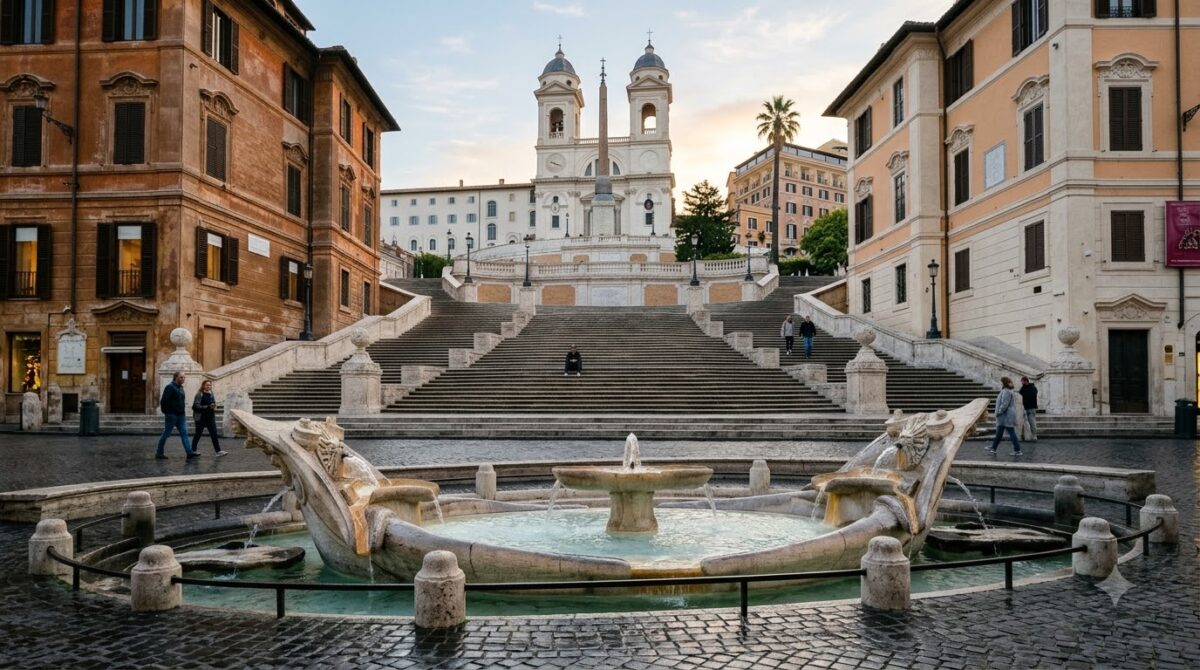
If the Vatican Museums do not appeal, replace day 2 with: the Borghese Gallery in the morning (timed reservation, book well ahead), the Villa Borghese gardens after, then the Spanish Steps and Piazza del Popolo, and Trastevere in the evening. You still see St Peter’s Square from outside, which is free and takes twenty minutes.
This version is less famous and, for a lot of people, a better two days in Rome.
Getting around in two days
- Walk almost everything. The historic center is about two kilometers across and every street is part of the visit.
- The Metro has two useful lines, and they happen to link Termini, the Colosseum and the Vatican — exactly the three points this itinerary needs.
- Stay central. On two days, a room in the historic center or Monti buys back more time than it costs. Our guide to where to stay in Rome compares the areas.
- Do not rent a car. The center is a limited traffic zone with camera enforcement, and each entry is a separate automatic fine that arrives months later.
- Fiumicino to the center is about 32 minutes on the Leonardo Express, or a fixed-fare city taxi.
Map shows live availability and prices. We may earn a commission on bookings made through it, at no extra cost to you.
Two days, three days, or more?
Two days is a stopover. Three is a visit.
The third day is the one that changes the trip, because it is the day with nothing booked — the historic center gets a proper morning instead of a tired evening, and there is room for the Jewish Ghetto and a viewpoint. See our Rome 3 day itinerary for how that version splits.
If you are still deciding how long to stay, how many days you need in Rome sets out what each extra day actually buys.
And if Rome is one stop on a longer trip to Italy, the 10 day Italy itinerary continues from here to Florence, Cinque Terre and Venice by train.
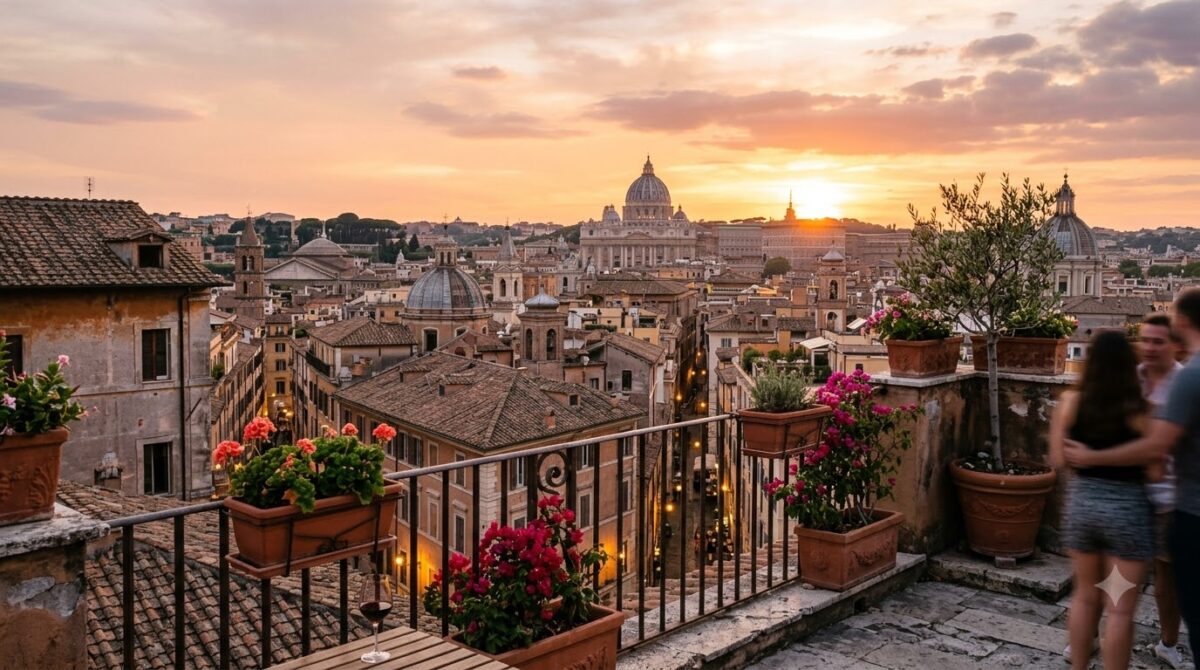
The best things to do in Rome in two days
Stripped to a list, these are the places to visit that earn their slot when you only have two days to explore.
| Place | Why it survives the cut | Time |
|---|---|---|
| Colosseum | Nothing else in Rome looks like it | 1.5 hours |
| Roman Forum | Where ancient Rome actually happened | 1.5 hours |
| Vatican Museums | Sistine Chapel is at the end of it | 3 hours |
| St Peter’s Basilica | Largest church in the world, free | 1 hour |
| Pantheon | Best preserved ancient building anywhere | 30 min |
| Trevi Fountain | Five minutes, and you would resent missing it | 15 min |
| Piazza Navona | The best of the squares in Rome | 20 min |
| Trastevere | The one evening that feels like living there | An evening |
That is around nine hours of sights across two days. The rest is walking between them, which in central Rome is not dead time — the buildings in Rome between the famous ones are half the reason to come.
How to explore Rome on foot
The best way to see Rome in two days is to stop treating the gaps as transport. Almost every walk on this itinerary passes something worth stopping for.
- Colosseum to the center — past the Victor Emmanuel monument and the Capitoline, about 20 minutes.
- Pantheon to Piazza Navona — two minutes, through the narrowest streets in central Rome.
- Center to Trastevere — over Ponte Sisto, about 15 minutes, and the bridge itself is the view.
- Vatican to Castel Sant’Angelo — 10 minutes along the river.
The bus in Rome is a last resort, not a plan. Routes are slow, traffic is heavy and the 64 between Termini and the Vatican is the most pickpocketed route in the city. The Metro is faster where it goes; walking is faster where it does not.
On audio guides: a Rick Steves audio tour or any decent audio guide is worth loading before you go, particularly for the Forum and St Peter’s. Both are free to download and both replace a paid guide reasonably well on a short trip.
If you have 2.5 days
A late-afternoon flight home turns two days into two and a half, and that half is worth planning rather than wasting at the airport.
- The Jewish Ghetto — small, quiet, and ten minutes from the center. The best fried artichokes in Rome.
- The Aventine Hill — the orange garden and the keyhole in the Knights of Malta gate that frames St Peter’s dome exactly. Twenty minutes out, almost empty.
- Piazza del Popolo and the Spanish Steps — the part of Rome this itinerary cut. An easy hour.
- A morning at the Borghese Gallery — only if you booked it weeks ahead, because entry is strictly by timed reservation.
When two days in Rome is not enough
Be honest about which trip you are on.
- First visit to Rome and it is the main destination — two days is not enough. Give it three.
- Rome as a stopover on a longer Italy trip — two days works well, and you fly into Rome anyway.
- A return to Rome — two days is plenty, because you can skip whatever you already did and go deeper on one thing.
- Travelling with children — two days is tight. The Vatican route is long and there is nowhere to sit.
Most people who say two days in Rome is not enough were on the first of those trips and tried to run the third one’s pace.
Frequently asked questions
Is 2 days in Rome enough?
Enough for a strong first taste, not for the city. Rome has three separate half-day-plus commitments — ancient Rome, the Vatican and the historic center — and two days covers two of them properly. Expect to compress or cut one, and to leave the Borghese Gallery and any day trip out entirely.
What should I see in Rome in 2 days?
Day 1: the Colosseum, Roman Forum and Palatine Hill in the morning, then the Pantheon, Trevi Fountain and Piazza Navona in the evening when they are quieter. Day 2: the Vatican Museums and St Peter Basilica in the morning, Castel Sant Angelo after, and Trastevere for the last evening.
Can you see the Colosseum and the Vatican in 2 days?
Yes, but on separate days. They sit on opposite sides of the city and each needs at least half a day done properly. Putting both into one day means rushing the two things most people came to Rome for, and leaves the second day thin.
What should I book in advance for 2 days in Rome?
The Colosseum combined ticket, which also covers the Roman Forum and Palatine Hill, and a timed entry slot for the Vatican Museums. Both sell out days ahead in high season, and on a two day trip losing a morning to a queue costs a quarter of your visit.
Is the Trevi Fountain better in the morning or the evening?
Either extreme. Before about eight in the morning it is nearly empty; after ten at night it is lit and the day crowds have gone. Between mid-morning and early evening it is packed enough that you will struggle to reach the railing.
What is the best area to stay for 2 days in Rome?
The historic center or Monti. On a two day trip, walking distance is worth paying for because the time you save on transport is a meaningful share of the visit. Monti is cheaper and ten minutes from the Colosseum; the Centro Storico puts the evening walk on your doorstep.
Can you do a day trip from Rome in 2 days?
No. A day trip to Pompeii, Tivoli or Ostia Antica costs most of a day, which is half your trip. Save those for a stay of four days or more, and use two days entirely on the city itself.