
The beach in Cartagena itself is not the reason anyone comes. Bocagrande is grey sand, crowded and lined with vendors. The water people picture is an hour away by boat, at Playa Blanca on Barú or out in the Rosario islands. That trip is a full day, it costs more than the tour price suggests, and the boats have to leave by mid-afternoon. Here is what it actually involves.
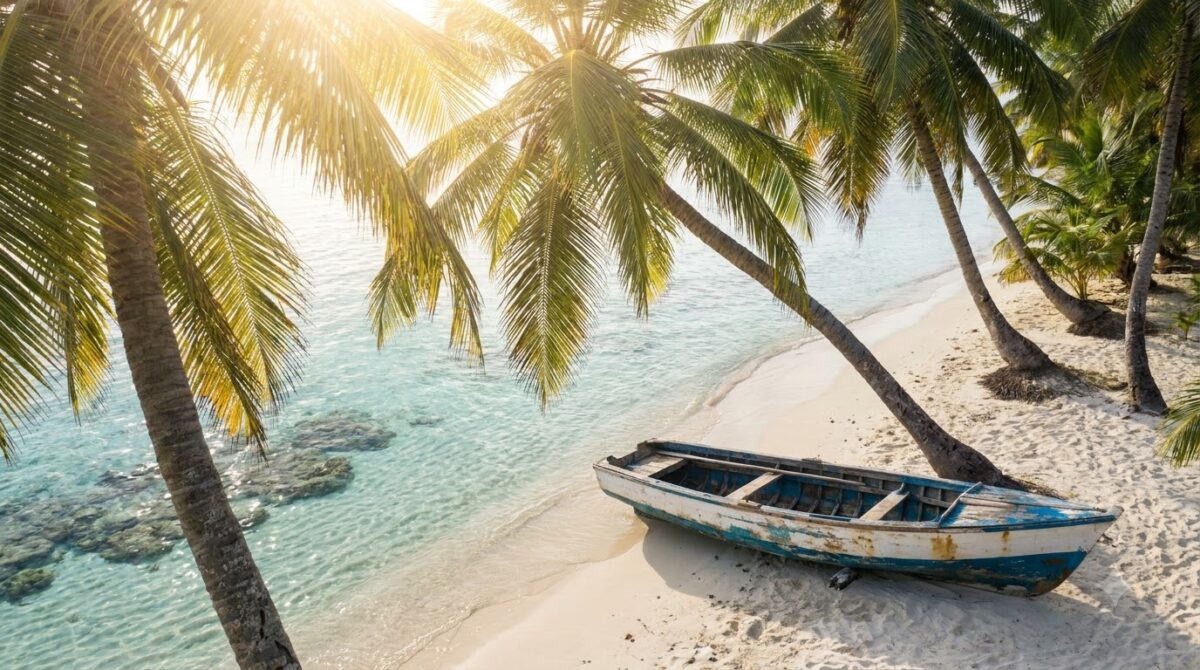
- A shared full-day boat trip to the Rosario islands starts around US$40; most popular tours run US$60–120.
- The national park fee of COP 25,000–28,000 (US$6–7) is collected separately and is almost never included in the tour price.
- Getting there: about 30 minutes by bus to the dock, then roughly 1 hour by speedboat.
- Group tours give you about 2 hours on the sand at Playa Blanca.
- Boats must leave the islands by 15:00–15:30 because of the afternoon swell.
Where these numbers come from. Boat prices, the park fee and departure timings were read from published 2026 operator and guide pages on 12 August 2026, including Nauty 360 and Cartagena Day Tours. We have not taken these boats ourselves — see our editorial policy. Prices move with the season and with fuel; confirm before you pay.
The best beaches in Cartagena, ranked by what you actually get
Cartagena, on the Caribbean coast of Colombia, has two kinds of coastline, and confusing them is why people come back disappointed. The beaches in and around the city itself are dark-sand, working-port water. The stunning beaches — the ones in the photographs — are the Caribbean beach islands offshore, and every one of them is a boat ride from the walled city. This guide to the best beaches near Cartagena covers both, with what each actually costs.
| Beach | Getting there | Sand & water | Crowds |
|---|---|---|---|
| Playa Blanca (Barú) | ~1 h by boat | White sand, clear shallows | Heavy from 10:00 |
| Rosario islands | ~1 h by boat | Best water of the three | Spread across many islands |
| Bocagrande (city) | walk / taxi | Dark sand, murky | Busy, many vendors |
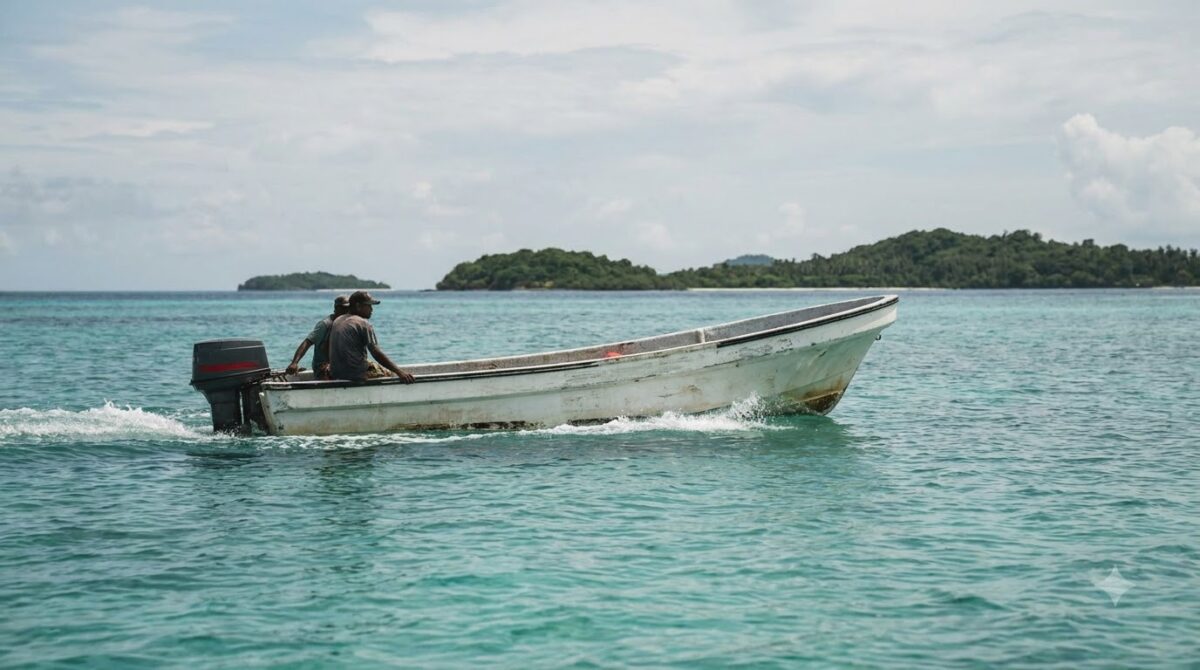
The mainland beaches: Bocagrande, La Boquilla and Manzanillo del Mar
If you do not want to lose a whole day to a boat, the coast north of the city has three options, and they get better the further out you go.
- Bocagrande — the city beach, walkable from most hotels. Grey sand, murky water, and the densest concentration of vendors anywhere in Cartagena. Fine for an hour, not for a day.
- La Boquilla — a fishing village with Afro-Caribbean roots at the northern edge of Cartagena, and the best beach on the mainland. It does not fill up the way Bocagrande does, and the sand is cleaner.
- La Boquilla is also where the mangrove canoe tours run, paddled by local fishermen through the mangrove tunnels. It is the one beach trip here that is about something other than lying down.
- Manzanillo del Mar — the farthest of the beaches north of Cartagena, roughly a 35-minute drive. Long stretches of sand, almost no tourists, and the most relaxed of the three.
- None of these beach areas has the turquoise water people picture, and none of the beaches around the city centre do either. For that you need a boat, and the rest of this page is about that trip.
Punta Arena on Tierra Bomba: the near island
Tierra Bomba is the compromise nobody mentions: island water without the full-day commitment of the Rosario islands.
- Punta Arena is the main beach on Tierra Bomba, about a 10-minute boat ride from the docks at Castillogrande.
- White sand and clear turquoise water, noticeably better than anything on the mainland and short of what you get in the Rosario islands.
- Fewer vendors than Playa Blanca, and cheaper across the board.
- Parts of Punta Arena get busy. Walking a few minutes along the sand usually finds a quiet stretch.
- Because the crossing is short and the bay is sheltered, you can go for a half day and come back in the late afternoon rather than being tied to a fixed return.
Beach clubs in the Cartagena islands, by who they suit
Most people book a boat seat when what they actually want is a specific beach club. Picking the club first is the difference between a good beach day in Cartagena and a long one.
| Beach club | Where | Suits | Day pass |
|---|---|---|---|
| Blue Apple Beach Club | Tierra Bomba | Short crossing, social but relaxed | ~US$55 |
| Makani | Tierra Bomba | Closer to a resort day | ~US$79 |
| Bora Bora Beach Club | Islas del Rosario | Adults only, groups and celebrations | varies |
| Isla del Encanto | Islas del Rosario | Families with young children, calm water | varies |
| Sabai | Isla Baru | Playa Blanca area, organised access | varies |
- Isla Cholon is the party anchorage on Isla Baru, about 45 minutes out by boat, where the boats raft together for the afternoon. Go deliberately or avoid it deliberately — it is not a quiet beach.
- The Tierra Bomba clubs are the ones close to Cartagena proper, a few minutes by boat from Cartagena. The Rosario clubs, further out along the coast of Isla Grande and its neighbours, are the ones with the water.
- Prices read 13 August 2026 and move with season and fuel.
What a Cartagena beach day really costs
| Item | Price | Included in tour? |
|---|---|---|
| Shared full-day boat trip | from US$40 | — |
| Popular tours with lunch and stops | US$60–120 | — |
| Private boat charter, full day | US$400–600 | captain, fuel, snorkel gear |
| National park fee | COP 25,000–28,000 | No — pay at the checkpoint |
| Fried fish, coconut rice, patacones | COP 18,000–30,000 | Sometimes |
The park fee is the one that surprises people. It is collected at a checkpoint in the channel, in cash, and it is not part of the advertised price.
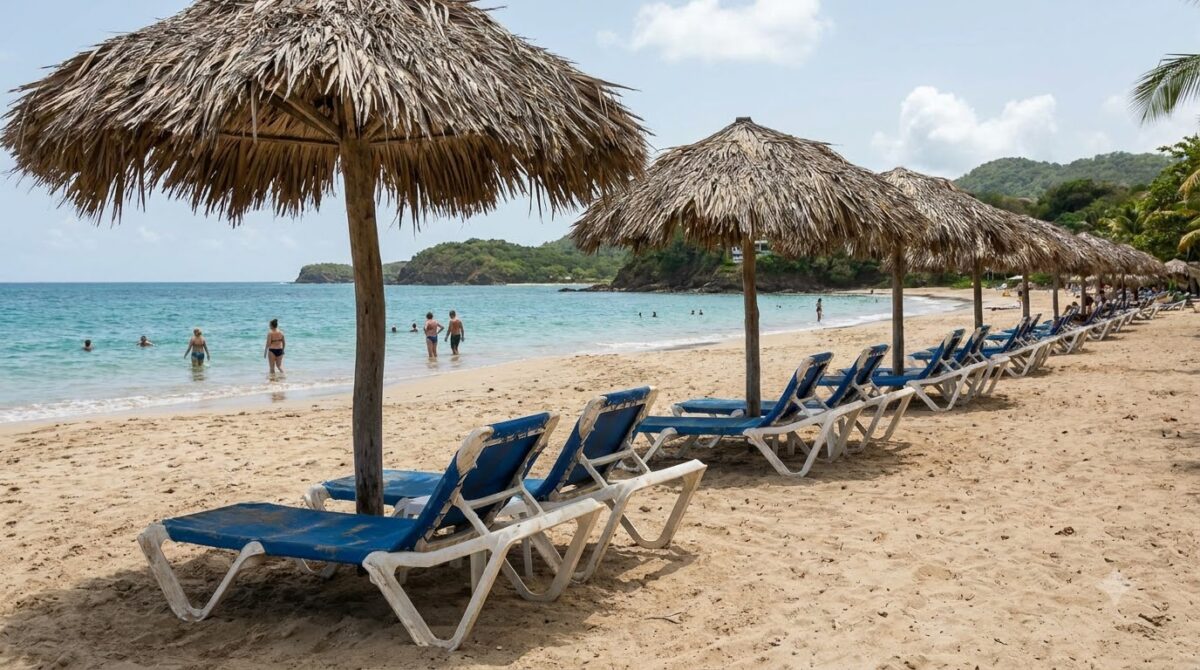
Playa Blanca or the Rosario islands: which to pick
These are the two day trips from Cartagena sold on every street corner in the walled city, and they are not the same day out. Both are a boat from Cartagena; the difference is what waits at the other end.
| Playa Blanca, Isla Barú | Islas del Rosario | |
|---|---|---|
| Getting there | 45–55 min by speedboat, or 1.5–2 h by road | ~1 h by boat only |
| The water | Calm turquoise shallows, fine white sand | The clearest water of the two, coral and snorkelling |
| Crowds | Heavy from 10:00, worst at weekends | Spread across many islands |
| Vendors | Persistent, constant | Far fewer |
| Suits | One beach day, done cheaply | Snorkelling, or a quieter day |
- Playa Blanca is reachable by land. The Barú bridge means you can drive or take a shuttle in 1.5 to 2 hours instead of taking a boat — slower, but it frees you from the boat timetable.
- The land route is the answer if the mid-afternoon departure is what puts you off the trip.
- Isla Grande is the largest of the Rosario islands and the one most day boats stop at. Its coast holds several of the most popular beaches in the group.
- Playa Blanca has a reputation for persistent vendors and disorganised access for people who turn up without a plan. Booking a specific beach club rather than just a boat seat solves most of it.
Beach clubs and day passes
- Organised beach club day passes at Playa Blanca run roughly US$38 to US$129 per person, and the higher end normally includes transport and lunch.
- A day pass buys you a lounger, shade and a bathroom, which is the practical difference between a good day and a long one.
- Check whether the national park fee is included before you pay. It usually is not — see the cost table above.
- Renting a boat with a skipper is the way to reach the quieter corners of the Islas del Rosario away from the day-trip crowd, if the budget stretches.
- Prices read 13 August 2026. They move with the season and with fuel.
Can you swim in the ocean in Cartagena?
Yes, but where you swim in the ocean here decides whether it is pleasant.
- Bocagrande beach and Laguito beach, in the city itself, are swimmable but the water is murky and the sand is grey. Most visitors wade rather than swim.
- Cartagena is a major port, and that is the reason the water in Cartagena proper is not clear. A working port city does not produce clear shallows. It is not a pollution warning so much as a sediment one.
- For calm waters you can actually see through, you need Tierra Bomba at the near end or the Islas del Rosario at the far end.
- Currents around the islands are generally mild, but the afternoon swell is real. It is the reason boats leave by mid-afternoon.
- There are no lifeguards at most beaches. Swim where other people are swimming.
Which beaches to avoid, and when
- Playa Blanca at the weekend. It is the prettiest of the accessible sandy beaches and also the most crowded; arriving Saturday at midday is the worst version of it.
- The beaches of Bocagrande if you came for water rather than convenience. The grey sand and the vendor density make it the weakest beach on this page.
- Any beach after dark. They empty out and there is no lighting, which is covered in our guide to safety in Cartagena.
- Boat trips booked from someone approaching you on the street. Book through your hotel or a named operator instead.
- Massages and drinks offered on the sand are priced after the fact unless you agree a number first. This is the single most common complaint about the beautiful beaches near the city.
Staying overnight at the beach instead of day-tripping
Every boat out of Cartagena has to turn around by mid-afternoon. Sleeping out there removes that constraint entirely, and it is the option most day trips never mention.
- Hotels and beach clubs on Isla Baru and across the Islas del Rosario take overnight guests, and several of the day-pass clubs have rooms.
- Las Islas on Baru is the best-known of the island hotels and sits away from the Playa Blanca crowd on the quieter side.
- The trade-off: you commit two days once you count the boat each way, so it works as an add-on rather than as your base for the city.
- If you want to get out of the city without leaving it behind, the island of Tierra Bomba is 15 minutes by boat and works as a single night. There are hotels in the area at every level.
- Where to stay in Cartagena itself, area by area, is covered in our guide to where to stay.
Not a beach day? See everything else there is to do in Cartagena.
Beach tips: how to make the day work
- Leave early. The first boats go around 08:00–09:00, and Playa Blanca is calm before 10:00.
- Carry cash in small notes for the park fee, loungers, drinks and lunch. Cards are rarely accepted on the sand.
- Agree the price of everything before you take it — lounger, massage, drink. Overcharging on the beach is the most common complaint in Cartagena.
- Expect to be back by 16:00–17:00. Boats leave the islands by 15:00–15:30 because the sea gets rough.
- If you want the water without the crowd, pay for a Rosario islands trip rather than a Playa Blanca one.
Frequently asked questions
Which beach in Cartagena has the clearest water?
The Islas del Rosario. Playa Blanca on Isla Barú is the postcard beach and has calm turquoise shallows, but the Rosario islands have the coral and the best snorkelling. On the mainland, nothing comes close — Bocagrande is grey sand and murky water.
Can you get to Playa Blanca without a boat?
Yes. The Barú bridge connects Isla Barú to the mainland, so you can drive or take a shuttle in about 1.5 to 2 hours instead of 45 to 55 minutes by speedboat. It is slower but it frees you from the mid-afternoon boat departure.
What is the quietest beach near Cartagena?
Manzanillo del Mar, about a 35-minute drive north and the farthest mainland beach from the city, with long stretches of sand and very few tourists. Punta Arena on Tierra Bomba is the quieter island option, ten minutes by boat from Castillogrande.
How much is a boat trip to the Rosario islands?
Shared full-day trips start around US$40, with most popular tours between US$60 and US$120. A private charter for the day runs US$400–600. The national park fee of COP 25,000–28,000 is extra.
How long does it take to get to Playa Blanca?
About 30 minutes by bus to the dock and roughly an hour by speedboat. Group tours give you around two hours on the sand.
Is the beach in Cartagena itself any good?
Bocagrande is grey sand, murky water and heavily worked by vendors. It is fine for a walk, not for the day you were picturing.
Do I need cash for the beach?
Yes. The park fee, loungers, drinks and lunch are all cash, and cards are rarely accepted on the sand.