
Monteverde is a cloud forest region high on the continental divide in Costa Rica, and it is the one place in the country where the weather is part of the attraction rather than something to work around. The forest is inside a cloud most days of the year. That is what makes it what it is.
Some links below are affiliate links. We may earn a commission if you book through them, at no extra cost to you. We do not rank hotels, and any prices on the map come live from the booking sites.
Quick answer: where to stay in Monteverde. Most people should stay in Santa Elena town, within walking distance of restaurants, tour offices and the bus. The road to the reserve is quieter and closer to the forest, but you need transport for dinner. Check that your room has heating or good blankets.
The mistake almost everyone makes here is treating Monteverde as one place with one reserve. There are at least four, they are genuinely different, and the most famous one is not always the best choice. This guide covers which to pick, the best things to do in Monteverde, and what to pack, because visitors get that wrong more often than anywhere else in Costa Rica.
Prices and details were read on 16 August 2026.
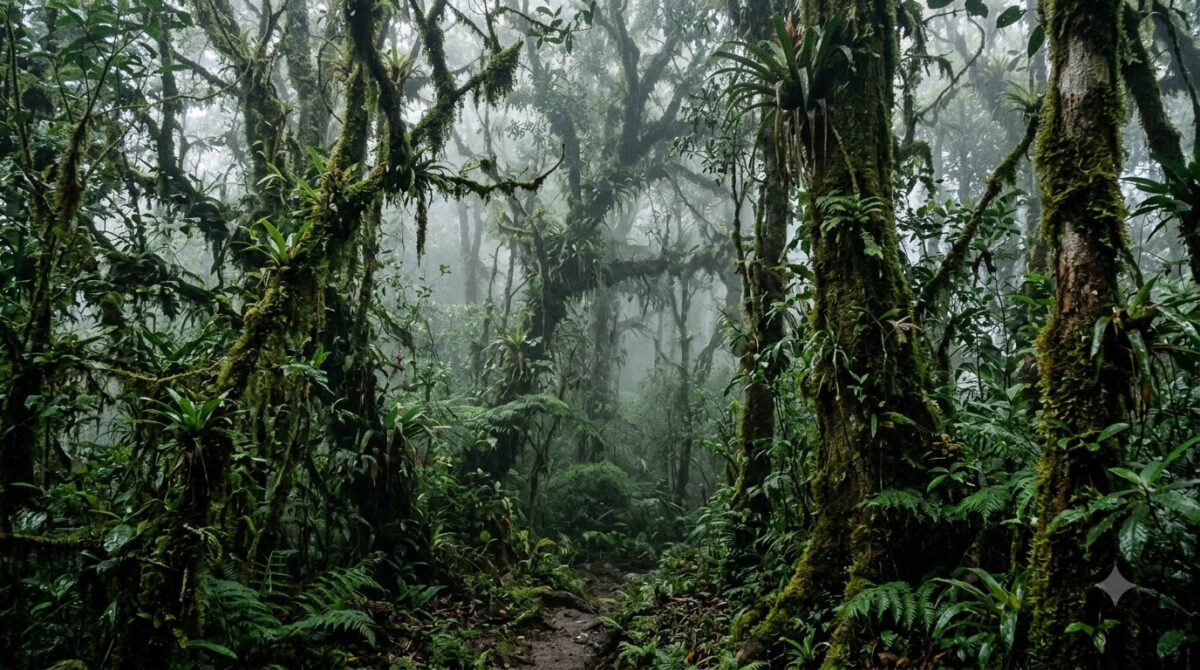
Where Monteverde is, and what cloud forests actually are
The Monteverde region sits in Puntarenas province at an elevation of about 1,400 metres above sea level, straddling the continental divide. The town of Santa Elena is where almost everything is — hotels, restaurants, tour offices — and Monteverde proper is the community and reserve a few kilometres up the hill.
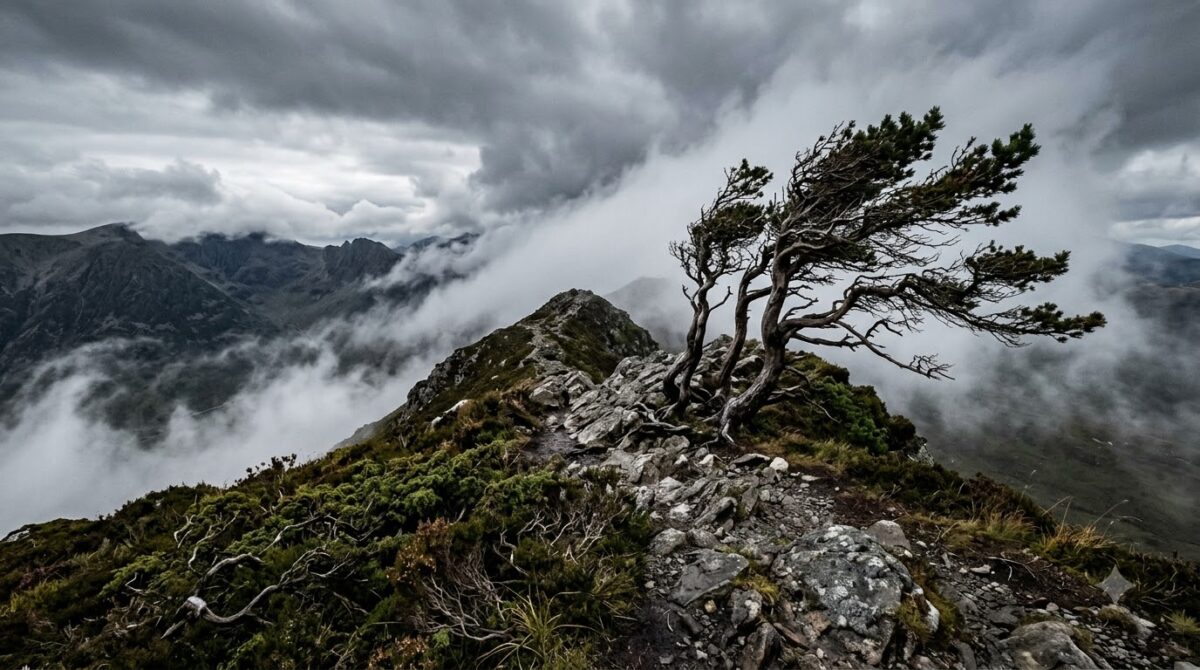
A cloud forest is not the same as a rainforest. At this altitude the trade winds hit the mountains, cool, and condense, so the forest is permanently bathed in mist. Water arrives horizontally rather than falling. The result is a forest where every branch carries moss, ferns and orchids growing on other plants, and where the biodiversity per square metre is extraordinary.
- Around 2,500 Costa Rican plant species, including some 500 orchids, in an area you can walk across.
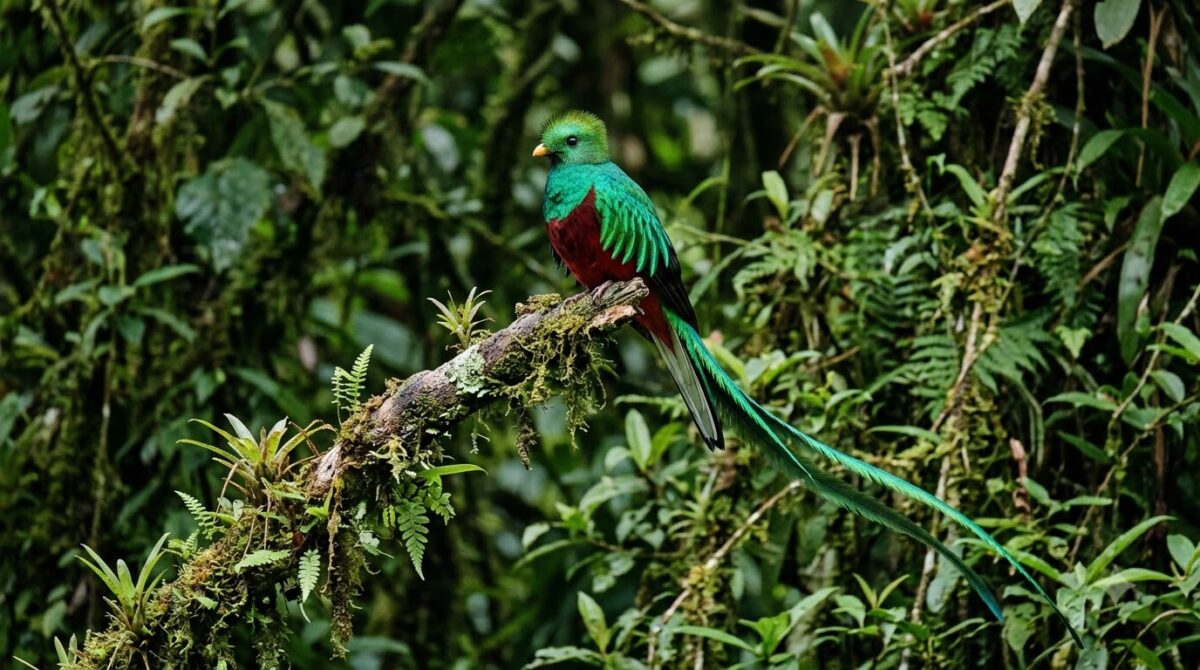
- Over 400 species of birds, of which the resplendent quetzal is the one everybody comes for.
- The village was founded in 1951 by American Quakers who left the United States rather than register for the draft. They bought the land, started a dairy, and set aside the forest above it — which is why so much of it survives.
- The golden toad, found nowhere else on Earth, was last seen here in 1989 and is now extinct. National Geographic and others have made it one of the most cited examples of climate-driven extinction, and it happened in this forest.
The four reserves: which one to choose
This is the decision that shapes your visit, and almost nobody makes it deliberately.
| Reserve | Entry | Best for | Trade-off |
|---|---|---|---|
| Monteverde Cloud Forest Biological Reserve | ~US$26 | The classic cloud forest preserve. Best trail network, the continental divide viewpoint, and incredible views on the rare clear day. Costa Rica’s most famous forest | Busiest by far, and entry is by timed slot |
| Curi-Cancha Reserve | ~US$20 | Quetzals. Smaller, far quieter, mixed forest and open areas which is where quetzals actually feed | Less dramatic forest, caps visitor numbers |
| Santa Elena Cloud Forest Reserve | ~US$18 | Higher, wilder, windier. Community-run and the money stays local | Fewer facilities, wetter, fewer guides |
| Children’s Eternal Rainforest | ~US$20 | The largest private reserve in Costa Rica, funded by schoolchildren from 44 countries. Almost empty | Only small sections open to visitors |
⚠ The Monteverde reserve sells timed slots
The Monteverde Cloud Forest Biological Reserve limits how many people are inside at once and sells entry by time slot. In high season the morning slots go first and the reserve does sell out.
- Book online in advance, ideally for the first slot of the day. Wildlife is active early and the forest is quietest then.
- Go with a guide for at least one reserve. A naturalist costs around US$25 to US$35 per person on top of entry and is the difference between seeing a forest and seeing what lives in it. Guides also carry the scope you need for a quetzal in a tree forty metres up.
- If the reserve is full, Curi-Cancha or Santa Elena are not consolation prizes. For birds, Curi-Cancha is arguably better.
Things to do in Monteverde, Costa Rica
Walk the hanging bridges and the canopy
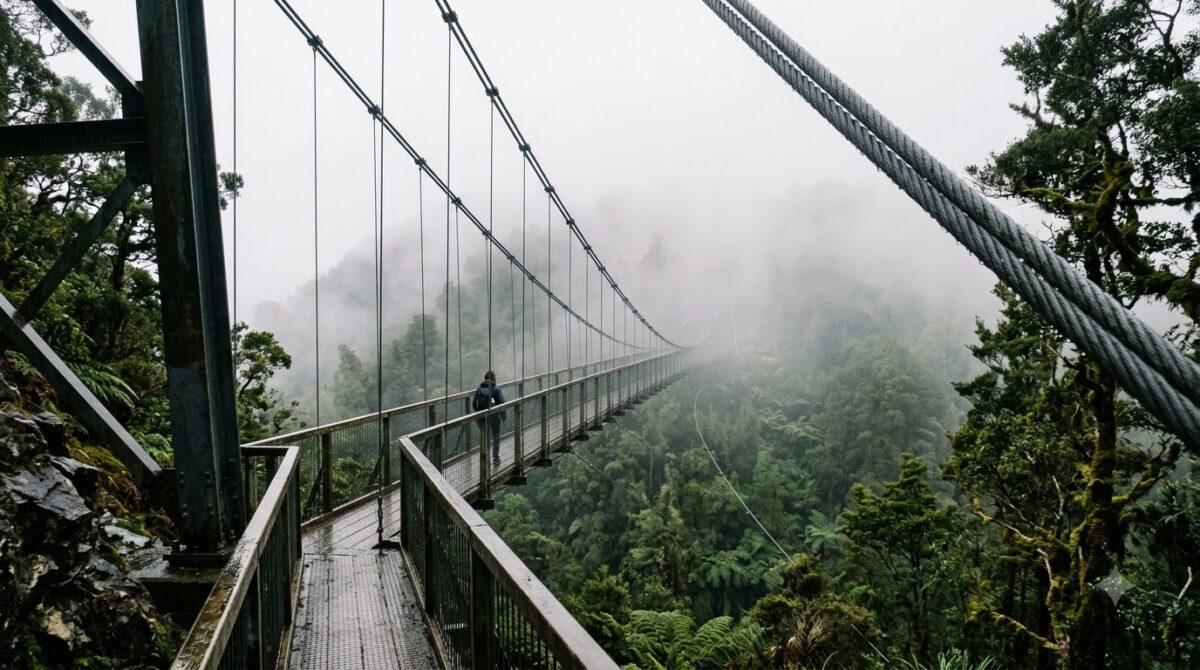
Hanging bridges take you into the forest canopy, which is where most of the life in a cloud forest actually is. Several parks run them.
- Selvatura Adventure Park — eight bridges over about three kilometres, the longest around 170 metres. Roughly US$50 for bridges alone, more in a combo.
- Sky Adventures — bridges plus the Sky Tram gondola up the ridge, which is the easiest way to get high with no walking.
- Treetopia and other smaller parks are cheaper and quieter. Between Selvatura Park or Treetopia the difference is mostly crowds and price rather than the forest itself.
- Bridges work in rain, which matters when rain is the default.
Ziplining and the canopy tour
Commercial zip lining was effectively invented in this part of Costa Rica, adapted from canopy research rigs. Monteverde still has the biggest courses in the country.
- Parks like Selvatura and 100% Aventura run the longest ziplines, around US$50 to US$90. Some individual lines are over 1 km long.
- The Superman line, where you fly face down and horizontal, is the headline feature and about a kilometre long at some parks.
- Most parks bundle a Tarzan swing and bridges into a combo, which is better value than buying separately.
- You will be inside cloud for part of it. Visibility varies from spectacular to white.
The Monteverde night walk
A Monteverde night walk is one of the best value tours in Costa Rica at around US$25 to US$35. Two thirds of the forest’s mammals are nocturnal, and a guide with a torch will find sleeping birds, tarantulas, kinkajous, sloths and frogs that you would walk straight past. Book for around 5.30pm.
Coffee tours, chocolate and El Tigre waterfalls
- Coffee and chocolate tours — coffee, cacao and sugar cane, around US$35 to US$55, and the coffee here is genuinely good because of the altitude. Most combine all three.
- El Tigre waterfalls — a serious hike, about eight kilometres with a lot of descent and a truck ride back up. Around US$45 including lunch. Not a stroll.
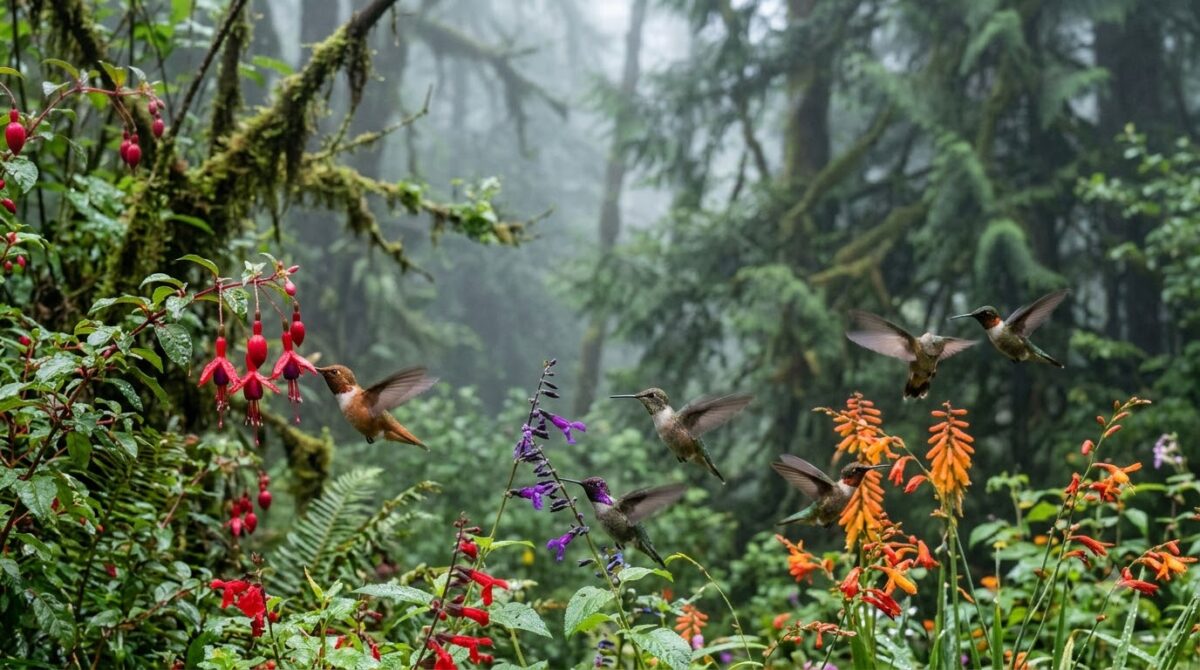
- Hummingbird gardens at the reserve entrances, often free or a couple of dollars, with a dozen species feeding a metre from your face.
- Orchid garden in Santa Elena, small and worth half an hour.
- Bat jungle and frog pond — small museum-style attractions, good with children and good in heavy rain.
- Curi-Cancha at dawn for birds, which is the single best wildlife experience in Monteverde.
Booking Monteverde tours and day trips
There are more tours in Monteverde per head than almost anywhere in Costa Rica, and the best options are not always the ones advertised hardest. A few rules that save money and disappointment.
- Book a tour in town rather than online if your dates are flexible. Offices in the town of Santa Elena are usually cheaper than the same tour booked ahead, and they know which parks have space tomorrow.
- Take a guided tour for at least one reserve. Independent walking is fine, but a guide finds the birds and other wildlife you would otherwise miss entirely.
- Combo tickets at the canopy parks — bridges plus zipline plus tram — cost far less than buying the parts separately.
- Do not book Monteverde as a day trip from La Fortuna or the coast. The drive eats the day and you arrive when the forest is at its busiest and cloudiest.
- Toucans, coatis and howler monkeys turn up around the edges of town and the reserve car parks without any tour at all.
Monteverde’s cloud forest survives at all because a handful of local and international groups bought the land before it was cleared. Deforestation took most of the equivalent forest on this ridge; what is left is protected, and the entry fees are what keep it that way.
⚠ What to pack: this is where people get it wrong
Visitors arrive from the beach in shorts and spend the visit cold and wet. Monteverde is at 1,400 metres in a cloud.
- Temperatures run roughly 14–22°C, and it feels colder with wind and damp. Nights are genuinely chilly.
- Bring a fleece or warm layer. Most hotels have no heating.
- A waterproof jacket, not an umbrella. The moisture comes sideways on the wind.
- Closed shoes with grip. Trails are mud and root, and many hotels lend rubber boots.
- Dry bag or ziplock for your phone and camera. Lenses fog constantly.
- Do not expect views every day. The continental divide viewpoint is in cloud far more often than not. That is not bad luck, it is the climate.
Getting to Monteverde
- From La Fortuna — the jeep-boat-jeep across Lake Arenal takes about three hours and costs US$30 to US$40. Far better than the four-hour road route, and the crossing is pleasant. This is the standard pairing: the Arenal Volcano first, then Monteverde.
- From San José — about four hours by car, or a shuttle at US$55 to US$70 per person. Public bus takes four to five hours for around US$7.
- From Liberia — three to four hours.
- From the Guanacaste beaches — three to four hours, which makes Monteverde a natural stop between coast and volcano.
The road, and whether you need a 4×4
The final stretch up to Santa Elena was unpaved for decades and had a reputation to match. Much of it is now paved, and an ordinary car manages the main route in the dry season. A 4×4 is still worth having in the green season and for the side roads to the reserves and lodges, which are steep and rough.
Budget the mandatory rental insurance at US$30 to US$45 a day on top of the advertised rate, as everywhere in Costa Rica. Within Santa Elena you can walk, and every tour includes hotel pickup.
Where to stay in Santa Elena and Monteverde
| Area | Nightly rate | Notes |
|---|---|---|
| Santa Elena town | US$25–90 | Walk to restaurants, tour offices and the bus. Where most people should stay |
| The road to the reserve | US$70–200 | Quieter, closer to the forest, need transport for dinner. Small family places like Camino Verde B&B and El Sol Monteverde are the character options |
| Cloud forest lodges | US$150–400 | Forest on the doorstep, private trails, often own guides |
Check whether your room has heating or at least good blankets. Plenty do not, and it matters here in a way it does not elsewhere in Costa Rica.
Map shows live availability and prices. We may earn a commission on bookings made through it, at no extra cost to you.
Best time to visit Monteverde
- February to May — quetzal nesting season, and the best chance of seeing one. Also the driest stretch.
- December to April — dry season generally, but windy. The divide can be genuinely blustery.
- May to November — wetter, greener, far fewer people, lower prices. The forest is arguably at its best.
- September and October — wettest, and some trails get very muddy.
There is no month here without cloud, and no month without rain. Full detail in our month-by-month guide to visiting Costa Rica.
How long to stay
Two nights. One is enough for the reserve itself but not for the drive at each end, and a second full day lets you add a night walk, a canopy tour or a second reserve without rushing.
A sensible two-day plan: reserve first thing on the morning after arrival with a guide, hanging bridges or zip line after lunch, night walk that evening. Second day, Curi-Cancha at dawn for birds and a coffee tour in the afternoon.
Monteverde is one of the best places in Costa Rica and one of the few places in the world where this ecosystem is easy to visit at all. Pair it with La Fortuna and Arenal on any trip to Costa Rica, and see our guides to things to do around the country and the beaches on both coasts for the rest.
Frequently asked questions
Which Monteverde cloud forest reserve is best?
The Monteverde Cloud Forest Biological Reserve has the best trails and the famous continental divide viewpoint, but it is the busiest and sells timed entry slots. Curi-Cancha is quieter and often better for quetzals. Santa Elena Cloud Forest Reserve is higher and wilder. The Children’s Eternal Rainforest is the largest and almost empty.
Do you need to book Monteverde reserve in advance?
Yes in high season. Entry is by timed slot and the morning slots sell out. Book online and take the first slot of the day, when wildlife is most active.
What should you pack for Monteverde?
A warm layer, a waterproof jacket rather than an umbrella, and closed shoes with grip. It sits at 1,400 metres with temperatures around 14 to 22 degrees Celsius, permanent damp and wind, and most hotels have no heating.
When can you see quetzals in Monteverde?
February to May is nesting season and the best chance. Go with a guide who carries a scope, and consider Curi-Cancha, where the mix of forest and open ground is where quetzals feed.
How do you get from La Fortuna to Monteverde?
The jeep-boat-jeep across Lake Arenal takes about three hours and costs US$30 to US$40, which is faster and far more pleasant than the four-hour road route around the lake.
How many days do you need in Monteverde?
Two nights. One day covers a reserve and a canopy tour, and the second lets you add a night walk, a second reserve or a coffee tour without rushing the drive at either end.
Do you need a 4×4 for Monteverde?
Not for the main route in the dry season, since much of the road is now paved. A 4×4 is worth having in the green season and for the steep side roads to the reserves and lodges.
Entry fees, tour prices and transport costs read 16 August 2026. Reserve booking rules change — confirm before travelling.