
The Osa Peninsula is the wildest corner of Costa Rica and the reason serious wildlife travellers come to the country at all. National Geographic described Corcovado National Park, which covers a third of the peninsula, as the most biologically intense place on Earth — and that description has stuck because visitors keep finding it justified.
Some links below are affiliate links. We may earn a commission if you book through them, at no extra cost to you. We do not rank hotels, and any prices on the map come live from the booking sites.
Quick answer: where to stay on the Osa Peninsula. Decide between Drake Bay and Puerto Jiménez first. Puerto Jiménez has the only real budget options; Drake Bay has small lodges, often with meals included. Full board is normal here, because in most places there is nowhere else to eat.
Check lodges in Drake Bay →Check Puerto Jiménez →See them on a map ↓
It is also difficult to reach, expensive to stay in, wet almost all year and impossible to do properly on a short trip. This travel guide covers what the Osa Peninsula offers, how to plan your trip to Osa, which side of the peninsula to base yourself on, and the two booking rules that catch people out.
Fees and details were read on 16 August 2026.
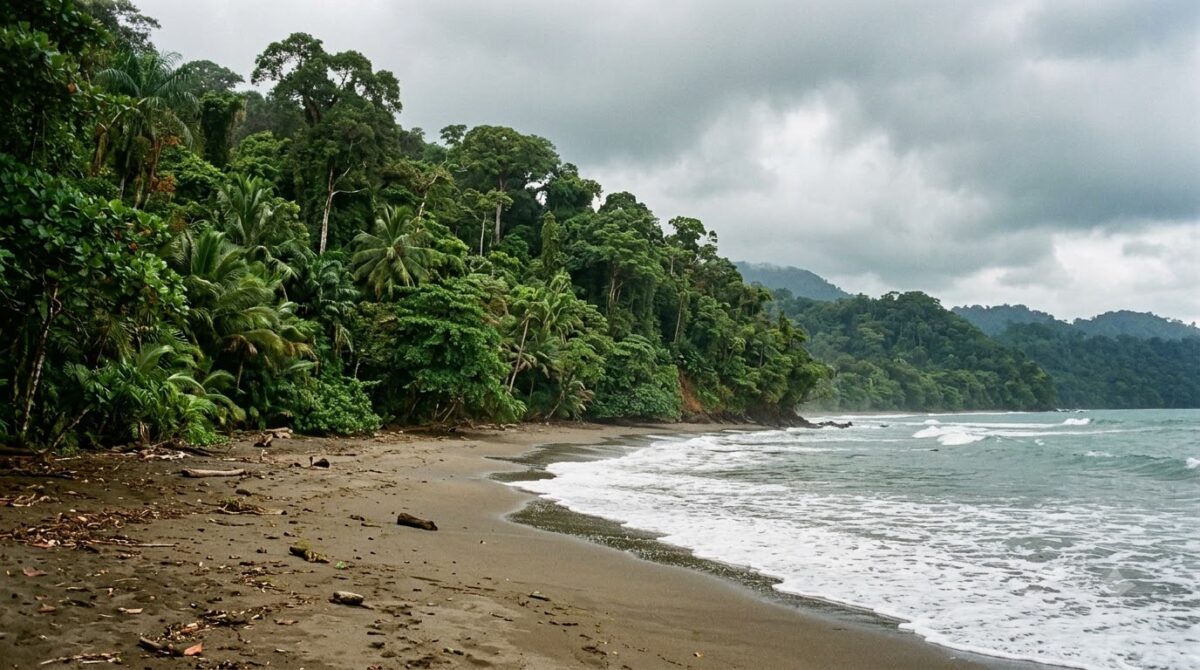
Where the Osa Peninsula is, and why the rainforest matters
The Osa Peninsula sits in the far south-west of Costa Rica, in Puntarenas province near the Panama border. It has the Pacific Ocean to the west and the Golfo Dulce to the east, where the Golfo Dulce meets the open ocean at the southern end, and it is about eight hours by road from San José.
What makes this region of Costa Rica exceptional is that its rainforest was never cleared. Most tropical forest you walk through in Central America is secondary growth. Costa Rica’s Osa Peninsula holds one of the last substantial blocks of lowland virgin rainforest on the Pacific coast of Central America. The entire peninsula is forested rather than just the park, and the species that need old forest — jaguar, Baird’s tapir, harpy eagle habitat — are still here.
- Around 2.5 percent of the planet’s biodiversity sits on a peninsula covering roughly 0.001 percent of its surface.
- 463 species of birds have been recorded on the peninsula — the figure most often cited for the region.
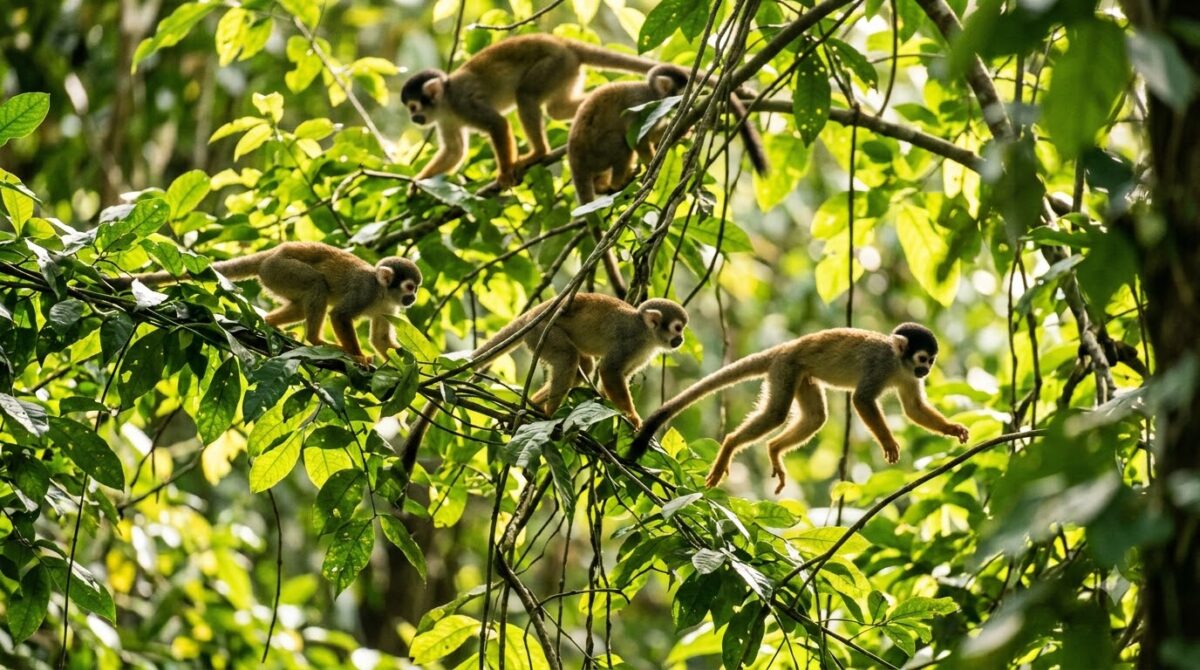
- All four Costa Rican monkey species — howler, capuchin, spider and squirrel — live here, which is unusual anywhere.
- The largest population of scarlet macaws in Central America is on the Osa. You will hear them before you see them.
- The Golfo Dulce on the eastern side is one of only a handful of tropical fjords in the world, over 200 metres deep, and it is one of very few places where northern and southern humpback whales both migrate to the same water.
Drake Bay, Puerto Jiménez and the Golfo Dulce: decide this first
The peninsula has two bases and they are on opposite coasts. Getting this wrong is the single most consequential planning mistake here, because moving between them takes most of a day.
| Drake Bay (north-west) | Puerto Jiménez (east) | |
|---|---|---|
| Getting there | Boat ride from Sierpe, or a small airstrip | Road from San José, or Sansa air |
| Corcovado access | Boat to Sirena or San Pedrillo station | Road to Carate, then walk to La Leona |
| Caño Island | 45 minutes by boat — the natural base | Too far for a comfortable day trip |
| Feel | A village with lodges, no road in from the south | A working town with shops, a bank and a bus stop |
| Cost | Higher — most places are all-inclusive lodges | Lower, with real budget options |
| Best for | Snorkelling, diving, whales, the Sirena day trip | Independent travel, Cabo Matapalo, Golfo Dulce |
Osa Peninsula travel splits neatly between Drake Bay and Puerto Jimenez. Short version: Drake Bay if you want the classic Corcovado boat trip plus Caño Island and whales. Puerto Jiménez if you are travelling independently, on a smaller budget, or want the southern end of the peninsula around Cabo Matapalo and Carate. Getting across the Golfo Dulce from Golfito is also possible by passenger boat.
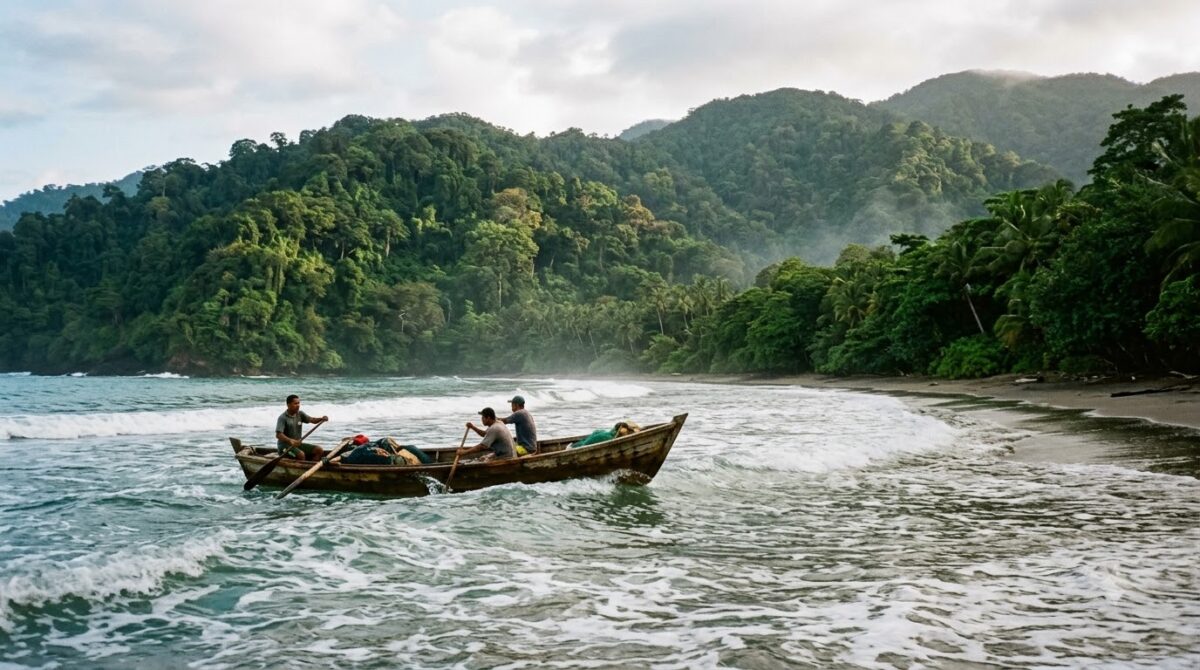
Corcovado National Park
Corcovado covers about 425 square kilometres of the peninsula and holds thirteen distinct ecosystems. There are four ranger stations, and which one you visit determines what your day looks like.
| Ranger station | Access | What it gives you |
|---|---|---|
| Sirena | Boat from Drake Bay, or a long hike | The heart of the park and the best wildlife by a distance. Tapir, all four monkeys, peccary, occasionally a puma |
| La Leona | Walk 45 minutes along the beach from Carate | Coastal forest, macaws, monkeys. The usual day trip from Puerto Jiménez |
| San Pedrillo | Boat from Drake Bay, 20 minutes | A waterfall trail and good birds. The easier Drake Bay option |
| Los Patos | Road then hike from La Palma | Interior forest. Used mostly by people crossing the park on foot |
⚠ Two rules that catch people out
1. A certified guide is mandatory. Since 2014 you cannot enter Corcovado National Park without one. This is not a recommendation or an upsell — rangers turn people away. Guides are also the reason you see anything: the difference between a trained naturalist with a scope and walking alone is the difference between a wildlife trip and a hot walk.
2. Sirena has a hard capacity limit. Both day visits and the overnight bunks at the station in Corcovado National Park are capped, and in high season they sell out two to four months ahead. There is no walk-up option and no way around it. If Sirena is the reason you are going to the Osa, book it before you book flights.
- Park entry is around US$15 to US$20 per person per day.
- A guided day tour to Corcovado from Drake Bay costs roughly US$95 to US$160 including the boat, guide, entry and lunch.
- A La Leona day trip from Puerto Jiménez runs about US$85 to US$130.
- Overnight at Sirena is the best way to experience the park — dawn and dusk are when the animals move — and costs roughly US$250 to US$400 for two days with guide, transport, food and bunk.
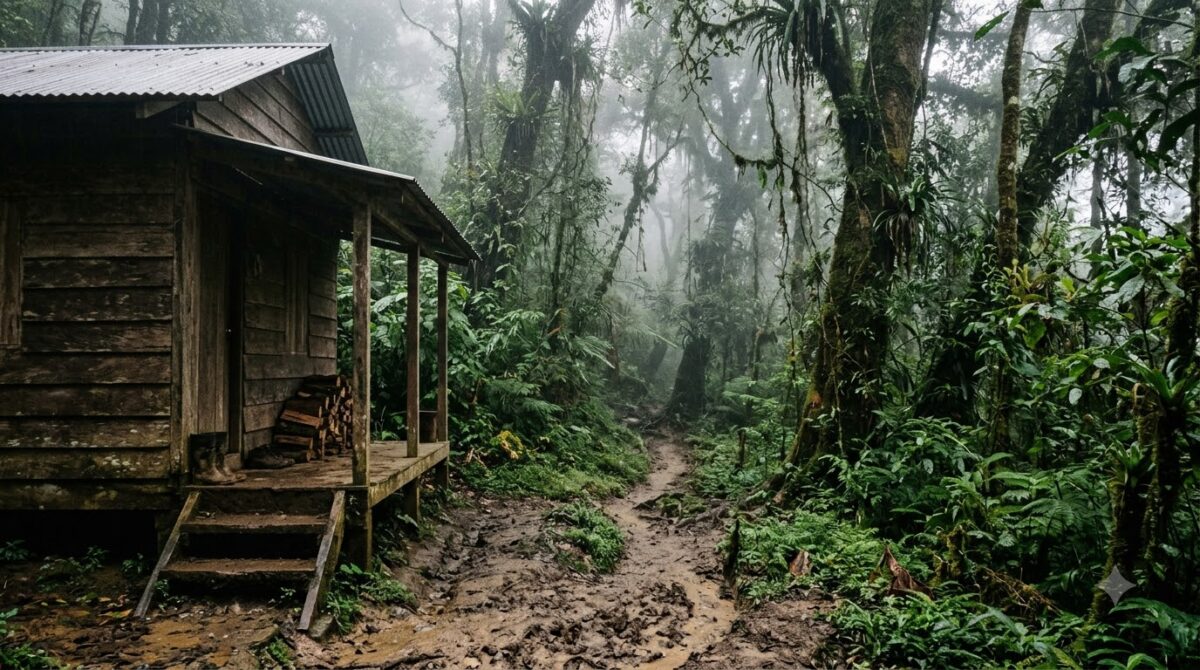
Hiking in Corcovado, and what a guided tour actually involves
Hiking in Corcovado is not technical — the trails are flat. What makes it hard is heat, humidity above 90 percent, mud, and distance. A guided tour to Corcovado is a long day on foot, not a stroll, and the national park offers no shade breaks beyond the forest itself.
- A Sirena day trip is typically 6 to 8 kilometres of walking after a 60 to 90 minute boat ride each way.
- La Leona starts with a 45-minute walk along the beach from Carate before you reach the entrance, close to the beach the whole way.
- San Pedrillo is the shortest option and the one to pick if you are travelling with children.
- Crossing the entire peninsula on foot, Los Patos to Sirena to La Leona, takes two to three days and is a serious undertaking booked well ahead.
- Howler monkeys will wake you at first light wherever you sleep on this part of the Osa Peninsula. Take it as the alarm clock.
Traveling to Costa Rica for wildlife and skipping this coast of Costa Rica is a defensible choice on a short trip. Doing Corcovado badly — one rushed day, no guide worth the money, no dawn — is not.
The wildlife you might actually see, from lapa to tapir
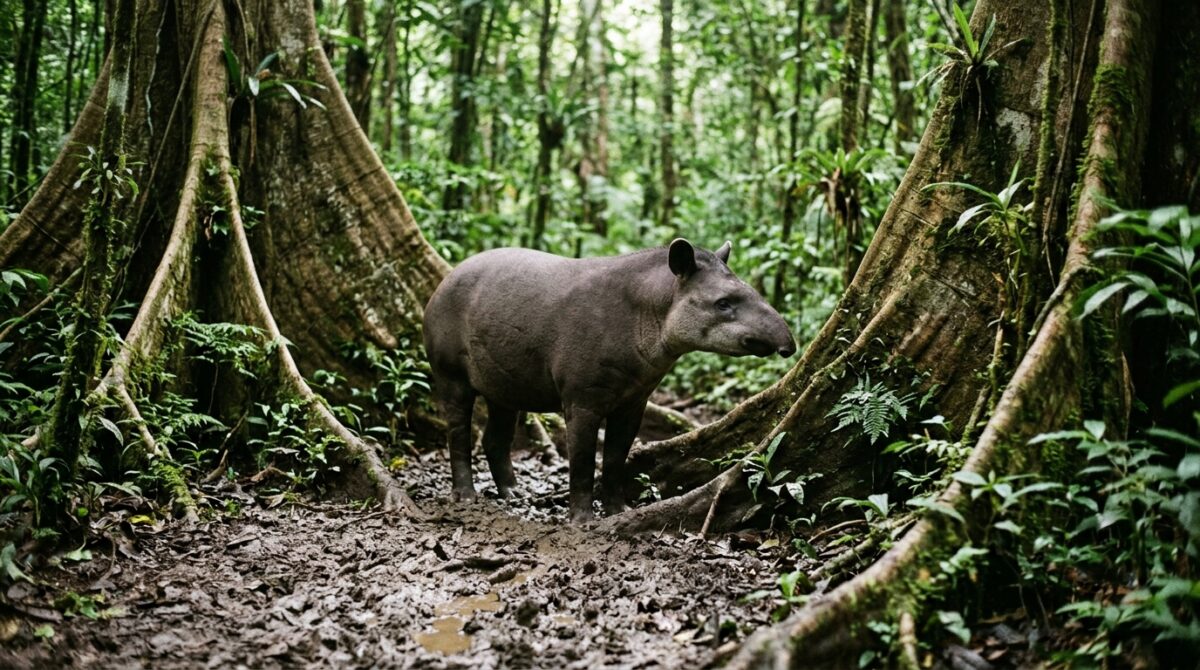
- Baird’s tapir — Central America’s largest land mammal, and Sirena is the most reliable place in Costa Rica to see one.
- Scarlet macaws in numbers, often in pairs, feeding in beach almond trees.
- All four monkey species, with squirrel monkeys the one you will not see elsewhere in the country.
- White-lipped peccary in herds, which you smell before you see.
- Sloths, coatis, agoutis, anteaters and a very long list of birds.
- Jaguar and puma are present. Sightings happen and they are rare. Anyone promising one is selling you something.
- Humpback whales in the Golfo Dulce and offshore, July to October and December to March, from both northern and southern populations.
- Dolphins and sea turtles on almost any boat ride.
Things to do besides Corcovado: Cabo Matapalo and Carate
- Caño Island — the best snorkelling and diving in Costa Rica, 45 minutes by boat from Drake Bay. Around US$100 to US$150 for a day trip. Landing on the island is restricted, so this is a water trip.
- Night hike in the rainforest around Drake Bay or Cabo Matapalo — frogs, snakes, insects and a completely different forest. About US$40 to US$60 and one of the best-value tours in the country.
- Kayak the Golfo Dulce mangroves at dawn from Puerto Jiménez, roughly US$50 to US$75.
- Cabo Matapalo at the southern end of the peninsula — surf breaks, waterfalls and jungle lodges, half an hour from Puerto Jiménez.
- Carate at the end of the road on the Pacific coast of the Osa, where the beach runs for miles with nothing on it.
- Whale watching from either base in season.
- Osa Conservation and other research projects around the peninsula run visits and volunteer programmes for anyone wanting an immersive experience rather than a tour.
On the way south, Uvita and the Costa Ballena make the natural stop before the peninsula.
Getting to the Osa Peninsula
To Drake Bay
- Boat from Sierpe — the standard route. Drive or shuttle to Sierpe, about six hours from San José, then a 90-minute boat ride down the river and along the coast. Around US$30 to US$40. Boats land on the beach, so dry bags matter.
- Fly — Sansa air flies San José to Drake Bay in about an hour for roughly US$120 to US$180 one way.
- There is no drivable road into Drake Bay from the south. Do not let a map convince you otherwise.
To Puerto Jiménez
- Drive — about eight hours from San José on paved road most of the way.
- Sansa flies San José to Puerto Jiménez Airport in about an hour, roughly US$110 to US$170.
- Public bus from San José takes eight to nine hours and costs around US$18.
- Onward to Carate is a rough 45-kilometre track with river crossings. A four-wheel drive is genuinely required, or take the colectivo truck that runs twice daily.
Where to stay: eco lodges from Lapa Rios to Aguila de Osa
Accommodation here is mostly eco lodges rather than hotels, many of them off-grid, and several of the best-known are in the hills at the southern end near Cabo Matapalo — Lapa Rios and Bosque del Cabo among them. Aguila de Osa is the long-standing landmark at Drake Bay.
| Area | Nightly rate | Notes |
|---|---|---|
| Puerto Jiménez town | US$35–120 | The only place with genuinely budget options |
| Drake Bay village | US$80–250 | Small lodges, often including meals |
| Drake Bay upmarket lodges | US$250–600 | All-inclusive with tours |
| Cabo Matapalo eco lodges | US$300–900 | Off-grid, full board, guided walks included |
| Carate | US$150–500 | Tent camps and lodges at the end of the road |
Full board is normal rather than a luxury here, because in most locations there is nowhere else to eat.
Map shows live availability and prices. We may earn a commission on bookings made through it, at no extra cost to you.
When to go
The Osa is the wettest region in Costa Rica. Even the dry season rains, and the wet season is genuinely wet.
- December to April — the dry season, and the easiest time to travel here. Still expect rain.
- July to October — humpback whales, turtle nesting, greener forest, lower prices.
- September and October — the wettest weeks. Some lodges close entirely and boat access can be disrupted.
- Wildlife is good year round. Unlike beach destinations, weather affects comfort here more than it affects what you see.
Full detail in our month-by-month guide to when to visit Costa Rica.
How to plan a trip to the Osa Peninsula
The Osa Peninsula is one of the few places on the planet where you can still walk into unbroken lowland rainforest and come out having seen large mammals. That is worth the difficulty. But it is a destination for nature lovers rather than a general holiday, and the planning is genuinely different from the rest of the country.
- Allow four nights minimum. Two days go to travel. Three nights leaves you one usable day, which is not enough for a place this hard to reach.
- Book Sirena first, then flights, then everything else.
- Do not tack it onto a ten-day loop. A trip to the Osa Peninsula needs its own block at one end of a trip to Costa Rica.
- Fly at least one leg if your time is short. Eight hours of road each way eats two days.
- Bring proper boots, a dry bag and serious insect repellent. Rubber boots are usually lent by lodges and you will want them.
- Expect no signal and limited power at many lodges. That is the point.
For the rest of the country, see our guides to things to do in Costa Rica and the beaches on both coasts.
Frequently asked questions
Do you need a guide for Corcovado National Park?
Yes. A certified guide has been mandatory since 2014 and rangers turn away anyone without one. Guides are also the practical reason you see wildlife, because they know where animals are and carry the scope.
Is Drake Bay or Puerto Jiménez better?
Drake Bay for the Sirena boat trip, Caño Island snorkelling and whale watching. Puerto Jiménez for independent travel, lower costs, Cabo Matapalo and the Golfo Dulce. They are on opposite coasts and moving between them takes most of a day, so choose before booking.
How do you get to the Osa Peninsula from San Jose?
For Drake Bay, drive or shuttle six hours to Sierpe and take a 90-minute boat, or fly Sansa in about an hour for US$120 to US$180. For Puerto Jiménez, drive about eight hours, take a bus for around US$18, or fly Sansa for US$110 to US$170.
How much does it cost to visit Corcovado?
Park entry is around US$15 to US$20 per day. A guided day tour from Drake Bay costs US$95 to US$160 including boat, guide and entry. An overnight at the Sirena ranger station runs roughly US$250 to US$400 for two days all in.
What wildlife can you see on the Osa Peninsula?
Baird’s tapir, all four Costa Rican monkey species including squirrel monkeys, the largest scarlet macaw population in Central America, white-lipped peccary, sloths, anteaters and 463 recorded bird species. Jaguar and puma are present but sightings are rare.
How many days do you need on the Osa Peninsula?
Four nights minimum, because two days go to travel. Five to six is better if you want both a Corcovado day and Caño Island or the Golfo Dulce.
When is the best time to visit the Osa Peninsula?
December to April is the dry season and the easiest time to travel, though it still rains. July to October brings humpback whales and turtle nesting. September and October are the wettest weeks and some lodges close.
Park fees, tour prices and flight costs read 16 August 2026. Sirena capacity and lodge opening dates change — confirm directly before booking.