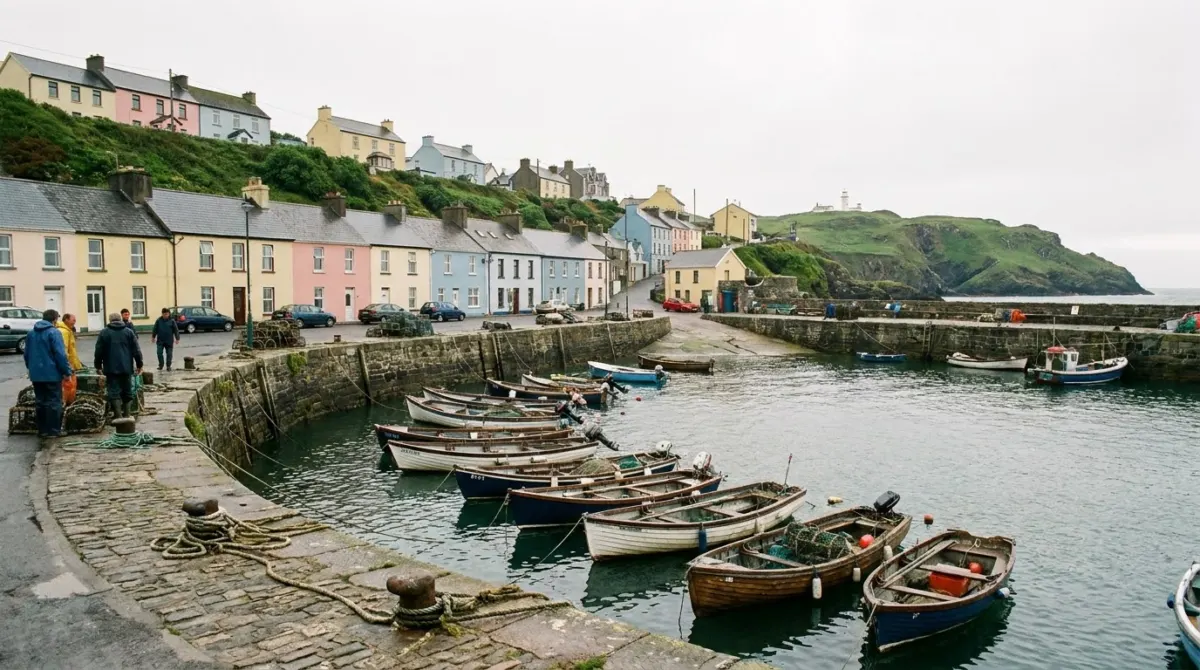
Quick answer
The southern route uses four bases in ten days: Dublin, Kilkenny, Cork or Kinsale, and Killarney or Kenmare for Kerry. Book the Kerry nights first, because they are the scarcest, then fit the rest of the route around them.
On this page
- Southern Ireland itinerary: the southern route at a glance
- Days 1 and 2: Dublin, without the car
- Day 3: Wicklow and on to Kilkenny
- Day 4: the Copper Coast and Waterford
- Days 5 and 6: Cork, Cobh and Kinsale
- Days 7 to 9: Kerry
- Day 10: closing the loop
- What the south has that the west does not
- Driving notes for the south
- When to go
- The seven day version
- The five day version
- The open jaw flight that saves a day
- Where the driving actually hurts
- Doing the southern route by train
- What this route leaves out
- Frequently asked questions
Before anything else: “southern Ireland” means two different things, and which one you mean changes the trip completely.
Some links below are affiliate links. We may earn a commission if you book through them, at no extra cost to you. We do not rank hotels, and any prices on the map come live from the booking sites.
For some people it means the Republic of Ireland — the twenty-six counties, as distinct from Northern Ireland, which is part of the United Kingdom. For others it means the south of the island: Cork, Kerry, Waterford and the counties along the southern coast.
This guide covers the second. If you meant the first, the route you want is our Ireland itinerary, which runs Dublin, Galway and Kerry with the whole west coast in between.
Southern Ireland itinerary: the southern route at a glance
| Days | Base | Doing |
|---|---|---|
| 1–2 | Dublin | The city on foot, car collected on departure |
| 3 | Kilkenny | Wicklow and Glendalough on the way, medieval Kilkenny in the evening |
| 4 | Waterford or Ardmore | The Copper Coast, Waterford city, the Greenway |
| 5–6 | Cork or Kinsale | Cobh, the harbour, west Cork, the English Market |
| 7–9 | Killarney or Kenmare | Kerry: the Ring, Dingle, the national park |
| 10 | Back to Dublin, or out of Cork or Shannon | Cashel on the way if returning |
The whole loop is about 900 kilometres, and almost none of it is motorway after day three. Plan the days around that, not around the map.
Where to sleep on this route
Days 1 and 2: Dublin, without the car
Two full days is the honest minimum for Dublin, and the car is a liability until you leave. Central parking is expensive and the city is twenty-five minutes across on foot.
Trinity College and the Book of Kells, the Georgian squares and a museum on the first day; Kilmainham Gaol or the Guinness Storehouse and an evening out on the second.
Day 3: Wicklow and on to Kilkenny
Collect the car in the morning and leave south through the Wicklow Mountains. Glendalough — a monastic site in a glacial valley with two lakes and a round tower — is an hour from the city and is the stop that makes this a scenic day rather than a transfer.
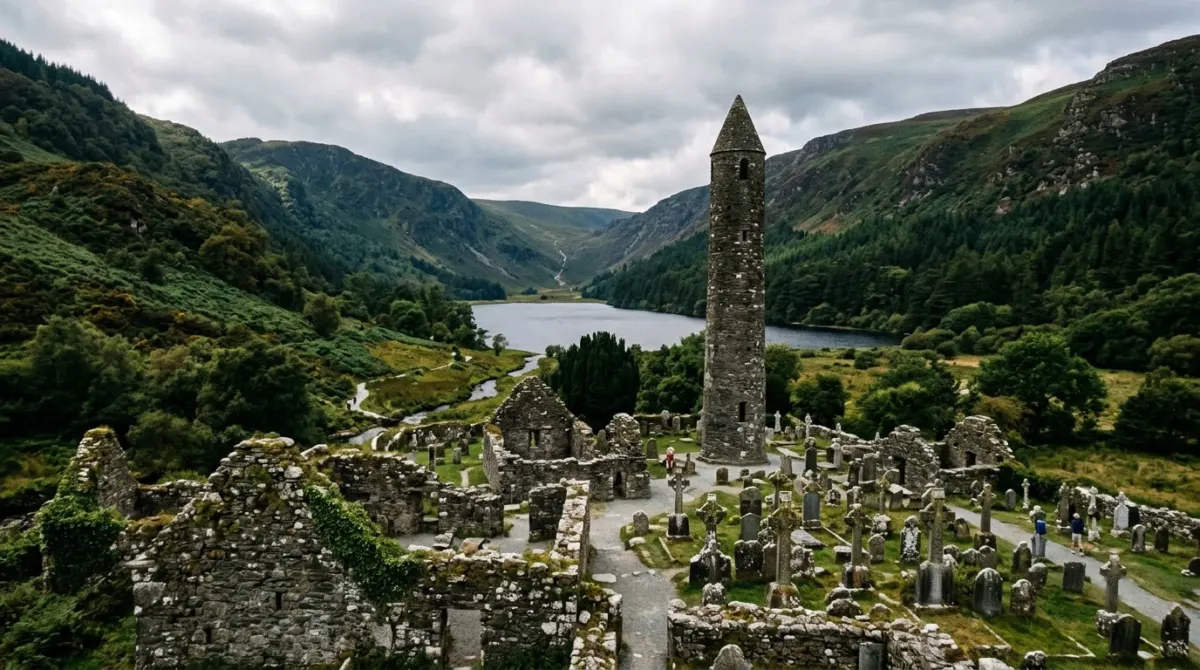
Continue to Kilkenny for the night. It is the most walkable medieval town in the country: a castle, a cathedral, and a lane of pubs and craft shops between them.
Day 4: the Copper Coast and Waterford
South-east from Kilkenny the country changes to farmland and then to coast. Waterford is the oldest city in Ireland, founded by Vikings, and its small museum quarter tells that story in three buildings within a few hundred metres.
The Waterford Greenway — a 46-kilometre walking and cycling route along a disused railway from Waterford to Dungarvan — is the best reason to give this day more than a few hours. Bikes can be hired at either end and the viaducts and tunnel are the highlight.
Stay in Waterford itself, in Dungarvan, or in Ardmore on the coast, which has a cliff walk and a round tower above the beach.
Map shows live availability and prices. We may earn a commission on bookings made through it, at no extra cost to you.
Days 5 and 6: Cork, Cobh and Kinsale
Cork is a compact city built on an island between two channels of the River Lee, with the English Market — a covered food market trading since the eighteenth century — at its centre.
Two things nearby are worth the day:
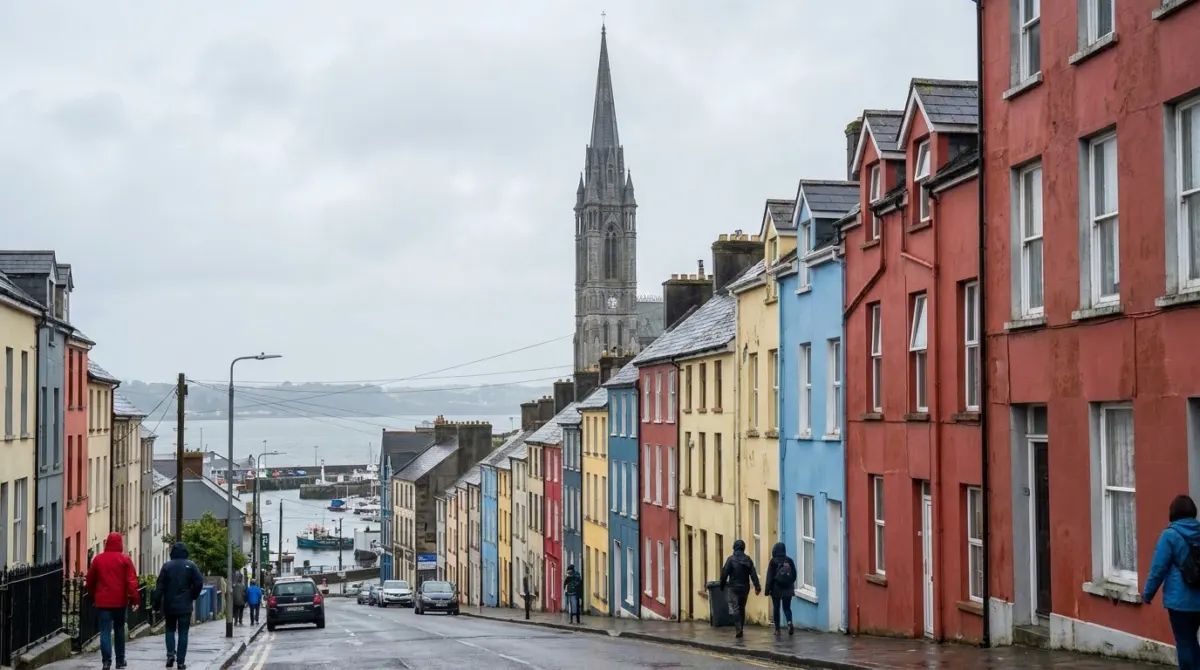
Cobh, twenty-five minutes by train, was the last port of call of the Titanic and the point of departure for a very large share of Irish emigration. The waterfront terrace of coloured houses below St Colman’s Cathedral is the photograph everyone takes.
Kinsale, half an hour south, is a harbour town of narrow streets and painted houses with an unusual concentration of restaurants, and the Old Head and Charles Fort on the water beside it.
Base in Cork for the city and the transport, or in Kinsale for the harbour and the food.
Days 7 to 9: Kerry
West into Kerry, and the landscape becomes mountains and sea. Killarney is the practical base: a tourism town at the gate of the national park, with both famous loops leaving from it.
The Ring of Kerry is a full-day circuit of 179 kilometres. The Dingle Peninsula and the Slea Head drive are shorter, narrower and, for many people, better value for the time.
If you prefer somewhere quieter than Killarney, Kenmare sits at the southern end of the Ring and is a smaller, calmer town with good food.
Three nights here is right. Two works if you take Dingle and skip the Ring.
Day 10: closing the loop
If you are flying out of Cork or Shannon, the drive is short and the trip ends without a long transfer. If you are returning to Dublin, break the journey at the Rock of Cashel, a medieval cathedral and round tower on a limestone outcrop above the plain, which is directly on the route and worth an hour.
What the south has that the west does not
Three things, and they are the argument for this route over the standard Dublin–Galway–Kerry loop:
Food. Cork and west Cork are the strongest food region in the country, and Kinsale concentrates it.
Shorter drives. The south-east is flatter and better served by road than the west coast, so the first half of this trip moves faster.
Fewer coaches. The Copper Coast, the Greenway and much of west Cork are not on the standard tour circuit.
What it lacks, honestly, is the drama of Connemara and the Cliffs of Moher. If this is your only trip to Ireland, the west is the one to see.
Driving notes for the south
The motorway network carries you as far as Kilkenny and Cork. After that you are on national and regional roads, and in west Cork and Kerry on roads that are narrow with stone walls at the edge.
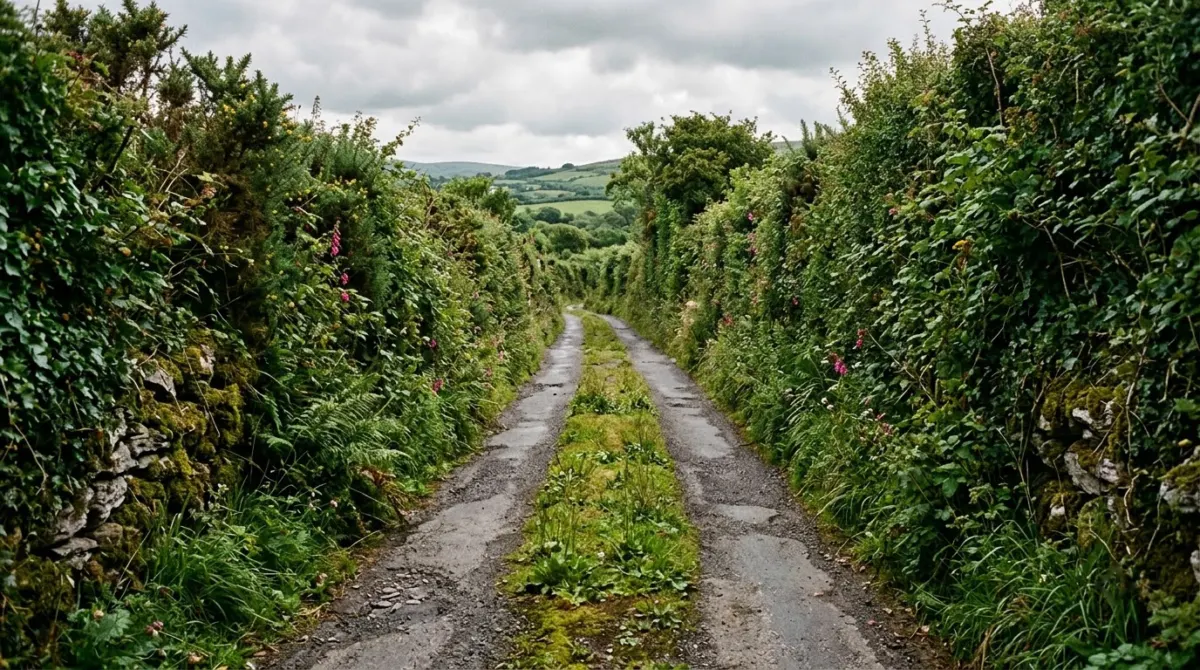
Allow roughly two-thirds of the speed your navigation suggests once you are off the motorway, add time for towns, and avoid planning any day that ends with an unfamiliar narrow road after dark.
When to go
May, June and September give the best balance of daylight and traffic. July and August bring the longest evenings and the heaviest coach traffic through Kerry. Winter shortens the driving day enough to cut a stop from the route.
The seven day version
Cut the south-east and keep the two strongest regions:
- Days 1–2: Dublin on foot, no car.
- Day 3: collect the car, Glendalough and the Wicklow Mountains, overnight in Kilkenny.
- Day 4: on to Cork or Kinsale, with Cobh in the afternoon.
- Days 5–6: Kerry from Killarney or Kenmare — Dingle one day, the national park the other.
- Day 7: out of Cork or Shannon, or back to Dublin via the Rock of Cashel.
What this drops is Waterford and the Greenway, which is the right thing to drop if you are not cycling.
The five day version
Two bases and no loop: two nights in Dublin, then three in Cork or Kinsale, using them for Cobh, the harbour and a day into west Cork. Kerry does not fit into five days alongside Dublin — adding it means three long drives in five mornings.
If Kerry is the reason you are coming, invert the trip: fly into Cork or Shannon, spend four nights in Kerry, and leave Dublin for another time.
The open jaw flight that saves a day
This route ends a long way from where it starts. Killarney to Dublin Airport is around four hours, and on the last morning of a holiday that is the worst four hours of the trip.
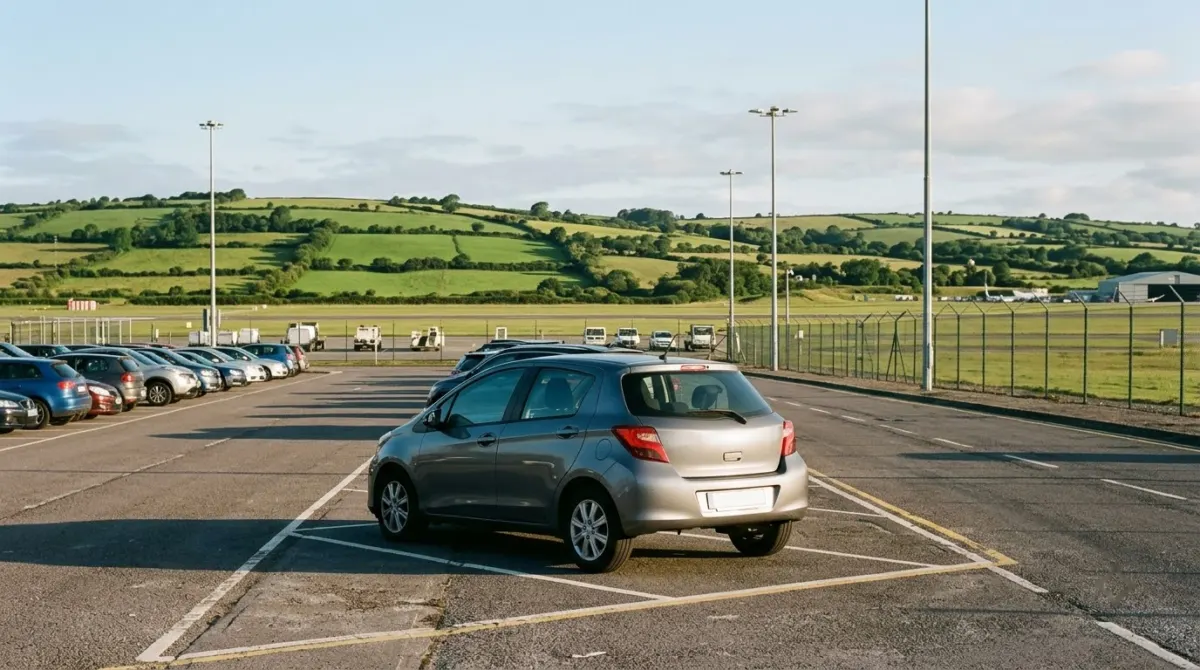
Flying out of Cork or Shannon removes it. Both are small, both are close to the end of this route, and an open-jaw booking — in through Dublin, out through Cork — usually costs little more than a return.
Where the driving actually hurts
Four stretches account for most of the lost time on this route.
Leaving Dublin on a weekday morning. The M50 and the roads out of the city are slow until mid-morning. Collect the car at ten rather than eight.
West Cork. Beautiful, and slow. Narrow roads, frequent villages, and distances on the map that bear little relation to time.
The Ring of Kerry. A 179-kilometre loop that takes most of a day, partly because of coach traffic and partly because every viewpoint deserves a stop.
Slea Head on the Dingle Peninsula. Narrow, with blind bends, and in practice driven in one direction by everyone. It is the best hour of driving in the country and it cannot be hurried.
As a rule off the motorway, allow about two-thirds of the speed your navigation app predicts.
Doing the southern route by train
More of this itinerary works without a car than the western one does.
Trains run from Dublin to Kilkenny, Waterford, Cork and Killarney. Cobh is a short train ride from Cork. The Waterford Greenway starts at the edge of Waterford city, with bikes for hire there. Kinsale is about forty minutes by bus from Cork.
What you cannot do by train is west Cork and the Kerry peninsulas. From Killarney, both the Ring of Kerry and Dingle run as full-day coach trips, which covers the gap for most visitors.
A workable car-free version: Dublin, Kilkenny, Waterford, Cork and Killarney by rail, with two organised days out from Killarney.
What this route leaves out
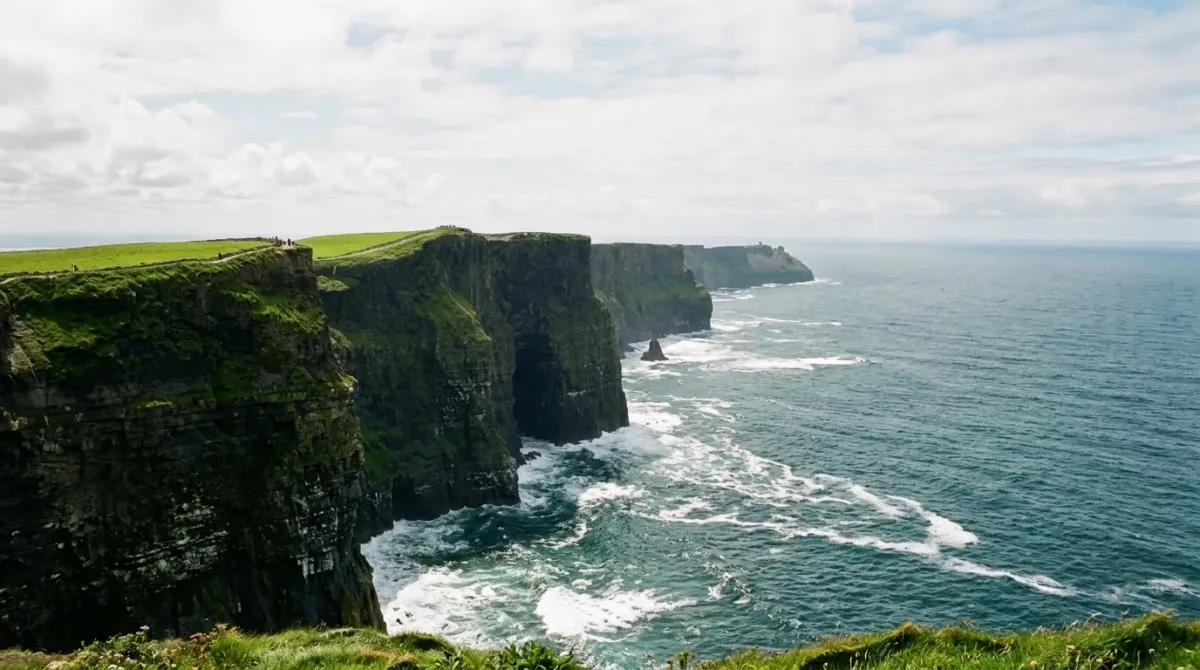
Connemara and the Cliffs of Moher — the west coast proper, which is a different trip and the one our Ireland itinerary covers.
Northern Ireland and the Causeway Coast — the far end of the island from here, and a fortnight if you want both.
The Beara and Sheep’s Head peninsulas — quieter than the Ring of Kerry and arguably better, and each needs a day this route does not have.
The Skellig Islands — boat landings depend on the weather, are limited in number and are booked far ahead, so they belong to a trip built around them rather than one passing through.
Frequently asked questions
What does "southern Ireland" actually mean?
It is used two ways. Some people mean the Republic of Ireland as opposed to Northern Ireland, which is part of the United Kingdom. Others mean the south of the island: Cork, Kerry and Waterford. This itinerary covers the second; for the first, a Dublin, Galway and Kerry route covers the Republic better.
How many days do you need for southern Ireland?
Ten covers Dublin, Kilkenny, Waterford, Cork and Kerry without rushing. Seven works if you drop Waterford and shorten Kerry to two nights. Five means Dublin plus one region, not the whole south.
Is the south of Ireland better than the west?
It is easier to drive, stronger for food, and quieter on the roads. The west has the bigger landscapes: Connemara, the Burren and the Cliffs of Moher. If this is your only trip, take the west; if it is your second, the south rewards it.
Should I base in Cork or Kinsale?
Cork for a working city, train links to Cobh and the English Market. Kinsale for a harbour town with painted streets and more restaurants than its size suggests. Kinsale is about half an hour from Cork, so either reaches the same area.
Is the Waterford Greenway worth a day?
If you cycle, yes. It runs 46 kilometres along a disused railway between Waterford and Dungarvan, with viaducts and a tunnel, and bikes can be hired at either end. It is the main reason to give the south-east a full day rather than a drive-through.
Can you do this route without a car?
Partly. Trains link Dublin, Kilkenny, Waterford, Cork and Killarney, and the Greenway and Cobh are reachable without driving. What you lose is west Cork and the Kerry peninsulas, which need either a car or organised day tours from Killarney.
Keep planning Ireland
- Where to Stay in Kilkenny: On the Mile, or Beside the Station
- Where to Stay in Doolin: Book a Room You Can Walk Home To
- Where to Stay in Belfast: Four Quarters, Four Different Trips
- Where to Stay in Killarney: The Town, or the Lakes
- Where to Stay in Dingle: In Town, or Out Where the View Is
- Where to Stay in Ireland: Pick Three Bases, Not Seven
- Where to Stay in Galway: The Noise Decides It, Not the Distance
- Best Hotels in Dublin: What Each Kind of Building Gives You
Written and checked by
Triplarks Editorial
An editorial desk, not an invented persona: research, drafting and fact-checking are done by the same small team. Every number here carries the date it was read.