Quick answer
Three days covers the city and one day out. Four or five if you want Neuschwanstein, Salzburg, Dachau or the Alps, because at that point Munich becomes a base and you stop packing. Stay within reach of the Hauptbahnhof if two or more day trips are in the plan.
On this page
- How many days in Munich: what each length gets you
- What one day covers
- Two days, and what you add
- The third day: the city, or out of it
- The day trips, and how long each takes
- Four days and beyond
- When fewer days are enough
- When you need more
- How to use the days you have
- How long each thing in the city takes
- Munich in two days with a fixed arrival
- Is Munich or Berlin the better three days?
- Practical notes for a short stay
- The best order to do things
- Munich in one day from somewhere else
- The short version
- Frequently asked questions
Three days. Two if Munich is one stop on a longer German trip, and four or more if you intend to use it as a base — which is what Munich is genuinely best at, because the day trips from it are better than the ones from almost any other German city.
Some links below are affiliate links. We may earn a commission if you book through them, at no extra cost to you. We do not rank hotels, and any prices on the map come live from the booking sites.
How many days in Munich: what each length gets you
| Days | What fits | Who it suits |
|---|---|---|
| 1 | Altstadt, Marienplatz, a beer garden | A stopover |
| 2 | The above plus one major museum or the Residenz | One stop on a Germany trip |
| 3 | The city properly, or two days plus one day trip | Most first visits |
| 4–5 | City plus Neuschwanstein, Dachau or Salzburg | Using Munich as a base |
| 6+ | Adds the Alps and the lakes | Walking, or a slower trip |
Where to sleep on this route
What one day covers
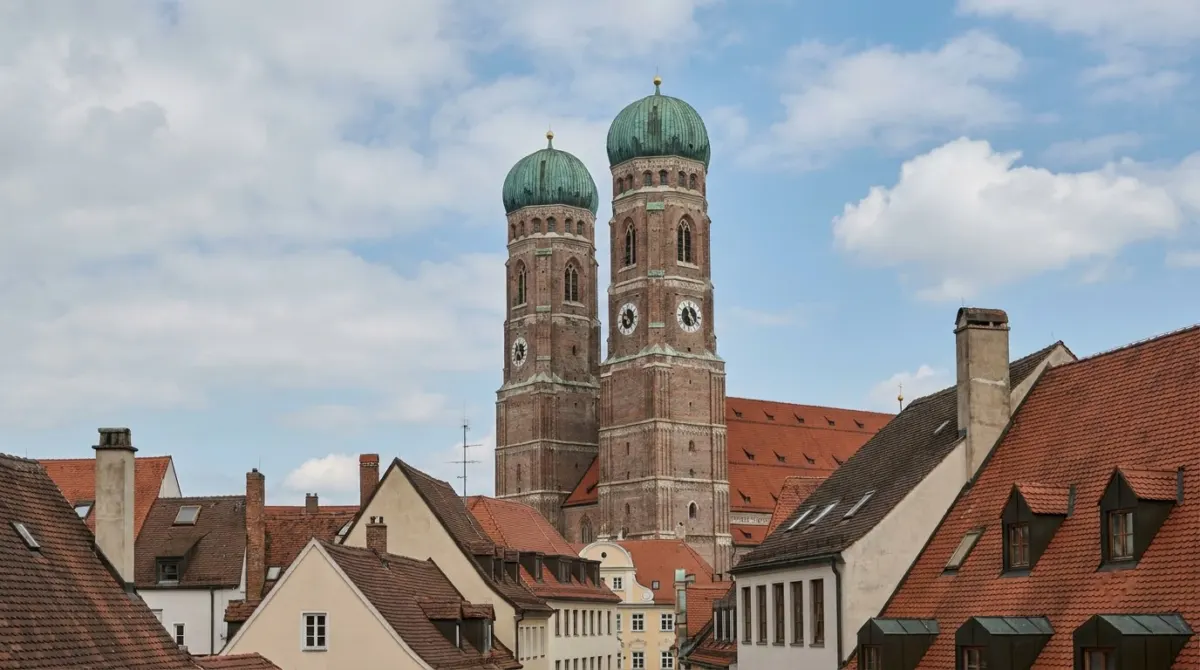
Marienplatz and the glockenspiel, the Viktualienmarkt for lunch, the Residenz or the Frauenkirche, and an afternoon in the Englischer Garten, finishing at a beer garden.
That is a full and pleasant day, and it leaves out every museum, every day trip and the whole of the city beyond the ring. One day is a stop rather than a visit.
Two days, and what you add
The second day is where you choose what kind of Munich you are having.
Art: the Pinakothek museums in Maxvorstadt, which between them hold one of the better collections in Europe. Half a day each, at least.
History: the Dachau memorial site, about forty minutes from the centre by S-Bahn and bus. It is a half to full day and it is not something to rush or to pair with a cheerful afternoon.
Science and machinery: the Deutsches Museum, which is enormous and takes as long as you let it.
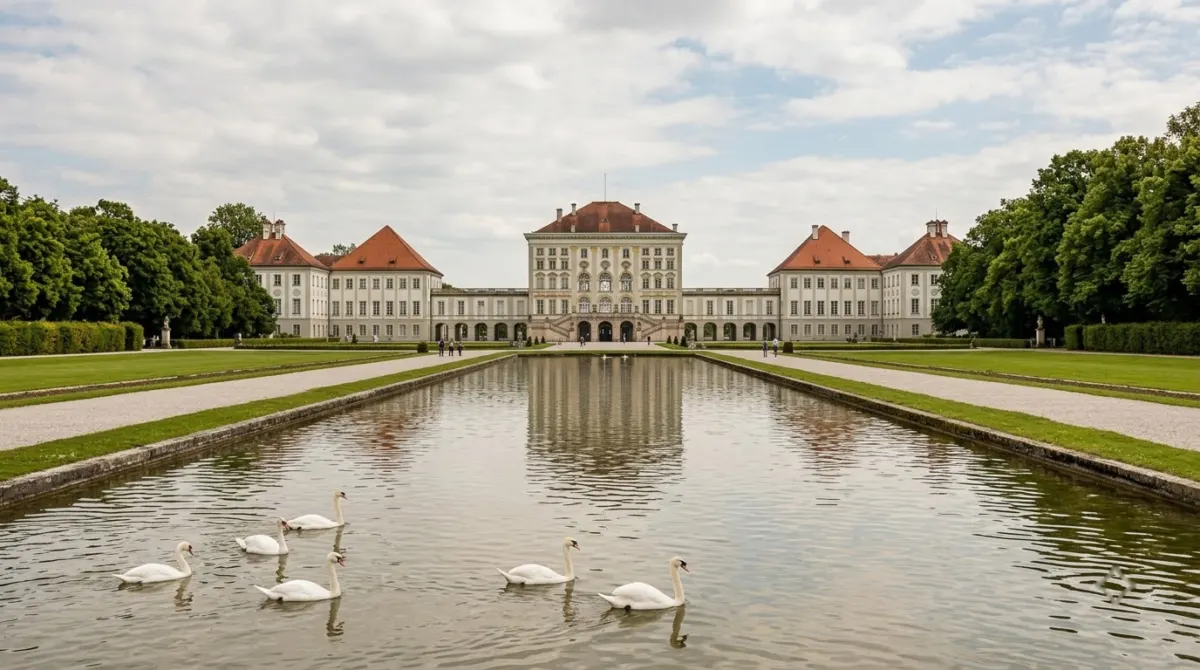
Royal: Nymphenburg Palace and its park, west of the centre.
Two days means one of these. Three means two.
The third day: the city, or out of it
With three days you can either finish Munich properly or take your first day trip, and both are reasonable.
Finishing the city means the district you have not seen — Schwabing and the length of the Englischer Garten, or Haidhausen across the Isar — plus whichever museum you skipped.
Leaving it means one of the trips below, all of which run by train from the Hauptbahnhof.
Map shows live availability and prices. We may earn a commission on bookings made through it, at no extra cost to you.
The day trips, and how long each takes
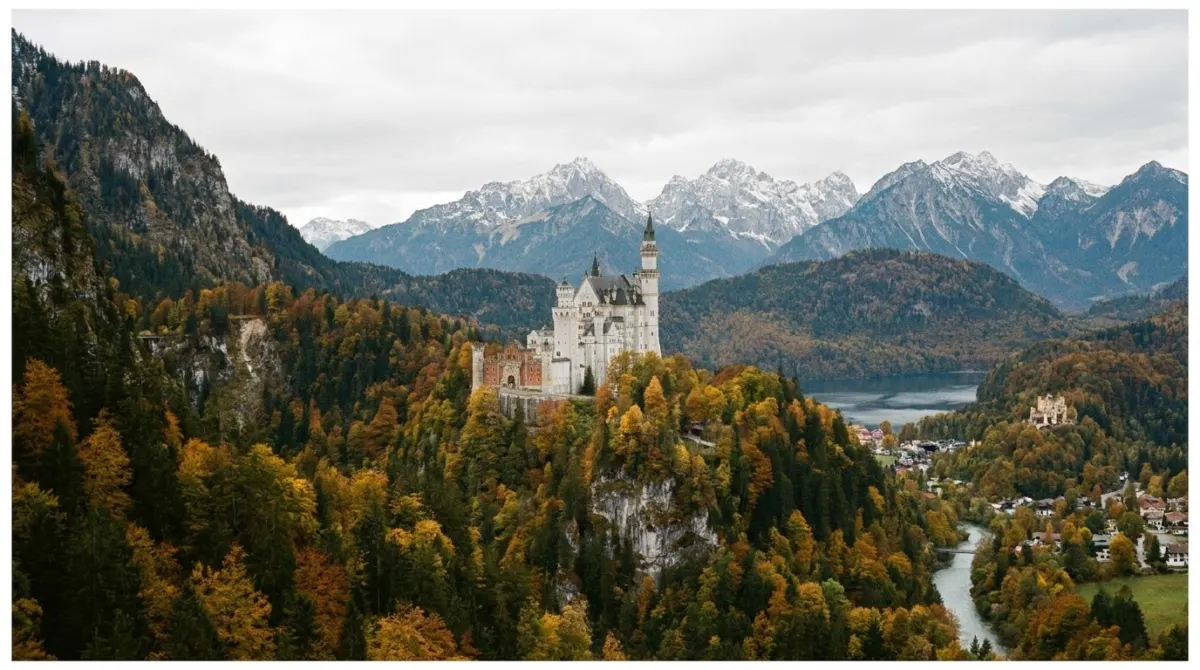
Neuschwanstein. The castle in the foothills is roughly two hours each way by train and bus, and the visit itself is a timed guided tour. Allow a full day and book the tour slot in advance, because they sell out.
Salzburg. About an hour and a half each way by train, across the border into Austria. A full and easy day, and a genuinely different city.
Dachau. Around forty minutes each way. Half a day minimum, and most people find it takes the rest of the day emotionally.
Garmisch-Partenkirchen and the Zugspitze. About ninety minutes each way, then a cog railway and cable car to Germany’s highest point. A full day, and weather-dependent.
Nuremberg. About an hour each way on the fast train. A full day for the old town and the documentation centre.
Four days and beyond
At four days Munich becomes a base, and the arithmetic changes: you stop packing and unpacking, and each day out starts and ends at the same room.
A good four-day shape is two days in the city and two day trips, usually Neuschwanstein and Salzburg, or Dachau and the mountains.
Five or six days adds the Bavarian lakes — Starnberg and Tegernsee are both under an hour — or a night in the Alps if you want to walk.
When fewer days are enough
Two situations.
If Munich is one stop on a German itinerary that also takes in Berlin, Dresden or the Rhine, two days is a fair share and the day trips belong to a different trip.
If you are coming in deep winter, daylight runs from about eight to half past four, which removes the mountain trips and shortens everything else. Three winter days cover roughly what two summer days cover.
When you need more
Oktoberfest. If you are here for the festival, add a day: you will lose at least one afternoon to it, and probably one morning after it.
Christmas markets. They run across the city from late November and are an evening activity, so they add rather than replace.
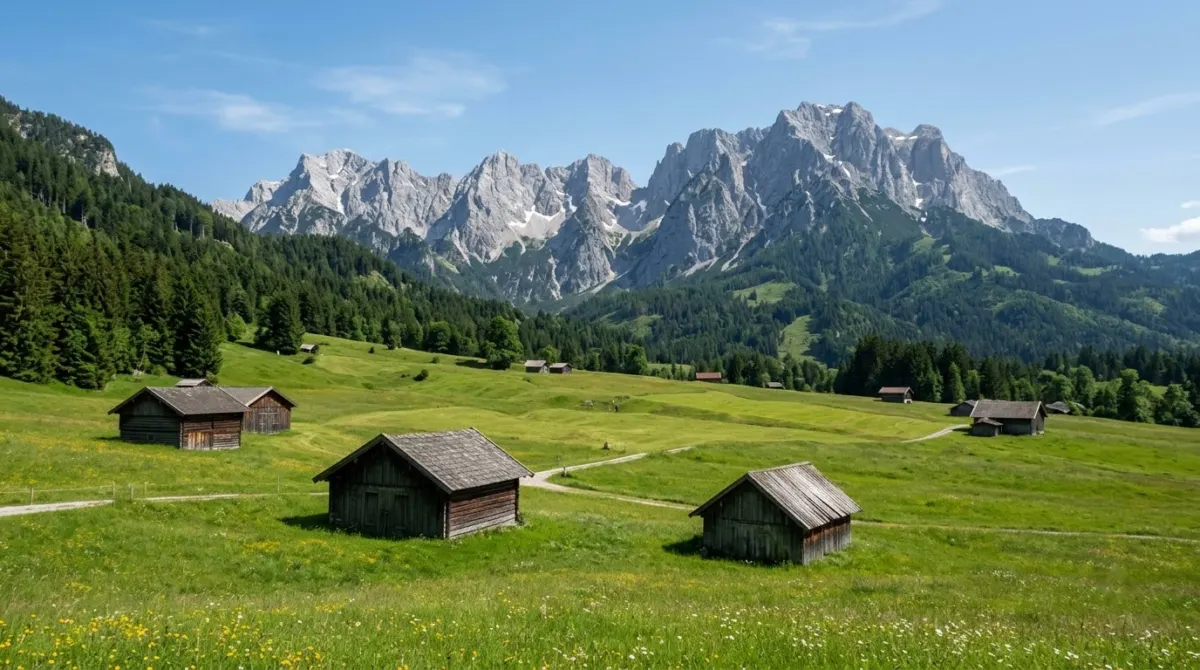
Walking in the Alps. Garmisch and Berchtesgaden both deserve an overnight rather than a day trip if the mountains are the point.
How to use the days you have
Three practical points.
Book Neuschwanstein tour slots in advance. It is the one thing around Munich that reliably sells out, and turning up without a slot means a long trip for a view of the outside.
Use the S-Bahn. Every day trip above leaves from the Hauptbahnhof or Ostbahnhof, and regional day tickets covering several people are usually the cheapest way to do it.
Check the Oktoberfest dates before booking anything. Not because you should avoid it, but because it changes the price and character of everything else.
Our guides to where to stay in Munich and best hotels in Munich cover the booking side, and the Germany itinerary shows where Munich fits in a longer route.
How long each thing in the city takes
Planning a Munich day is easier with real durations rather than a list.
Marienplatz and the glockenspiel: half an hour, and the chimes run at set times in the late morning and midday.
The Viktualienmarkt: an hour, longer if you eat there, which you should.
The Residenz: two hours for the state rooms, more with the treasury.
One Pinakothek: two to three hours, and there are three of them.
The Deutsches Museum: half a day minimum, a full day if you have an engineer in the party.
A beer garden: as long as you let it, which is the point.
Two of the larger items plus something small is a comfortable day. Three is a march.
Munich in two days with a fixed arrival
Many two-day visits are really an afternoon, a full day and a morning, which changes what fits.
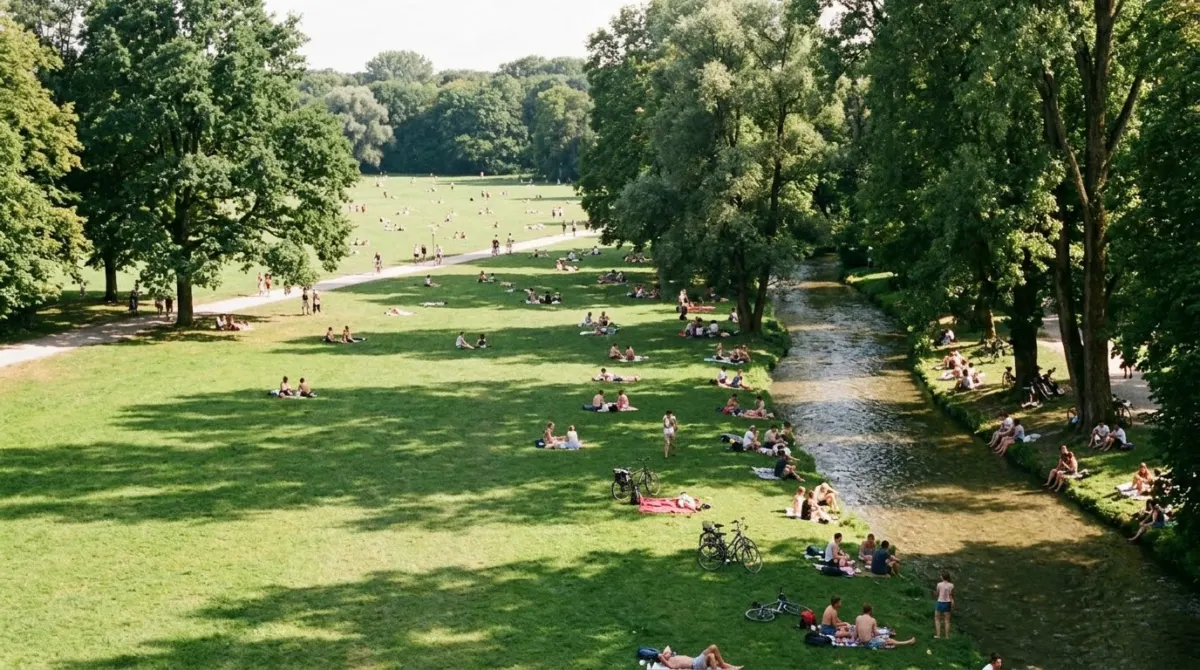
Afternoon of arrival: Marienplatz, the Viktualienmarkt and a beer garden. Nothing that needs a ticket.
Full day: the Residenz or a Pinakothek in the morning, the Englischer Garten in the afternoon, dinner in the Altstadt.
Morning of departure: one museum, or the walk to Nymphenburg if your flight is late.
The S-Bahn to the airport takes about forty minutes from the Hauptbahnhof, so a midday flight still allows a morning.
Is Munich or Berlin the better three days?
They are not interchangeable, and the choice is clearer than most city comparisons.
Munich gives you a compact, prosperous, traditional city with the Alps and Neuschwanstein within reach. Three days there covers the city and a day trip comfortably.
Berlin gives you twentieth-century history at first hand and a far larger, rougher, more varied city. Three days there is the minimum rather than the comfortable length.
If you have six days in Germany, three in each is the standard split and it works. If you have three days total, pick by what interests you rather than by which is more famous.
Practical notes for a short stay
Three things that save time in Munich specifically.
Buy a day ticket for the transport network rather than single fares; a single zone covers the centre and most of what you will do.
Book Neuschwanstein and any Residenz guided tour in advance. Walk-up slots exist but not reliably in summer.
Check the Oktoberfest and trade fair dates. They do not only change prices — they change how long it takes to get a table, a taxi or a seat on the U-Bahn.
The best order to do things
Two small sequencing points that make a Munich trip run better.
Do the Altstadt first, on the day you arrive, because it needs no tickets and works at any hour. Save the museums and the castle tours for days you can book.
Do Dachau on its own day, and preferably not the day before you leave. It is a memorial site rather than an attraction, and most visitors find it colours the rest of the day.
Munich in one day from somewhere else
Munich is a common day trip from Salzburg, Nuremberg or Innsbruck, and it survives the treatment better than most cities because the centre is small.
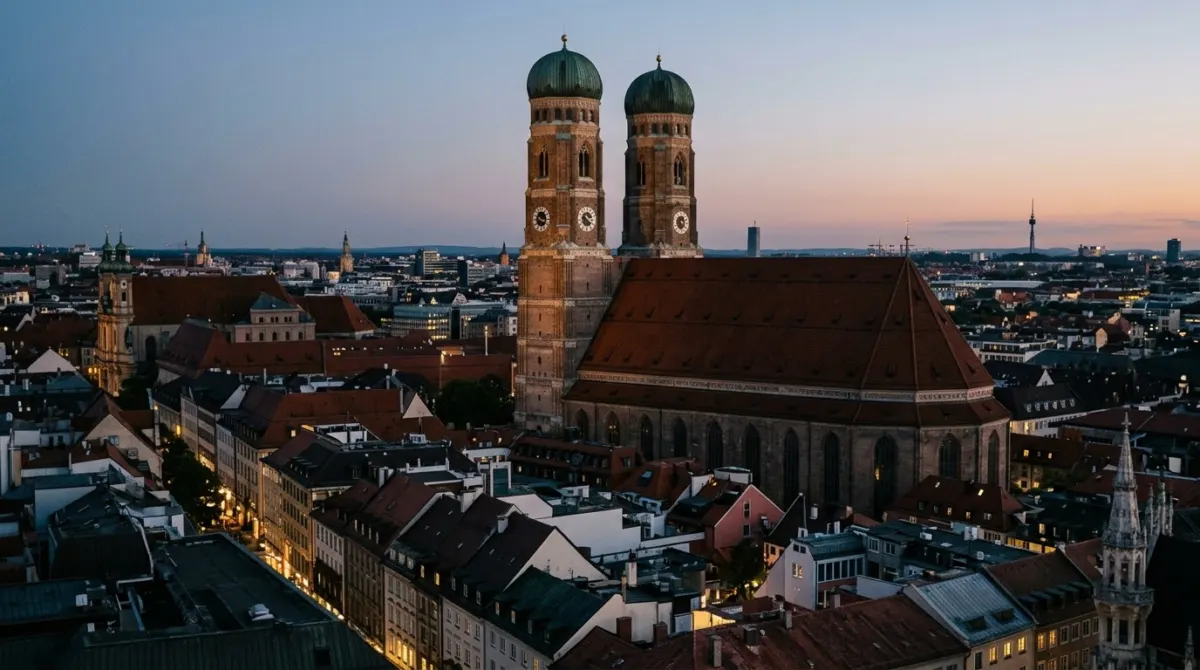
From the Hauptbahnhof, walk to Marienplatz in fifteen minutes, take in the glockenspiel, spend an hour in the Viktualienmarkt, see the Residenz or the Frauenkirche, and finish in a beer garden at the southern end of the Englischer Garten. That is a full day and it needs no tickets booked in advance.
What a day trip cannot do is any museum of substance, and it cannot do Dachau, which deserves its own day.
The short version
Three days for most first visits: two in the city and one out of it. Two if Munich is one stop on a German trip. Four or five if you want Neuschwanstein, Salzburg, Dachau or the Alps, because at that point the city becomes a base and you stop packing. Add a day in winter, and a day if you are here for Oktoberfest.
Frequently asked questions
How many days do you need in Munich?
Three for most first visits: two for the old town and a museum, one for a day trip. Two is enough if Munich is one stop on a longer German trip. Four or more if you want Neuschwanstein, Salzburg or the Alps as well.
Is 2 days enough for Munich?
For the city centre, yes. The Altstadt, the Viktualienmarkt, the Residenz or a museum, and an evening in a beer garden fit comfortably. What two days does not allow is any of the day trips, which are the best reason to stay longer.
Is Munich worth 4 days?
Yes, if you use it as a base. Four days means two in the city and two days out — Neuschwanstein and Salzburg, or Dachau and the Zugspitze — without changing accommodation.
How long does a day trip to Neuschwanstein take?
A full day. It is roughly two hours each way by train and bus, and the castle itself is a timed guided tour. Book the slot in advance, because they sell out and arriving without one means seeing it only from outside.
Can you visit Salzburg from Munich in a day?
Yes, comfortably. The train takes about an hour and a half each way, and Salzburg's old town is compact enough to see in an afternoon. It is one of the easiest international day trips in Europe.
How many days in Munich during Oktoberfest?
At least one more than you would otherwise take. A festival afternoon usually costs you the evening as well, and the city is busier and slower to move around, so a three-day plan becomes four.
Keep planning Germany
- Where to Stay in Cologne: One Street Back From the Cathedral
- Where to Stay for Oktoberfest: Buy the Walk Home
- Where to Stay in Frankfurt: The City, the Station or the Airport
- Best Hotels in Munich: What the Money Actually Buys
- Where to Stay in Berlin: Pick a District, Not a Hotel
- Where to Stay in Munich: Inside the Ring, or One Stop Out
- How Many Days in Berlin? Four, and Why It Needs More Than Munich
- 10 Day Germany Itinerary: Five Bases, Four Trains
Written and checked by
Triplarks Editorial
An editorial desk, not an invented persona: research, drafting and fact-checking are done by the same small team. Every number here carries the date it was read.