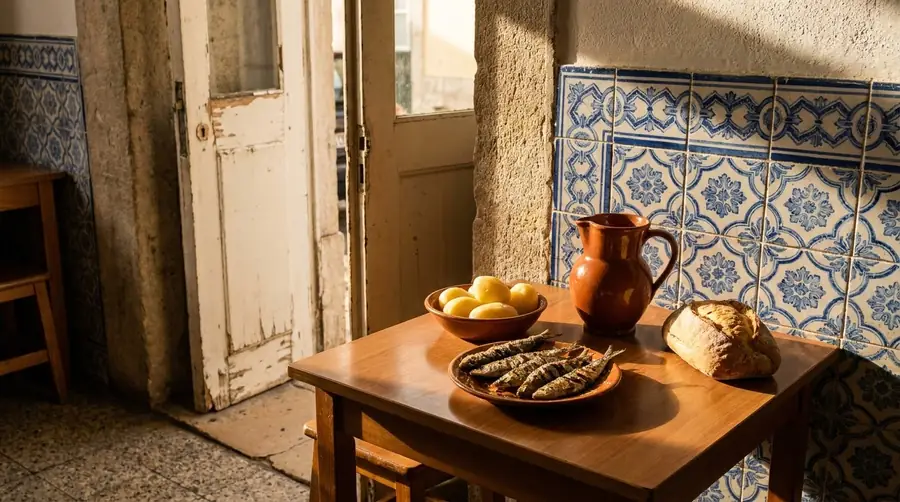
Where to stay to eat well in Lisbon
Pick the bairro, then the table. Baixa and Chiado for old cervejarias and Michelin stars, Alfama for tascas, Cais do Sodré for the food hall, Belém for the pastel de nata.
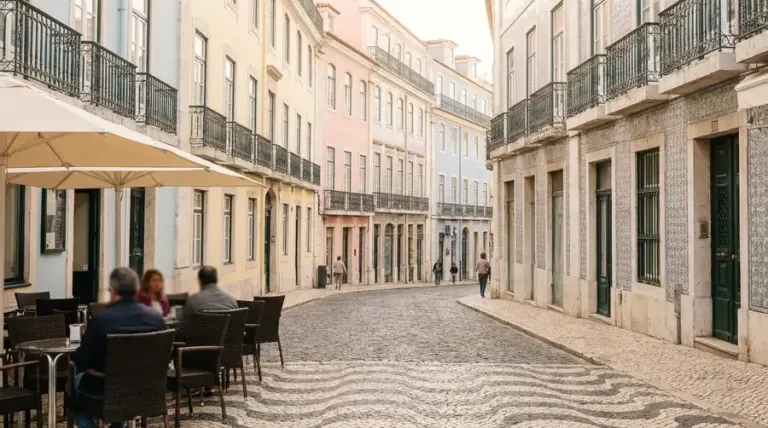
Illustration Check hotels in Baixa & Chiadoor compare on AgodaBest base
Baixa & Chiado
Old beer halls, a 19th-century pastry shop, ginjinha and Belcanto, all on flat streets by the river.
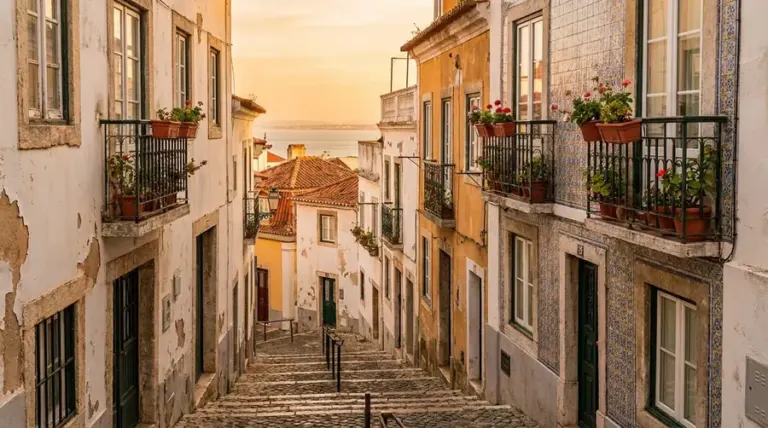
Illustration Check hotels in Alfamaor compare on AgodaOld Lisbon tascas
Alfama & Graça
Small neo-tascas, a seafood cervejaria and fado bars in the oldest streets of the city.
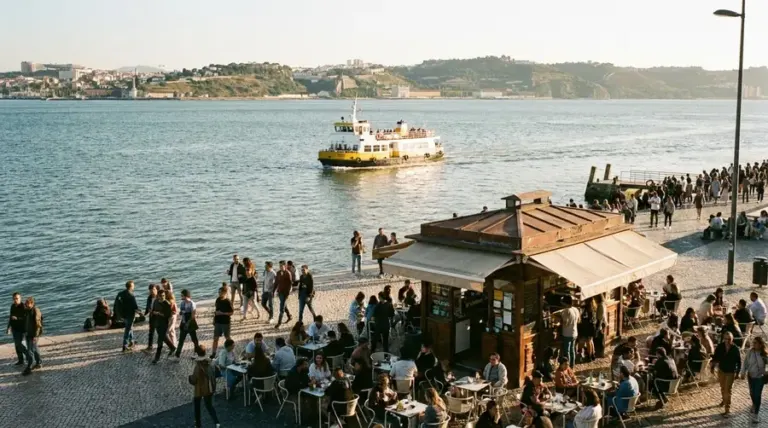
Illustration Check hotels in Cais do Sodréor compare on AgodaFood hall by the river
Cais do Sodré
The city's big food hall, an old tasca institution and a marisqueira on the docks.
On this page
- Traditional Portuguese food: what to eat in Lisbon, from petiscos to pastel de nata
- Best traditional Portuguese restaurants and tascas: where to eat in Lisbon by neighbourhood
- Baixa and Chiado: Belcanto, Taberna da Rua das Flores and ginjinha in Rossio
- Bairro Alto and Príncipe Real: Cervejaria Trindade, Sea Me and A Cevicheria
- Alfama, Graça and Mouraria: tavern food at O Velho Eurico, Prado and Penalva da Graça
- Cais do Sodré: Time Out Market, Pap’Açorda and Monte Mar
- Belém: Pastéis de Belém, Feitoria, Canalha and Nunes Real Marisqueira
- Campo de Ourique: the market, Aloma, Pigmeu and Tasca da Esquina
- Intendente and Arroios: Cervejaria Ramiro, Mercado de Arroios and Mezze
- Our Lisbon food guide: how we chose the best restaurants in Lisbon
- Eating out in Lisbon: travel tips that save an evening
- When Lisbon eats
- Fine dining in Lisbon: Michelin stars and modern Portuguese chefs
- Food tours for the foodie, fado dinners and day trips
- Vegetarian food, brunch spots in Lisbon and coffee shops
- What is in season on Lisbon menus
- Ordering in Portuguese
- More Lisbon and Portugal planning
- Hotels near the food, with live prices
- Best restaurants in Lisbon: FAQ
The best restaurants in Lisbon are spread over seven hills and a dozen neighbourhoods, and the worst ones sit exactly where visitors walk: on Rua Augusta and the squares of the Baixa. This guide works the other way round. Lisbon’s restaurant scene has never been better, the food scene is one of the city’s great draws, and it is one of the best food cities in Europe for the money, but the great food is in the side streets: family-run tascas, marisqueiras pouring cold beer with seafood, pastelarias with warm pastéis de nata, and modern Portuguese kitchens run by some of the country’s top chefs. This Lisbon food guide splits the city into seven food neighbourhoods, names the places worth your time in each, and says which ones you must book and which ones you just turn up at. Every place below was checked as open on 16 October 2026 against its own website, the 2026 Michelin Guide, Time Out Lisboa’s 2026 list of the best restaurants in Lisboa, or recent Portuguese press, and the date sits next to each name. We do not rank them and we do not print prices, because both change faster than a guide can. If this is your first trip, start with the neighbourhood: our guide to where to stay in Lisbon compares the districts, and this page tells you where to eat in Lisbon once you have picked one, with a short note at the end of each neighbourhood on sleeping near the food. Whether you are a foodie planning lunch and dinner around the city or simply want a few good places to go, use it to discover the best restaurants near your hotel.
Some links below are affiliate links. We may earn a commission if you book through them, at no extra cost to you. We do not rank hotels, and any prices on the map come live from the booking sites.
Short answer
- Base yourself in the Baixa, Chiado or Cais do Sodré and most of the best food in Lisbon is a walk or a short tram ride away.
- Cervejarias, ginjinha bars and market counters rarely take bookings; Belcanto, O Velho Eurico and the Michelin-starred tables must be booked well ahead.
- Lunch runs from about 12.30 pm and dinner from 8 pm; many family-run tascas close on Sunday, Monday or both.
Triplarks · Lisbon
Traditional Portuguese food: what to eat in Lisbon, from petiscos to pastel de nata
A short Portuguese menu: the petiscos, fish and sweets to try in Lisbon, from bacalhau (the closest thing to a national dish) to the pastel de nata, and the kind of place that serves each one.
Petiscos and sandwiches Portuguese small plates
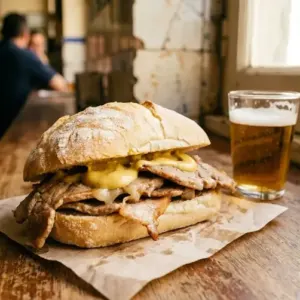
BifanaSnack bar or tasca
Thin slices of pork marinated in garlic and wine, simmered and served in a soft bread roll, usually with mustard. Lisbon’s classic quick lunch, often with a small beer.
PregoCervejaria or snack bar
A thin garlicky steak in a bread roll. In the old cervejarias it is the traditional way to finish a seafood meal.
Pastéis de bacalhauTasca or café counter
Fried oval croquettes of salt cod, potato, egg and parsley, eaten warm or cold at the counter. Called bolinhos de bacalhau in the north.
Amêijoas à Bulhão PatoMarisqueira
Clams opened in olive oil, garlic, coriander and lemon. Mop up the juice with bread.
Queijo and presuntoPetiscos bar
Portuguese cheese and cured ham. Look for soft sheep’s cheese such as Serra da Estrela or Azeitão, eaten with a spoon.
Fish and seafood peixe e marisco
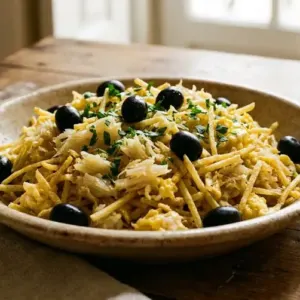
Bacalhau à BrásTasca
Salt cod is the national fish, cooked in hundreds of ways. This version, usually credited to Lisbon, mixes shredded cod with thin fried potatoes and egg, finished with olives and parsley.
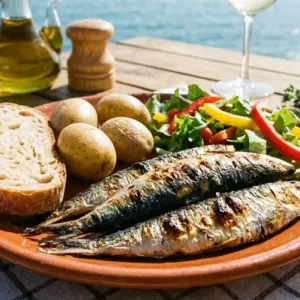
Sardinhas assadasTasca or street grill
Whole sardines grilled over charcoal, served on bread or with boiled potatoes and a pepper salad. Best in summer, and everywhere during the Santo António festivities in June.
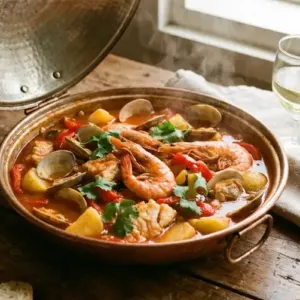
CataplanaSeafood restaurant
A seafood or fish stew cooked and served in a hinged copper pan of the same name, a dish from the Algarve. Usually for two.
Arroz de mariscoMarisqueira
A soupy seafood rice with prawns, clams and crab in a tomato broth, served in the pot and ordered for two or more.
Polvo à lagareiroTasca or restaurant
Octopus roasted with plenty of olive oil and garlic, served with small punched potatoes (batatas a murro).
Meat and comfort food carne e petiscos quentes
BitoqueTasca
A thin steak with a fried egg on top, chips and rice: the everyday lunch plate of the Lisbon tasca.
CaracóisNeighbourhood café, in summer
Small snails cooked in a broth with garlic and oregano, a summer snack with a cold beer. Look for signs saying há caracóis.
Caldo verdeTasca
Potato and finely shredded kale soup with a slice of chouriço, a cheap and filling starter.
Sweets and drinks doces e bebidas
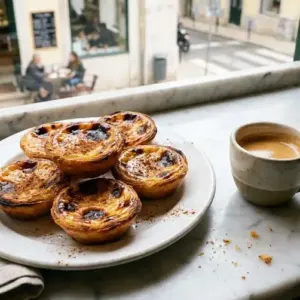
Pastel de nataPastelaria
The custard tart in crisp layered pastry, eaten warm with cinnamon and a coffee. The Belém version is sold as pastel de Belém.
GinjinhaGinjinha bar
A sour cherry liqueur served in a small glass, with or without a cherry (com or sem elas), at tiny counters around Rossio.
BicaCafé or pastelaria
Lisbon’s word for a short espresso, drunk standing at the counter.
Vinho verde and house wineEverywhere
Light, slightly sparkling vinho verde from the north goes with fish; tascas pour a jug of house red or white (vinho da casa).
Seasonal dishes come and go, so check what is on the day.Dish photos are illustrations.
Where to eat it
Best traditional Portuguese restaurants and tascas: where to eat in Lisbon by neighbourhood
- 1Baixa & Chiado
Downtown & Chiado · cervejarias, bifanas, two Michelin stars · Baixa-Chiado metro stop
Where to eat ↓Hotels in Baixa & Chiado → - 2Bairro Alto & Príncipe Real
Hilltop grid · beer hall, seafood, fado vadio · Baixa-Chiado metro
Where to eat ↓Hotels in Bairro Alto & Príncipe Real → - 3Alfama, Graça & Mouraria
Old hill quarters · neo-tascas, seafood rice, fado · tram 28
Where to eat ↓Hotels in Alfama, Graça & Mouraria → - 4Cais do Sodré
Riverside · food hall, marisqueira, late bars · Cais do Sodré metro, train and ferry
Where to eat ↓Hotels in Cais do Sodré → - 5Belém
Monuments by the river · custard tarts, seafood, a Michelin star · tram 15 or train
Where to eat ↓Hotels in Belém → - 6Campo de Ourique
Residential grid · market food court, pork, pastry · tram 28 terminus
Where to eat ↓Hotels in Campo de Ourique → - 7Intendente & Arroios
Avenida Almirante Reis · seafood halls, market, Syrian food · Intendente metro stop
Where to eat ↓Hotels in Intendente & Arroios →
Neighbourhood 1 of 7
Baixa and Chiado: Belcanto, Taberna da Rua das Flores and ginjinha in Rossio
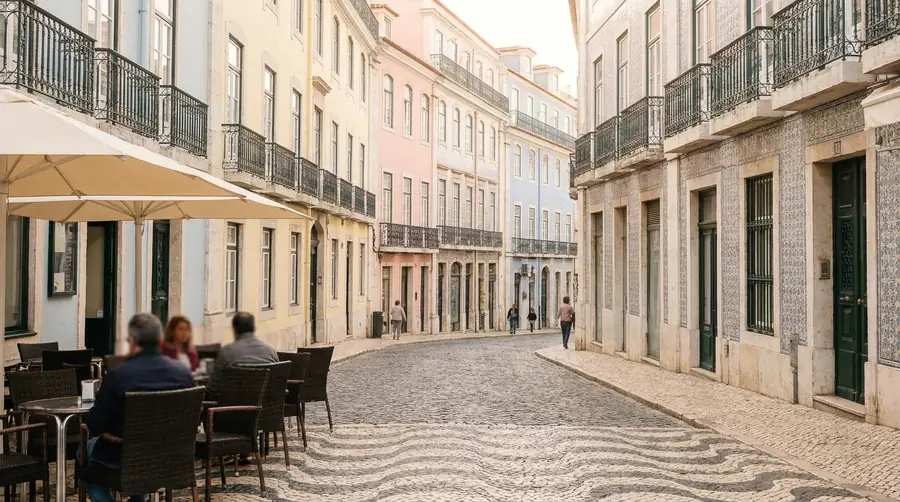
The Baixa is the flat grid of streets rebuilt after the 1755 earthquake between Rossio and the river, and Chiado is the elegant hill just west of it. Together they are the easiest place in Lisbon to eat well, if you avoid the terraces on Rua Augusta. On Largo de São Domingos, next to Rossio, A Ginjinha has poured its sour cherry liqueur at a tiny standing counter since 1840, according to the city’s register of historic shops; order a ginja com elas (with cherries). Up the hill, Rua das Portas de Santo Antão is the old restaurant street: Solar dos Presuntos has served the cooking of Monção in the far north, with seafood and cured ham, for around half a century. On Praça da Figueira, Confeitaria Nacional has been a pastry shop since 1829. In Chiado, the cosy Taberna da Rua das Flores on Rua das Flores has cooked old-fashioned tavern food since 2012, and on Praça Luís de Camões, O Trevo is a plain counter famous for its bifana. For a splurge, Belcanto, on Rua Serpa Pinto by the opera house, is the two Michelin star restaurant of chef José Avillez; it serves a long tasting menu, closes on Sunday and Monday, and books out weeks ahead.
Order hereGinjinhaBifanaPastel de nata
A Ginjinha
Checked 16 Oct 2026
Solar dos Presuntos
Checked 16 Oct 2026
Taberna da Rua das Flores
Checked 16 Oct 2026
O Trevo
Checked 16 Oct 2026
Belcanto
Checked 16 Oct 2026
Neighbourhood 2 of 7
Bairro Alto and Príncipe Real: Cervejaria Trindade, Sea Me and A Cevicheria
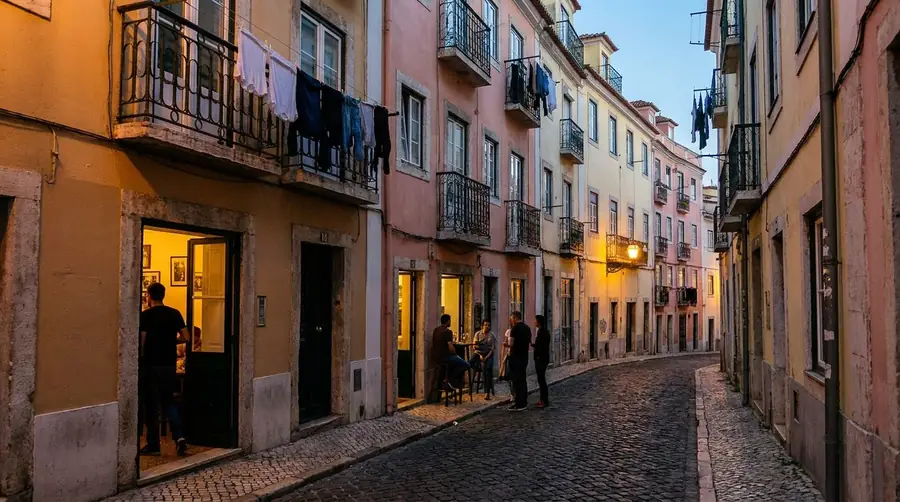
The Bairro Alto is a 16th-century grid of narrow streets on the hill above Chiado. By day it is quiet; at night its bars spill into the street, and dinner here works best early, before the crowds. Cervejaria Trindade, on Rua Nova da Trindade, is a beer hall in the former Trindade convent, with tiled dining rooms and a long menu of steak, seafood and petiscos; it is open every day, and the croquettes and pastéis de bacalhau are a good start. At the bottom of the hill on Rua do Loreto, Sea Me is a modern fish restaurant with a fresh-fish counter and a sushi bar that mixes Portuguese and Japanese ideas, such as grilled sardine nigiri. Essencial, in the heart of the Bairro Alto, is a small modern Portuguese restaurant that Time Out Lisboa put on its 2026 list. Further up, Príncipe Real is the calmer, smarter neighbourhood around a garden square: on Rua Dom Pedro V, A Cevicheria is chef Kiko Martins’ Peruvian ceviche bar, open every day. For music after dinner, Tasca do Chico on Rua do Diário de Notícias is the best-known fado vadio bar, where amateurs sing; it is small, so arrive early.
Order herePastéis de bacalhauPregoSardinhas
Cervejaria Trindade
Checked 16 Oct 2026
Sea Me
Checked 16 Oct 2026
Essencial
Checked 16 Oct 2026
A Cevicheria
Checked 16 Oct 2026
Tasca do Chico
Checked 16 Oct 2026
Neighbourhood 3 of 7
Alfama, Graça and Mouraria: tavern food at O Velho Eurico, Prado and Penalva da Graça
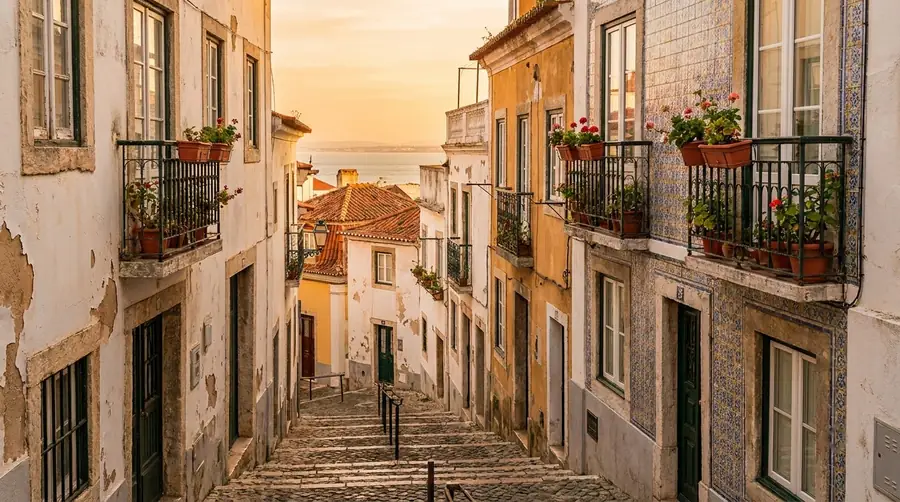
Alfama, Mouraria and Graça are the oldest quarters of Lisbon, piled up on the hill below the castle. Alfama is the home of fado music, and its stepped lanes are full of fado houses with set dinners; the food in most of them is not the point. The better meals are a few streets away. O Velho Eurico, on Largo de São Cristóvão between the castle and Mouraria, is an old tasca taken over by a new team in the late 2010s, cooking the classics, like bacalhau à Brás and lamb croquettes; it is one of Lisbon’s hardest tables to book, so plan well ahead, and expect dishes like these to change with the season. Down by the cathedral on Travessa das Pedras Negras, Prado, opened by chef António Galapito in 2017, cooks seasonal produce from small farms, with a short menu and a tasting menu; it closes on Monday and Tuesday. Up in Graça, Penalva da Graça on Rua da Graça is a cervejaria known for its arroz de marisco and Bulhão Pato clams; it is closed on Monday. Down on the river by the cruise terminal, Marlene is the Michelin-starred restaurant of chef Marlene Vieira. On Tuesdays and Saturdays, the Feira da Ladra flea market fills Campo de Santa Clara.
Order hereBacalhau à BrásArroz de mariscoAmêijoas à Bulhão Pato
O Velho Eurico
Checked 16 Oct 2026
Prado
Checked 16 Oct 2026
Penalva da Graça
Checked 16 Oct 2026
Marlene
Checked 16 Oct 2026
Neighbourhood 4 of 7
Cais do Sodré: Time Out Market, Pap’Açorda and Monte Mar
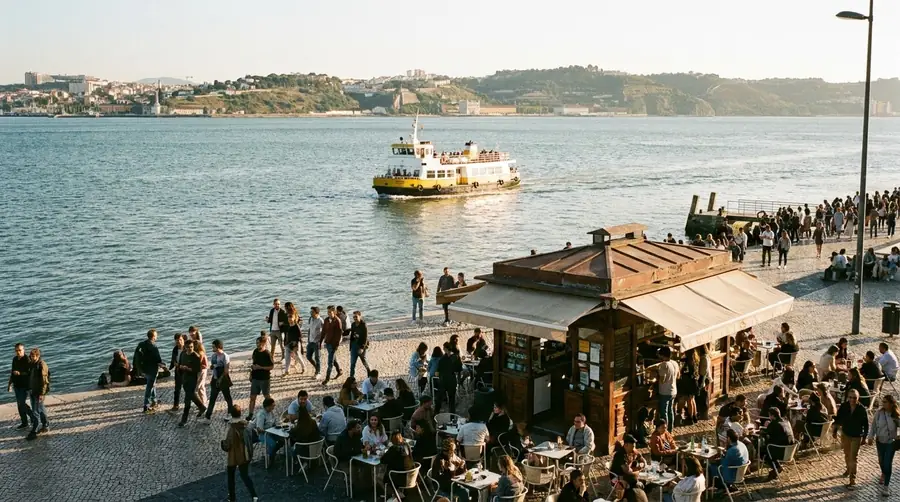
Cais do Sodré was once the port district of sailors’ bars; today it is where Lisbon goes out, and it has the city’s most famous food hall. The Time Out Market Lisboa opened in 2014 inside the Mercado da Ribeira on Avenida 24 de Julho, and puts dozens of stalls from Lisbon chefs and well-known restaurants under one roof, open every day from 10 am until midnight, and until 2 am from Thursday to Saturday. It is a great option for a group that cannot agree, or for a quick lunch; the old fresh market still runs in the other half of the building in the morning. Upstairs, Pap’Açorda, an institution that moved here from the Bairro Alto, serves its famous açorda de gambas, a bread and prawn dish. On Rua da Moeda, Corrupio is a small counter tasca with a new chef in 2026, known for chicken soup and pastéis de bacalhau. West along the river at Cais do Gás, Monte Mar Lisboa, the city branch of a long-established Cascais seafood house, is a great spot for fish with a view of the water. Pink Street, Rua Nova do Carvalho, is the bar street for after dinner.
Order herePastéis de bacalhauCataplanaPastel de nata
Time Out Market Lisboa
Checked 16 Oct 2026
Pap’Açorda
Checked 16 Oct 2026
Corrupio
Checked 16 Oct 2026
Monte Mar Lisboa
Checked 16 Oct 2026
Neighbourhood 5 of 7
Belém: Pastéis de Belém, Feitoria, Canalha and Nunes Real Marisqueira
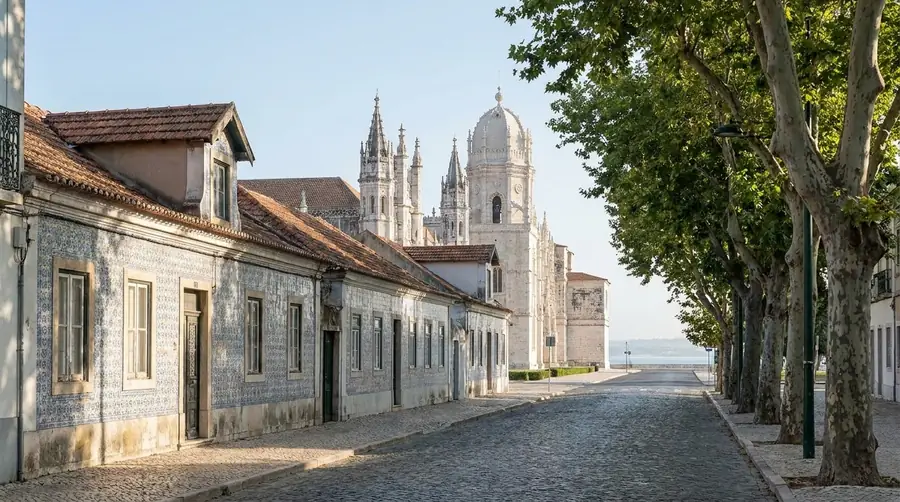
Belém is where most visitors to Lisbon spend half a day, for the Jerónimos Monastery, the tower and the riverside museums, and it has more good food than the coach crowds suggest. The essential stop is Pastéis de Belém on Rua de Belém, which has made its custard tarts, the original pastéis de Belém, since 1837 to a recipe it says came from the monastery next door. It is open every day; a second counter opened in 2025 and renovation works on the historic rooms are being done in phases, so the queue may move around. For lunch, Nunes Real Marisqueira on Rua Bartolomeu Dias is a large seafood house known for Bulhão Pato clams and stuffed crab. On Rua da Junqueira, at the Alcântara end, Canalha is a lively bistro by chef João Rodrigues that has held a Bib Gourmand since the 2025 Michelin Guide; Time Out singled out its broad beans with pork ribs. For a special dinner, Feitoria, in the Altis Belém hotel on the river, holds one Michelin star and serves tasting menus only.
Order herePastel de nataAmêijoas à Bulhão Pato
Pastéis de Belém
Checked 16 Oct 2026
Nunes Real Marisqueira
Checked 16 Oct 2026
Canalha
Checked 16 Oct 2026
Feitoria
Checked 16 Oct 2026
Neighbourhood 6 of 7
Campo de Ourique: the market, Aloma, Pigmeu and Tasca da Esquina
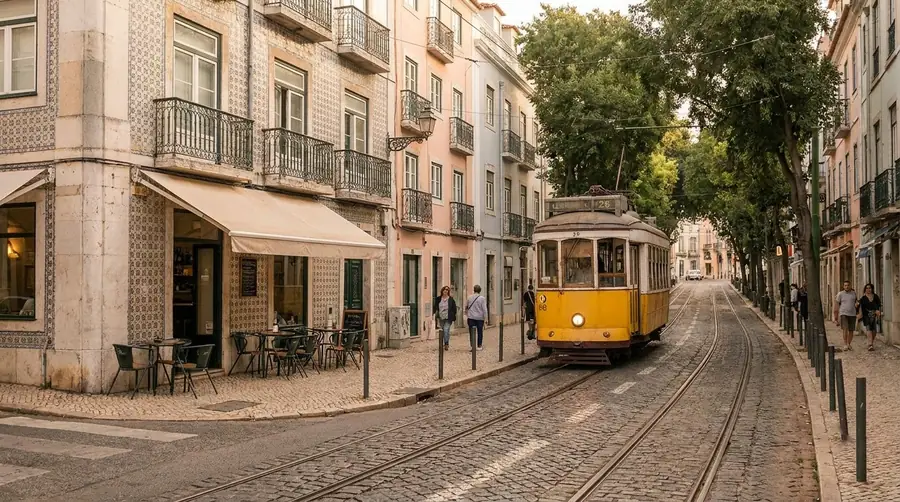
Campo de Ourique is a residential grid at the western end of tram 28, and it is where many lisboetas say the best neighbourhood food is. It has few sights and almost no tourist menus. The Mercado de Campo de Ourique on Rua Coelho da Rocha, built in 1934, still sells fish, fruit and meat in the morning and runs a food court of small counters until late, a relaxed alternative to the Time Out Market. On Rua Francisco Metrass, Aloma, a pastry shop founded in 1943, has won the city’s best pastel de nata contest several times, most recently in 2025. Pigmeu, on Rua 4 de Infantaria, cooks nose-to-tail pork; its bifana porcalhona is the house icon, and it has held a Bib Gourmand since the 2025 Michelin Guide. Tasca da Esquina, chef Vítor Sobral’s modern tasca on Rua Domingos Sequeira, serves Portuguese dishes as small plates to share, like flakes of salt cod with potato and egg. Just east, on the edge of Estrela, Loco is a Michelin-starred tasting-menu restaurant opposite the Estrela Basilica.
Order herePastel de nataBifanaBacalhau
Mercado de Campo de Ourique
Checked 16 Oct 2026
Aloma
Checked 16 Oct 2026
Pigmeu
Checked 16 Oct 2026
Tasca da Esquina
Checked 16 Oct 2026
Neighbourhood 7 of 7
Intendente and Arroios: Cervejaria Ramiro, Mercado de Arroios and Mezze
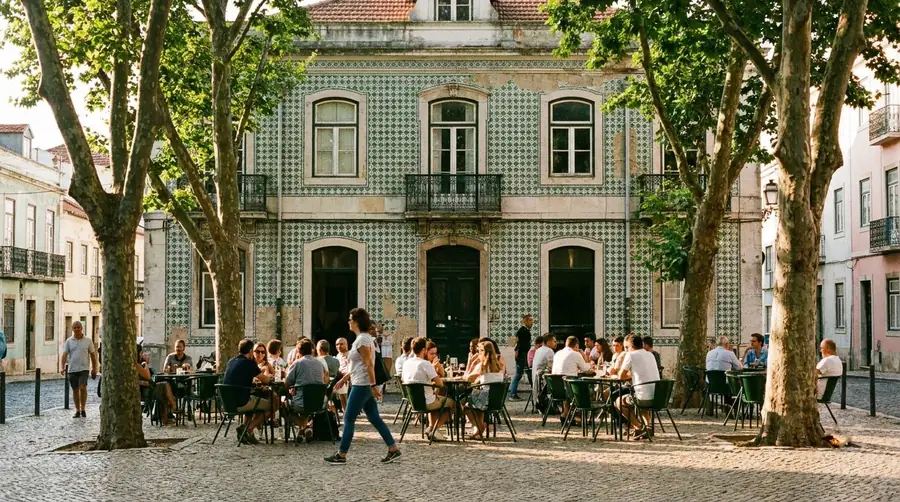
Avenida Almirante Reis runs north from Martim Moniz through Intendente and Arroios, the most mixed and multicultural part of central Lisbon. It is also home to the city’s most famous seafood hall. Cervejaria Ramiro, at the bottom of the avenue, has served shellfish and cold beer since the 1950s, with a steak sandwich to finish: order prawns, carabineiros or goose barnacles by weight, then a prego. It is closed on Monday, and at busy times you take a ticket and queue. A short walk up the avenue, Marisqueira do Lis, opened in 1973 and still run by the same family, is the less famous alternative for seafood and beer. Further north, the Mercado de Arroios on Rua Ângela Pinto is a neighbourhood market with produce stalls and small food counters. Inside, Mezze cooks Syrian food with a team of refugees, run by the Pão a Pão association since 2017. At Martim Moniz, Mi Dai is a Sichuan kitchen that made Time Out Lisboa’s 2026 list, a reminder that Lisbon food is not only traditional Portuguese.
Order herePregoAmêijoasArroz de marisco
Cervejaria Ramiro
Checked 16 Oct 2026
Marisqueira do Lis
Checked 16 Oct 2026
Mercado de Arroios
Checked 16 Oct 2026
Mezze
Checked 16 Oct 2026
Our Lisbon food guide: how we chose the best restaurants in Lisbon
Lisbon has thousands of places to eat, and its restaurant scene changes fast: rents in the old centre have climbed, family-run tascas close when the owners retire, and new openings appear every month. Many lists of Lisbon’s best restaurants online, from blog posts to big travel sites, still send readers to places that shut years ago. This Lisbon food guide sets three rules to avoid that. First, every place sits inside one of seven food neighbourhoods, because the best way to eat in Lisbon is to pick a bairro and walk it, not to cross the hills for one booking. Second, every name came from a source with a reputation to lose: the restaurant’s own website, the Michelin Guide, recent Portuguese press such as Time Out Lisboa, Observador, Expresso, Público and NiT, or the city’s own market listings. Third, every place was checked as open on 16 October 2026, and the date is printed next to it.
We do not rank the places and you will not find scores or prices here. Menus and prices change faster than a guide can follow, so look at each website before you go, and treat this as a short list of authentic local places to discover rather than a league table.
Eating out in Lisbon: travel tips that save an evening
Lisbon’s restaurants come in two kinds. Most of the traditional tascas in Lisbon are small, family-run and informal, and the newer restaurants with a chef’s name on the door are the opposite. A few habits make both easier.
- Know which kind of place it is. Old tascas, cervejarias and snack bars often take no bookings: arrive at opening, just after midday or around 7.30 pm, and you rarely wait long. Modern Portuguese restaurants and anything with a Michelin star book out days or weeks ahead.
- The couvert is not free. Bread, butter, olives, cheese or fish pâté placed on the table before you order is the couvert, and it is charged if you touch it. Send it back with a smile if you do not want it.
- Lunch is the bargain. On weekdays many tascas chalk up a short prato do dia (dish of the day) or a set lunch menu, and a plain café works like a diner, with soup, a main dish and dessert at the counter. It is the cheapest way to eat well in the city, and prices are reasonable even in central streets. Ask for the wine list even in a small tasca: Portuguese wine by the bottle is often cheaper than you expect.
- Sunday and Monday are thin. Many family-run places close on Sunday, Monday or both, and some close for holidays in August or around Christmas. Check the days next to each name below.
- Order fish by weight carefully. In marisqueiras, seafood such as prawns, crab and lobster is priced by the kilo. Ask how much a portion weighs before you order.
Service is not always added to the bill. A small tip for good service, rounding up or leaving a few coins, is appreciated but not expected. Tap water is safe to drink; ask for água da torneira.
When Lisbon eats
Lisbon eats a little earlier than Madrid or Barcelona but later than London. Lunch runs from about 12.30 pm to 3 pm, and dinner rarely starts before 8 pm; arrive at 6.30 pm and many kitchens will still be closed. Coffee and a pastry fill the gaps: Lisbon stops for a bica and a pastel de nata at the counter several times a day.
A typical day
- Pequeno-almoçoAbout 7–10 amA bica and a pastry at the counter.
- AlmoçoAbout 12.30–3 pmLunch; the time for the prato do dia.
- Lanche and petiscosAbout 5–7 pmCoffee and cake, or a beer and small plates.
- JantarFrom about 8 pmDinner. Fado houses and late bars come after.
Typical times, not opening hours. Check each place.
Fine dining in Lisbon: Michelin stars and modern Portuguese chefs
This guide is mostly about tascas and neighbourhood restaurants, but Lisbon has become one of the most exciting fine dining cities in Europe, with a generation of top chefs cooking modern Portuguese food from local ingredients and Portuguese wine from the Douro, the Alentejo and beyond. The 2026 Michelin Guide Portugal, announced in March 2026, has no three-star restaurant in the country, but Lisbon holds three of the restaurants with two Michelin stars.
Belcanto (José Avillez), Henrique Sá Pessoa and Fifty Seconds
Belcanto, in Chiado, is the flagship of chef José Avillez, one of the best-known chefs in Portugal, with a long tasting menu of eleven courses. Chef Henrique Sá Pessoa closed his restaurant Alma in Chiado at the end of 2025 and reopened in February 2026 under his own name, Henrique Sá Pessoa, at Páteo Bagatela in Amoreiras, keeping two stars. Fifty Seconds, chef Rui Silvestre’s restaurant at the top of the Vasco da Gama Tower in Parque das Nações, was promoted to two stars in 2026. All three are built around tasting menus and book out weeks ahead.
Michelin-starred tables in the neighbourhoods
One-star restaurants in this guide include Feitoria in Belém, Marlene by the river below Alfama, and Loco next to the Estrela Basilica. In Chiado, Encanto is José Avillez’s vegetarian tasting-menu restaurant, with one Michelin star and a Green Star for sustainability, a great option if you do not eat meat or fish. Two neighbourhood places, Canalha in Belém and Pigmeu in Campo de Ourique, hold a Bib Gourmand, Michelin’s award for good food at moderate prices.
Is a restaurant on Rua Augusta worth it?
Rarely. The terraces on Rua Augusta and the squares of the Baixa have menus in six languages, staff calling you in from the door and a couvert on the table before you sit down. Walk five minutes uphill to Chiado, or across to Rua das Portas de Santo Antão, and the same money buys a much better meal.
Food tours for the foodie, fado dinners and day trips
If you have only a day or two, a food tour is a quick way into the city’s food culture. Companies such as Eating Europe and Culinary Backstreets run small-group walking tours through the Baixa, Mouraria and other old quarters, stopping at tascas, ginjinha counters and pastelarias that you would struggle to find alone. Book ahead in summer and tell the company about allergies or a vegetarian diet when you book.
Fado music and dinner often come together in Alfama and the Bairro Alto, where small fado houses serve a set dinner before the singing starts. The food in a fado house is rarely the reason to go; book for the music, eat something simple, and save the serious meal for another night. If you want great food and fado on the same evening, eat early in a tasca and arrive at a fado bar later for a drink.
Lisbon is also a good base for food day trips. Sintra has its travesseiros and queijadas, Setúbal is known for fried cuttlefish, and further north Porto and the Douro valley are the home of port wine and some of the country’s best food. Porto, one of Lisbon’s rivals for the title of Portugal’s food capital, is one of the great food cities in Europe in its own right and works well as the second stop on a Portugal trip.
Vegetarian food, brunch spots in Lisbon and coffee shops
Portuguese cuisine is built on fish, pork and salt cod, but vegetarians eat well in Lisbon if they know where to look. In a tasca, ask for sem carne nem peixe (without meat or fish), order a few petiscos, Portugal’s answer to the Spanish tapa, and look for peixinhos da horta (green beans fried in batter, often called the ancestor of Japanese tempura), vegetable soups such as caldo verde without the chouriço, cheese plates and migas. Newer restaurants in Príncipe Real, Santos and Arroios mark vegetarian and vegan dishes on the menu, and several Lisbon chefs now cook with local ingredients, natural wines and biodynamic producers.
Brunch has become a Lisbon habit too, especially at weekends. Cafés in Príncipe Real, Santos, Cais do Sodré and Campo de Ourique serve avocado toast, pancakes and good coffee, and many of the city’s best coffee shops roast their own beans. For the traditional version, stand at the counter of any pastelaria with a bica and a pastel de nata or a torrada, thick buttered toast.
What is in season on Lisbon menus
Lisbon menus follow the calendar. Summer is sardine season, and in June the whole city grills them in the street for the Santo António festivities, when Alfama, Graça and the Bairro Alto fill with charcoal grills and paper decorations. Summer also brings caracóis, small snails cooked in broth, and grilled carapau (Atlantic horse mackerel). In autumn, street sellers roast chestnuts on corners all over the Baixa, and around São Martinho in November people drink the new wine with them. Winter is the time for stews, cozido à portuguesa and bean dishes; salt cod is on every menu all year, and is the centre of Christmas Eve dinner.
Ordering in Portuguese
Staff in central Lisbon usually speak English, and many menus are translated, but a few words of Portuguese go a long way in a family-run tasca.
- A conta, por favor
- The bill, please.
- Prato do dia
- Dish of the day, usually at lunch.
- Couvert
- The bread, olives and starters put on the table. Charged if you eat them.
- Uma imperial
- A small draught beer in Lisbon (um fino in Porto).
- Uma bica
- A short espresso.
- Vinho da casa
- House wine, often served by the jug.
- Meia dose
- A half portion. Portuguese portions are large.
- Para levar
- To take away.
More Lisbon and Portugal planning
Pick your neighbourhood with our guide to where to stay in Lisbon, compare hotels in our list of the best hotels in Lisbon, and decide how long you need with how many days in Lisbon. For the sights between meals, read things to do in Lisbon, and use our Lisbon itinerary to plan the days. Then add the rest of the country with our Portugal itinerary, where to stay in Porto and how many days in Porto, our guide to the best restaurants in Porto, and our guide to where to stay in the Algarve for the beaches. For what to order across the country, read our guide to Portuguese dishes.
Live prices
Hotels near the food, with live prices
Prices appear on the pins once dates are set. We pre-fill a week about a month ahead; change the dates on the map to see yours.
Best restaurants in Lisbon: FAQ
Which neighbourhood in Lisbon is best for food?
The Baixa and Chiado are the easiest base: old cervejarias, a bifana counter, ginjinha bars and Belcanto, all on flat streets. Alfama and Graça have the best traditional tascas, Cais do Sodré has the Time Out Market, Belém has the custard tarts, and Campo de Ourique is where locals eat.
Do I need to book restaurants in Lisbon?
For tasting menus and popular tascas, yes: Belcanto and the other Michelin-starred restaurants book out weeks ahead, and O Velho Eurico has a long waiting list. Cervejaria Ramiro, the Time Out Market, ginjinha bars and pastelarias work on a walk-in basis, so go early or expect a short wait.
What time do people eat dinner in Lisbon?
Lunch runs from about 12.30 pm to 3 pm and dinner usually starts from 8 pm. Lisbon eats a little earlier than Madrid or Barcelona, but many kitchens are still closed at 6.30 pm.
What is the couvert in Lisbon restaurants?
The bread, butter, olives, cheese or pâté put on the table before you order. It is not free: you pay for whatever you eat. If you do not want it, ask the waiter to take it away.
Where can you get the best pastéis de nata in Lisbon?
Pastéis de Belém has made its custard tarts since 1837 and is open every day. In the centre, Manteigaria in Chiado bakes them all day, and in Campo de Ourique, Aloma has won the city's best pastel de nata contest several times, most recently in 2025.
What are the best seafood restaurants in Lisbon?
Cervejaria Ramiro on Avenida Almirante Reis is the most famous, with Marisqueira do Lis a short walk up the same avenue. Penalva da Graça is known for arroz de marisco, Nunes Real Marisqueira in Belém for Bulhão Pato clams, and Monte Mar Lisboa has fish by the river at Cais do Sodré.
What food is Lisbon famous for?
Salt cod (bacalhau) in dishes like bacalhau à Brás, grilled sardines in summer, the bifana and prego sandwiches, seafood rice, clams Bulhão Pato, the pastel de nata and ginjinha, the sour cherry liqueur sold around Rossio.
Do you tip in Lisbon restaurants?
Tipping is not expected. Rounding up or leaving a few coins for good service is common in restaurants; at a café counter, nobody expects a tip.
Keep planning Portugal
- Best Hotels in Lisbon: Ask About the Stairs First
- Where to Stay in the Algarve: Three Coasts, Not One
- Where to Stay in Porto: The Question Is Vertical, Not Horizontal
- Where to Stay in Lisbon: Best Areas, and the Hill Problem
- How Many Days in Porto? Add One for the Douro
- How Many Days in Lisbon? Four, and the Hills Are Why
- Portugal Itinerary: A Narrow Country, Not a Small One
Written and checked by
Triplarks Editorial
An editorial desk, not an invented persona: research, drafting and fact-checking are done by the same small team. Every number here carries the date it was read.