Food
Spanish Dishes by Region: Traditional Spanish Food and Where to Eat It
By Nora Castell Checked
Hotel links open Stay22 (Booking.com and Agoda) and tour links open GetYourGuide. We may earn a commission at no extra cost to you.
Where to stay to eat well in Spain
Pick the city by the food. Valencia for paella, San Sebastián for pintxos, Seville and Granada for tapas, Madrid for cocido and churros.
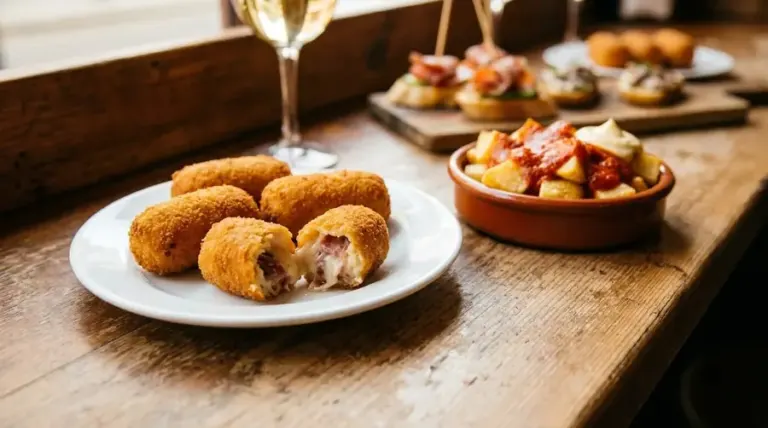
Illustration Check hotels in Madridor compare on AgodaFirst trip
Madrid
Tapas bars, food from every region and churros at midnight in one walkable centre.
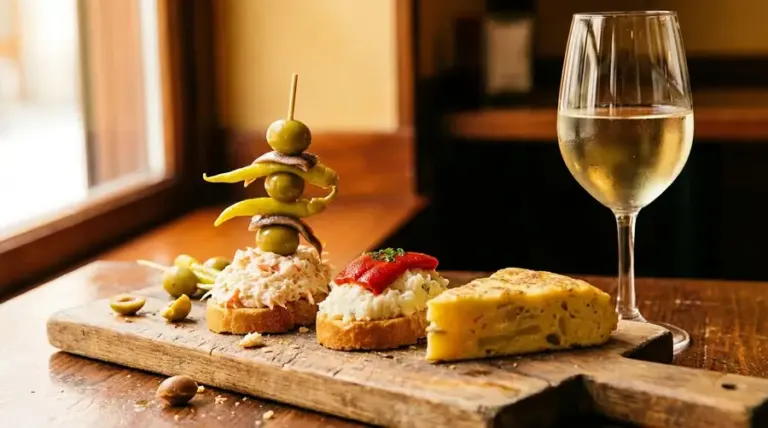
Illustration Check hotels in San Sebastiánor compare on AgodaBest for food lovers
San Sebastián
Counter after counter of pintxos in the old town, and Basque cooking at its best.
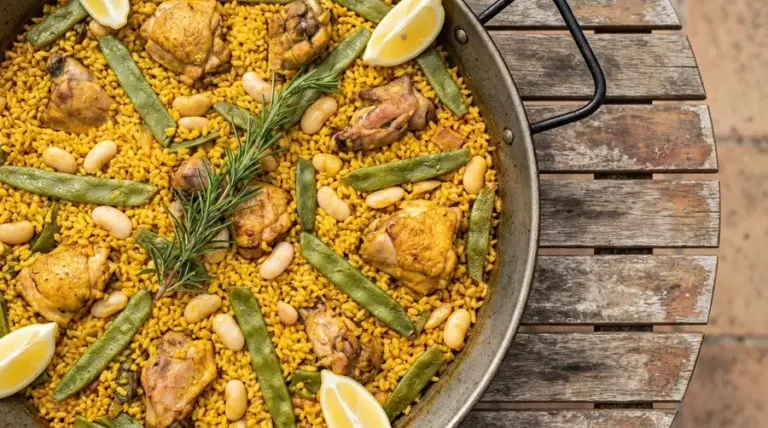
Illustration Check hotels in Valenciaor compare on AgodaBest for paella
Valencia
The home of paella valenciana, a dozen other rice dishes and the Mercado Central.
On this page
- Traditional Spanish food by region: the menu
- Where to eat traditional Spanish dishes, region by region
- Madrid: cocido madrileño, bocadillo de calamares, croquetas and churros
- Barcelona and Catalonia: pan con tomate, crema catalana, calçots and seafood rice
- Seville and Andalusia: gazpacho, salmorejo, pescaíto frito and sherry
- Granada: free tapas, habas con jamón and Moorish sweets
- Valencia: paella valenciana, arroz a banda, all i pebre and horchata
- San Sebastián and the Basque Country: pintxos, bacalao al pil-pil and Basque cheesecake
- Galicia: pulpo a la gallega, Padrón peppers, empanada and tarta de Santiago
- Mallorca and the Balearic Islands: ensaïmada, sobrasada and tumbet
- The most famous and popular Spanish dishes: paella, tortilla, patatas bravas and the top 10
- The Spanish tortilla: tortilla de patatas
- How Spanish tapas work: tapas, raciones, pintxos and the menú del día
- Spanish cured meats: jamón ibérico, jamón serrano and chorizo
- Spanish rice dishes: paella and the rest
- Spanish soups and stews
- Spanish seafood: mussels, octopus, squid and prawns
- Spanish cheese
- Spanish desserts and sweets
- What to drink with Spanish food: wine, sherry, cava and sangria
- Olive oils and Spanish cuisine: is Spanish food healthy?
- Other regions: Asturias, Castile, La Mancha and the Canary Islands
- When to eat what: Spanish food by season
- Ordering words
- When Spaniards eat
- Hotels near the food in Madrid, with live prices
- Famous Spanish food: FAQ
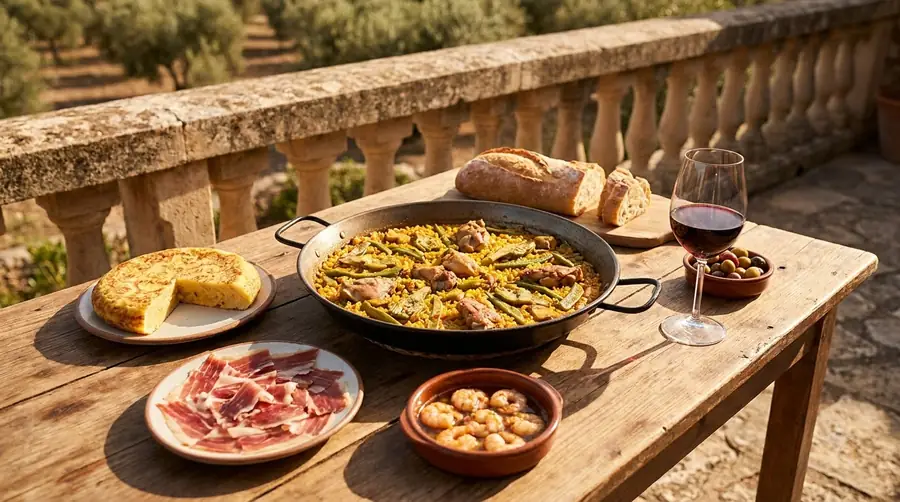
Spanish food is a map of Spain. Outside Spain, Spanish cuisine is often reduced to paella, tapas and sangria, but traditional Spanish food changes from one region to the next, and Spaniards eat the dishes of their own Spanish region with real pride. Valencia makes paella with rabbit and chicken, not seafood; the Basque Country eats pintxos and salt cod; Galicia eats octopus and shellfish; Andalusia eats cold soups, fried fish and ham; Madrid eats chickpea stew and fried squid sandwiches; and Catalonia rubs tomato on its bread. Spanish gastronomy differs in every region of Spain, but the Spanish culinary tradition is built on olive oil, garlic, paprika, saffron, rice, beans, pork, seafood and very good bread, and it is meant to be shared: small plates for the table, a pan of rice in the middle, a long lunch with wine. This guide is for travellers, not cooks. It is not a cookbook of Spanish recipes, Spanish food recipes, traditional recipes or easy Spanish dishes at home; if you want to make Spanish food yourself, eat it in Spain first. It is a guide to the most famous Spanish dishes and where to eat them. First comes the menu, with every popular Spanish dish and the place it belongs to. Then we go region by region, from Madrid to Barcelona and Catalonia, Seville and Andalusia, Granada, Valencia, San Sebastián and the Basque Country, Galicia and Mallorca, with what to order there and where to stay so dinner is a short walk home. If you are still planning the route, our Spain itinerary connects most of these cities by train.
Some links below are affiliate links. We may earn a commission if you book through them, at no extra cost to you. Where we name hotels, we shortlist them by location and recent guest reviews, and we have not stayed in them. Any prices on the map come live from the booking sites.
Short answer
- Eat each dish where it belongs: paella in Valencia, pintxos in San Sebastián, octopus in Galicia, gazpacho in Seville, cocido in Madrid.
- Lunch, from about 2 pm, is the main meal; dinner rarely starts before 9 pm.
- Several names, such as Queso Manchego, Jabugo ham and Jijona turrón, are protected by EU law.
Triplarks · Spain
Traditional Spanish food by region: the menu
Each famous Spanish dish and the city or region where it is best.
Spanish tapas and small plates the bar counter
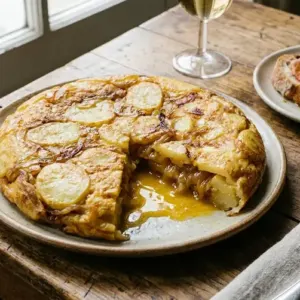
Tortilla de patatasEverywhere
The Spanish omelette: eggs, potatoes and usually onion, cooked thick and served in wedges or on bread.
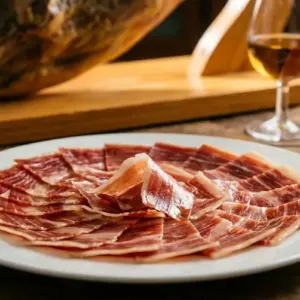
Jamón ibéricoAndalusia, Extremadura, Salamanca
Cured ham from Iberian pigs, carved by hand into thin slices; jamón serrano is the everyday white-pig ham.
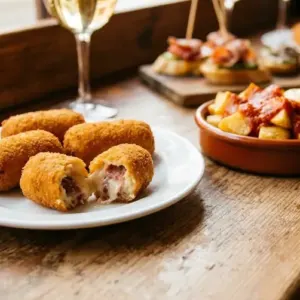
CroquetasEverywhere, Madrid
Fried croquettes of creamy béchamel with ham, salt cod, chicken or mushroom.
Patatas bravasMadrid, everywhere
Fried potato chunks with a spicy tomato and paprika sauce, often with garlic mayonnaise (alioli) too.
Gambas al ajilloMadrid, Andalusia
Prawns sizzled in olive oil with garlic and dried chilli, served in the clay dish with crusty bread for the oil.
Pimientos de PadrónGalicia
Small green peppers fried in olive oil and sprinkled with coarse salt; most are mild, an odd one is hot.
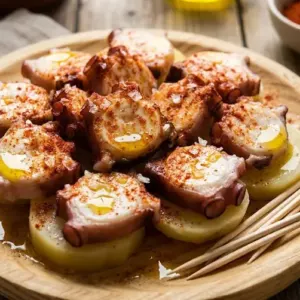
Pulpo a la gallegaGalicia
Boiled octopus sliced on a wooden plate with olive oil, coarse salt and paprika, often over potatoes.
Pan con tomateCatalonia, Mallorca
Pa amb tomàquet: toasted bread rubbed with ripe tomato, olive oil and salt, often topped with ham.
AlbóndigasEverywhere
Meatballs in a tomato or almond and saffron sauce, a classic tapa and home-cooked dish.
Boquerones en vinagreAndalusia, Madrid
Fresh white anchovies marinated in vinegar, garlic, olive oil and parsley.
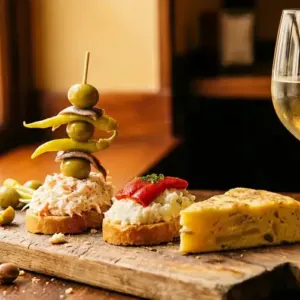
Pintxos and the GildaSan Sebastián, Basque Country
Small bites on bread, held with a toothpick; the Gilda is olive, anchovy and pickled guindilla pepper on a stick.
ChorizoEverywhere
Cured pork sausage coloured and flavoured with paprika; served sliced, or cooked in cider or red wine.
Spanish rice, stews and main dishes lunch, the big meal
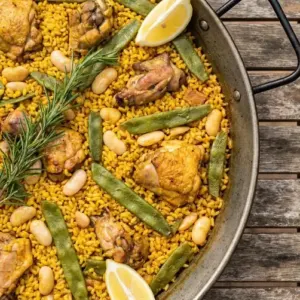
Paella valencianaValencia
Rice cooked in a wide flat pan with chicken, rabbit, green beans and butter beans, coloured with saffron.
Arroz negroValencia, Catalonia
Black rice cooked with squid or cuttlefish and their ink, served with alioli.
Arroz a bandaValencia, Alicante
Rice cooked in a rich fish stock, served on its own, with alioli.
FideuàValencia, Catalonia
Like paella, but made with short thin noodles instead of rice, with seafood.
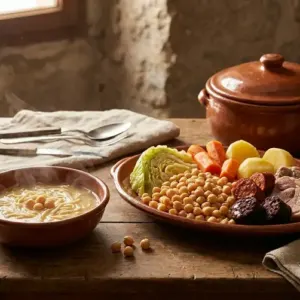
Cocido madrileñoMadrid
A chickpea stew with meat, sausage and vegetables, served in courses: soup first, then the rest.
Callos a la madrileñaMadrid
Beef tripe stewed slowly with chorizo, black pudding and paprika.
Fabada asturianaAsturias
Large white beans stewed with chorizo, black pudding and pork belly.
Rabo de toroCórdoba, Andalusia
Oxtail braised for hours in red wine until it falls off the bone.
Bacalao al pil-pilBasque Country
Salt cod cooked gently in olive oil and garlic until the oil turns into a thick sauce.
Pollo al ajilloAndalusia, everywhere
Spanish chicken with garlic: pieces fried slowly in olive oil with whole garlic cloves, white wine and bay.
Cochinillo asadoSegovia, Castile
Roast suckling pig with crisp skin, cooked in a wood-fired oven.
Pescaíto fritoMálaga, Cádiz, Seville
Small fish and squid dusted in flour and deep-fried in olive oil.
Lacón con grelosGalicia
Boiled cured pork shoulder with turnip greens, potatoes and chorizo.
Cold soups, vegetables, cheese and bread the Spanish side dishes
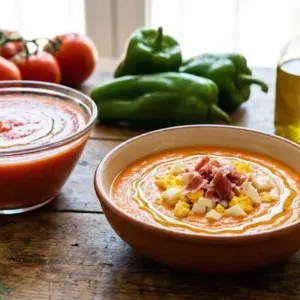
GazpachoAndalusia
Cold blended soup of raw tomato, pepper, cucumber, garlic, olive oil and vinegar, a summer drink in a glass.
SalmorejoCórdoba, Andalusia
A thicker cold tomato and bread cream, topped with chopped egg and ham.
AjoblancoMálaga, Granada
A white cold soup of almonds, bread, garlic and olive oil, served with grapes.
Espinacas con garbanzosSeville
Spinach and chickpeas with cumin, paprika and garlic fried bread.
Pisto manchegoLa Mancha
Slow-cooked tomato, pepper, courgette and onion, often with a fried egg on top.
EscalivadaCatalonia
Aubergine, red pepper and onion roasted over embers, peeled and dressed with olive oil.
Calçots with romescoValls, Catalonia
Sweet spring onions charred on a fire and dipped in romesco sauce of peppers, nuts and garlic, eaten in winter.
Empanada gallegaGalicia
A large flat pie cut into squares, filled with tuna, cockles or pork with peppers and onion.
Queso ManchegoLa Mancha
A firm sheep’s milk cheese, the best known Spanish cheese, eaten in wedges with quince paste.
IdiazabalBasque Country, Navarre
A pressed sheep’s milk cheese, often lightly smoked.
Queso tetillaGalicia
A soft, mild cow’s milk cheese shaped like a cone.
SobrasadaMallorca
A soft, spreadable cured pork sausage with paprika, eaten on bread or with honey.
Spanish desserts, sweets and drinks churros, cakes and a glass of sherry
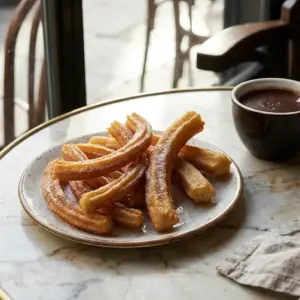
Churros con chocolateMadrid, everywhere
Fried dough sticks dipped in thick hot chocolate, at breakfast or at the end of a long night.
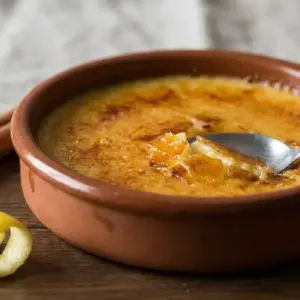
Crema catalanaCatalonia
A cold custard flavoured with lemon and cinnamon under a burnt sugar crust.
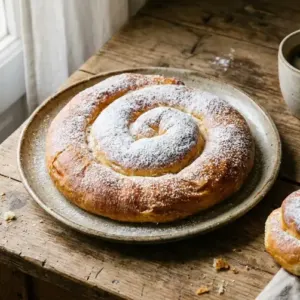
EnsaïmadaMallorca
A light spiral pastry made with pork lard, dusted with icing sugar.
Tarta de SantiagoSantiago de Compostela, Galicia
An almond cake with the cross of St James stencilled in icing sugar on top.
Basque cheesecakeSan Sebastián
A crustless, creamy cheesecake baked hot until the top is almost black.
FlanEverywhere
Caramel custard, the most common Spanish dessert on a set lunch menu.
TurrónJijona, Alicante
Christmas nougat of almonds and honey: hard Alicante style or soft Jijona style.
TorrijasEverywhere at Easter
Bread soaked in milk or wine, fried and coated in sugar and cinnamon, the Easter sweet.
HorchataValencia
A cold milky drink made from tiger nuts, dunked with a long soft bun called a fartón.
SherryJerez, Andalusia
Fortified wine from the Jerez area: dry fino and manzanilla with tapas, sweet Pedro Ximénez with dessert.
Rioja, cava and AlbariñoLa Rioja, Catalonia, Galicia
Red Rioja, sparkling cava from Catalonia and white Albariño from the Galician coast.
Vermouth and sangriaMadrid, Barcelona
Sweet red vermouth on tap before lunch; sangria and tinto de verano, red wine with lemon soda, in summer.
Seasonal dishes come and go, so check what is on the day.Dish photos are illustrations.
Where to eat it
Where to eat traditional Spanish dishes, region by region
- 1Madrid
Tapas bars · cocido · churros
Where to eat ↓Hotels in Madrid → - 2Barcelona
Markets · seafood · Catalan cooking
Where to eat ↓Hotels in Barcelona → - 3Seville
Tapas · cold soups · fried fish
Where to eat ↓Hotels in Seville → - 4Granada
Free tapas · Moorish flavours · ham
Where to eat ↓Hotels in Granada → - 5Valencia
Paella · rice dishes · horchata
Where to eat ↓Hotels in Valencia → - 6San Sebastián
Pintxos bars · grilled fish · cider
Where to eat ↓Hotels in San Sebastián → - 7Santiago de Compostela
Octopus · shellfish · Albariño
Where to eat ↓Hotels in Santiago de Compostela → - 8Palma de Mallorca
Island cooking · pastries · cured sausage
Where to eat ↓Hotels in Palma de Mallorca →
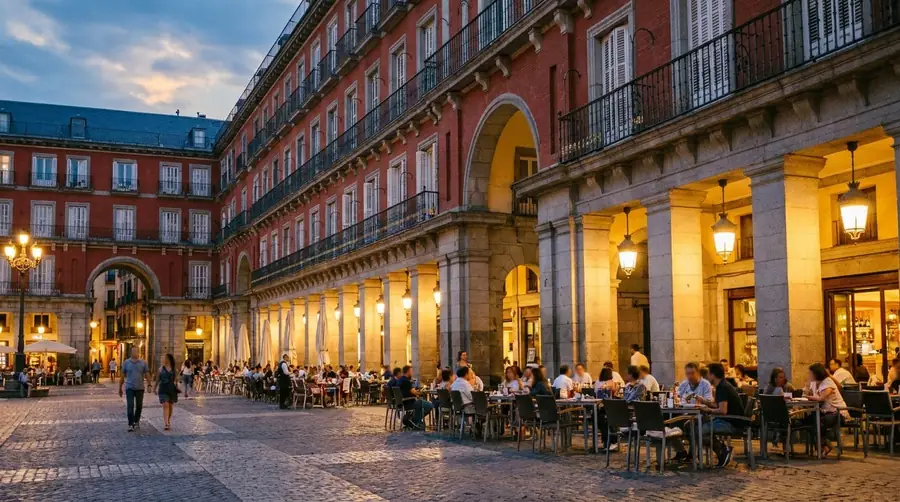
Region 1 of 8
Madrid: cocido madrileño, bocadillo de calamares, croquetas and churros
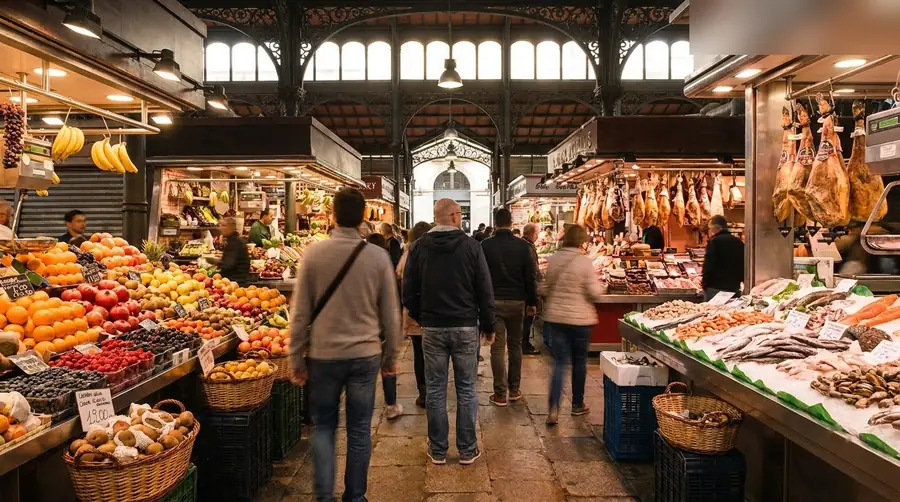
Madrid is not on the coast, yet it eats some of the best seafood in Spain, and it is the best city for a first taste of Spanish food from every region. Its own dishes are the hearty cooking of the Castilian plateau. Cocido madrileño is a chickpea stew cooked slowly with beef, chicken, pork belly, chorizo, black pudding, cabbage, carrots and potatoes, and served in courses: first a noodle soup made with the broth, then the chickpeas and vegetables, then the meat. It is a winter lunch, not a dinner. Callos a la madrileña, tripe stewed with chorizo and paprika, is another old favourite. Around the Plaza Mayor, bars sell the bocadillo de calamares, a crusty roll filled with fried squid rings, Madrid’s most famous street food. Tapas bars in La Latina and Huertas serve croquetas, patatas bravas, gambas al ajillo and huevos rotos, fried eggs broken over chips and ham. The night ends, or the morning starts, with churros con chocolate; the thicker, longer version is called porras. Madrid is also home to Sobrino de Botín, founded in 1725 and listed by Guinness World Records as the oldest restaurant in the world, where roast suckling pig and lamb come out of a wood-fired oven. Covered markets such as San Miguel and San Fernando are good for grazing. Work out how many days in Madrid you need, then fit the meals in.
Order hereCocido madrileñoCallosCroquetasPatatas bravasChurros con chocolateVermouth
Region 2 of 8
Barcelona and Catalonia: pan con tomate, crema catalana, calçots and seafood rice
Catalan cuisine is its own kitchen, with its own language on the menu, and Barcelona is where to taste it. The simplest dish is the most famous: pa amb tomàquet, or pan con tomate, toasted bread rubbed with ripe tomato, olive oil and salt, eaten with almost everything. Catalan cooks mix mar i muntanya, sea and mountain, in dishes such as chicken with prawns. Look for escalivada, smoky roasted aubergine, pepper and onion; esqueixada, a salad of raw salt cod with tomato and olives; botifarra amb mongetes, grilled pork sausage with white beans; and suquet, a fisherman’s stew of fish and potatoes. Near the sea, in Barceloneta, restaurants serve arròs negre, black rice with squid ink, seafood paella and fideuà with noodles. Barceloneta is also the home of the bomba, a fried ball of mashed potato and meat with spicy sauce. In winter, Catalans drive inland to Valls and the countryside for a calçotada, a feast of charred spring onions dipped in romesco sauce, followed by grilled meat. Dessert is crema catalana under a burnt sugar crust. The Boqueria market off La Rambla is the famous one; Santa Caterina and Sant Antoni are quieter. Drink cava, the Catalan sparkling wine, or a vermouth before Sunday lunch. Our best restaurants in Barcelona guide names the places, and the Barcelona itinerary plans the days.
Order herePa amb tomàquetEscalivadaArròs negreCalçots with romescoCrema catalanaCava
Region 3 of 8
Seville and Andalusia: gazpacho, salmorejo, pescaíto frito and sherry
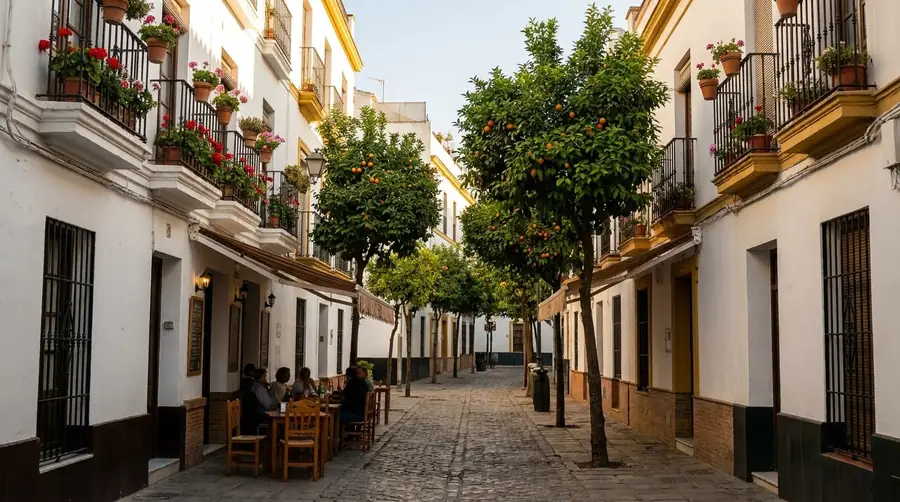
Andalusia, in the south, is the Spain of postcards, and Seville is its tapas capital. Bars here are made for standing, ordering one small plate at a time and moving on. In summer, the region lives on cold soups: gazpacho, blended raw tomato, pepper, cucumber, garlic, olive oil and vinegar, often served in a glass, and salmorejo, its thicker cousin from Córdoba made with bread and topped with egg and ham. Seville’s own tapas include espinacas con garbanzos, spinach and chickpeas with cumin; pringá, the shredded meat from a stew in a small roll; carrillada, slow-cooked pork cheeks; and montaditos, little sandwiches. Near the coast, pescaíto frito, small fish and squid fried in olive oil, is the dish of Cádiz and Málaga, along with tortillitas de camarones, crisp shrimp fritters. Córdoba adds rabo de toro, oxtail stew, and the flamenquín, a fried roll of ham and pork. Andalusia also gives Spain its best ham: the hills of Huelva, around Jabugo, cure jamón ibérico from acorn-fed black pigs. Drink a cold glass of fino or manzanilla, the dry sherry from Jerez and Sanlúcar, with almonds and olives. Our things to do in Seville and southern Spain itinerary plan the trip around the meals.
Order hereGazpachoSalmorejoEspinacas con garbanzosPescaíto fritoJamón ibéricoFino sherry
Region 4 of 8
Granada: free tapas, habas con jamón and Moorish sweets
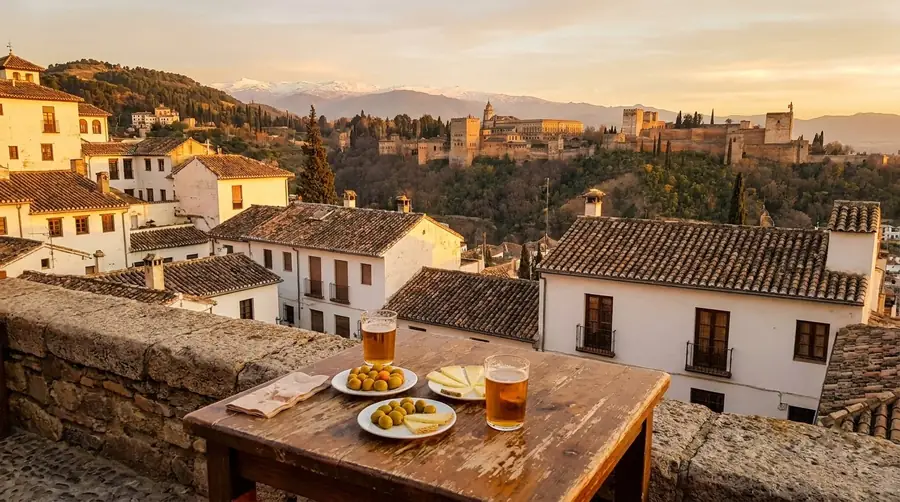
Granada is famous for one habit: in many bars, every drink you order comes with a free tapa. It is not a law and not every bar does it, but in the old town, especially around Calle Navas, Plaza Nueva and the Realejo, you can make dinner out of three or four rounds. The tapa grows with each drink and is chosen by the bar, though some places let you pick. Look for habas con jamón, broad beans fried with ham, often ham from Trevélez in the Alpujarra mountains, which carries its own protected name, Jamón de Trevélez PGI; tortilla del Sacromonte, an omelette made with brains and offal, named after the hill of the cave houses; and remojón, a salad of orange, salt cod, olives and onion that shows the city’s Moorish past. Granada was the last Muslim kingdom in Spain until 1492, and its food still uses cumin, almonds, honey and spices. In the Albaicín, below the Alhambra, the tea houses of Calle Calderería serve mint tea and honey pastries. Ajoblanco, the cold almond and garlic soup, is common here in summer, and in Santa Fe, just outside the city, bakeries make piononos, small rolled cakes soaked in syrup and topped with toasted cream. Our how many days in Granada guide helps plan around the Alhambra visit.
Order hereHabas con jamónTrevélez hamAjoblancoAlbóndigasBoquerones
Region 5 of 8
Valencia: paella valenciana, arroz a banda, all i pebre and horchata
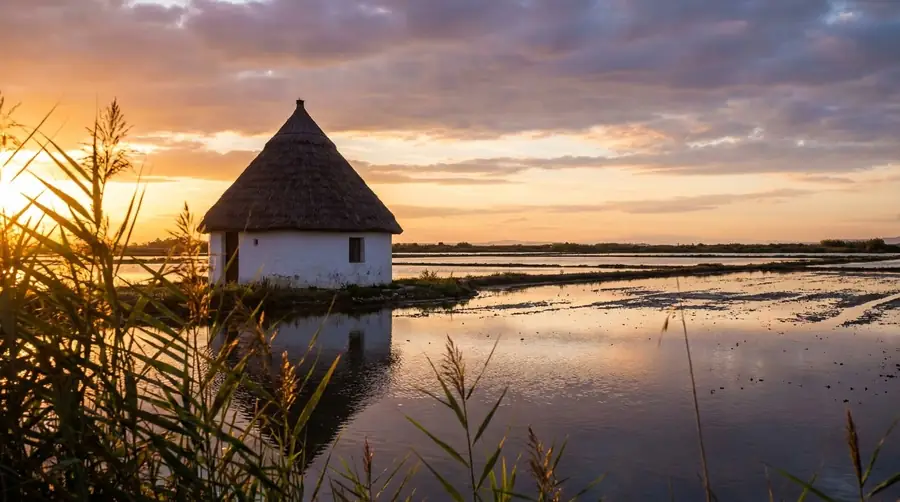
Paella comes from Valencia, and Valencians care deeply about how it is made. The original paella valenciana, one of Spain’s most iconic dishes, is a farmhouse dish of the rice fields around the Albufera lagoon, south of the city: short-grain rice cooked in a wide, shallow pan over a wood fire with chicken, rabbit, flat green beans (ferraura), large white butter beans (garrofó), tomato, olive oil, saffron and sometimes snails or a sprig of rosemary. No chorizo, no mixed seafood. The rice itself can carry the Arroz de Valencia PDO label, and in 2021 the Valencian government declared paella valenciana a Bien de Interés Cultural, part of the region’s intangible heritage. The thin crust of toasted rice at the bottom, the socarrat, is the best part. Paella is a lunch dish, and Valencians eat it at midday, often on Sundays; a restaurant that sells it at night to tourists is a warning sign. Seafood paella exists too, and so do a dozen other rice dishes: arroz a banda, cooked in fish stock; arroz negro, black with squid ink; arroz al horno, baked in a clay dish; and fideuà, made with thin noodles, which the town of Gandia claims. In the villages of the Albufera, such as El Palmar, try all i pebre, an eel stew with garlic and paprika. On a hot afternoon, drink horchata, cold tiger nut milk, with fartons for dunking; Alboraya, just north of the city, is the tiger nut town. Valencia’s Mercado Central is one of the finest food markets in Europe. Agua de Valencia, a cocktail of orange juice and cava, is the local drink at night.
Order herePaella valencianaArroz a bandaArroz negroFideuàHorchata
Region 6 of 8
San Sebastián and the Basque Country: pintxos, bacalao al pil-pil and Basque cheesecake
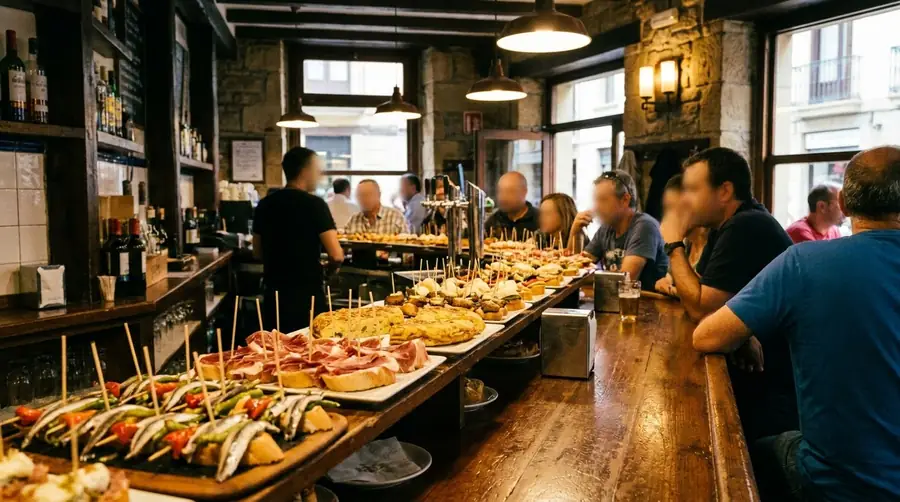
For many food lovers, San Sebastián is the best place to eat in Spain. The old town, the Parte Vieja, is packed with bars whose counters are covered with pintxos, the Basque version of tapas: small bites on bread, held with a toothpick, plus hot pintxos cooked to order from a board on the wall. The rule is one or two pintxos and a small drink per bar, then move on. The oldest pintxo is the Gilda, a skewer of olive, salted anchovy and a pickled guindilla pepper, said to be named after Rita Hayworth’s film character in the 1940s. Basque cooking is built on superb fish and meat with very little fuss. Bacalao al pil-pil is salt cod cooked slowly in olive oil and garlic, the pan swirled until the oil turns into a thick sauce. Look for txangurro, spider crab baked in its shell; kokotxas, tender cod or hake throats; marmitako, a tuna and potato stew from the fishing ports; and txuleta, a huge, thick beef chop grilled over coals and served rare. Pour txakoli, a slightly sparkling white wine, from a height. Between January and April, cider houses in the hills open for the cider season with salt cod omelette, steak and cider straight from the barrel. Finish with the Basque cheesecake, baked until the top is almost burnt, made famous by La Viña bar in the old town. Bilbao, an hour west, has its own pintxos scene.
Order herePintxos and the GildaBacalao al pil-pilIdiazabalBasque cheesecakeTxakoli

Region 7 of 8
Galicia: pulpo a la gallega, Padrón peppers, empanada and tarta de Santiago
Galicia, in the green and rainy north-west, has some of the best seafood in Europe and it is all about the produce. The signature dish is pulpo a la gallega, or pulpo á feira: octopus boiled in a copper pot, cut with scissors onto a wooden plate and dressed with olive oil, coarse salt and paprika, often over boiled potatoes. It is the dish of village fairs and of the pulperías in Santiago de Compostela and Melide on the Camino. Pimientos de Padrón, small green peppers fried and salted, come from the area around the town of Padrón, where the protected version is sold under the name Pemento de Herbón, a PDO; as the local saying goes, some are hot and some are not. The rías, the long sea inlets of the coast, grow mussels, oysters, scallops and razor clams, and the rocks give percebes, goose barnacles, a costly delicacy. Every bakery sells empanada gallega, a flat pie filled with tuna, cockles or pork. Inland, look for lacón con grelos, pork shoulder with turnip greens, and caldo gallego, a white bean and greens soup. Ternera gallega, Galician veal, is excellent. The cheese is the soft, cone-shaped tetilla, and the dessert is tarta de Santiago, an almond cake marked with the cross of St James. Drink white Albariño from the Rías Baixas, and at the end of a night out, watch a queimada, a burning bowl of spirit, sugar and coffee beans, said to keep away bad spirits.
Order herePulpo a la gallegaPimientos de PadrónEmpanada gallegaQueso tetillaTarta de Santiago
Region 8 of 8
Mallorca and the Balearic Islands: ensaïmada, sobrasada and tumbet
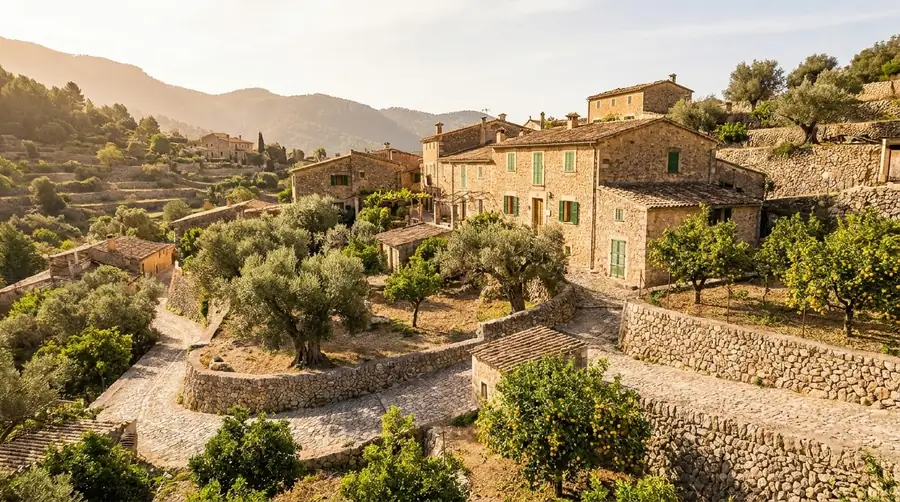
The Balearic Islands share the Catalan language but have their own island cooking, built on pork, vegetables, olive oil and fish. Breakfast in Palma is an ensaïmada, a light spiral pastry made with pork lard and dusted with icing sugar, plain or filled with cream or pumpkin jam; many visitors fly home with one in a round box. Sobrasada is a soft cured pork sausage with paprika, spread on bread, sometimes with honey. The everyday lunch is pa amb oli, bread with olive oil and tomato, topped with ham or cheese. Look for tumbet, layers of fried potato, aubergine and pepper under tomato sauce; frit mallorquí, a fry-up of lamb or pork offal with potatoes and peppers; arròs brut, a “dirty” rice soup with meat and spices; and coca de trempó, a flat pastry with chopped pepper, tomato and onion. Fishing ports such as Port de Sóller cook fish and seafood stews, and lobster stew is the luxury dish of Menorca. Menorca also makes Mahón cheese, and the town of Mahón has an old claim to have given its name to mayonnaise. In the Tramuntana mountains, villages press olive oil and grow oranges, and Sóller sells its orange juice in the square. Palma’s Mercat de l’Olivar is the place for a market lunch.
Order hereEnsaïmadaSobrasadaPa amb oliTumbet
The most famous and popular Spanish dishes: paella, tortilla, patatas bravas and the top 10
If you only have a few days, these are the most popular Spanish dishes, the authentic Spanish food that Spaniards themselves would put on a list of typical Spanish dishes to try. For a first taste of Spain, start here; each is at its best in the region named.
- Paella valenciana, saffron rice with chicken and rabbit, best in Valencia.
- Tortilla de patatas, the Spanish omelette, found everywhere.
- Jamón ibérico, cured Iberian ham, best in Andalusia, Extremadura and Salamanca.
- Gazpacho and salmorejo, cold tomato soups, best in Seville and Córdoba.
- Pulpo a la gallega, octopus with paprika, best in Galicia.
- Pintxos, Basque bar snacks, best in San Sebastián.
- Patatas bravas and croquetas, the classic tapas, best in Madrid.
- Gambas al ajillo, garlic prawns, best in Madrid and Andalusia.
- Churros con chocolate, best in Madrid.
- Crema catalana, best in Barcelona.
Spain’s national dish is usually said to be paella or the tortilla de patatas. Paella is the most famous Spanish dish abroad, while the potato omelette is the one Spaniards eat most often, at home, in bars and in sandwiches.
The Spanish tortilla: tortilla de patatas
The Spanish tortilla is not the Mexican flatbread but a thick omelette of eggs and potatoes slowly fried in olive oil, and it may be the most-ordered dish in Spain. You will find it throughout Spain: a wedge on the bar counter in the morning, a pincho de tortilla with bread mid-morning, a slice in a sandwich at lunch. The great debate is onion or no onion; most bars add it, purists do not. Another is how runny the middle should be, from firm and golden to soft and almost liquid, a style associated with Betanzos in Galicia. One of the earliest written mentions of the dish is an 1817 petition from Navarre, though older references have been suggested. It is one of the typical dishes Spaniards make at home, and every family thinks its own version is the best.
How Spanish tapas work: tapas, raciones, pintxos and the menú del día
Spanish tapas are small plates eaten at the bar with a drink, and going from bar to bar for tapas is called ir de tapas or tapeo. Popular tapas include patatas bravas, croquetas, olives, cured ham, Manchego cheese and garlic prawns. Tapas dishes run from olives and cheese to hot plates, from tapas to hearty stews in small clay dishes. A tapa is a small portion; a media ración is half a plate and a ración is a full plate to share. In the Basque Country and Navarre, the bites are called pintxos and sit on the counter; you take a plate, help yourself and tell the barman what you had. In Granada, Jaén, Almería and parts of León, a small tapa often comes free with each drink. At lunch on weekdays, most restaurants offer a menú del día, a set menu of a starter, a main, dessert, bread and a drink, the best value meal in Spain. A few words help you read the menu.
- Primer plato
- First course: soup, salad, rice, beans or vegetables.
- Segundo plato
- Second course, the main course: meat or fish, with chips or salad.
- A la plancha
- Grilled on a hot iron plate, the usual way to cook fish and prawns.
- A la brasa
- Grilled over charcoal or wood.
- Para picar
- To share, nibbles for the table.
Spanish cured meats: jamón ibérico, jamón serrano and chorizo
Cured ham is the heart of Spanish food culture, and you will see whole legs hanging in bars. Jamón serrano is made from white pigs and cured for months in dry mountain air; it is the everyday ham, and its name is an EU traditional speciality guaranteed (TSG), which protects the method rather than a place. Jamón ibérico comes from the black Iberian pig. The best quality, jamón ibérico de bellota, comes from pigs that roam the dehesa, the oak woodland of the south-west, and fatten on acorns in autumn and winter. Labels tell you what you are buying: since 2014, a black label marks 100% Iberian acorn-fed ham, red is acorn-fed but not pure Iberian, green is field-raised and white is farm-fed. Protected ham names include Jabugo in Huelva (called Jamón de Huelva until 2017), Guijuelo in Salamanca, Dehesa de Extremadura and Los Pedroches in Córdoba, and Teruel for white pig ham. Ham is eaten on its own, hand-carved into thin slices at room temperature, or in a bocadillo, a crusty sandwich. Spanish cured meats do not stop at ham. Chorizo, the paprika sausage, is the best known; salchichón is a peppery salami, lomo is cured pork loin and Mallorca’s sobrasada is soft enough to spread. A mixed plate of embutidos, with Manchego cheese and crusty bread, is a classic way to start a meal across Spain.
Spanish rice dishes: paella and the rest
Spain grows rice in Valencia, the Ebro delta in Catalonia and around Seville, and the east coast has more rice dishes than anywhere else in Europe. Paella is cooked uncovered in a wide flat pan and is meant to be dry, with each grain separate, not creamy like risotto. Restaurants usually cook paella for two or more people and it takes about 20 to 30 minutes, so order ahead. Seafood paella (paella de marisco) is the most popular version on the coast, and mixed paella with meat and seafood is popular with visitors, though Valencians frown on it and prefer the original Valencian paella. The wider family includes arroz caldoso, a soupy rice with lobster or seafood, arroz meloso, a creamy rice, arroz negro with squid ink, arroz a banda and arroz al horno.
Spanish soups and stews
Spain has a stew for every region, many of them built on chickpeas or beans and a little pork. Fabada asturiana from Asturias is a rich stew of large white beans with chorizo, black pudding and pork belly, best with a glass of local cider. Cocido is made all over the country with chickpeas, and it is the ultimate Spanish comfort food; Madrid’s is the most famous version, and Andalusian and Catalan cooks have their own. Lentejas, lentils with chorizo, are a weekday lunch at home. In Castile, sopa de ajo, garlic soup with bread, paprika and a poached egg, warms up winter days. On the coast, fishermen’s stews such as marmitako and suquet use potatoes and fish. In summer, the soups go cold: gazpacho, salmorejo and the white almond ajoblanco.
Spanish seafood: mussels, octopus, squid and prawns
Spaniards eat a lot of fish and seafood, and markets in inland Madrid are full of it. Galicia is famous for shellfish, above all mussels, which carry the Mejillón de Galicia PDO and are steamed or served as a tapa in tomato sauce; the Basque Country for cod and hake, Andalusia for fried fish and prawns, and the Mediterranean for rice with seafood. Calamares, fried squid rings, are on almost every menu; chipirones are baby squid. Sardines are grilled on skewers over embers on the beaches of Málaga, a dish called espetos. Boquerones, fresh anchovies, are eaten fried or marinated in vinegar. Order prawns, langoustines and shellfish by weight and check the price per kilo first.
Spanish cheese
Spain makes more than 100 kinds of cheese, many from sheep and goat’s milk. Manchego, a firm sheep’s cheese from La Mancha, is the best known, served in wedges with membrillo, quince paste. Idiazabal from the Basque Country is often lightly smoked; Cabrales from Asturias is a strong blue cheese ripened in mountain caves; tetilla from Galicia is soft and mild; Mahón from Menorca is a tangy cow’s milk cheese; and Torta del Casar from Extremadura is so runny it is eaten with a spoon.
Spanish desserts and sweets
Spanish desserts are simple and often eggy. Flan, caramel custard, and arroz con leche, rice pudding with lemon and cinnamon, are on most set menus. Natillas is a soft custard, and tarta de queso, cheesecake, has had a revival thanks to the Basque version. At Easter, bakeries make torrijas, Spain’s answer to French toast; at Christmas, families share turrón, nougat from Jijona and Alicante, and polvorones, crumbly almond shortbread from Estepa. Convents in Seville and other cities still sell sweets made by nuns through a turntable in the wall.
What to drink with Spanish food: wine, sherry, cava and sangria
Spain is one of the world’s largest wine producers. Red Rioja and Ribera del Duero are the best known, and white Albariño from Galicia and Verdejo from Rueda go with seafood. Cava is the sparkling wine of Catalonia, and sherry from Jerez de la Frontera ranges from bone dry fino and manzanilla to sweet Pedro Ximénez. Beer is the everyday drink: ask for una caña, a small draught beer. Sangria is mostly drunk by visitors; Spaniards more often drink tinto de verano, red wine with lemon soda. Vermouth on tap before Sunday lunch is a Madrid and Barcelona habit. Asturias and the Basque Country drink cider, and coffee comes as café solo, cortado or café con leche.
Olive oils and Spanish cuisine: is Spanish food healthy?
Spain is the world’s largest producer of olive oil, and Spanish cuisine uses it for everything: frying, dressing, preserving and even baking. Andalusia, especially the province of Jaén, grows most of it, and Spanish olive oils range from mild Arbequina from Catalonia to peppery Picual from Jaén. Extra virgin olive oil is poured over toast at breakfast and over grilled fish at dinner. Spanish food fits the Mediterranean diet: plenty of vegetables, beans, fish and olive oil, with meat and cured ham in small amounts. It is not all light, though: fried tapas, stews with chorizo and black pudding, and late dinners make portion size matter. For vegetarians, Spain is easier than its reputation. Order tortilla, pimientos de Padrón, patatas bravas, pisto, escalivada, gazpacho, cheese and grilled vegetables, but ask, as beans and vegetable dishes are often cooked with ham or chorizo.
Other regions: Asturias, Castile, La Mancha and the Canary Islands
If your trip goes further, every region has dishes worth the detour.
Asturias and Cantabria
Green, wet and mountainous, Asturias eats fabada, Cabrales cheese and cachopo, two veal fillets stuffed with ham and cheese, breaded and fried. Cider is poured from above the head into a wide glass to give it fizz.
Castile and León
Segovia is famous for cochinillo, roast suckling pig so tender it is traditionally cut with the edge of a plate, and the towns of the Duero for lechazo, milk-fed lamb roasted in a wood oven. Burgos makes black pudding with rice.
La Mancha
The land of Don Quixote eats Manchego cheese, pisto, migas (fried breadcrumbs with chorizo and peppers) and dishes with saffron from its own purple crocus fields.
The Canary Islands
Off the coast of Africa, the Canaries eat papas arrugadas, small wrinkled potatoes boiled in salty water and served with mojo, a red or green garlic sauce, and gofio, toasted grain flour.
When to eat what: Spanish food by season
Spanish cooking follows the seasons, and markets show it.
- Spring (March to May): calçots in Catalonia until about April, artichokes, broad beans with ham, torrijas at Easter and strawberries from Huelva.
- Summer (June to August): gazpacho, salmorejo, grilled sardines on the beach, horchata in Valencia and tomatoes at their best.
- Autumn (September to November): the grape harvest, wild mushrooms in Catalonia and the Basque Country, chestnuts, and the new season of ibérico pigs in the oak woods.
- Winter (December to February): cocido, fabada and other stews, Galician shellfish, turrón at Christmas and the start of the Basque cider season in January.
Ordering words
- Una caña
- A small draught beer, the standard order at a tapas bar.
- Un vino tinto / blanco
- A glass of red / white wine.
- ¿Qué tapa me pone?
- What tapa comes with it? Useful in Granada.
- Una ración / media ración
- A full / half plate to share.
- Para llevar
- To take away.
- La cuenta, por favor
- The bill, please.
- ¡Que aproveche!
- Enjoy your meal. Salud is cheers.
When Spaniards eat
Spain eats late. Lunch, la comida, is the main meal and is served from about 1.30 to 4 pm. Dinner, la cena, starts at about 9 pm, later in summer and in the south, and restaurants that open at 7 pm are often catering for tourists. In between, people stop for a coffee or a tapa. Many restaurants close on Sunday evening or Monday, and some close for part of August.
A typical day
- BreakfastAbout 8–10 amCoffee and toast with tomato, or churros.
- LunchAbout 2–4 pmThe main meal, often a menú del día.
- TapasAbout 8–9.30 pmA drink and a small plate.
- DinnerAbout 9–11.30 pmLater in summer and in the south.
Typical times, not opening hours. Check each place.
Live prices
Hotels near the food in Madrid, with live prices
Prices appear on the pins once dates are set. We pre-fill a week about a month ahead; change the dates on the map to see yours.
Famous Spanish food: FAQ
What is the most famous Spanish dish?
Paella is the most famous Spanish dish abroad. Tortilla de patatas, jamón ibérico, gazpacho, patatas bravas and churros are close behind, and each is best in a particular region, such as paella in Valencia.
What is the national dish of Spain?
Spain has no official national dish. Paella is the usual answer, and many Spaniards would name the tortilla de patatas, the potato omelette eaten all over the country.
What is traditional Spanish food?
Traditional Spanish food is regional home cooking built on olive oil, garlic, paprika, rice, beans, pork, seafood and bread: rice dishes, stews, cured ham, cold soups and small plates of tapas to share.
Is Spanish food spicy?
Mostly no. Spanish food uses paprika, garlic and saffron rather than chilli. Patatas bravas sauce, some chorizo and the odd hot Padrón pepper are the mildly spicy exceptions.
Is Spanish food the same as Mexican food?
No. They share some names, but Spanish food is Mediterranean, based on olive oil, rice, seafood and ham, while Mexican food is based on corn, beans and chilli. A Spanish tortilla is a potato omelette, not a flatbread.
Is Spanish food healthy?
Largely yes. Spanish food follows the Mediterranean diet, with olive oil, vegetables, beans and fish, but fried tapas, cured meats and rich stews are best eaten in small portions.
Is Spanish food good for vegetarians?
Better than its reputation: tortilla, Padrón peppers, patatas bravas, pisto, gazpacho, escalivada and cheese are all meat-free. Ask first, as many bean and vegetable dishes are cooked with ham or chorizo.
What do Spaniards eat for breakfast?
A light breakfast: coffee with toast rubbed with tomato and olive oil, a pastry, or churros with hot chocolate. A second snack, often a slice of tortilla, comes mid-morning.
Which Spanish city has the best food?
San Sebastián for pintxos and Basque cooking, Valencia for paella, Seville and Granada for tapas, and Madrid for the widest choice from every region. Barcelona is best for markets and seafood.
Where should I stay in Spain for food?
Madrid for a first trip, San Sebastián for food lovers and Valencia for paella. Stay central in each, near the old town, so tapas bars and restaurants are a short walk away after a late dinner.
Keep planning Spain
- Best Hotels in Seville: Air Conditioning and Two Weeks in Spring
- Where to Stay in Granada: Book the Alhambra Ticket First
- Where to Stay in Seville: You Are Choosing a Patio, Not a View
- Where to Stay in Madrid: Pick the Evening, Not the Distance
- Where to Stay in Barcelona: Best Neighborhoods Compared
- How Many Days in Granada? Count the Nights Instead
- How Many Days in Madrid? Three for the City, Five for the Day Trips
- How Many Days in Barcelona? Four, and the Tickets Explain Why
Written and checked by
Nora Castell is the pen name of the Triplarks editorial desk and the editor of its Costa Rica and Central America guides. Each guide is built from national park, transport and tourism sources, operator rate cards and recent traveller reports, then fact-checked, with every figure dated to the day it was read. Triplarks uses AI tools to help draft; nothing goes live until it has been edited and checked. Where we have not been somewhere, we do not write as though we have.