Quick answer
Everything in this itinerary is walkable from a room between the Liffey and St Stephen’s Green, so stay central and leave the car until the morning you drive west. Book Kilmainham Gaol before you fly — it is the one thing in Dublin that reliably sells out.
On this page
- Dublin itinerary: the shape of the city
- Day 1 — the old city, on foot
- Day 2 — the west end and the harder history
- Day 3 — the coast, or the park
- The docklands, east along the river
- The two day version
- The one day version
- Getting around
- What to book before you arrive
- A fourth day: the Boyne Valley tombs
- Where this fits in a longer trip
- When it rains, which is often
- Three things most visitors skip
- Following 1916 across the three days
- Dublin with children
- Where to sleep for this itinerary
- A note on the pubs
- Frequently asked questions
Dublin is a small capital. The walk from Trinity College to the Guinness Storehouse takes about twenty-five minutes, and almost everything a first visit wants sits inside that line. The city does not need a car, and it rewards walking more than planning.
Some links below are affiliate links. We may earn a commission if you book through them, at no extra cost to you. We do not rank hotels, and any prices on the map come live from the booking sites.
What follows is three days laid out in the order that works on the ground, with the version for two days and for one underneath it.
Map shows live availability and prices. We may earn a commission on bookings made through it, at no extra cost to you.
Dublin itinerary: the shape of the city
The River Liffey splits Dublin north and south. The south side holds Trinity College, Grafton Street, the Georgian squares, Temple Bar and the two cathedrals. The north side holds O’Connell Street, Parnell Square and the Garden of Remembrance and the Jameson distillery in Smithfield.
Nearly every sight on this itinerary is south of the river or within five minutes of a bridge. Phoenix Park and Kilmainham Gaol sit west of the centre, and the coast — Howth and Dún Laoghaire — is twenty-five minutes out on the DART.
Day 1 — the old city, on foot
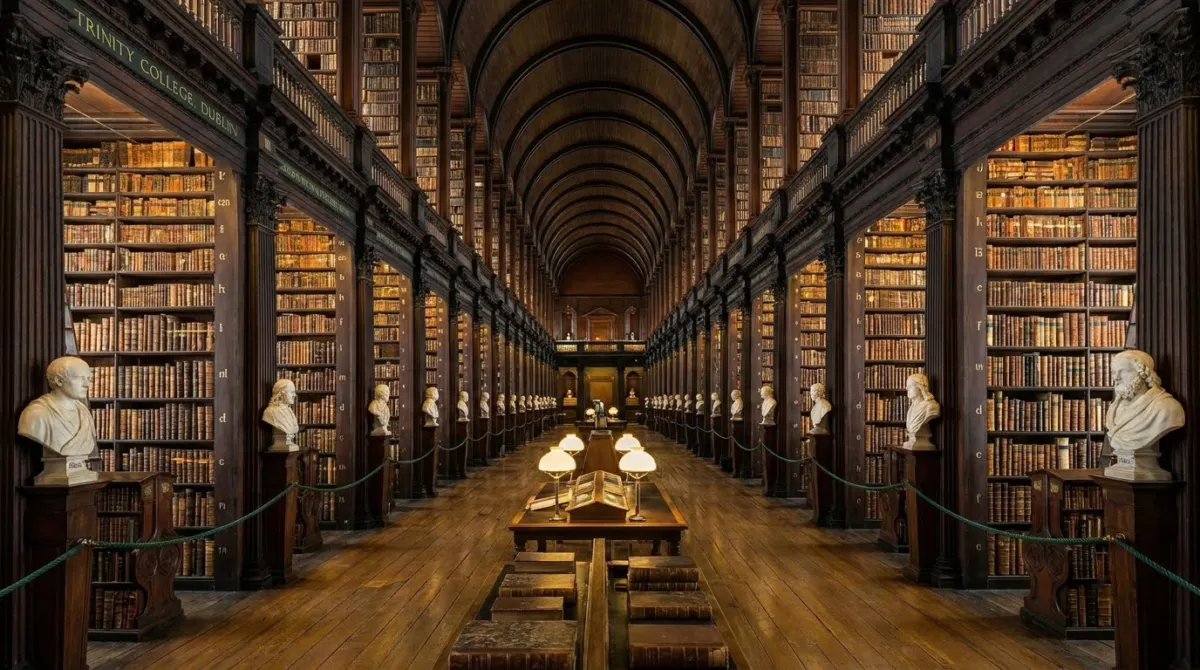
Morning. Start at Trinity College and the Book of Kells, an illuminated gospel manuscript from around 800 AD, shown with the Long Room library above it. Book a timed ticket; the queue without one is the longest in the city.
The Long Room is not quite as the photographs show it. Nearly all its books have been removed for the Old Library Redevelopment Project, and only the first few bays at the entrance are still full. It is still on the visit and still worth it. Allow about 45 minutes for the manuscript and the library, or 90 for the full Book of Kells Experience with its digital galleries.
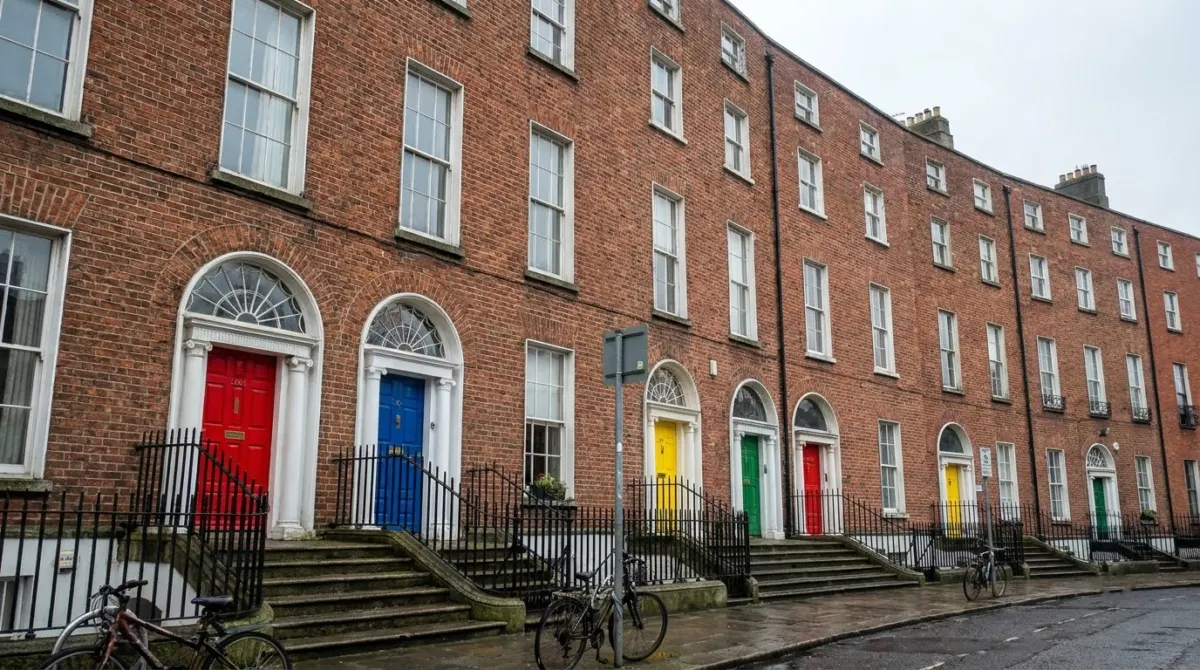
From the college gates, walk Grafton Street to St Stephen’s Green, then cut east into the Georgian squares — Merrion Square and Fitzwilliam Square — which are the most photographed streets in Dublin for a reason: brick terraces with painted doors and fanlights, built in the eighteenth century.
Afternoon. The National Museum of Ireland – Archaeology on Kildare Street is free, and it holds the bog bodies and the Iron Age gold that explain the country before the cathedrals. An hour is enough; two is better.
Then Dublin Castle and Christ Church Cathedral, five minutes apart, and St Patrick’s Cathedral ten minutes further.
Evening. Temple Bar is the lane everyone is sent to and the one locals avoid. Walk through it, then eat and drink one street away — around Dame Street, South William Street or Camden Street, where the pubs are the same age and the prices are not aimed at visitors.
Day 2 — the west end and the harder history
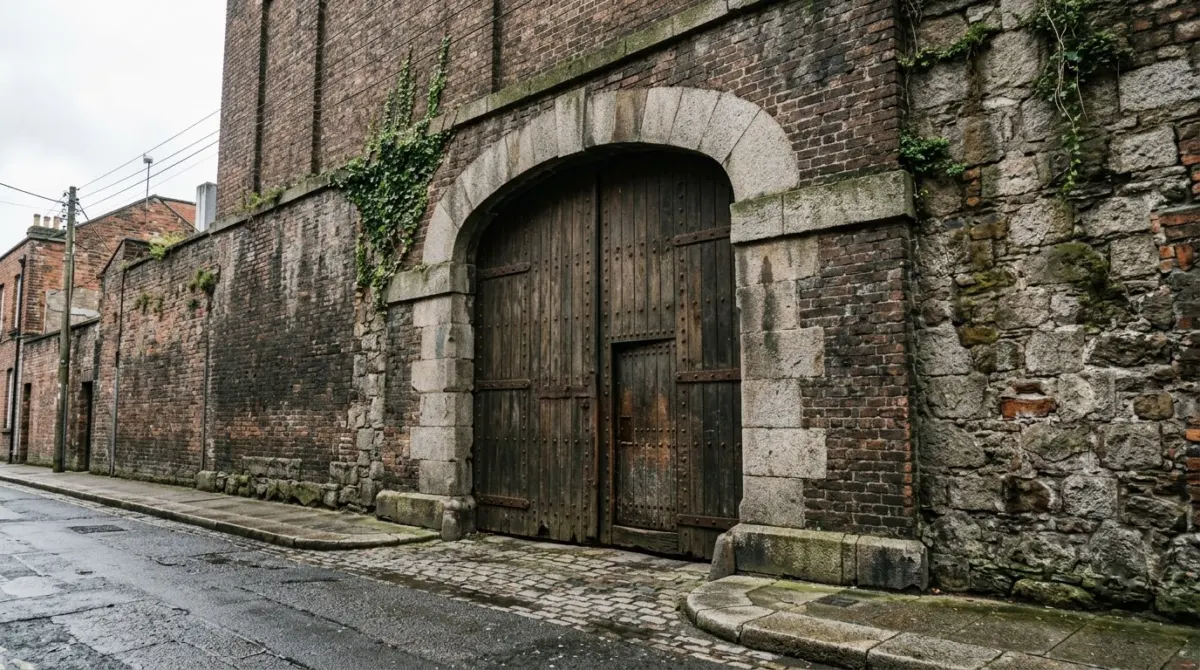
Morning. Kilmainham Gaol is the single most important thing to see in Dublin, and the one most likely to be sold out. It is the prison where the leaders of the 1916 Rising were executed, and the guided tour is the clearest hour you will spend on Irish history. Tickets are released in advance and go quickly; book before you fly.
Afternoon. The Guinness Storehouse is a little over twenty minutes’ walk from the gaol — a seven-storey exhibition in the old fermentation plant, ending at a top-floor bar with a view over the whole city. It is the second most visited attraction in Ireland, after the Phoenix Park Visitor Centre, which tells you both that it is good and that it is busy.
If beer is not the draw, swap it for EPIC The Irish Emigration Museum in the docklands, which traces the ten million people who left, and the Jeanie Johnston, a replica famine ship moored on the quays beside it.
Evening. A traditional music session. The good ones start late and are not advertised; the Cobblestone in Smithfield and the pubs around Capel Street are where to look.
Day 3 — the coast, or the park
Two different third days, depending on the weather.
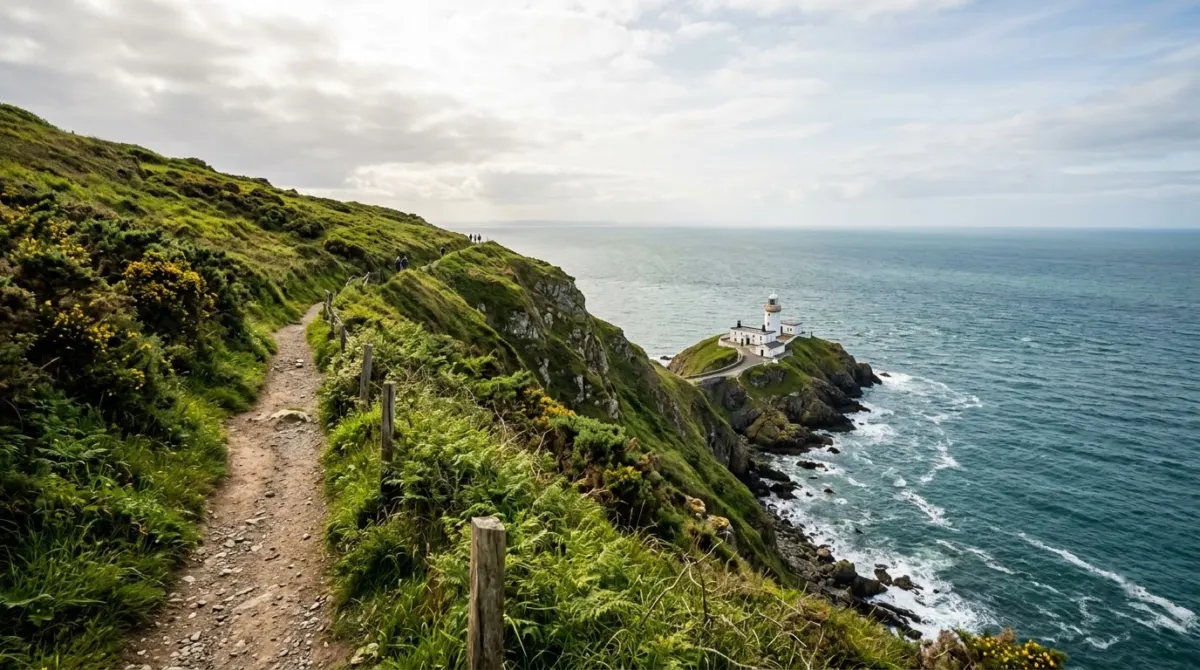
If it is clear, take the DART to Howth, a fishing village on a headland twenty-five minutes north. The cliff loop walk runs about six kilometres with the sea on one side the whole way, and the pier at the bottom sells the catch that came in that morning. Dún Laoghaire, the same distance south, is the flatter alternative: two long piers, a harbour and a seafront walk.
If it is wet, go west to Phoenix Park, one of the largest enclosed city parks in Europe, with a herd of fallow deer that has been there since the seventeenth century, Dublin Zoo, and the residence of the President of Ireland inside it. Pair it with the National Museum – Decorative Arts at Collins Barracks on the way back.
The docklands, east along the river
If you have a spare afternoon on day two, walk east along the north quays from O’Connell Bridge rather than west. The river widens, the Georgian city gives way to the old port, and the story shifts from the Rising to emigration.
The Custom House comes first, the long eighteenth-century building on the river. Just past it, on Custom House Quay, are the Famine sculptures, a group of gaunt bronze figures carrying their bundles east along the quay. Then come the Jeanie Johnston, the replica famine ship, and EPIC The Irish Emigration Museum in the vaults of the CHQ building, a former customs warehouse behind it.
Carry on to the Samuel Beckett Bridge, shaped like a harp laid on its side, and cross to Grand Canal Dock on the south side. From there it is a walk back along the canal or a short DART ride into the centre. The whole loop takes an afternoon at an easy pace, and nothing on it needs a ticket in advance except EPIC.
The two day version
Drop day 3 and move Howth to a half-day if the weather allows:
- Day 1: Trinity and the Book of Kells, Georgian squares, National Museum, the cathedrals, evening off Temple Bar.
- Day 2: Kilmainham Gaol in the morning, Guinness Storehouse after it, music in the evening.
Two days is the honest minimum for Dublin. One day is a stop, not a visit.
The one day version
If Dublin is a single day at the start or end of a longer trip: Trinity and the Book of Kells first thing, the National Museum, lunch around South William Street, Kilmainham Gaol in the afternoon if you booked it, and the Guinness Storehouse if you did not. Everything above is walkable or a ten-minute tram ride apart.
Getting around
Dublin has three systems and you will use two of them.
Walking covers the centre completely. The Luas is the tram, with a red line running east–west and a green line north–south. The DART is the coastal train, and it is the only one you need for Howth, Dún Laoghaire or Bray.
A Leap Card works on all of them and caps what you spend in a day. Buses take it too; buses without it need exact change.
From the airport, coaches run to the centre in around half an hour. There is no rail link to the airport.
At the airport, the coaches leave from outside Terminals 1 and 2. Dublin Express runs to more than fifteen stops in the centre, among them Trinity College, Temple Bar and O’Connell Street. Aircoach also serves the city, and the ordinary TFI buses, including the 16 and the 41, are cheaper and slower. The TFI Leap Visitor Card, sold at the terminals, covers city buses, the Luas, the DART and commuter rail for a set period, but not the private coaches.
What to book before you arrive
- Kilmainham Gaol — the one that sells out weeks ahead.
- The Book of Kells — timed entry, and the difference between walking in and queueing for an hour.
- The Guinness Storehouse — cheaper and faster booked online than at the door.
Nothing else on this itinerary needs reserving.
A fourth day: the Boyne Valley tombs
If the trip has room for one day beyond Dublin’s three, spend it at Brú na Bóinne, about forty-five minutes north. The passage tombs at Newgrange and Knowth were built around 3200 BC, which makes them older than the pyramids at Giza.
The logistics matter more than the drive. You cannot go straight to the tombs. Every visit starts at the visitor centre, on a guided tour, with a shuttle bus out to the monuments. Advance tickets are essential, and every visitor needs a ticket, including children. From April to the start of November, tickets go on sale online 30 days ahead, at midnight Irish time. In January and February the window is seven days. The exhibition in the visitor centre can be seen without a tour ticket, but the exhibition is not the reason to go.
Book the tour before you book anything else for that day, and leave the rest of it empty. It is a full day.
Where this fits in a longer trip
Dublin is where most Irish trips start because most flights land there. Two days here, then collect the car on the morning you leave — not when you land, because the city does not need it and central parking is expensive.
For the route west after that, see our Ireland itinerary; for the south, the southern Ireland itinerary. For the question of which part of the city to sleep in, where to stay in Dublin.
When it rains, which is often
Dublin gets rain in short bursts most weeks of the year, and the city is well set up for it. Three places are free, indoors and genuinely worth the time rather than being somewhere to shelter.
The Chester Beatty Library, in the Dublin Castle gardens, holds manuscripts, prints and sacred texts collected from across Asia, the Middle East and Europe. It is the most under-visited good museum in the city.
The National Gallery of Ireland, on Merrion Square, is free and holds the Irish collection alongside European work.
The Natural History Museum, known locally as the Dead Zoo, is a Victorian museum of a museum: cases of taxidermy arranged as they were in the nineteenth century, almost unchanged.
Three things most visitors skip
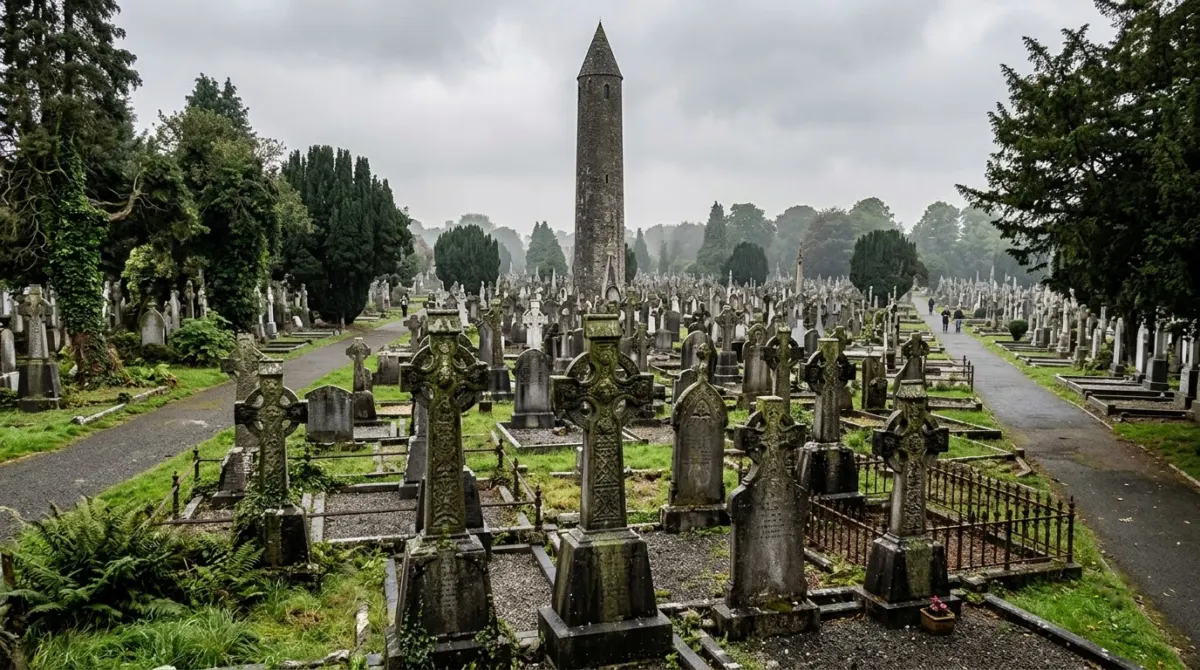
Glasnevin Cemetery, north of the centre, is where most of the names from Irish history are buried, and the guided tour is as good as the one at Kilmainham.
14 Henrietta Street tells the story of a single Georgian house that went from aristocratic home to tenement housing a hundred people. It is a small, specific and unusually honest museum.
The Iveagh Gardens, behind St Stephen’s Green, are hidden enough that most visitors walk past the entrance.
Following 1916 across the three days
The Easter Rising runs through this itinerary without being named as a theme, and three sites tell it in order if you visit them in the right sequence.
The GPO on O’Connell Street, where the rebels set up their headquarters. The museum inside covers the Rising and the years that followed. It opens Monday to Saturday, is closed on Sundays, and is cheaper booked online. It closes at five, so fit it into an afternoon north of the river.
Kilmainham Gaol on the morning of day two, where the leaders were held and executed.
Glasnevin Cemetery, north of the centre, where many of them are buried. Its guided tours run daily, and it fits a wet third day.
Seen in that order, the three sites take you from the Rising to its aftermath. For anyone who came to Ireland for the history, that is a better shape for the trip than three unconnected tickets.
Dublin with children
Three things carry a family day without difficulty: Dublin Zoo in Phoenix Park, the Natural History Museum for its sheer strangeness, and the DART out to Howth for the harbour, the seals and the cliff path.
Kilmainham Gaol works for older children and not for small ones. The Guinness Storehouse admits under-18s with an adult, but the top-floor bar is the point of it, so judge accordingly.
Where to sleep for this itinerary
Everything above is walkable from a room between the Liffey and St Stephen’s Green, which is the short answer for a two or three night stay.
The longer answer depends on how you arrive and how you leave. The airport coaches stop in a handful of places in the centre, and being on one of those streets removes a taxi at each end of the trip. If you are collecting a rental car to tour afterwards, a hotel with its own parking on the edge of the centre saves a day of city parking charges.
Our guide to where to stay in Dublin works through that in detail, and best hotels in Dublin explains why the age of the building decides what the room is like.
A note on the pubs
The pub is not an evening activity in Dublin so much as the format of the evening, and two things are worth knowing.
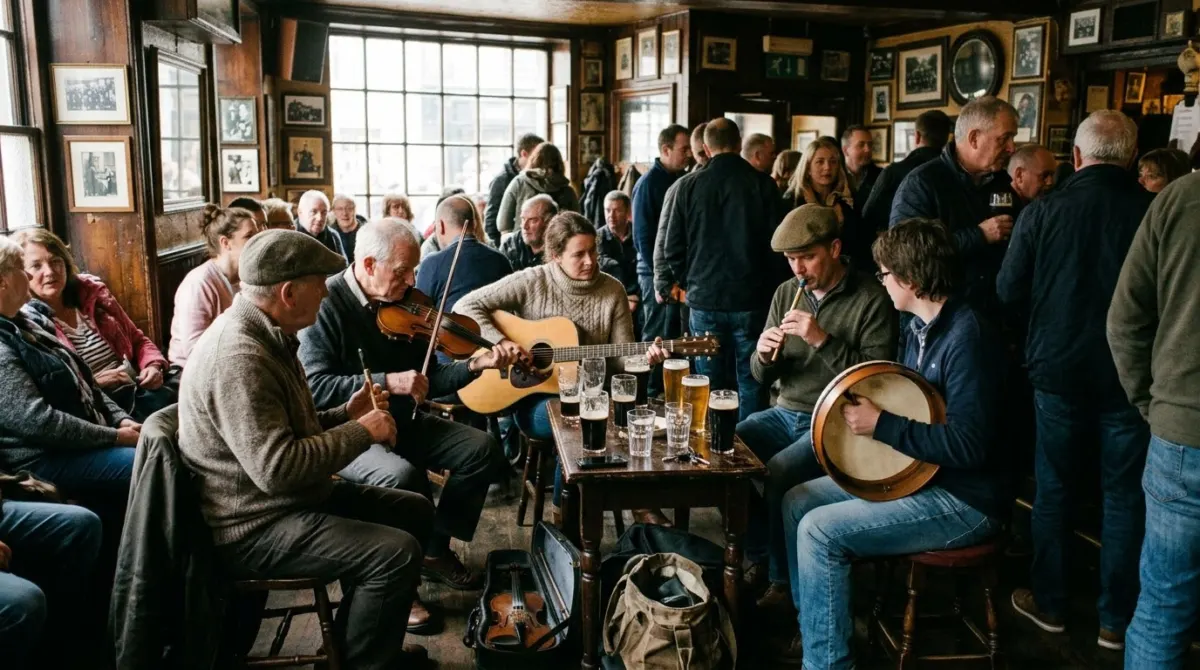
Live traditional music is not a show. Sessions are musicians playing together in a corner, they start late, and they are not advertised in advance. The ones with a sign outside promising traditional music at seven are generally not the ones locals go to.
Rounds are the default. If you are drinking with Irish company, buying in rounds is the norm and sitting one out is noticed.
Frequently asked questions
How many days do you need in Dublin?
Two full days covers the city centre properly: Trinity and the Book of Kells, the National Museum, the cathedrals, Kilmainham Gaol and the Guinness Storehouse. A third day adds the coast at Howth or Dún Laoghaire, or Phoenix Park if it rains.
Is Dublin walkable?
Yes. Trinity College to the Guinness Storehouse is about twenty-five minutes on foot and nearly everything on a first visit sits between them. The tram and the coastal DART cover the rest; a car is a liability in the centre.
What should I book before arriving in Dublin?
Kilmainham Gaol first, because it sells out weeks ahead. Then timed entry for the Book of Kells, and the Guinness Storehouse online. Nothing else needs reserving.
Is Temple Bar worth visiting?
Worth walking through, not worth the evening. It is the most concentrated run of pubs in the city and priced accordingly. The same kind of pub one street away — Dame Street, South William Street, Camden Street — costs less and sounds better.
What is the best day trip from Dublin?
Howth, twenty-five minutes on the DART, for the cliff walk and the harbour. Further afield, Glendalough in the Wicklow Mountains is about an hour by road and is the usual full-day trip.
Do I need a car in Dublin?
No, and it works against you. Parking in the centre is expensive and limited. If you are touring Ireland afterwards, collect the car on the morning you leave the city rather than when you land.
Can I see Newgrange from Dublin without a car?
Yes, but the tombs are only visited by guided tour from the Brú na Bóinne Visitor Centre, with a shuttle bus to the monuments. However you get there, book the tour ticket first; in season they go on sale 30 days ahead.
Keep planning Ireland
- Where to Stay in Kilkenny: On the Mile, or Beside the Station
- Where to Stay in Doolin: Book a Room You Can Walk Home To
- Where to Stay in Belfast: Four Quarters, Four Different Trips
- Where to Stay in Killarney: The Town, or the Lakes
- Where to Stay in Dingle: In Town, or Out Where the View Is
- Where to Stay in Ireland: Pick Three Bases, Not Seven
- Where to Stay in Galway: The Noise Decides It, Not the Distance
- Best Hotels in Dublin: What Each Kind of Building Gives You
Written and checked by
Triplarks Editorial
An editorial desk, not an invented persona: research, drafting and fact-checking are done by the same small team. Every number here carries the date it was read.