Quick answer
Book this as two trips joined in the middle: three Irish bases, then Edinburgh and one Highland base. Finish the Irish half in Belfast, beside both the Cairnryan ferries and the short flights to Glasgow, and return the Irish rental car before you cross.
On this page
- Ireland and Scotland itinerary: how the two countries connect
- The car hire problem, and how to avoid it
- Fourteen days, Ireland and Scotland
- The Irish half, days 1 to 9
- The Scottish half, days 10 to 14
- The ten day version
- Currencies, phones and the border
- Driving in both countries
- When to go
- Where to stay on this route
- Is it worth combining them?
- Which country to start with
- What this trip costs you in transfers
- Frequently asked questions
Ireland and Scotland look like one trip on a map and behave like two. They are separated by a sea, two currencies in part, and a car hire rule that catches people out: most rental cars collected in the Republic of Ireland may not be taken to Great Britain at all.
Some links below are affiliate links. We may earn a commission if you book through them, at no extra cost to you. We do not rank hotels, and any prices on the map come live from the booking sites.
None of that makes the combination a bad idea. It makes it a trip that has to be booked in a particular order. This guide sets out how to connect the two countries, then gives a fourteen-day route and a ten-day version.
Ireland and Scotland itinerary: how the two countries connect
There are two practical links and one that does not do what people assume.
Fly. Dublin to Edinburgh or Glasgow takes a little over an hour, and there are several flights a day. Belfast to Glasgow is shorter still. This is the fastest connection by a wide margin, and on a trip of ten days it is usually the right one.
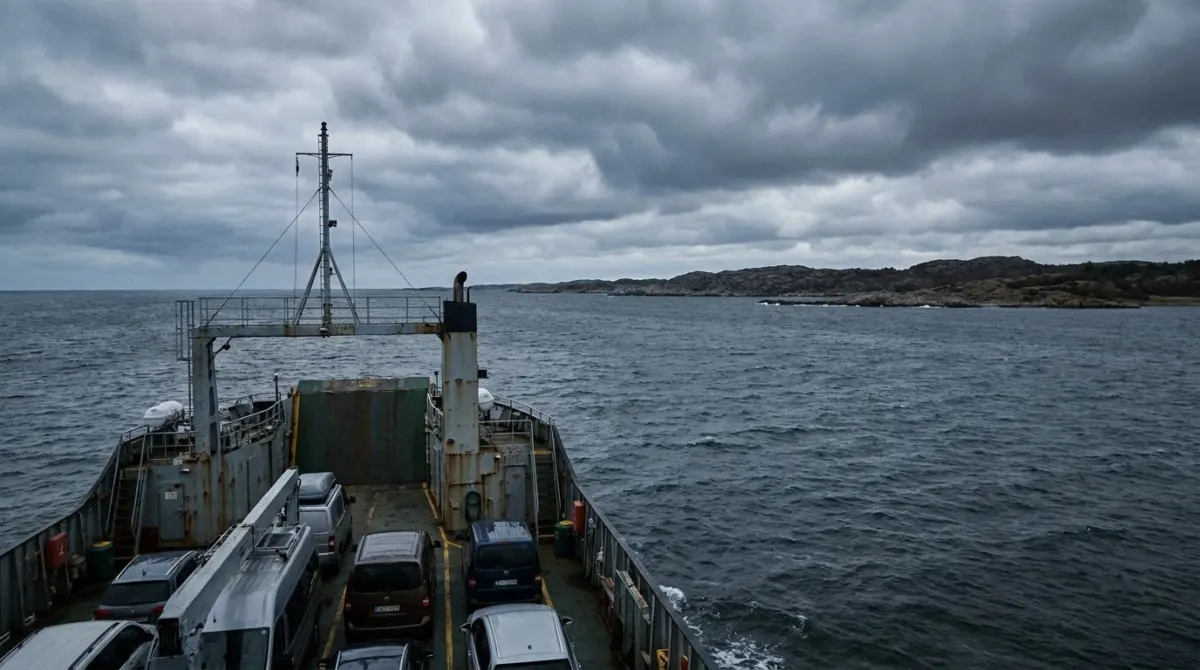
Ferry from Northern Ireland. Belfast and Larne both have crossings to Cairnryan in south-west Scotland, taking roughly two hours. These are the sailings to use if you want to travel overland, and they land you about two hours from Glasgow by road.
The Dublin ferry goes to Wales, not Scotland. Dublin and Rosslare sail to Holyhead and Pembroke, which are useful for a trip through Britain but add most of a day if Scotland is the destination.
Where to sleep on this route
The car hire problem, and how to avoid it
This is the single thing that derails Ireland and Scotland itineraries, so deal with it first.
Rental agreements issued in the Republic of Ireland generally do not permit taking the vehicle to Great Britain, and the ones that do require written permission and a fee. Cross-border travel into Northern Ireland is usually allowed; crossing the sea usually is not.
The clean solution is two separate rentals: one for Ireland, returned before you leave, and a second collected in Scotland. It costs more than one long hire looks like it would, and it removes a category of problem entirely.
If you are flying between the two, this happens naturally. If you are taking the ferry, plan to cross as a foot passenger and collect a car on the other side, or book a Northern Ireland hire that explicitly allows the sailing.
Fourteen days, Ireland and Scotland
| Days | Base | Doing |
|---|---|---|
| 1–2 | Dublin | The city on foot, car collected on departure |
| 3–5 | Galway | Cliffs of Moher, the Burren, Connemara |
| 6–7 | Killarney | Ring of Kerry, Dingle Peninsula |
| 8 | Belfast | Return the car, fly or drive north |
| 9 | Belfast | Causeway Coast |
| 10–11 | Edinburgh | The old town, the castle, the city on foot |
| 12–13 | The Highlands | Glencoe, Fort William, Loch Ness or Skye |
| 14 | Glasgow or Edinburgh | Fly out |
The pivot is day 8. Finish Ireland in Belfast, which puts you beside both the airport and the Cairnryan ferries, then start Scotland fresh with a new car.
Map shows live availability and prices. We may earn a commission on bookings made through it, at no extra cost to you.
The Irish half, days 1 to 9
Two nights in Dublin on foot, three in Galway for the Cliffs of Moher, the Burren and Connemara, two in Kerry for the Ring of Kerry and the Dingle Peninsula.
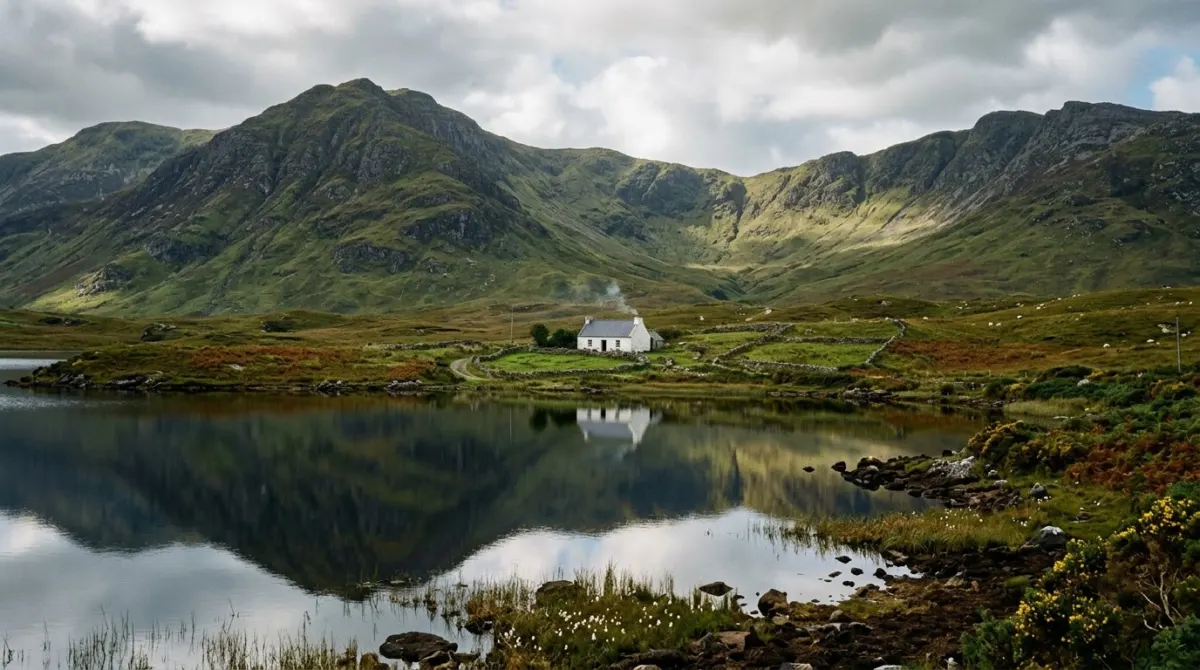
Then north. Killarney to Belfast is a long day’s drive, so break it in Galway or Dublin if you can spare the night, or fly the internal leg if your schedule is tight.
Day 9 is the Causeway Coast: the Giant’s Causeway, the cliff road, the rope bridge at Carrick-a-Rede and the Glens of Antrim. It is a full day from Belfast and it is the right note to leave Ireland on, because it faces Scotland across the water.
The Scottish half, days 10 to 14
Edinburgh takes two days and no car: the castle, the Royal Mile, the Georgian New Town and Arthur’s Seat above the city. Collect the car on the morning you leave.
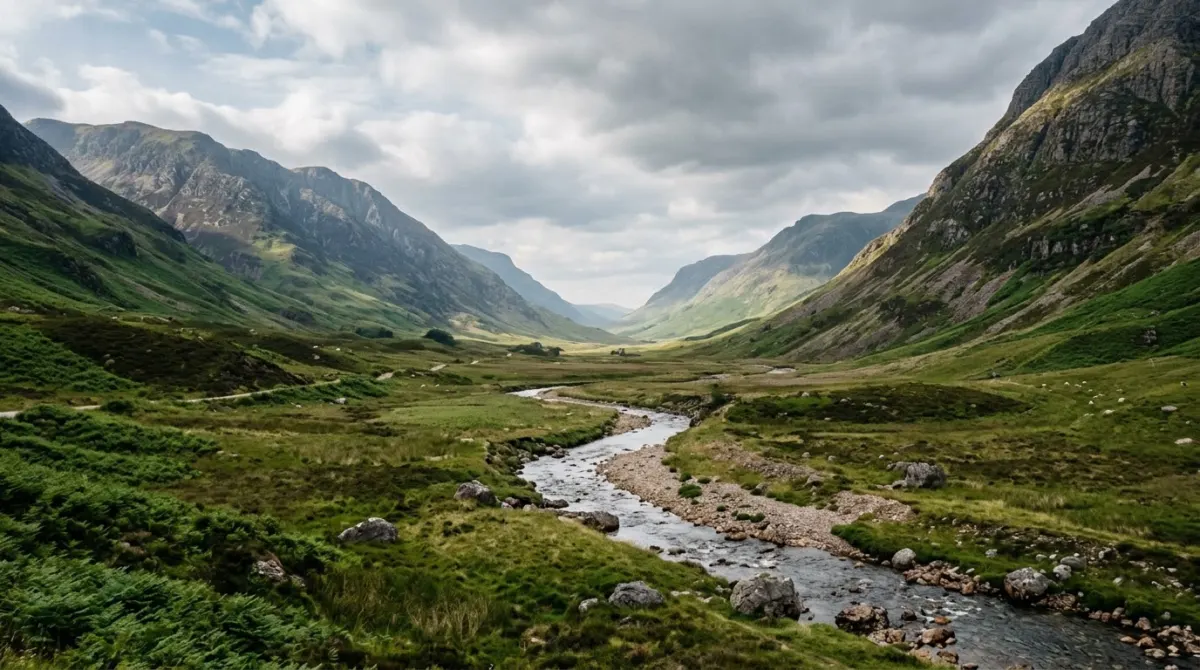
The Highlands are the reason to add Scotland to an Irish trip, because they are a different scale of landscape. The usual route runs north-west through Glencoe to Fort William, then either east to Loch Ness and Inverness or west to the Isle of Skye.
Two days is enough for one of those, not both. Skye in particular needs a night on the island to be worth the drive.
The ten day version
Ten days forces a choice, and the one that works is one region in each country.
- Days 1–2: Dublin.
- Days 3–5: Galway, with the Cliffs of Moher and Connemara.
- Day 6: fly Dublin to Edinburgh.
- Days 7–8: Edinburgh.
- Days 9–10: Glencoe and Fort William, back to Glasgow to fly out.
What this drops is Kerry and Northern Ireland on the Irish side, and the far north on the Scottish side. Both are better left for a second trip than squeezed into this one.
Currencies, phones and the border
Three practical differences on a trip that crosses two states.
Currency. The Republic of Ireland uses the euro. Northern Ireland and Scotland use pound sterling. Scottish banks issue their own sterling notes, which are legal tender in practice and occasionally queried in England.
Phones. Roaming terms may change between the Republic and the United Kingdom, which includes both Northern Ireland and Scotland. Check before you travel rather than after the first bill.
The land border between the Republic and Northern Ireland is unmarked, with no checks. The only visible change is road signs switching from kilometres to miles.
Driving in both countries
Both drive on the left, which means you learn once rather than twice.
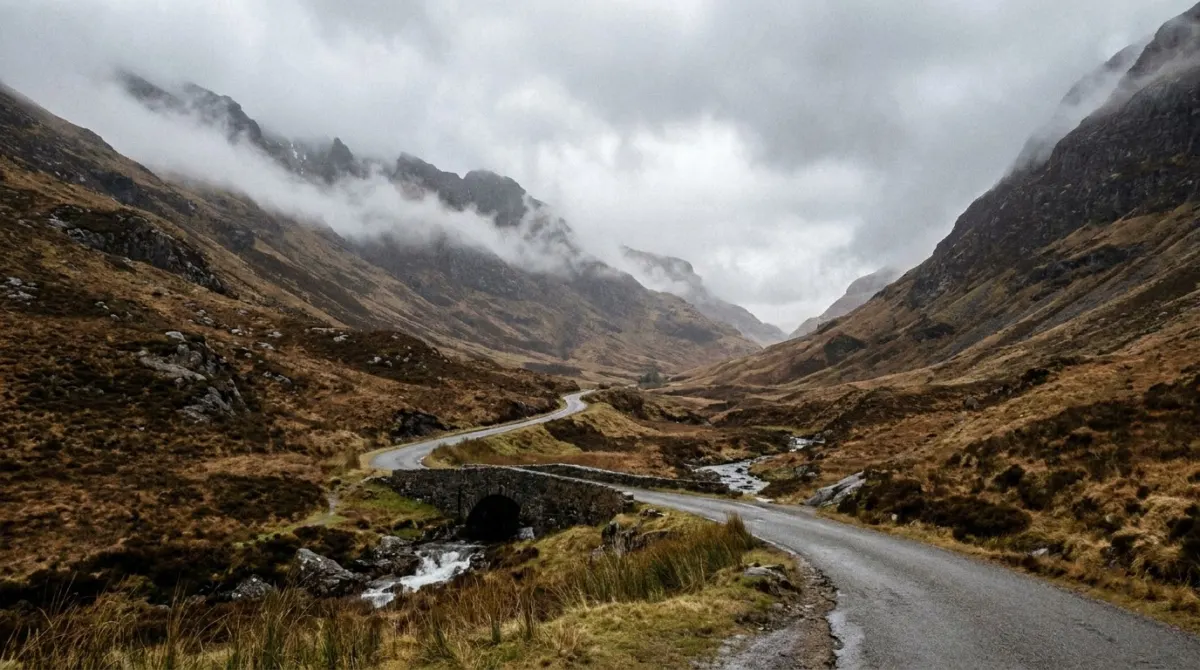
Beyond that the roads differ. Irish regional roads are narrow with stone walls or hedges at the edge and no verge. Scottish Highland roads are often single track with passing places, marked by white diamond signs, where the etiquette is to pull in and let the faster vehicle through.
Distances in the Highlands are longer than in Ireland and the roads are emptier, so the driving is less stressful but the days are longer. Allow about two-thirds of the speed your navigation app predicts in both countries once you leave the motorway.
When to go
May, June and September are the best months for this combination. Both countries have long daylight, everything is open, and the Highland midges — which are a genuine consideration from June to August — are less of a problem at either end of that window.
July and August bring the longest evenings and the most traffic, and in Edinburgh the festival in August fills the city and raises accommodation prices sharply. If your dates fall in August, book Edinburgh months ahead or base elsewhere.
October to March shortens the day enough that the Highland section stops working properly, and some Highland roads and attractions close.
Where to stay on this route
In Ireland, three bases: Dublin on foot, Galway a street back from the Latin Quarter, and Killarney in the town. Our guides to Dublin, Galway and Killarney cover each.
Add Belfast for the Causeway Coast and the crossing. In Scotland, central Edinburgh for two nights and one Highland base, which is where you will spend more per night than anywhere in Ireland.
Is it worth combining them?
Honestly, it depends on how long you have.
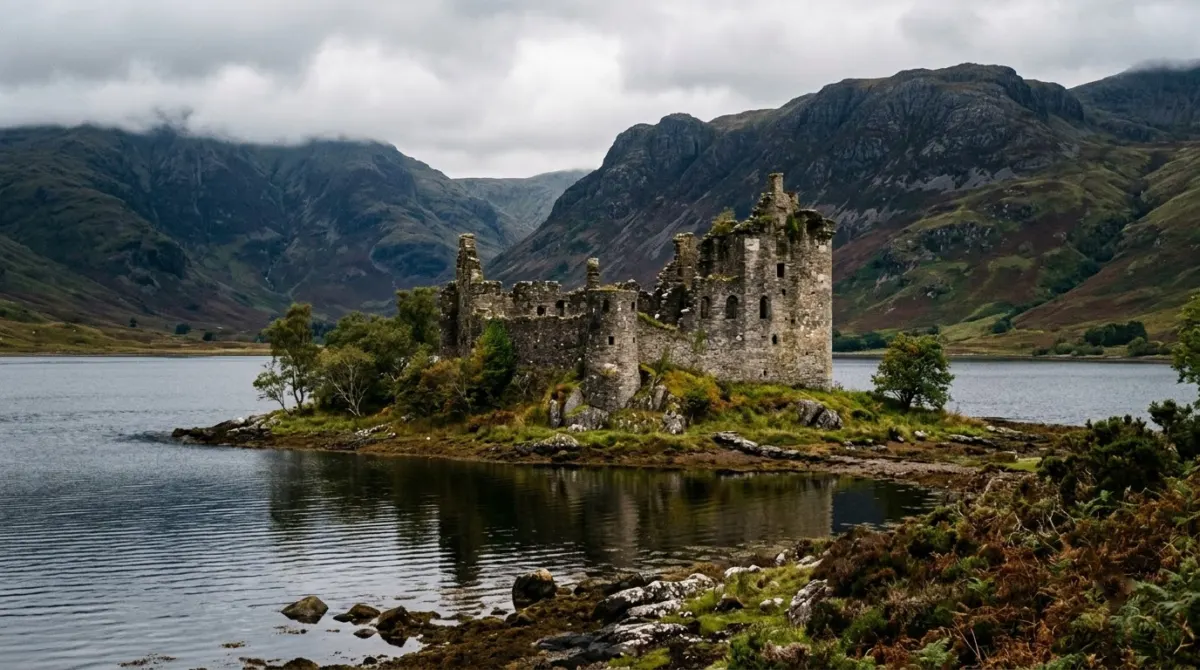
On fourteen days, yes. You get the Atlantic coast of Ireland and the Highlands of Scotland, which are genuinely different landscapes rather than variations on one.
On ten days it is a reasonable trip with two short halves. On seven it is not: you would spend a day crossing and give each country three days, which is enough for a city and not much else. At that length, pick one and see it properly — our 7 day Ireland itinerary is the Irish version.
Which country to start with
Start in Ireland and finish in Scotland, for two reasons that have nothing to do with preference.
The first is weather and daylight. Scotland is further north, so if your trip straddles the shoulder season the Scottish half benefits from being earlier in the calendar — but on a single fortnight the difference is small, and the practical argument wins instead.
The second is the pivot. Finishing the Irish half in Belfast puts you beside both the Cairnryan ferries and an airport with frequent short flights to Glasgow and Edinburgh. Doing it the other way round means ending the Scottish half in the Highlands and backtracking to a port or an airport, which costs a day.
There is one exception: if you are flying long-haul and the cheaper arrival is Edinburgh or Glasgow, reverse the whole thing and finish in Dublin, which has more onward flights than anywhere else on this route.
What this trip costs you in transfers
Three days of a fourteen-day trip are shaped by moving between countries and regions: the long drive north through Ireland, the crossing itself, and the run out of the Highlands at the end.
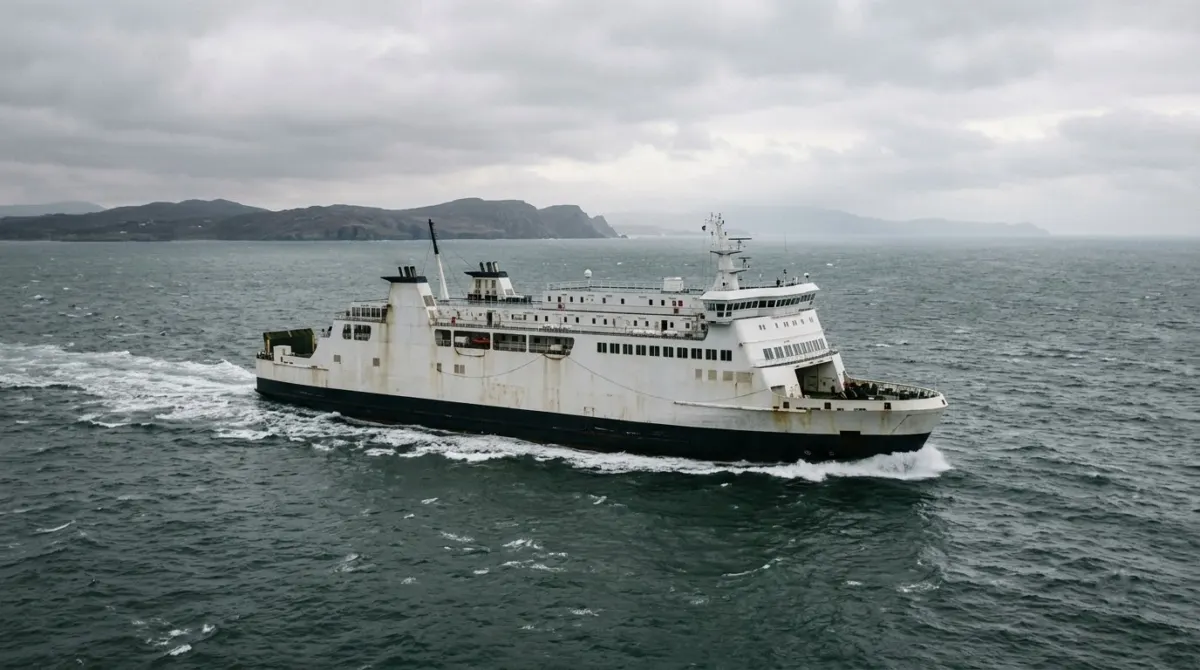
That is not wasted time if you plan something into each of them. Brú na Bóinne breaks the drive north. The Causeway Coast is the day before the crossing rather than a filler. And the last Highland day can end in Glasgow, which is a city worth an evening rather than only an airport.
What does waste time is treating the crossing as a travel day with nothing in it. Book the morning flight or the morning sailing, and keep the afternoon for Edinburgh.
Frequently asked questions
Can you do Ireland and Scotland in one trip?
Yes, and fourteen days is the length that makes it worthwhile. Ten days works as two short halves. Seven does not, because a day goes to the crossing and each country gets three days.
How do you get from Ireland to Scotland?
Fly from Dublin or Belfast to Edinburgh or Glasgow in about an hour, or take the ferry from Belfast or Larne to Cairnryan in about two hours. The Dublin ferries sail to Wales, not Scotland.
Can I take my rental car from Ireland to Scotland?
Usually not. Rental agreements from the Republic of Ireland generally prohibit taking the car to Great Britain. The clean approach is two separate rentals, one for Ireland and one collected in Scotland.
Do I need different money for Ireland and Scotland?
Yes. The Republic of Ireland uses the euro; Northern Ireland and Scotland use pound sterling. Cards work everywhere, and Scottish banks issue their own sterling notes.
How many days do you need for Ireland and Scotland?
Fourteen for a proper trip: nine in Ireland including the Causeway Coast, five in Scotland for Edinburgh and the Highlands. Ten days means one region in each country.
Is it better to fly or take the ferry between Ireland and Scotland?
Fly, unless you specifically want the overland journey. The flight is about an hour against roughly two hours at sea plus the drive to the port and from Cairnryan to Glasgow.
Keep planning Ireland
- Where to Stay in Kilkenny: On the Mile, or Beside the Station
- Where to Stay in Doolin: Book a Room You Can Walk Home To
- Where to Stay in Belfast: Four Quarters, Four Different Trips
- Where to Stay in Killarney: The Town, or the Lakes
- Where to Stay in Dingle: In Town, or Out Where the View Is
- Where to Stay in Ireland: Pick Three Bases, Not Seven
- Where to Stay in Galway: The Noise Decides It, Not the Distance
- Best Hotels in Dublin: What Each Kind of Building Gives You
Written and checked by
Triplarks Editorial
An editorial desk, not an invented persona: research, drafting and fact-checking are done by the same small team. Every number here carries the date it was read.