
Costa Rica is a country you drive through, not a place you base yourself in. The best things to do here are spread across three regions that each need two or three nights: the Arenal Volcano and La Fortuna in the centre, the Monteverde cloud forest above it, and the Pacific coast for beaches and wildlife. Below is what each one actually gives you, what the entrance fees are in 2026, and the car rental trap that catches almost every first-time visitor.
Some links below are affiliate links. We may earn a commission if you book through them, at no extra cost to you. We do not rank hotels, and any prices on the map come live from the booking sites.
Quick answer: where to stay in Costa Rica. There is no single base. Most first trips split the nights between La Fortuna for the volcano and hot springs, Monteverde for the cloud forest, and Manuel Antonio for wildlife with a beach attached, moving every two or three nights.
Check hotels in La Fortuna →Check hotels in Manuel Antonio →See them on a map ↓
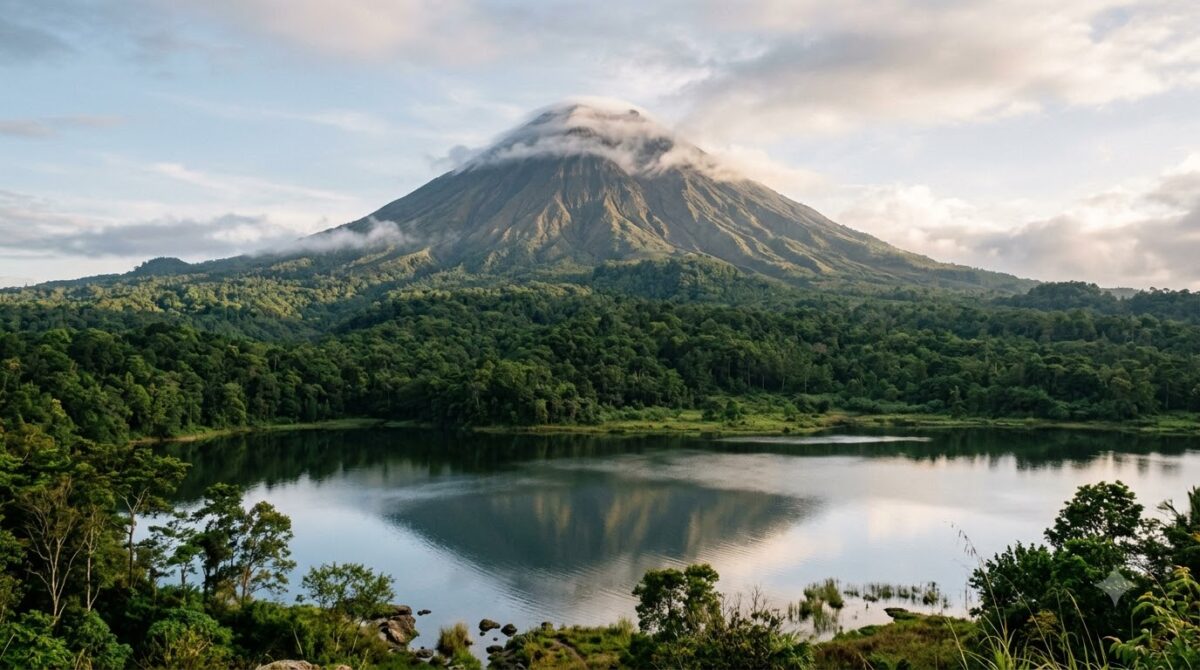
- The three must-do regions: Arenal and La Fortuna, Monteverde cloud forest, and one Pacific coast beach area.
- Manuel Antonio National Park costs US$18 for adults and US$5 for children aged 2 to 12 in 2026.
- Arenal Volcano National Park is US$15, and the lava-field self-guided trail is free.
- ⚠ Car rental: mandatory insurance adds US$30–45 a day on top of the advertised rate. Budget for it or the trip costs go wrong immediately.
- Ten days is the minimum for three regions. Seven means picking two.
Where these numbers come from. Entrance fees, tour prices and rental costs were read from published 2026 Costa Rica sources on 13 August 2026, including national park fee listings and operator pages. We have not travelled Costa Rica ourselves — see our editorial policy. Park fees change; confirm before you go.
The best things to do in Costa Rica
If you only remember five, these are the five. Everything else on this page is a variation on them.
| What | Where | Cost | Time needed |
|---|---|---|---|
| Arenal Volcano and natural hot springs | La Fortuna | park US$15 | 2–3 nights |
| Monteverde cloud forest and hanging bridges | Monteverde | from ~US$26 | 2 nights |
| Manuel Antonio National Park | Pacific coast | US$18 adult | half day |
| Zip line through the jungle | Monteverde or Arenal | varies | half day |
| A Pacific beach | Guanacaste, Nosara, Santa Teresa | free | 2–3 nights |
Costa Rica attractions cluster geographically, which is why the order of your route matters more than the list itself. See the itinerary section below.
Arenal Volcano National Park, La Fortuna and the hot springs
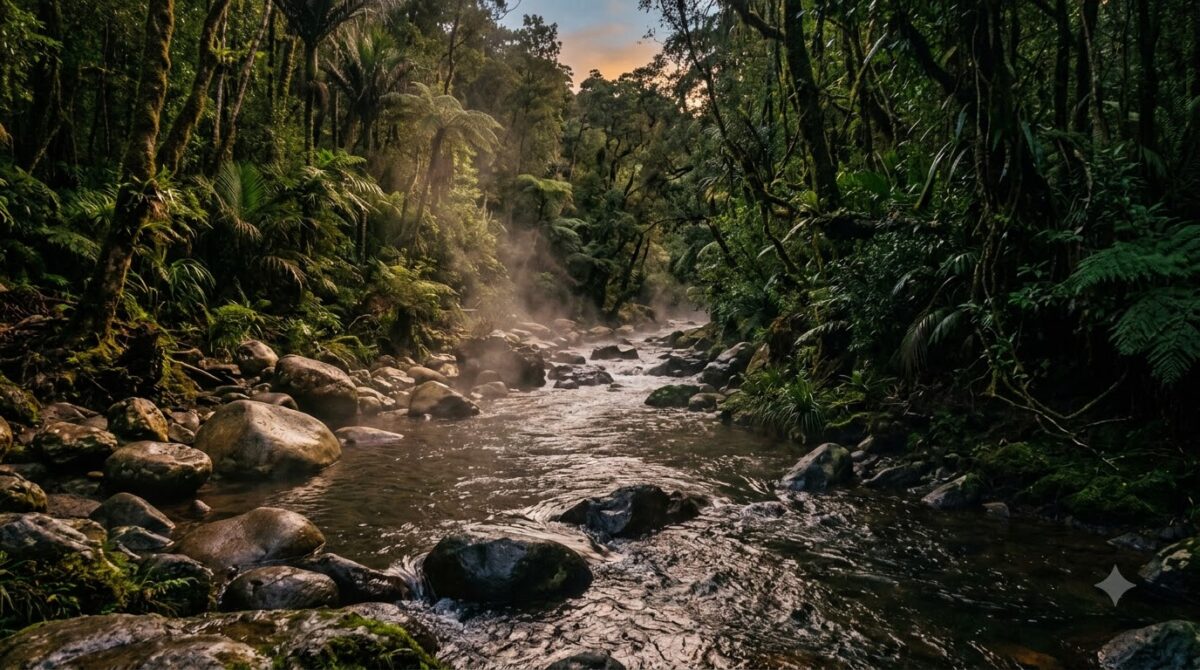
- Arenal Volcano National Park costs US$15. The lava field self-guided trail is free, which most itineraries fail to mention.
- Natural hot springs are the other half of La Fortuna. Resort complexes charge for access; there is also a free thermal river where locals swim, downstream of the resorts.
- La Fortuna waterfall — a steep staircase down to a plunge pool, and one of the most photographed waterfalls in Costa Rica.
- Místico hanging bridges here start from about US$26 and are the easy version of a canopy walk if you are not doing Monteverde.
- Views of the volcano depend entirely on cloud. Give it two nights and you will probably get one clear morning.
- Drive from San José to La Fortuna is roughly three hours, and it is the standard first leg of a Costa Rica trip.
La Fortuna gets its own guide, including the hot spring that runs free — see our La Fortuna and Arenal guide.
Visit the Monteverde cloud forest and its hanging bridges
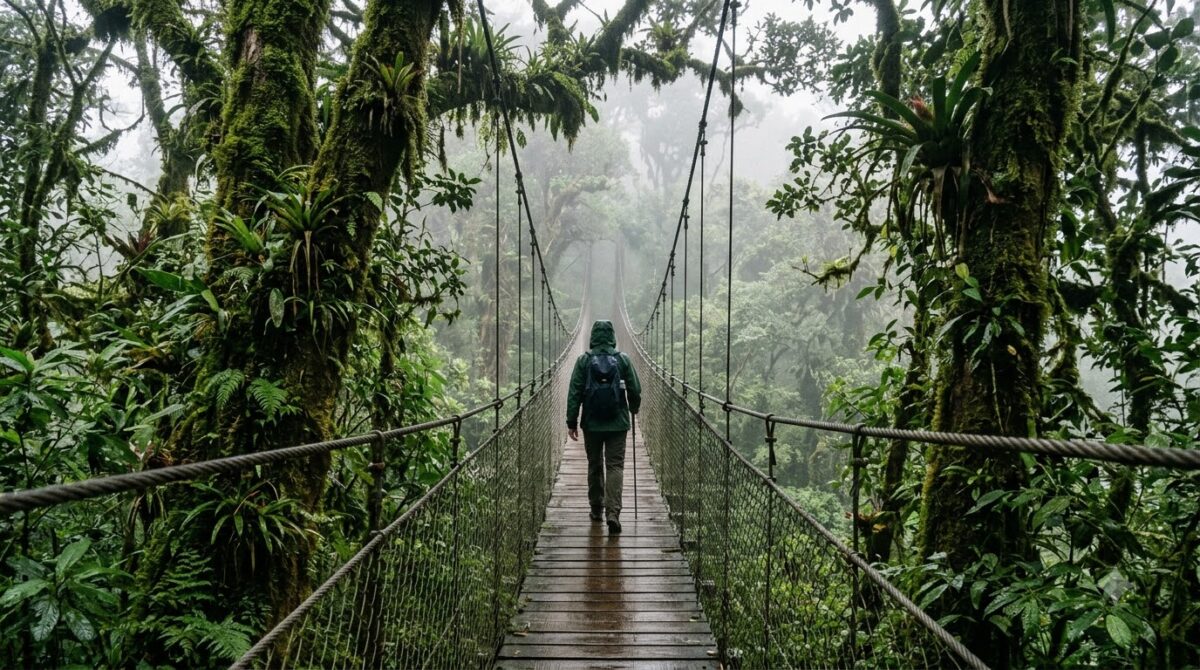
- Visit the Monteverde cloud forest for the thing you cannot get elsewhere: permanent mist, moss on every surface, and a completely different flora and fauna from the lowland jungle.
- The main reserve is run privately by the Tropical Science Center, not by the national park service, so its fees sit outside the SINAC price list.
- Hanging bridges through the canopy are the signature activity, and the reason to come even in rain.
- Zip lines were effectively invented for tourism here. If you are doing one in Costa Rica, do it in Monteverde.
- Bring a rain jacket regardless of season. Cloud forest is wet by definition.
- The road up is slow and partly unpaved. Allow far longer than the distance suggests.
Manuel Antonio National Park and the parks worth the fee
- Manuel Antonio National Park — US$18 adults, US$5 children 2 to 12, free under 2. Small, busy and the easiest place in the country to see sloths and monkeys along a flat trail that ends at a beach.
- Corcovado, on the Osa Peninsula, is the opposite: remote, guide-required and the most biodiverse place in Costa Rica.
- Tenorio Volcano National Park holds the Río Celeste, the river that turns turquoise where two streams meet. It is a real hike, not a viewpoint.
- Rincón de la Vieja in Guanacaste has mud pots, steam vents and waterfalls in one park.
- Tortuguero on the Caribbean side is reached by boat and is where the turtle nesting happens.
- Guides are worth it in every park. A certified naturalist in Manuel Antonio runs US$25–35 per person in a small group, or US$50–75 private — and they carry the telescope that turns a branch into a sloth.
Wildlife: sloth, whale, turtle and what you will actually see
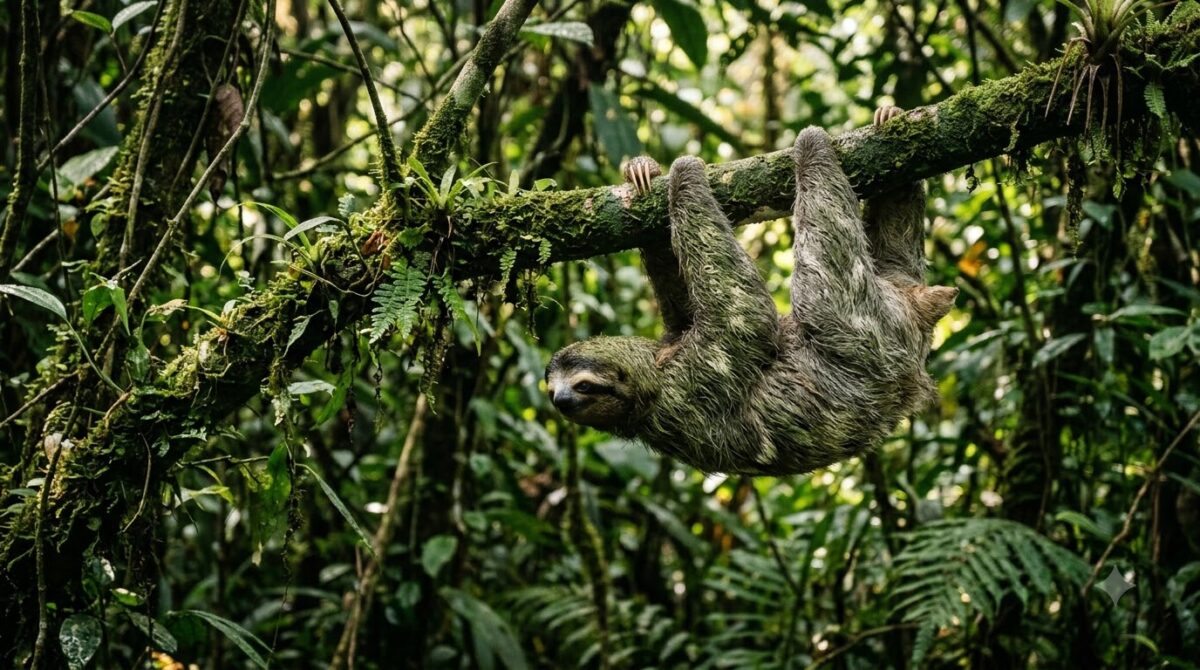
- Sloths — two-toed and three-toed, most reliably in Manuel Antonio and along the Caribbean coast.
- Monkeys — howler, capuchin, spider and squirrel monkeys, with howlers audible long before they are visible.
- Turtles — Tortuguero on the Caribbean side, and Pacific beaches during arribada nesting events.
- Whales — humpbacks pass the Pacific coast twice a year, and Marino Ballena is the usual base for watching them.
- Birds — the resplendent quetzal in the cloud forest, scarlet macaws on the Pacific coast, toucans almost everywhere.
- ⭐ Hire a guide for at least one park. The single biggest difference between people who saw Costa Rican wildlife and people who walked through green corridors is whether someone with a scope was with them.
Beaches: Guanacaste, Tamarindo, Jaco and the Caribbean coast
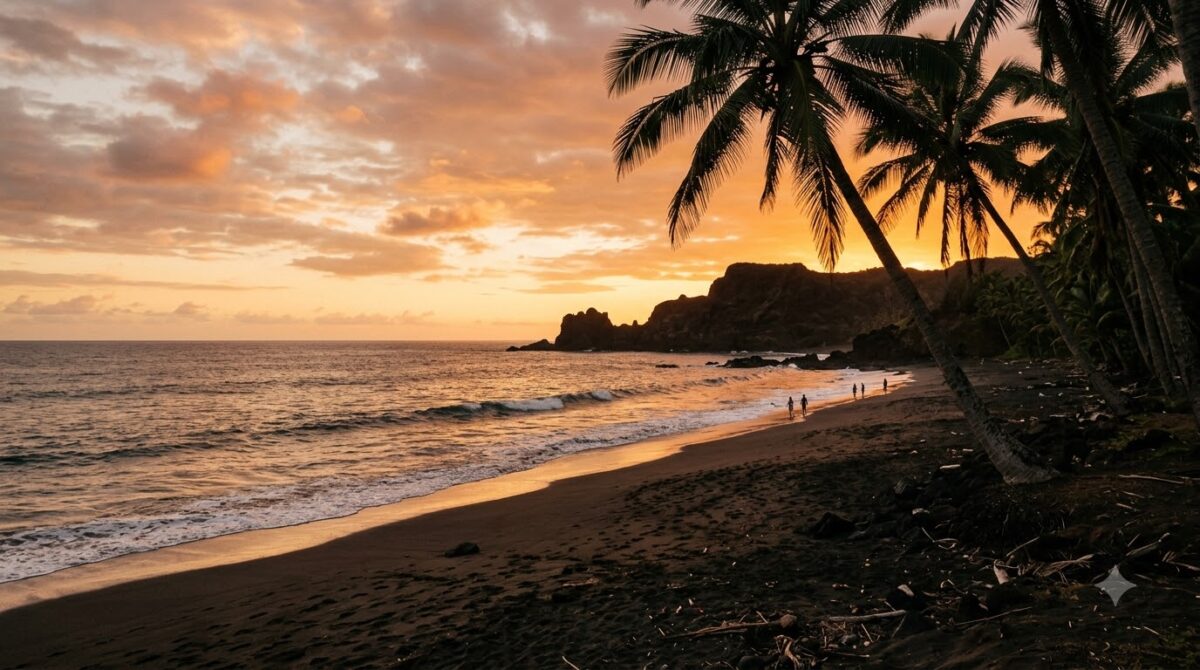
- Guanacaste in the north-west — the driest region on this coast of Costa Rica, the biggest resorts, and Tamarindo as the main surf town. Every playa along here is public.
- Nicoya Peninsula — Nosara and Santa Teresa, the yoga-and-surf end, harder to reach and quieter for it.
- Central Pacific — Jacó for nightlife and proximity to San José, Manuel Antonio for wildlife with a beach attached.
- The Caribbean coast — Puerto Viejo and the south, with Afro-Caribbean culture, different food and a completely different feel from the Pacific side of Costa Rica.
- Surf is the default activity on both coasts, and beginner lessons are available in every town listed above.
- Full comparison in our Costa Rica beaches guide.
Adventure: surf, hike and jungle activities
- Zip lining through the canopy — Monteverde and Arenal have the longest and highest courses.
- White-water rafting on the Pacuare, which is also one of the best ways to explore Costa Rica away from roads.
- Canyoning and waterfall rappelling around La Fortuna.
- Dive in Costa Rica at Caño Island off the Osa, or Isla del Coco for the serious end — that one is a liveaboard trip, not a day out.
- Hike Cerro Chato or the Arenal trails; the volcano itself is closed to climbing.
- Night walks in the Costa Rican jungle, which show you a completely different set of animals from the same trail by day.
The capital is worth exactly one day — see things to do in San José.
Pura vida: culture, San José and free things to do
- Pura vida is not a marketing slogan here — it is used constantly, as a greeting, a thank you and a shrug. Learning when to say it is the fastest way to read the culture.
- Traditional Costa Rican food is worth seeking out: casado for lunch, gallo pinto for breakfast, and sodas (small family restaurants) rather than tourist places.
- Coffee farm tours in the Central Valley, where the crop that built the country is still grown.
- Free things: the Arenal lava-field trail, most beaches, the thermal river near La Fortuna, and walking central San José’s markets.
- San José itself is worth one day, not three. Most visitors use it purely as an arrival point.
- Costa Ricans call themselves Ticos, and the word appears everywhere once you notice it.
Is Costa Rica expensive? What to budget
Yes, by Central American standards. Costa Rica prices closer to the United States than to its neighbours, and the two costs that surprise people are car hire and park fees rather than food or rooms.
| Item | Typical 2026 cost |
|---|---|
| National park entry | US$15–18 per adult |
| Guided wildlife walk, small group | US$25–35 pp |
| Private guide | US$50–75 |
| Hanging bridges | from ~US$26 |
| Hostel dorm bed | US$22–32 |
| Car rental insurance | +US$30–45 / day |
⚠ The car rental trap
- Mandatory insurance and CDW routinely add US$30–45 a day on top of the base rate quoted online. A “US$12 a day” car is not a US$12 a day car.
- The gap between the cheapest car and the right car is about US$30–40 a day. Roads to Monteverde and parts of the Nicoya Peninsula genuinely need clearance.
- Book direct with the rental company rather than through an aggregator, so the insurance is priced in the quote you actually see.
- Renting a car is still the right call for most trips. Shuttles work between the main hubs, but they lock your schedule to someone else’s.
- How much spending money you need: allow roughly US$100–150 per person per day mid-range, excluding the car, or US$60–80 travelling on hostels and public buses.
How many days, and a Costa Rica travel route that works
- Seven days: two regions. La Fortuna and one Pacific beach, or Monteverde and Manuel Antonio.
- Ten days: the classic three — San José, La Fortuna, Monteverde, then a beach. This is the trip to Costa Rica that most people should book.
- Two weeks: add the Osa Peninsula or the Caribbean coast, both of which are far enough to need their own block of days.
- The standard route: fly into San José, drive three hours to La Fortuna, cross to Monteverde, then down to the Pacific coast and out of Liberia or back through San José.
- ⚠ Do not try to do both coasts in ten days. The country is small on a map and slow on the ground.
- When to go, month by month, is in our best time to visit Costa Rica guide.
Where to stay in Costa Rica, region by region
There is no single base that works. Costa Rica travel means moving every two or three nights, and the destinations in Costa Rica that matter split cleanly into five blocks.
| Region | Base town | Why stay | Nights |
|---|---|---|---|
| Central highlands | La Fortuna | Volcano, hot springs, waterfalls | 2–3 |
| Cloud forest | Monteverde / Santa Elena | Canopy, zip lines, quetzals | 2 |
| Central Pacific | Manuel Antonio / Jacó | Wildlife with a beach attached | 2–3 |
| Nicoya & Guanacaste | Tamarindo, Nosara, Santa Teresa | Surf, yoga, driest weather | 3+ |
| Caribbean | Puerto Viejo | Afro-Caribbean culture, cheaper | 3+ |
- Central Costa Rica is where a first trip starts, because San José airport puts you within three hours of both La Fortuna and the central Pacific coast of Costa Rica.
- Costa Rica’s Pacific coast is long. Guanacaste in the north is dry and resort-heavy; the Nicoya Peninsula in the middle is harder to reach and quieter; the central Pacific is the busiest.
- The Caribbean side feels like a different country — different food, different music, different rain pattern. It is also the cheapest coast to stay on.
- One of the best places to base a second trip is the Osa Peninsula, but it is a long way from everything and needs its own week.
- Do not book one hotel for a week. Spots in Costa Rica are two to four hours apart and the driving is the trip.
Map shows live availability and prices. We may earn a commission on bookings made through it, at no extra cost to you.
Getting around: travel tips that save days
The single biggest mistake on a first trip is underestimating how long it takes to move across Costa Rica. Distances are short and journeys are not.
- Renting a car is the best way to explore Costa Rica if you are comfortable driving. It is the only option that lets you stop at the waterfalls and roadside sodas between towns, which is where a lot of the trip actually happens.
- Shuttles run between every pair of tourist towns and cost far less than a car once insurance is counted. They fix your schedule, which matters less than people think on a ten-day route.
- Public buses are cheap and slow, and genuinely usable between the main hubs if you have time rather than money.
- Domestic flights from San José make sense for the Osa Peninsula and Tortuguero, where the road alternative is most of a day.
- ⚠ Google Maps underestimates driving time here, sometimes badly. Add 30 to 50% on any route that leaves the main highway.
- Fill up when you can. Petrol stations thin out fast once you leave the central corridor.
- Time in Costa Rica is best spent on fewer places. Three regions in ten days beats five in the same period, every time.
Top things and attractions ranked by whether they earn the detour
Not everything on the standard list is worth the drive. This is the honest version.
- Worth building the trip around: Arenal and the hot springs, Monteverde cloud forest, Manuel Antonio. These three are the top attractions in Costa Rica for a reason and none of them disappoints.
- Worth a long detour: Río Celeste in Tenorio Volcano National Park, and Corcovado on the Osa if you have the days.
- Worth it if you are passing: Rincón de la Vieja, La Paz waterfall gardens, Poás volcano.
- Overrated relative to effort: Tortuguero outside nesting season, and San José beyond one day.
- One of the best things you can do costs nothing: pick a rainforest trail at dawn, walk it slowly and stop often. Most of the wildlife in Costa Rica is found by standing still.
- There is much to see across Costa Rica and no way to see it all. Choose depth over coverage.
Eating well here is mostly a matter of knowing where locals go — our guide to Costa Rican food covers the dishes and what they should cost.
The wildest of them gets its own guide — see the Osa Peninsula and Corcovado.
The best places in Costa Rica, and who each one suits
Costa Rica is one of those countries where the right answer depends entirely on what you want from the days. These are the best places in Costa Rica sorted by traveller rather than by ranking.
- First trip, ten days, want the greatest hits: La Fortuna, Monteverde, Manuel Antonio. This is the route almost everyone should take, and there is no shame in it being the obvious one.
- Beach holiday with some nature attached: Guanacaste or the Nicoya Peninsula, then one inland night at Rincón de la Vieja or Tenorio.
- Serious wildlife: the Osa Peninsula and Corcovado. Fewer people, more animals, and the one place where a naturalist guide is not optional.
- Surfing: Tamarindo to learn, Santa Teresa and Nosara to improve, Pavones on the south Pacific for the long left if you already know what you are doing.
- Something different: the Caribbean coast around Puerto Viejo — Afro-Caribbean food, reggae rather than reggaeton, and a rain pattern that runs opposite to the Pacific side.
- Families: La Fortuna and Manuel Antonio. Short trails, visible animals, and hot springs that entertain children for an entire afternoon.
- Second trip: Tortuguero in nesting season, the Sarapiquí lowlands, or the Talamanca highlands. All of them are better once you already know the country.
The best places to see wildlife are not the best places to swim, and neither are the best places to go for a short trip. Pick the axis that matters to you and the itinerary writes itself.
How many days in Costa Rica for each region?
- La Fortuna: two nights minimum, three if you want a clear volcano morning and a hot spring afternoon without rushing.
- Monteverde: two nights. One is enough for the reserve but not for the drive at both ends.
- Manuel Antonio: two nights covers the park and a beach day.
- Any Pacific beach town: three nights, because the whole point is to stop moving.
- Osa or Caribbean: four nights, because getting there costs the better part of a day each way.
- Adding up the top things you want to do and dividing by two nights per stop is the fastest way to work out whether your trip length is realistic.
Is Costa Rica safe? Rincon de la Vieja to the playa
- Broadly yes, and it is among the more settled destinations in the region for independent travel.
- The realistic risks are petty theft from parked cars and from beaches, not violence. Never leave anything visible in a rental.
- Rip currents are the genuine danger. Many Pacific beaches have no lifeguards and strong currents; ask locally before swimming.
- Tap water is drinkable in most of the country, including San José and the main tourist towns.
- Drive in daylight. Unlit roads, no hard shoulders and livestock make night driving the least sensible thing you can do here.
Short on time? Our 7 day Costa Rica itinerary puts the best of this list into one week.
Planning the whole trip? Our 10 day Costa Rica itinerary puts these places in the right order.
Not sure the country suits you? See is Costa Rica worth visiting before you book anything.
Check hotels across Costa Rica →
Frequently asked questions
What are the must-do activities in Costa Rica?
The Arenal Volcano and hot springs around La Fortuna, the Monteverde cloud forest with its hanging bridges and zip lines, and Manuel Antonio National Park for sloths and monkeys on a flat trail that ends at a beach. Add one Pacific beach area and that is a complete first trip.
Is Costa Rica an expensive country to visit?
Yes by Central American standards — it prices closer to the United States than to its neighbours. Park entry runs US$15–18, guided walks US$25–35 per person, and hostel dorms US$22–32. The cost that catches people out is car rental insurance at US$30–45 a day on top of the advertised rate.
How much spending money do I need for Costa Rica?
Roughly US$100–150 per person per day travelling mid-range and excluding the rental car, or US$60–80 on hostels and public buses. Park fees and guides are the daily extras that add up fastest.
What are the best places to visit in Costa Rica?
La Fortuna for Arenal and the hot springs, Monteverde for cloud forest, Manuel Antonio for accessible wildlife, and one of Guanacaste, Nosara or Santa Teresa for the Pacific coast. The Osa Peninsula and the Caribbean side around Puerto Viejo are the second-trip destinations.
What wildlife can you see in Costa Rica?
Sloths, four species of monkey, toucans, scarlet macaws, the resplendent quetzal in cloud forest, turtles at Tortuguero and humpback whales off the Pacific coast. Hire a guide for at least one park — they carry the scope that makes the difference between seeing animals and seeing leaves.
How many days do you need in Costa Rica?
Ten days for the three classic regions. Seven means choosing two of them. Two weeks lets you add the Osa Peninsula or the Caribbean coast. Do not attempt both coasts in under two weeks — the country is slow on the ground.
What are the free things to do in Costa Rica?
The Arenal lava-field self-guided trail, the thermal river near La Fortuna where locals swim, every beach in the country, and walking the markets of central San José. Beaches and coastline are public by law.