Quick answer
Two nights for the city and three with a fjord boat or the ridge walk. The rain is the real argument for the extra night — it is the only thing that gives you a second chance at the view from Floyen.
On this page
- How many days in Bergen: what each length gets you
- What one day covers
- Two days, and what you add
- The third day: fjord or mountain
- Four days and more
- Why the rain changes the number
- Bergen as a day trip
- When to go
- How Bergen fits a Norwegian trip
- What to do when it rains, which is often
- Bergen as a base without a car
- How Bergen compares with Oslo
- Fitting Bergen into a Norwegian trip
- Bergen in one day, if that is all you have
- How long each thing takes
- Bergen with limited time between trains
- What to book, and what not to
- Bryggen, Bergenhus and the hikes above the city
- The short version
- Frequently asked questions
Two nights. Three if you want a fjord trip from the harbour or a mountain day, and one only if Bergen is a stop on the way to somewhere else.
Some links below are affiliate links. We may earn a commission if you book through them, at no extra cost to you. We do not rank hotels, and any prices on the map come live from the booking sites.
The city itself is small: almost everything sits within fifteen minutes’ walk of the fish market, and the sights are individually short. If you are travelling on to Oslo, see where to stay in Oslo.
How many days in Bergen: what each length gets you
| Days | What fits | Who it suits |
|---|---|---|
| 1 | Bryggen, the fish market, the funicular | A stop between train and fjord |
| 2 | The above plus a museum and an evening | Most visits |
| 3 | Adds a fjord boat or a mountain walk | A proper visit |
| 4+ | Bergen as a base for the western fjords | Walking, or no car |
Where to sleep on this route
What one day covers
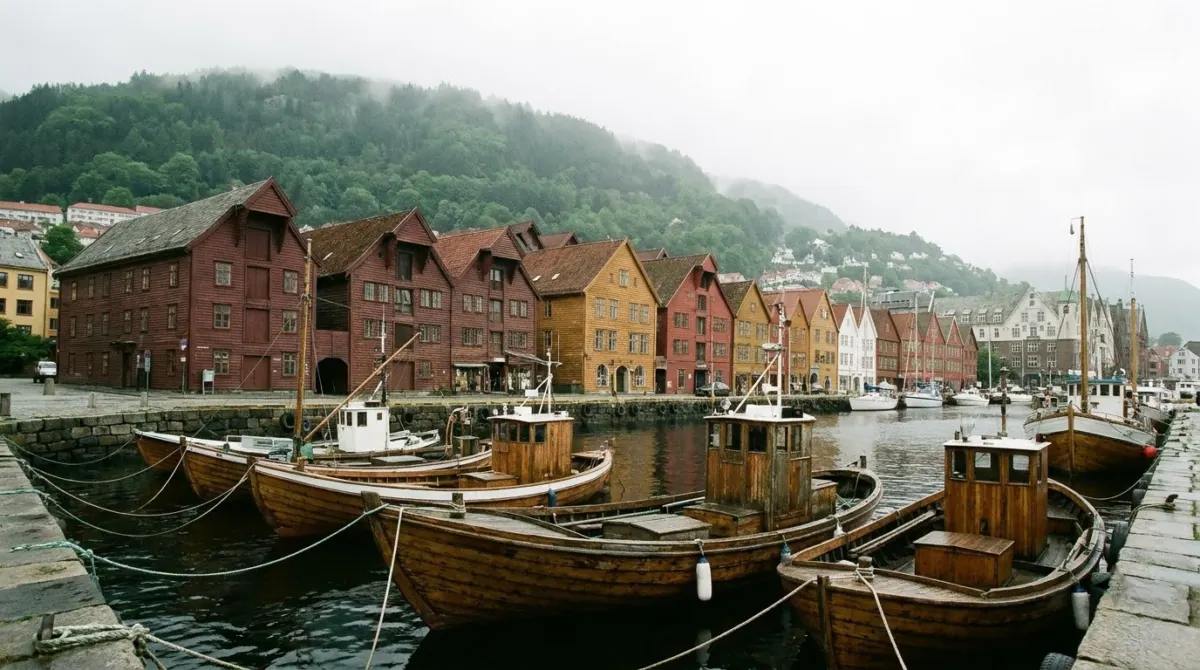
Bryggen, the wooden Hanseatic wharf, and the narrow passages behind it. The fish market opposite. The Fløibanen funicular up Fløyen for the view over the city and the islands, which takes ten minutes each way plus however long you walk at the top.
That is a full and satisfying day, and it is what most cruise passengers and most people changing trains actually do.
Two days, and what you add
The second day is for the museums and the evening.
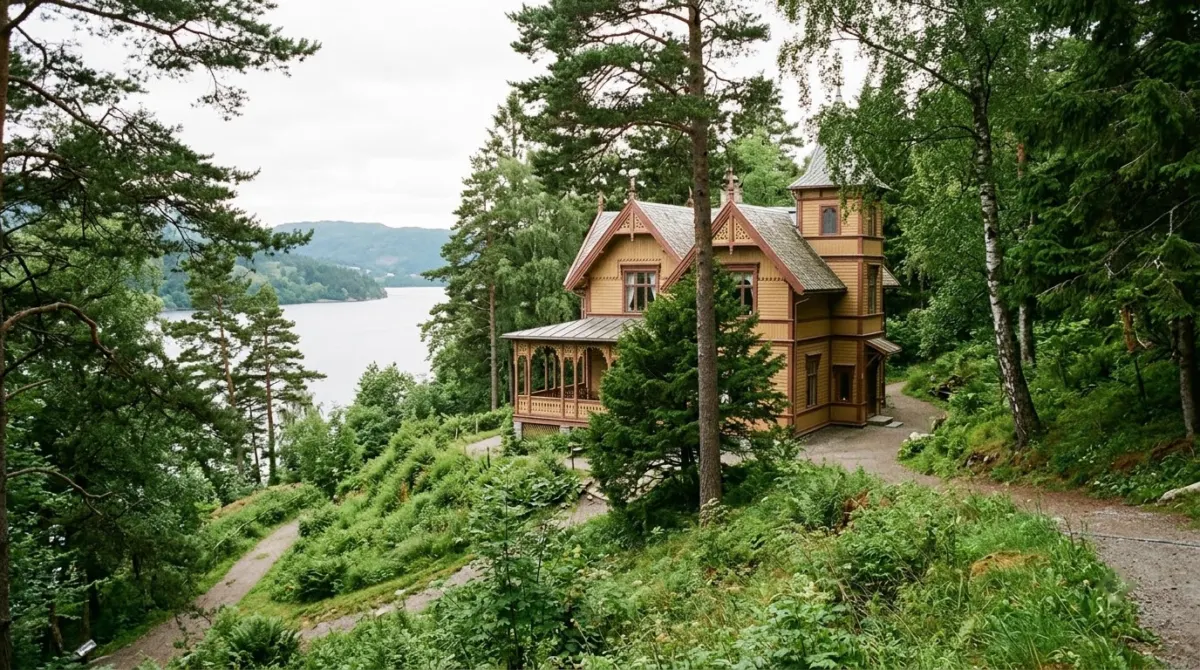
The Hanseatic Museum and the Bryggens Museum explain the wharf you walked past. KODE is four art museums around the city lake, with a large collection of Munch outside Oslo. Troldhaugen, the composer Grieg’s house on a lake south of the city, is a half day with a concert in summer.
And the evening, which is when the cruise crowds have gone and the old town is quiet.
Map shows live availability and prices. We may earn a commission on bookings made through it, at no extra cost to you.
The third day: fjord or mountain
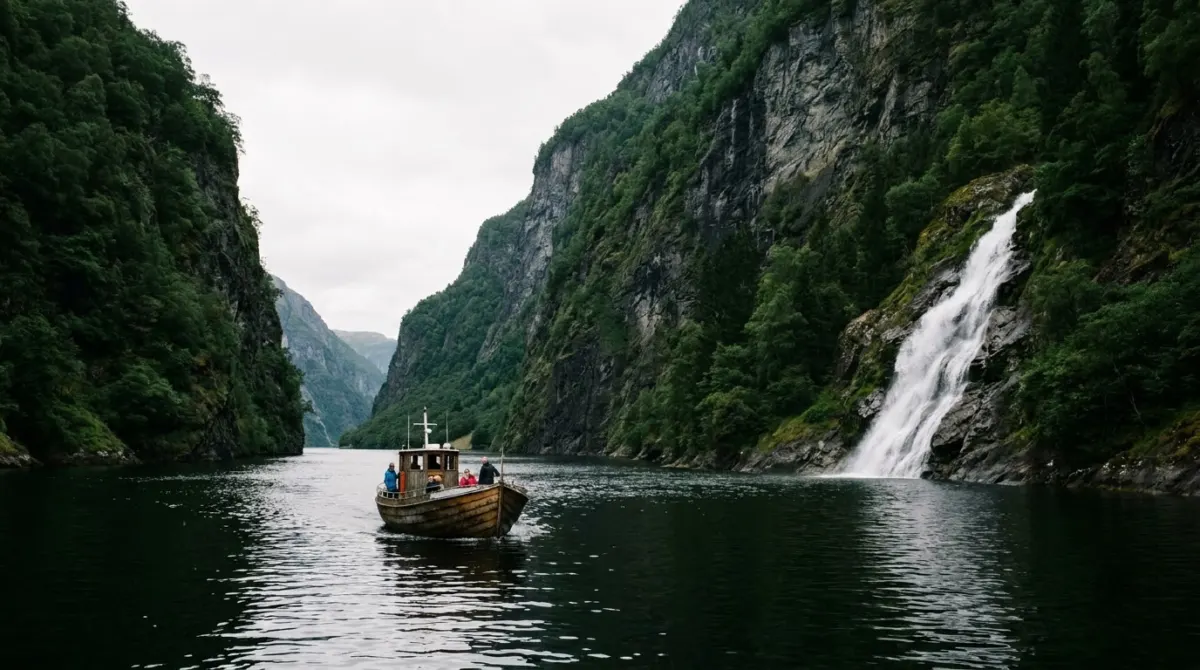
A fjord trip. Boats leave the harbour for the Mostraumen and the Osterfjord in about three hours, and longer trips run into the Hardangerfjord. These are the easiest fjord excursions in Norway because they start in a city centre.
A mountain day. The Ulriken cable car climbs to the highest of the seven mountains, and a well-marked ridge walk connects it to Fløyen in four to five hours — the best walk in any Norwegian city.
Either fills the day properly.
Four days and more
Bergen works as a base for the western fjords without a car, which is unusual.
From the harbour and the bus station: Flam and the Aurlandsfjord, the Hardangerfjord villages, Voss for activities, and the Norway in a Nutshell round trip in either direction.
That makes four or five nights here a reasonable alternative to moving between fjord villages, particularly outside summer when the village infrastructure thins.
Why the rain changes the number
Bergen has rain on well over half the days of the year, and that is a planning fact rather than a complaint.
On a one-day visit, rain can take the funicular view away entirely. On two or three days, you get another chance. This is the strongest practical argument for the extra night here — stronger than the list of sights.
Bergen as a day trip
It is commonly done from Oslo as part of the Norway in a Nutshell route, arriving in the afternoon and leaving the next morning.
That works, and it gives you Bryggen and the funicular. What it misses is the evening, when the cruise passengers have left, which is when the old town is at its best.
When to go
May to September for the fjord boats, the long days and the open attractions, with the cruise crowds as the trade.
Late September and October for colour and quiet, with some excursions stopping.
November to March is dark and wet, the fjord trips reduce, and the city is cheap and genuinely atmospheric.
How Bergen fits a Norwegian trip
It is the western end of the Bergen railway and the main gateway to the fjords, so most itineraries pass through it.
Two nights at the end of the classic week is the standard allocation — see our Norway itinerary — and where to stay in Bergen covers the districts.
What to do when it rains, which is often
Bergen’s wet-weather list is better than most cities’, which is a function of necessity.
KODE, the four art museums, can take most of a day between them.
The Hanseatic Museum and Bryggens Museum explain the wharf.
The aquarium on Nordnes is a short walk from the centre.
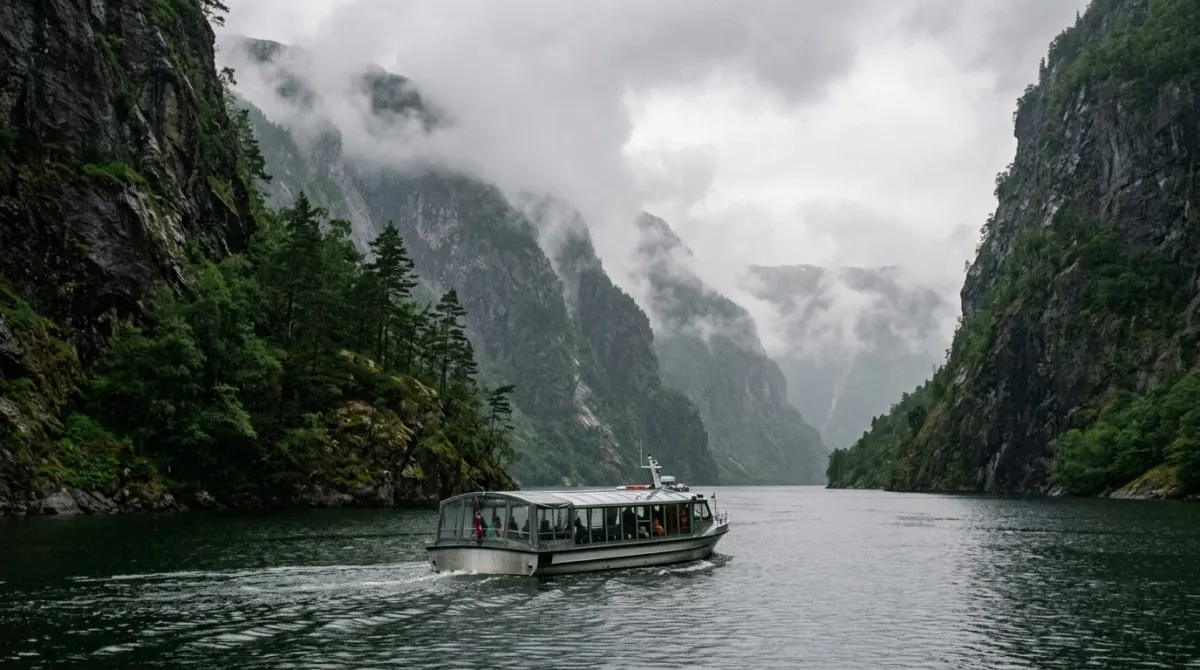
Fjord boats run in rain and are covered, and the cliffs look better in low cloud than in sunshine.
The funicular also runs, though the view may not be there. That is the one thing a second day protects.
Bergen as a base without a car
This is the practical argument for four nights rather than two.
From the bus station and harbour, day trips reach Flam and the Aurlandsfjord, the Hardangerfjord villages, Voss, and the Norway in a Nutshell loop. None of them need a car.
That makes Bergen the only Norwegian city from which the western fjords are genuinely accessible on public transport, and it is why some visitors base here for a week instead of moving between villages.
How Bergen compares with Oslo
They are not alternatives so much as two halves of a Norwegian trip.
Oslo is the bigger city with the museums, the sculpture park and the fjord islands in summer. It needs two or three days.
Bergen is smaller, wetter, prettier and closer to the fjords. It needs two.
The classic week does both with the railway between them, which is the version our Norway itinerary describes.
Fitting Bergen into a Norwegian trip
Almost every Norwegian itinerary passes through Bergen, and there are three common shapes.
End of the classic week: Oslo, the Bergen railway, the Sognefjord, then two nights in Bergen before flying home. This is the standard and it works.
Start of a fjord trip: fly into Bergen and work outwards by boat and bus, which removes the long rail day and suits shorter trips.
A stop on the coastal ferry, which starts in Bergen and works its way north to the Arctic over several days.
In all three, two nights is the usual allocation and three is the better one.
Bergen in one day, if that is all you have
Arrive, leave your bags, and do it in this order: Bryggen and the passages behind it first thing before the ships unload, the fish market for lunch, the funicular up Fløyen in the early afternoon, and the harbour in the evening light.
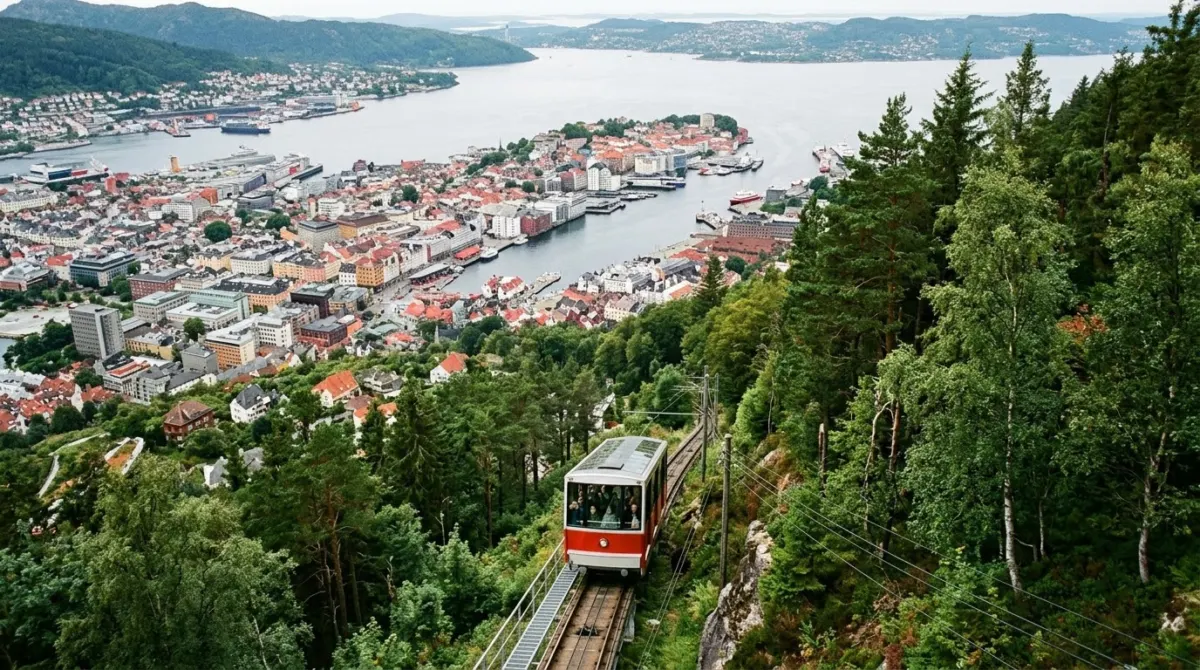
That is a complete day and it needs nothing booked. What it misses is a fjord trip and the museums, both of which need their own half days.
How long each thing takes
Useful durations, because Bergen’s sights are short and the decision is really about how many of them you want.
Bryggen and the passages behind it: an hour at a walk, two with the museums.
The fish market: half an hour, longer if you eat.
The Fløibanen funicular: ten minutes each way plus however long you walk at the top, so an hour to half a day.
KODE: two to four hours depending on how many of the four buildings you enter.
A short fjord cruise: three hours from the harbour.
The Ulriken to Fløyen ridge walk: four to five hours.
Two days holds the first four comfortably. The last two are what the third day is for.
Bergen with limited time between trains
A common situation, because the Bergen railway arrives in the afternoon and flights leave the next day.
With an afternoon and a morning: Bryggen and the funicular on the afternoon you arrive, the fish market and a museum the next morning. That covers the city at a reasonable pace and needs nothing booked.
What it misses is a fjord trip, which needs a clear half day of its own.
What to book, and what not to
Book: the fjord boats in summer, accommodation from June to August, and the Bergen railway if you are arriving on it.
Do not bother booking: the funicular, the museums or the fish market, none of which need it.
The one thing worth checking rather than booking is the cruise schedule. If three large ships are in port on your day, Bryggen will be shoulder to shoulder from mid-morning, and the sensible response is to do the funicular early and the museums at midday.
Bryggen, Bergenhus and the hikes above the city
Bergen’s sights divide into a compact historic core and the mountains directly behind it, which is why the number of days turns on whether you walk.
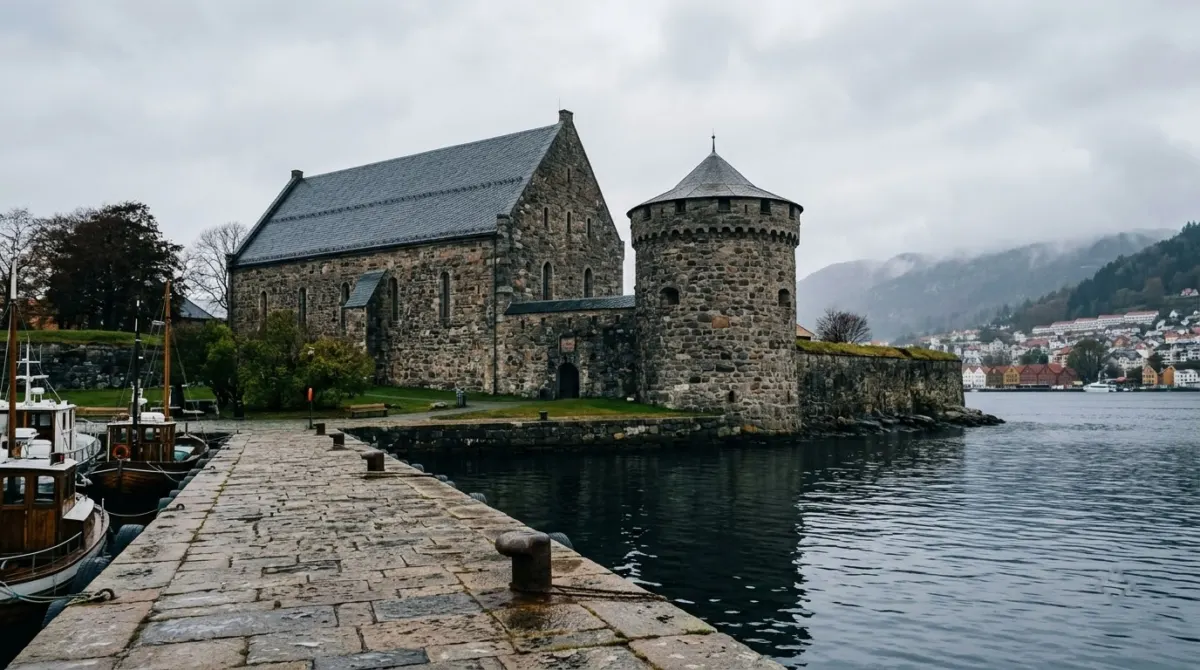
Bryggen, the row of leaning wooden trading houses on the harbour, is a UNESCO World Heritage site and the reason most people come. The front takes ten minutes; the alleys behind it, where the Hanseatic warehouses actually are, take an hour.
Bergenhus Fortress sits at the end of the same quay, with Håkonshallen and the Rosenkrantz Tower. Half an hour, and usually empty.
Mount Fløyen is the funicular hill: eight minutes up, a view over the whole harbour, and marked trails at the top. Walking down takes about forty-five minutes and is the better direction.
Mount Ulriken is the higher one, reached by cable car, with the ridge hike between the two summits taking four to five hours. That hike is the single thing that turns a two-day Bergen visit into a three-day one.
So: one day covers Bryggen, the fish market and Fløyen. Two days adds a museum and a fjord trip. Three days is for the Ulriken ridge or a longer day out, and is only worth it in settled weather — which in Bergen is the part nobody can plan around.
The short version
Two nights for Bergen itself, three with a fjord boat or the Ulriken to Fløyen ridge walk, four or more to use the city as a car-free base for the western fjords. One day works if you are passing through, and misses the evening when the cruise passengers have gone. The rain is the strongest argument for the extra night, because it is the only thing that gives you a second chance at the view.
Then pick from the things to do in Bergen.
Frequently asked questions
How many days do you need in Bergen?
Two for the city: Bryggen, the fish market, the funicular, a museum and an evening. Three if you want a fjord boat from the harbour or the Ulriken to Fløyen ridge walk.
Is one day enough for Bergen?
It covers Bryggen, the fish market and the funicular, which is what most people changing trains or arriving by ship actually do. What you miss is the evening, when the day crowds leave.
Can you do a fjord trip from Bergen?
Yes, and they are the easiest in Norway because they start in the city centre. Boats to the Mostraumen take about three hours, and longer trips run into the Hardangerfjord.
Is Bergen worth staying overnight?
Yes. Between ten and four in summer the old town is full of cruise passengers; in the evening it is quiet. The difference is large enough to justify the night.
Does the rain in Bergen ruin a short visit?
It can on one day, which is the best argument for two or three. Rain falls on more than half the days of the year, so an extra night is an extra chance at the view from Fløyen.
Can you use Bergen as a base for the fjords?
Yes, and without a car. Boats and buses from the harbour and bus station reach Flam, the Hardangerfjord and Voss, which makes four or five nights here a reasonable alternative to moving between villages.
Keep planning Norway
- Where to Stay in Tromso: Central, Because the Tours Leave From There
- Where to Stay in Bergen: Close to the Harbour, Because of the Rain
- Where to Stay in Oslo: Sentrum First, Then the Districts
- Best Hotels in Oslo: The Pricing Runs Backwards Here
- How Many Days in Norway? Seven for the Fjords, Ten for the Arctic
- How Many Days in Oslo? Two, and Three If You Like Museums
- 5 Day Norway Itinerary: One City and One Fjord
- 7 Day Norway Itinerary: Two Cities, One Railway, One Fjord
Written and checked by
Triplarks Editorial
An editorial desk, not an invented persona: research, drafting and fact-checking are done by the same small team. Every number here carries the date it was read.