Quick answer
Two days covers Bygdoy on one and the centre and the Vigeland park on the other. Three adds the Munch museum and Holmenkollen. Stay in Sentrum on a short visit so the ferry pier and the trams are both close.
On this page
- How many days in Oslo: what each length gets you
- What one day covers
- Two days, and the split that works
- What the third day adds
- Four and five days
- When fewer days are enough
- When you need more
- How to use the days you have
- Oslo in summer and in winter
- Oslo with children
- What makes Oslo take an extra day
- Oslo as a stop rather than a destination
- What to book in Oslo
- Oslo compared with the fjords
- Where to stay for each length
- How long each thing takes in Oslo
- What to leave out
- The short version
- Frequently asked questions
Two days for the city, three if you want the hills or the Munch museum properly, and four or more if you are using Oslo as a base before heading west to the fjords.
Some links below are affiliate links. We may earn a commission if you book through them, at no extra cost to you. We do not rank hotels, and any prices on the map come live from the booking sites.
Oslo takes slightly longer than its size suggests, because the main museums are on a peninsula and the best views are above the city rather than in it.
How many days in Oslo: what each length gets you
| Days | What fits | Who it suits |
|---|---|---|
| 1 | The waterfront and one museum cluster | A stopover |
| 2 | Bygdøy museums, Vigeland park, the harbour | Most first visits |
| 3 | Adds the Munch museum and Holmenkollen | A proper visit |
| 4–5 | Adds the fjord islands and the forest | Summer, or slow travel |
Where to sleep on this route
What one day covers
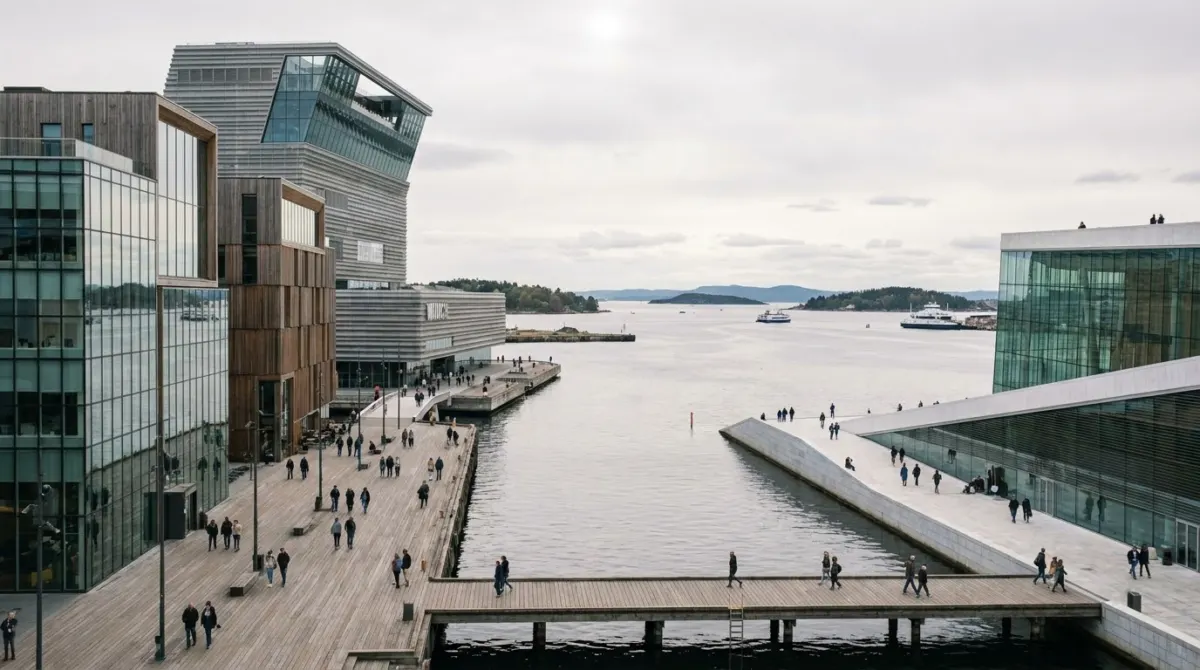
The opera house, whose sloping marble roof is a public space you walk up, the fortress above the harbour, and either the National Museum in the centre or the ferry to Bygdøy for one of the museums there.
That is a full day. It leaves out the second museum cluster entirely, and Oslo’s two clusters are twenty minutes apart by boat.
Map shows live availability and prices. We may earn a commission on bookings made through it, at no extra cost to you.
Two days, and the split that works
Day 1 — Bygdøy. The peninsula across the harbour holds the Viking Ship Museum, the Fram polar exploration ship, the Kon-Tiki raft and the open-air folk museum. The ferry from the city hall pier takes about ten minutes in summer.
Day 2 — the city. The Vigeland sculpture park, which is free, open at all hours and contains more than two hundred works by one sculptor; the National Museum; and the waterfront from the opera house to Aker Brygge.
Two days done this way covers what most people come for.
What the third day adds
Height and modern art.
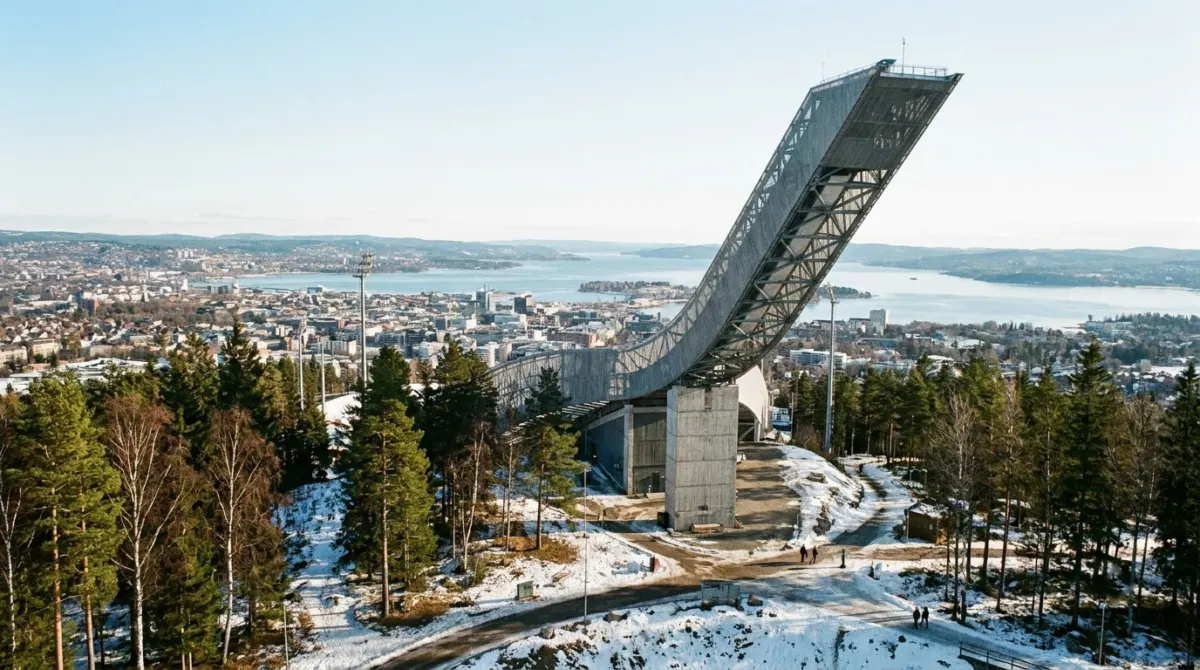
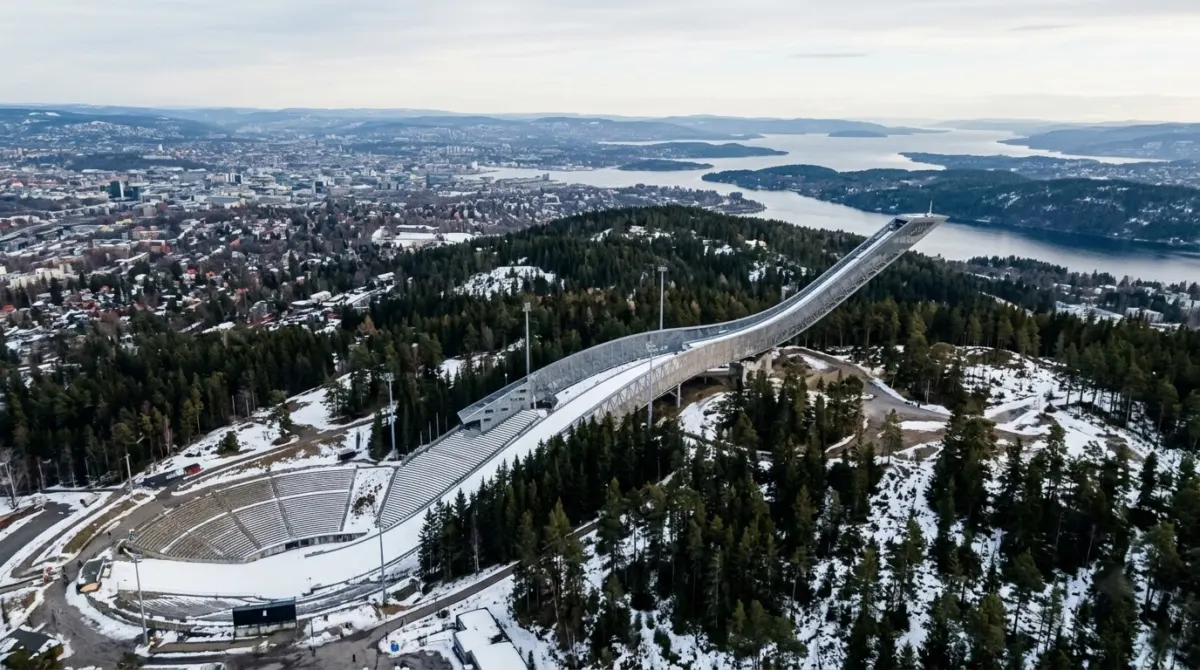
Holmenkollen, the ski jump above the city, is reachable on the T-bane and has a museum inside the structure and a view over the fjord from the top.
The Munch museum in Bjørvika holds the largest collection of his work anywhere, which needs two hours at minimum.
And a district — Grünerløkka for the afternoon and the evening.
Four and five days
In summer, this is where Oslo becomes a different city.
The fjord islands — Hovedøya, Gressholmen and the others — are twenty minutes by public ferry from the centre and are where Oslo swims and picnics.
The Nordmarka forest begins where the T-bane ends, with lakes, marked trails and cabins, and it is genuinely wild within half an hour of the opera house.
Neither is a tourist attraction, which is rather the point.
When fewer days are enough
If Oslo is the start of a fjord trip, two days is the normal allocation before taking the Bergen railway west. Our Norway itinerary uses exactly that.
In deep winter, daylight runs to about six hours in December, which shortens everything. The museums still work; the parks and the views do not.
When you need more
If you are here for museums. The National Museum, the Munch, the Viking ships, the Fram and the folk museum are five substantial collections, and that is three days of looking on its own.
In summer, if you want the water. The islands and the fjord are the best of Oslo in July and they need unhurried days.
Around the national day in mid-May, when the city is full and celebratory and worth an extra night.
How to use the days you have
Buy a transport ticket covering your stay; the ferries to Bygdøy and the islands are part of the same system in summer.
Check museum opening days, since several close one day a week.
Eat at least once from a supermarket or a food hall. Oslo restaurant prices are the highest in this guide’s coverage, and the food halls are good.
For districts, see where to stay in Oslo; for the booking side, best hotels in Oslo.
Oslo in summer and in winter
The number of days you need changes with the season more here than in most capitals.
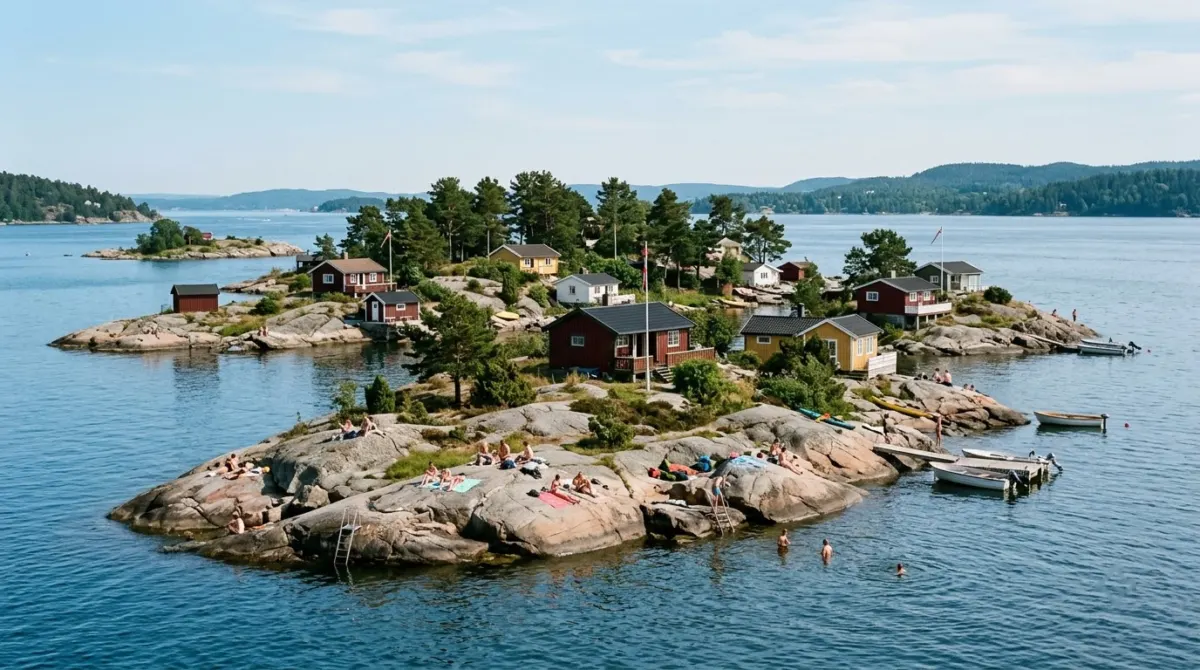
In June and July, daylight runs to nearly eleven at night, the fjord islands are twenty minutes away by public ferry, and the forest behind the city is open. Four or five days is easy to fill and the city is at its best.
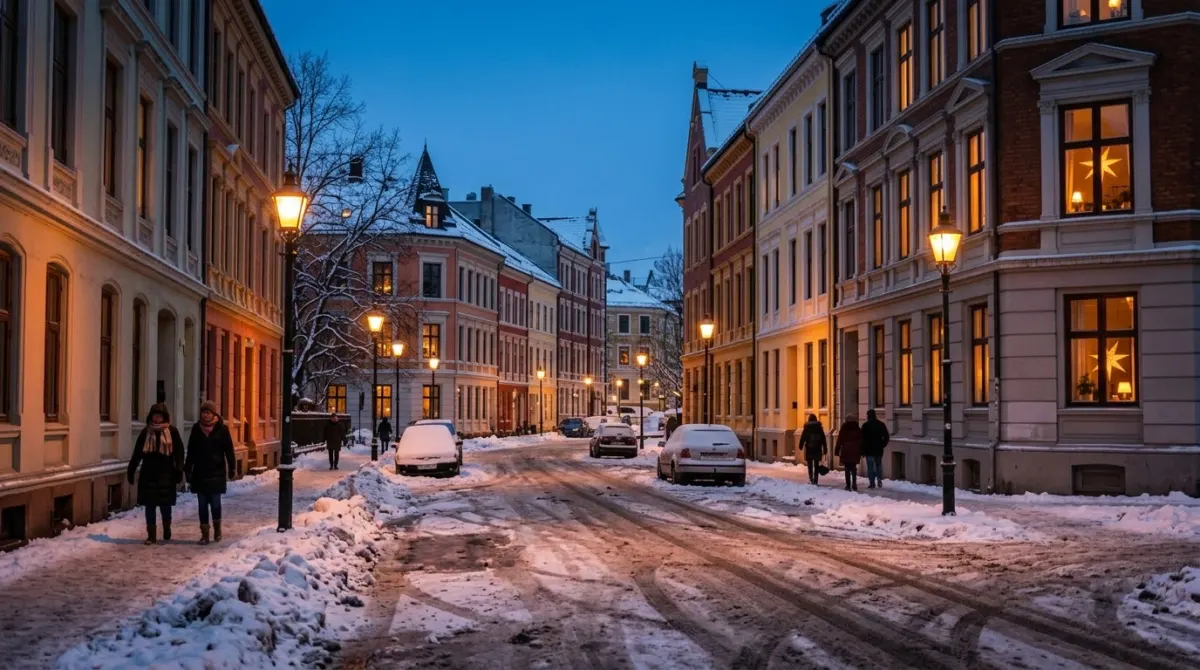
In December and January, it is dark by half past three. The museums still work, the Christmas market runs, and the parks, islands and viewpoints effectively disappear. Two days covers the indoor city.
Spring and autumn sit between the two, with everything open and the days manageable.
Oslo with children
Three days works well, with a different list.
The Viking Ship Museum and the Fram hold most children, because both are actual ships. The Vigeland park is free, outdoors and strange enough to be interesting. The fjord islands in summer are a ferry ride and a beach.
The Holmenkollen ski jump has a simulator and a view, and in winter the forest at the end of the metro line is a sledging hill.
What makes Oslo take an extra day
Three things.
Two museum clusters. The centre and Bygdøy are twenty minutes apart by boat, so you cannot combine them in a morning.
The height. Holmenkollen and the forest are half an hour out on the metro and need their own half day.
Summer water. The islands and the fjord are the best of the city in July and they are not a quick stop.
Oslo as a stop rather than a destination
Many visitors reach Oslo at the start of a fjord trip and wonder how much of it to see.
Two nights is the standard answer, and it is a good one: one day on Bygdøy, one in the centre, and an early train west on the third morning. The Bergen railway is a full day in itself and is better taken rested.
If your flight arrives late, count that evening as nothing and plan two full days after it.
What to book in Oslo
Very little, which is unusual for a European capital.
The museums rarely sell out, the Vigeland park is free and permanently open, and the ferries run on the transport ticket. The exceptions are a guided tour at Holmenkollen in high summer and anything at all during the national day week in mid-May.
What is worth buying in advance is a multi-day transport ticket, since you will use the trams, the metro and the ferries on the same pass.
Oslo compared with the fjords
A question worth answering directly, because it decides how the days are split.
Oslo is a capital with good museums and an unusually green setting. The fjords are the reason most people come to Norway.
On a seven-day trip, two nights in Oslo and the rest west is the right balance. On a ten-day trip, three nights in Oslo is reasonable. Giving Oslo four or five days only makes sense in summer, when the islands and the forest are part of the city.
Where to stay for each length
On two days, stay in Sentrum so the ferry pier and the trams are both close. On three or more, Grünerløkka or Frogner give you ordinary restaurants and a sense of the city.
Our where to stay in Oslo guide covers the districts, and best hotels in Oslo explains why the day of the week changes the price more than the address does.
How long each thing takes in Oslo
Durations rather than a list, because this is where two days versus three is decided.
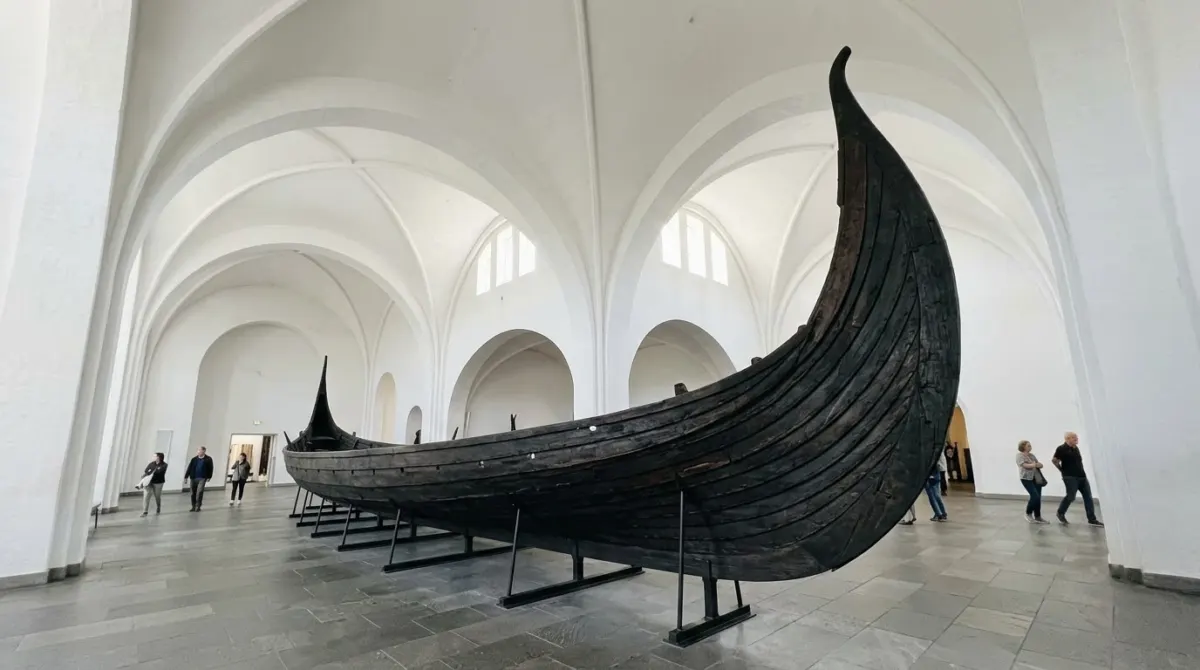
The Viking Ship Museum: an hour, and it is the single most striking thing in the city.
The Fram museum: an hour and a half, and you can walk through the ship.
The folk museum at Bygdøy: two hours outdoors.
The National Museum: two to three hours.
The Munch museum: two hours.
The Vigeland park: an hour, free, and open at all times.
Holmenkollen: half a day including the metro each way.
Two of the large items plus the park is a comfortable day, and the ferry between the clusters is twenty minutes each way.
What to leave out
Two things that take a day each and are not worth it on a short visit.
A fjord day trip from Oslo. The Oslofjord is pleasant and it is not the western fjords, which are five hours away. If the fjords are why you came to Norway, go west rather than taking a boat from the capital.
Attempting both museum clusters in one day. Bygdøy and the centre are twenty minutes apart by boat, and rushing between them means seeing neither properly.
The short version
Two days covers Bygdøy on one and the centre and the Vigeland park on the other. Three adds the Munch museum and Holmenkollen. Four or five in summer, when the fjord islands and the forest turn Oslo into a different city. Add a day in deep winter for the lost daylight, buy a transport ticket that includes the ferries, and keep two nights as the standard allocation if you are heading west to the fjords afterwards.
Then pick from the things to do in Oslo.
Frequently asked questions
How many days do you need in Oslo?
Two for the Bygdøy museums, the Vigeland park and the waterfront. Three if you want the Munch museum and Holmenkollen as well. Four or five in summer, when the fjord islands and the forest are the best of the city.
Is one day enough for Oslo?
It covers the waterfront and one museum cluster. Oslo's two clusters — the centre and the Bygdøy peninsula — are twenty minutes apart by ferry, so one day means choosing between them.
What is on Bygdøy?
The Viking Ship Museum, the Fram polar ship, the Kon-Tiki raft and the open-air folk museum, all on one peninsula about ten minutes by ferry from the city hall pier in summer.
Is Oslo worth three days?
Yes, if the third adds height and modern art — Holmenkollen on the metro and the Munch museum on the waterfront — plus an afternoon in Grünerløkka.
Do you need more days in Oslo in winter?
Daylight runs to about six hours in December, which removes the parks, the islands and the views while leaving the museums. Plan one more day for the same list, or accept an indoor trip.
How many days in Oslo before going to the fjords?
Two is the standard allocation. The Bergen railway west is a full day in itself and is better taken rested, so two nights in Oslo and an early train is the usual shape.
Keep planning Norway
- Where to Stay in Tromso: Central, Because the Tours Leave From There
- Where to Stay in Bergen: Close to the Harbour, Because of the Rain
- Where to Stay in Oslo: Sentrum First, Then the Districts
- Best Hotels in Oslo: The Pricing Runs Backwards Here
- How Many Days in Norway? Seven for the Fjords, Ten for the Arctic
- How Many Days in Bergen? Two, and the Rain Is the Reason
- 5 Day Norway Itinerary: One City and One Fjord
- 7 Day Norway Itinerary: Two Cities, One Railway, One Fjord
Written and checked by
Triplarks Editorial
An editorial desk, not an invented persona: research, drafting and fact-checking are done by the same small team. Every number here carries the date it was read.