Quick answer
Two nights for the city, three if you want Hallstatt or Berchtesgaden, four or five to take the Salzkammergut lakes properly. Stay the night rather than day-tripping — the old town after five, once the coaches leave, is the version worth seeing.
On this page
- How many days in Salzburg: what each length gets you
- What one day covers
- Two days, and what you add
- The third day: lakes or mountains
- Four and five days: Salzburg as a base
- When you need more days
- When fewer days are enough
- How to use the days you have
- Salzburg as a day trip, honestly
- The Salzkammergut, and how long it needs
- Getting around without a car
- Salzburg in winter
- Salzburg with children, and how long they last
- What to do with a second evening
- Where this fits in a longer trip
- The short version
- Frequently asked questions
Two nights for the city, three if you want the lakes or the mountains, and four or more if you intend to use Salzburg as a base for the Salzkammergut — which is one of the better ways to spend a week in Austria.
Some links below are affiliate links. We may earn a commission if you book through them, at no extra cost to you. We do not rank hotels, and any prices on the map come live from the booking sites.
Salzburg itself is small. The old town is a twenty-minute walk end to end, and the fortress above it is the only climb. If you are combining Salzburg with Vienna or Munich, see how many days in Vienna and where to stay in Munich.
How many days in Salzburg: what each length gets you
| Days | What fits | Who it suits |
|---|---|---|
| 1 | Altstadt, the fortress, Mirabell | A day trip from Munich or Vienna |
| 2 | The above without rushing, plus Hellbrunn | Most city visits |
| 3 | Adds Hallstatt and the lakes, or Berchtesgaden | A first proper visit |
| 4–5 | The Salzkammergut properly | Using Salzburg as a base |
| 6+ | Walking, or the Festival | Summer, or music |
Where to sleep on this route
What one day covers
Salzburg is a common day trip — an hour and a half from Munich, two and a half from Vienna — and it survives the treatment because the centre is tiny.
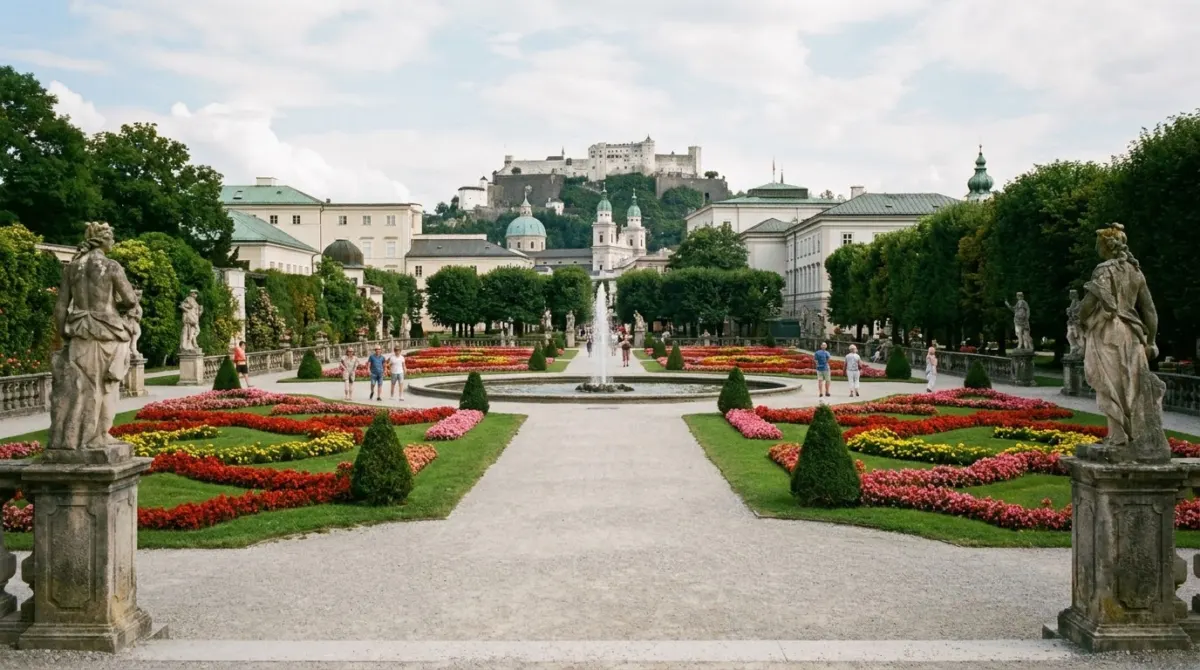
From the station: walk to the Mirabell gardens, cross the footbridge into the Altstadt, take Getreidegasse and the cathedral square, and go up to the Hohensalzburg fortress by funicular for the view over the city to the Alps.
That is a full and satisfying day. What it leaves out is Hellbrunn, the lakes and any sense of the place in the evening, which is when the day visitors leave and the old town becomes pleasant.
Two days, and what you add
The second day is where Salzburg stops being a list.
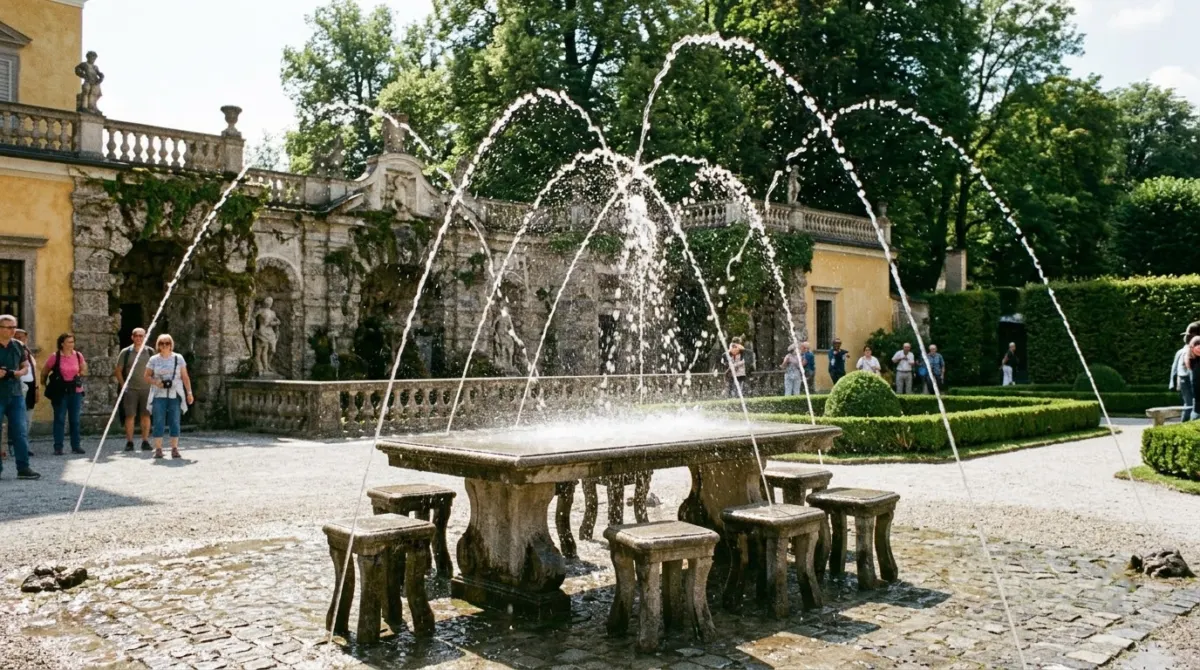
Hellbrunn Palace, fifteen minutes south, has the trick fountains — a seventeenth-century water garden built to soak the archbishop’s guests, and still working.
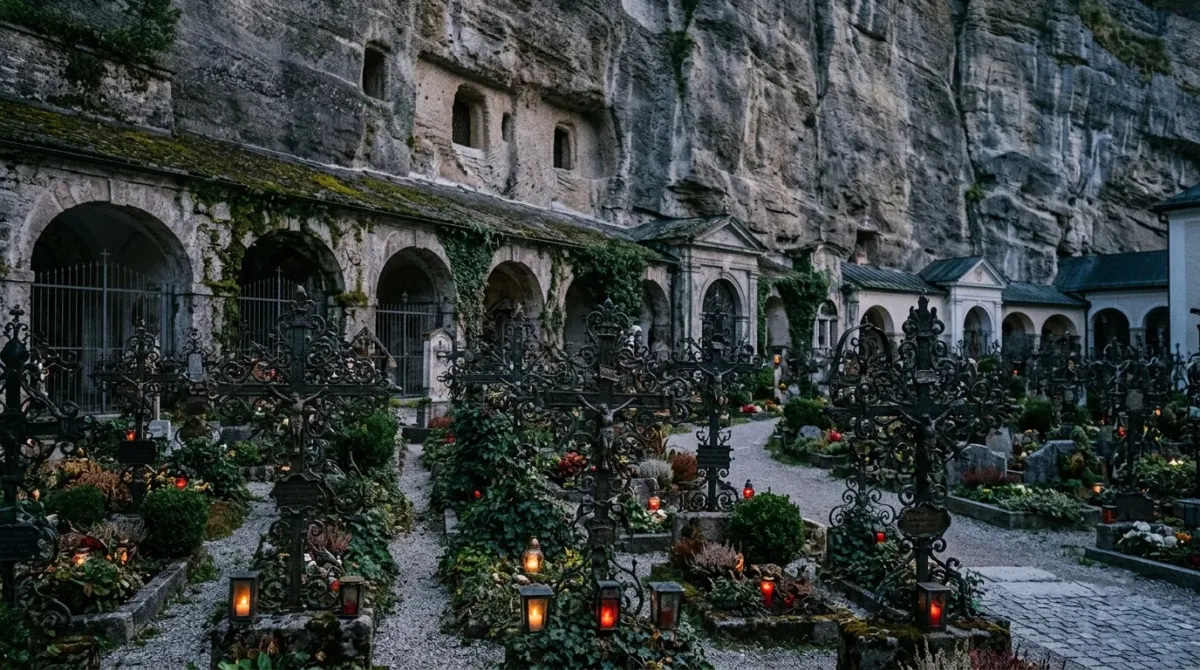
Add the Mozart residence on the Neustadt side, the abbey cemetery of St Peter cut into the cliff, and an evening in the old town after the coaches have gone.
Two days is the right length for the city on its own.
Map shows live availability and prices. We may earn a commission on bookings made through it, at no extra cost to you.
The third day: lakes or mountains
Two options, both full days and both reachable without a car.
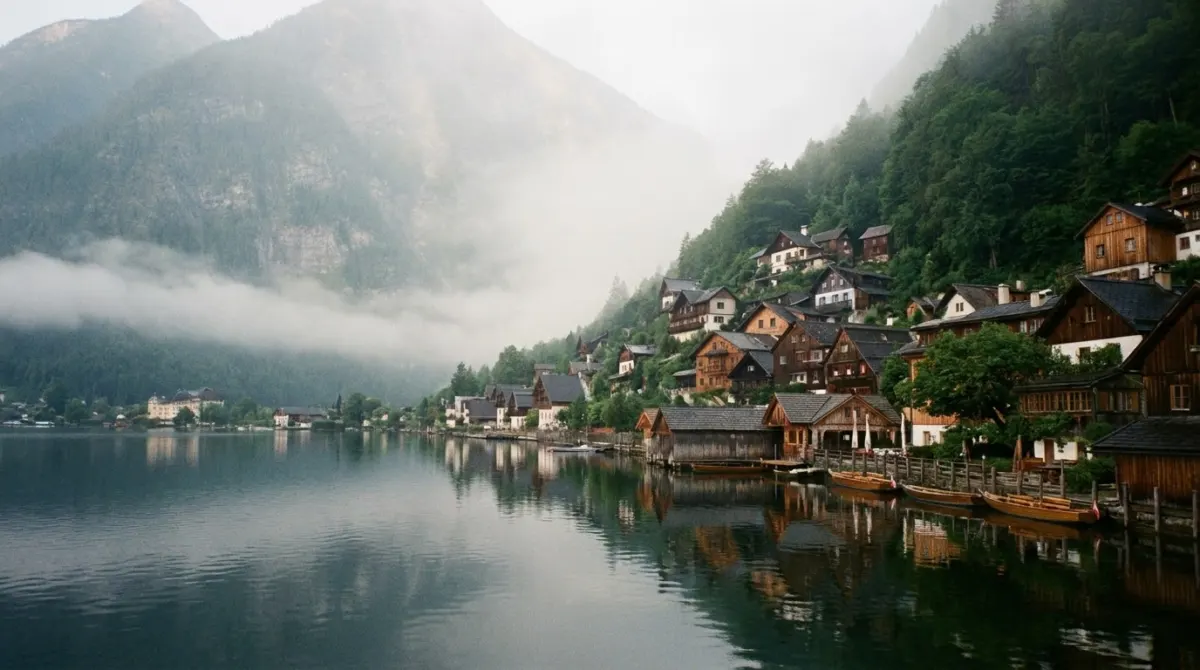
The Salzkammergut. The lake district begins half an hour east. Hallstatt — a village wedged between a lake and a cliff — is about an hour and a half by bus and train and is extremely busy in the middle of the day. St Gilgen, Mondsee and the Wolfgangsee are closer, quieter and arguably better.
Berchtesgaden, across the German border and about forty minutes by bus, for the Königssee — a fjord-like lake reached by electric boat — and the Eagle’s Nest, which opens seasonally.
Four and five days: Salzburg as a base
This is the length most people skip and the one that suits the region best.
With four or five nights you can take the lakes slowly: a day on the Wolfgangsee with the cog railway up the Schafberg, a day at Hallstatt arriving early, a day in Berchtesgaden, and a day on the Untersberg cable car above the city.
Trains and buses cover all of it, though a car makes the lake villages easier.
When you need more days
During the Festival, from late July into late August, if performances are why you came. Add days rather than cutting them, and book accommodation months ahead.
If you are walking. The Salzkammergut has serious hiking, and a walking trip needs a base in the lakes rather than in the city.
In winter for the markets, which run from late November and are an evening activity, so they add rather than replace.
When fewer days are enough
On a Munich or Vienna trip, Salzburg works genuinely well as a single long day, and the train makes it easy.
If Mozart and the Sound of Music are not the draw, the city’s specific attractions are thinner than its reputation, and a day plus an evening covers them.
How to use the days you have
Stay the night if you possibly can. The difference between Salzburg at two in the afternoon and Salzburg at eight in the evening is the difference between a theme park and a city.
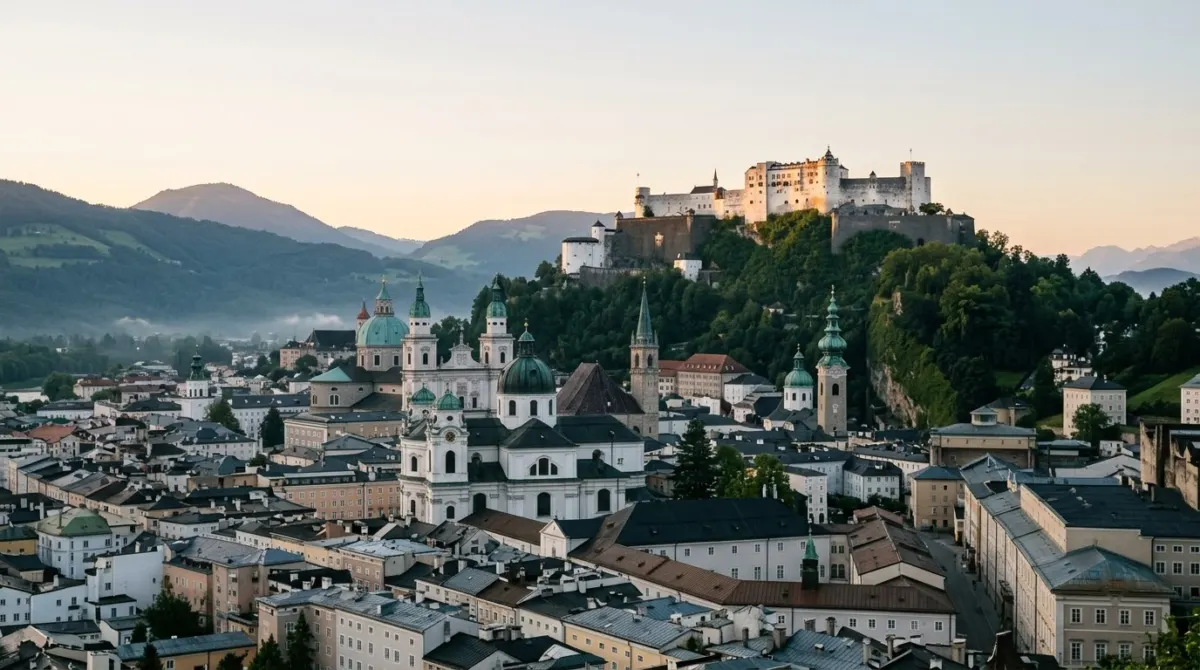
Go up the fortress early or late, for the light and for the queue.
Reach Hallstatt before ten or after four. In between it is overwhelmed.
Check the Festival dates before booking anything in summer.
For districts and prices, see where to stay in Salzburg.
Salzburg as a day trip, honestly
A large share of visitors see Salzburg between trains from Munich or Vienna, and the city takes it better than most.
The old town is a twenty-minute walk end to end, the station is fifteen minutes from the river, and the fortress funicular leaves from the centre. Five hours covers the Mirabell gardens, Getreidegasse, the cathedral square and the fortress.
What you lose is the evening, and that is the real loss: the day coaches leave around five and the Altstadt becomes an entirely different place, quiet and lit and worth sitting in.
If you can turn the day trip into one night, do.
The Salzkammergut, and how long it needs
The lake district east of Salzburg is the reason to give the region four or five days rather than two.
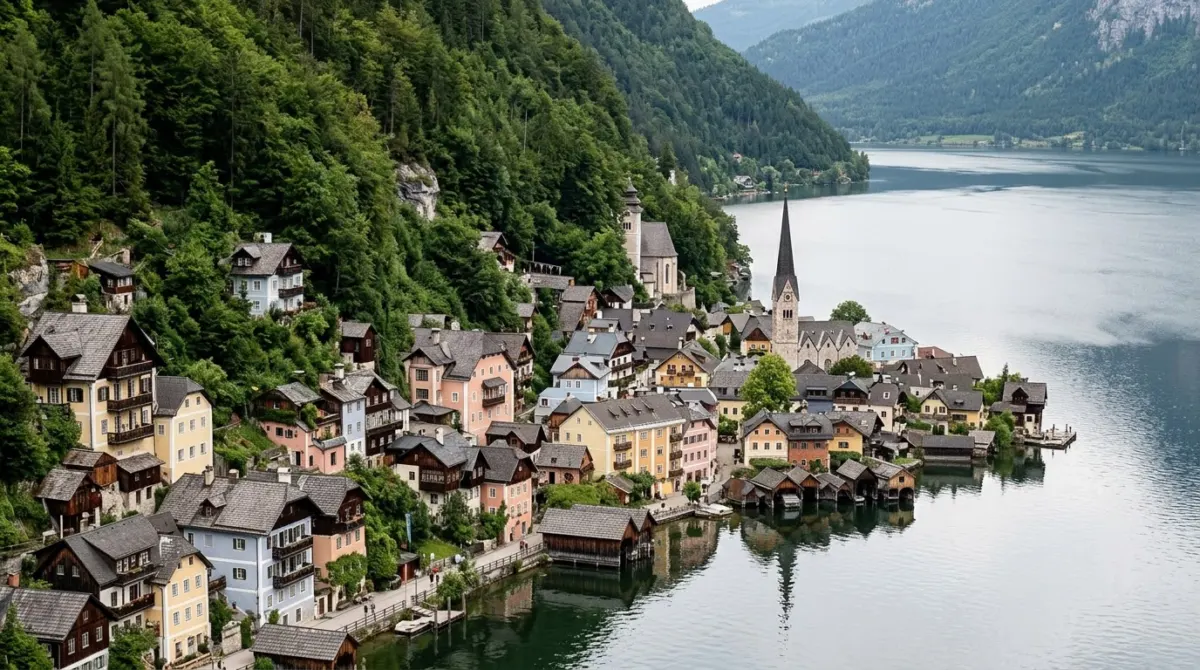
Hallstatt is the famous one and the busiest: a village squeezed between a lake and a cliff, about an hour and a half away, and overwhelmed between ten and four.
St Wolfgang has the cog railway up the Schafberg, which is the best mountain view in the area without a serious walk.
St Gilgen and Mondsee are the closest villages and the easiest half days.
Bad Ischl was the imperial summer residence and is the practical centre of the region.
Each is a day if you take it slowly. Three days in the lakes is not too many.
Getting around without a car
Better than you would expect for a mountain region.
Buses and trains reach Hallstatt, Bad Ischl, St Gilgen, Mondsee and Berchtesgaden from Salzburg, and the Postbus network covers the lake villages. Journeys take longer than driving and they run to a timetable you can plan around.
A car makes the lakes considerably easier and is unnecessary for the city, where parking is expensive and the centre is pedestrianised. The sensible pattern is no car for the city days and a hire car for the lake days, if you want one at all.
Salzburg in winter
From late November the Christmas markets fill the cathedral square and the Mirabell gardens, and they are among the oldest in Europe. They are evening affairs, which suits the short daylight.
The city in snow is better than in summer by most measures: fewer visitors, the fortress above a white old town, and the coffee houses doing the work the gardens do in July.
What closes is some of the lake infrastructure — boats and cog railways run seasonally — so a winter trip is a city trip with Berchtesgaden attached rather than a lakes one.
Salzburg with children, and how long they last
The city holds children for about a day and a half, which is worth knowing before booking three nights.
What works: the fortress funicular, the trick fountains at Hellbrunn, and the Untersberg cable car. What does not: the Mozart houses, which are small rooms with display cases.
If you have three days with a family, the third is better spent at the Koenigssee near Berchtesgaden, on an electric boat, or at a lake with a swimming area in summer.
What to do with a second evening
Salzburg’s evenings are the argument for staying, and there are three good uses for them.
A concert. Beyond the Festival there are chamber concerts most evenings in the fortress, the Residenz and the Mozarteum, at a fraction of Festival prices.
The old town after five. The day coaches leave, the streets empty, and the courtyards and the abbey cemetery become genuinely quiet.
A beer garden. Salzburg has one of the oldest brewery taverns in the world, and its terraces under chestnut trees are the local answer to a summer evening.
None of these exist on a day trip, which is the whole case for the second night.
Where this fits in a longer trip
Salzburg is a natural middle stop: an hour and a half from Munich, two and a half from Vienna, two from Innsbruck.
On a ten-day Austria route it takes two or three nights between Vienna and the Tyrol. On a Bavaria route it is the day out that crosses a border. And on a Salzkammergut trip it is the arrival point rather than the destination.
Our where to stay in Salzburg guide covers the practical side of each.
The short version
Two nights for the city, three with Hallstatt or Berchtesgaden, four or five to take the Salzkammergut properly. One day works as a trip from Munich or Vienna and misses the evening, which is the best part. Reach Hallstatt before ten or after four, check the Festival dates before booking in summer, and stay the night if you possibly can.
Then fill the days with our list of things to do in Salzburg.
Frequently asked questions
How many days do you need in Salzburg?
Two for the city itself, three if you want the lakes or Berchtesgaden, and four or five if you are using it as a base for the Salzkammergut. The old town is small enough to walk end to end in twenty minutes.
Is one day enough for Salzburg?
As a day trip from Munich or Vienna, yes — the Mirabell gardens, the Altstadt, Getreidegasse and the fortress fit comfortably. What you miss is the evening, when the day visitors leave and the old town becomes pleasant.
Is Hallstatt worth a day trip from Salzburg?
It is about an hour and a half each way by bus and train, and it is extremely busy between ten and four. Go early or late, or choose St Gilgen or Mondsee instead, which are closer and quieter.
Can you visit Berchtesgaden from Salzburg?
Yes, about forty minutes by bus across the German border, for the Königssee and its electric boats. The Eagle's Nest opens seasonally, so check before planning a day around it.
Do you need more days in Salzburg during the Festival?
If the performances are why you came, yes. The Festival runs for five or six weeks from late July, fills the city and raises prices sharply, so book months ahead and give yourself the evenings.
Is Salzburg better as a day trip or an overnight?
An overnight, clearly. The city empties in the evening when the coaches leave, and the old town after dark is the version worth seeing.
Keep planning Austria
- Where to Stay in Salzburg: Five Minutes Either Side of the River
- Where to Stay in Vienna: Just Outside the Ring
- How Many Days for Prague, Vienna and Budapest? Ten, Split 3-4-3
- How Many Days in Vienna? Four, Because the Palaces Are Half Days
- Austria and Switzerland Itinerary: Cities First, Mountains Last
- Vienna 2 Day Itinerary: Pick Two of the Four Big Things
- Prague, Vienna, Budapest: Ten Days, Two Trains, Three Currencies
- Three Day Vienna Itinerary: One Large Thing a Day
Written and checked by
Triplarks Editorial
An editorial desk, not an invented persona: research, drafting and fact-checking are done by the same small team. Every number here carries the date it was read.