Quick answer
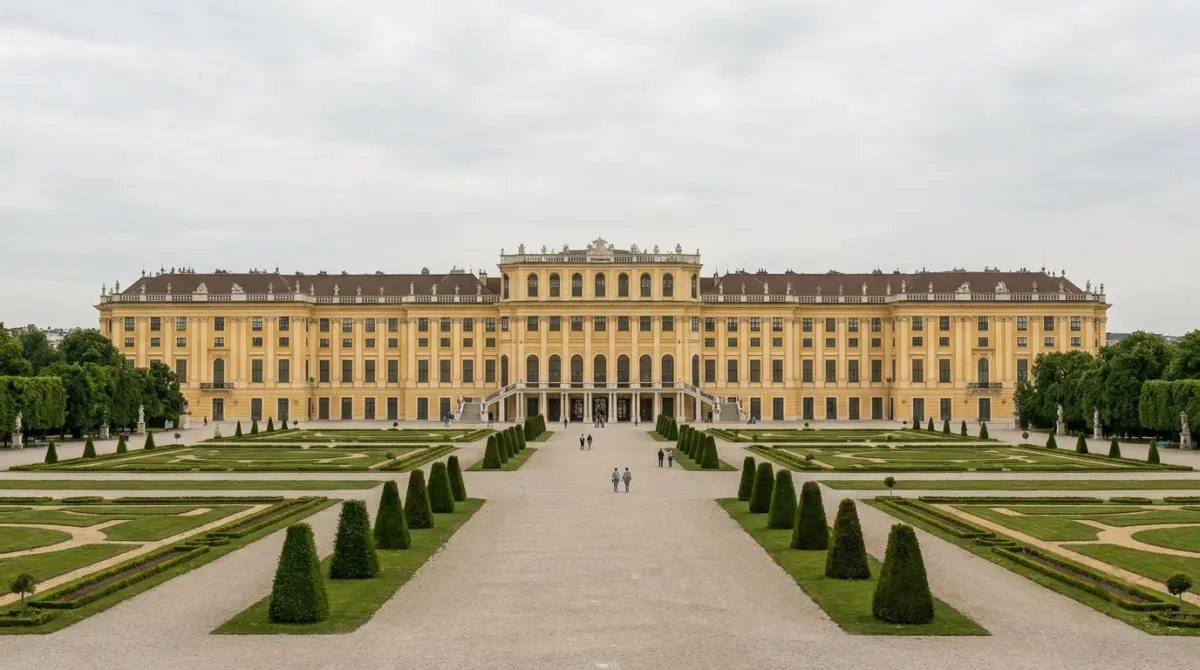
Four days, because Schonbrunn, the Hofburg, the Kunsthistorisches and the Belvedere are each a half day. Stay just outside the Ring so the walking days are short, and book Schonbrunn with a timed slot to skip the longest queue in the city.
On this page
- How many days in Vienna: what each length gets you
- Why the big sights take half days
- What one day covers
- Two and three days
- The fourth day
- Five days and beyond: Vienna as a base
- When you need more days
- When fewer days are enough
- How to use the days you have
- A four day plan, in order
- Vienna in a central European trip
- How the season changes the answer
- Vienna with children
- What to book in advance
- Where the time actually goes
- Vienna in one or two days
- Travel tips that decide how many days you need
- The short version
- Frequently asked questions
Four days. Three if Vienna is one stop on a central European trip, five or more if you want the Wachau valley, Bratislava or the Vienna Woods as well — all of which are easy from here.
Some links below are affiliate links. We may earn a commission if you book through them, at no extra cost to you. We do not rank hotels, and any prices on the map come live from the booking sites.
Vienna takes longer than its compact centre suggests, for one reason: the palaces and museums are genuinely large, and each of them is a half day rather than an hour. For an onward leg to Munich, see where to stay in Munich and our 3-day Munich itinerary.
How many days in Vienna: what each length gets you
| Days | What fits | Who it suits |
|---|---|---|
| 1 | The Innere Stadt and one museum | A stopover |
| 2 | The above plus Schönbrunn | One stop on a longer trip |
| 3 | Adds a second museum and the Belvedere | A city break |
| 4 | Adds a district, a market and a concert | Most first visits |
| 5–6 | Adds the Wachau, Bratislava or the Woods | Using Vienna as a base |
Where to sleep on this route
Why the big sights take half days
This is the thing that catches people out.
Schönbrunn, the summer palace, has over a thousand rooms, formal gardens running up a hill to the Gloriette, a maze and the world’s oldest zoo. Half a day minimum, and a full one if you walk the park.
The Hofburg in the centre is not one building but a complex: the imperial apartments, the Sisi museum, the silver collection, the treasury with the crown jewels, the Spanish Riding School and the national library. Half a day for a selection.
The Kunsthistorisches Museum holds the Habsburg collection — Bruegel, Vermeer, Raphael — in a building that is itself a sight. Three hours minimum.
The Belvedere is two palaces and a garden, with Klimt’s The Kiss in the upper one. Two to three hours.
Four sights, two days. That is why Vienna needs four.
What one day covers
The Innere Stadt on foot: St Stephen’s Cathedral, the Graben and Kohlmarkt, the Hofburg from outside, and a coffee house. Then one of the Kunsthistorisches or the Belvedere.
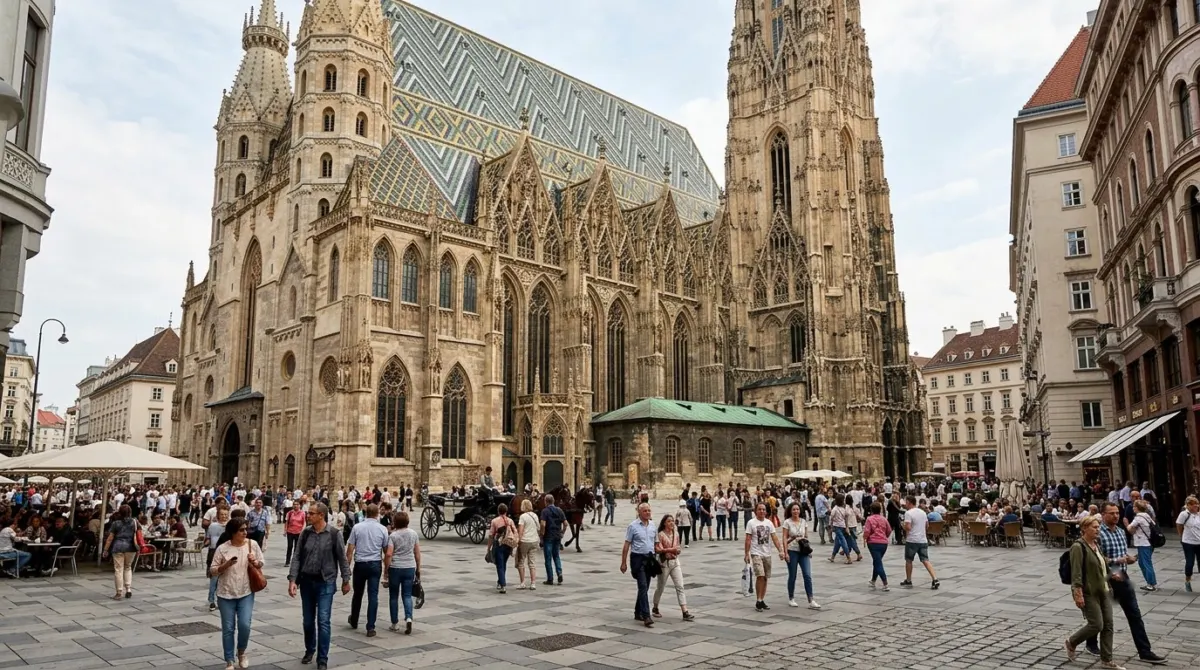
That is a full day and it leaves out Schönbrunn, the second museum and every district beyond the Ring.
Two and three days
Two days adds Schönbrunn, which is a half day in itself, plus the rest of the centre.
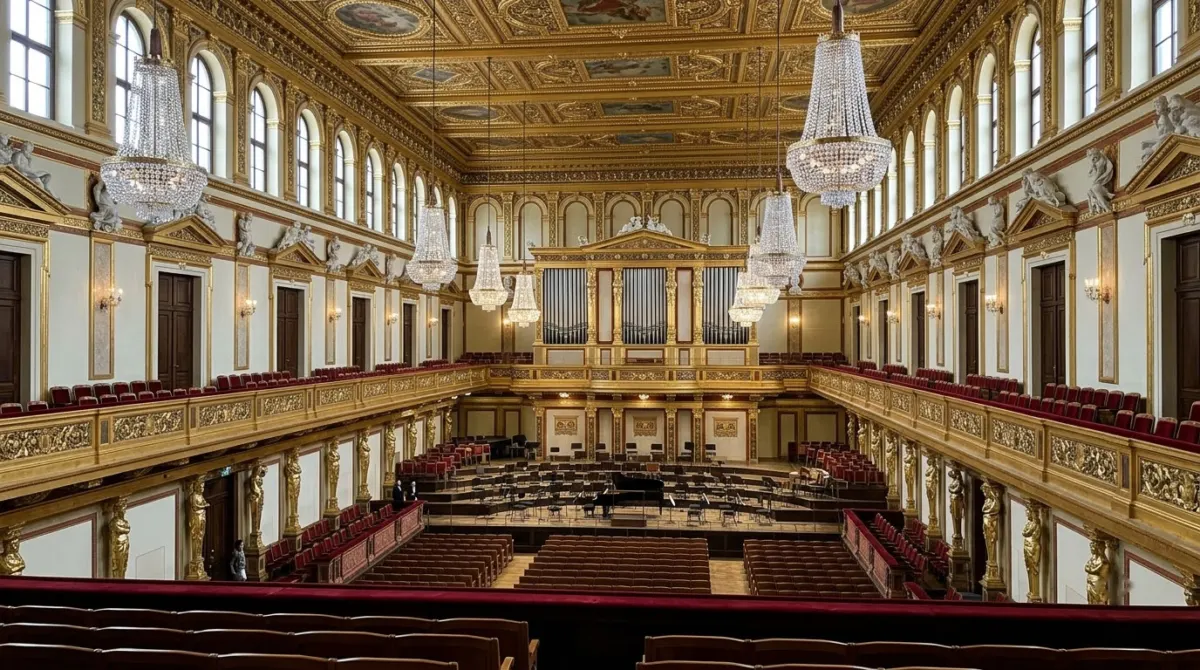
Three days adds a second museum and either the Belvedere or the Hofburg interiors, plus an evening with music — which in Vienna is not a tourist add-on but the reason a lot of people come.
Three days is a comfortable city break. Four is where it stops feeling like a list.
The fourth day
Spend it outside the Ring, which is where Vienna lives.
The Naschmarkt for lunch, the MuseumsQuartier courtyards, the shops and cafes of Neubau, and the Prater in the afternoon.
Or the city’s other side: the Zentralfriedhof, where Beethoven, Brahms and Schubert are buried, and the Hundertwasserhaus.
In summer, add the Danube island, which is a long strip of beaches and bars in the middle of the river.
Five days and beyond: Vienna as a base
Three day trips are genuinely worth a day each.
The Wachau valley, about an hour by train, is a stretch of the Danube between Melk and Krems with terraced vineyards, apricot orchards and the enormous baroque abbey at Melk. Boats run between the villages.
Bratislava is an hour by train or boat — the closest two capitals in Europe — and gives you a different country for the day.
The Vienna Woods and Baden, half an hour south, for spa towns and walking.
None of these need a car, and all of them are cheaper than Vienna.
When you need more days
If you are here for music. Vienna has a concert almost every night across several major halls, and the opera runs a long season. Two evenings is a reasonable minimum if this is why you came.
At Christmas. The markets run across the city from mid-November and are an evening activity rather than a daytime one, so they add rather than replace.
If the Habsburgs interest you. The Hofburg, Schönbrunn, the Kaisergruft and the Hofburg treasury are a two-day subject on their own.
When fewer days are enough
On a central European route. Vienna sits between Prague, Budapest and Munich, all under five hours by train, and two days is a fair share on a trip taking in three or four capitals.
If palaces are not your thing. Skip Schönbrunn and the Hofburg interiors and Vienna becomes a two-day city of coffee houses, markets and one great museum.
How to use the days you have
Buy a transport pass for the length of your stay rather than single tickets.
Book Schönbrunn with a timed slot, which avoids the longest queue in the city.
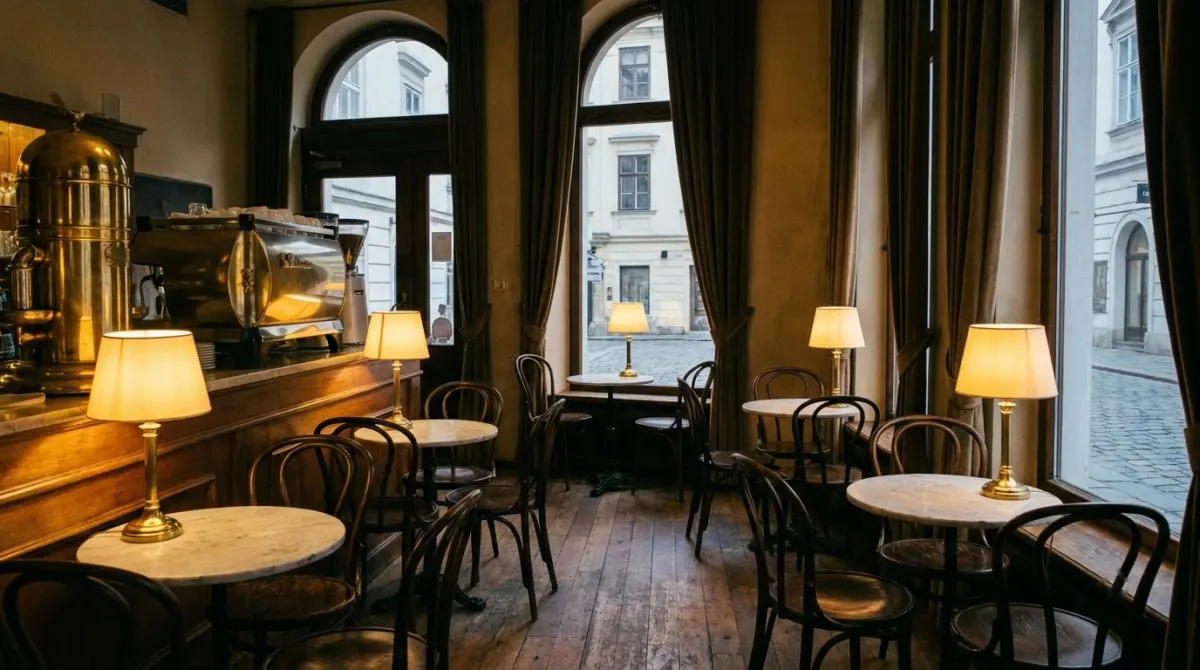
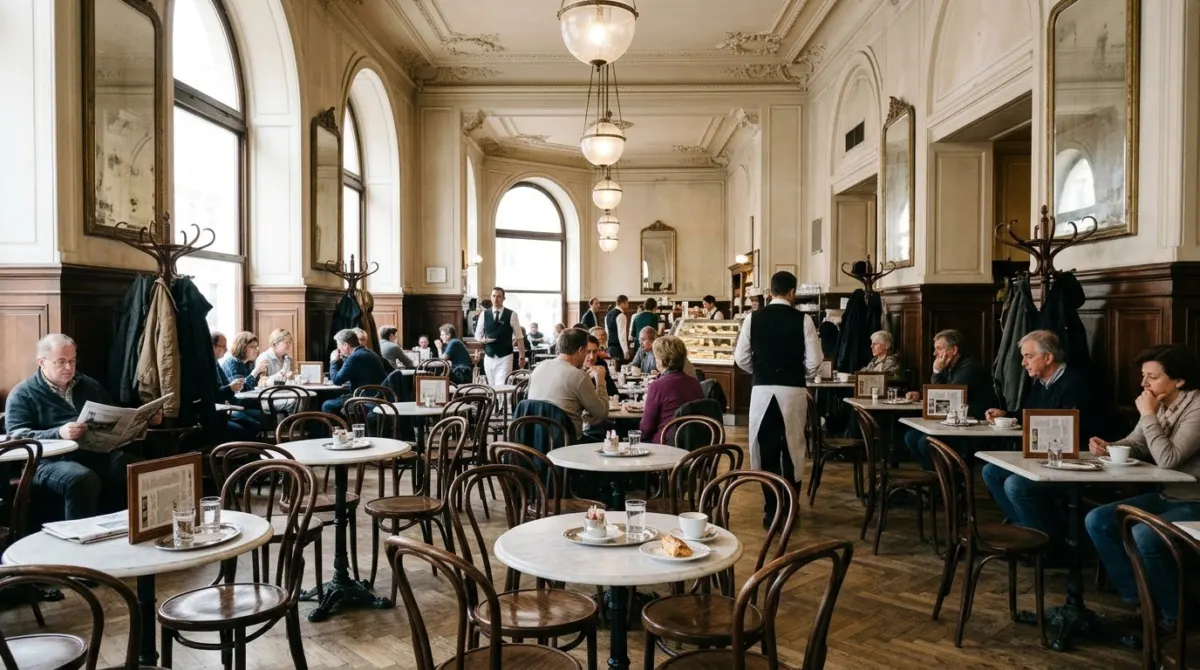
Treat a coffee house as an activity, not a stop. Sitting for two hours with a newspaper is the correct way to use one, and nobody will hurry you.
For districts, see where to stay in Vienna.
Map shows live availability and prices. We may earn a commission on bookings made through it, at no extra cost to you.
A four day plan, in order
Day 1 — the Innere Stadt. St Stephen’s Cathedral, the Graben and Kohlmarkt, the Hofburg courtyards, and the Kaisergruft where the Habsburgs are buried. Coffee house in the afternoon.
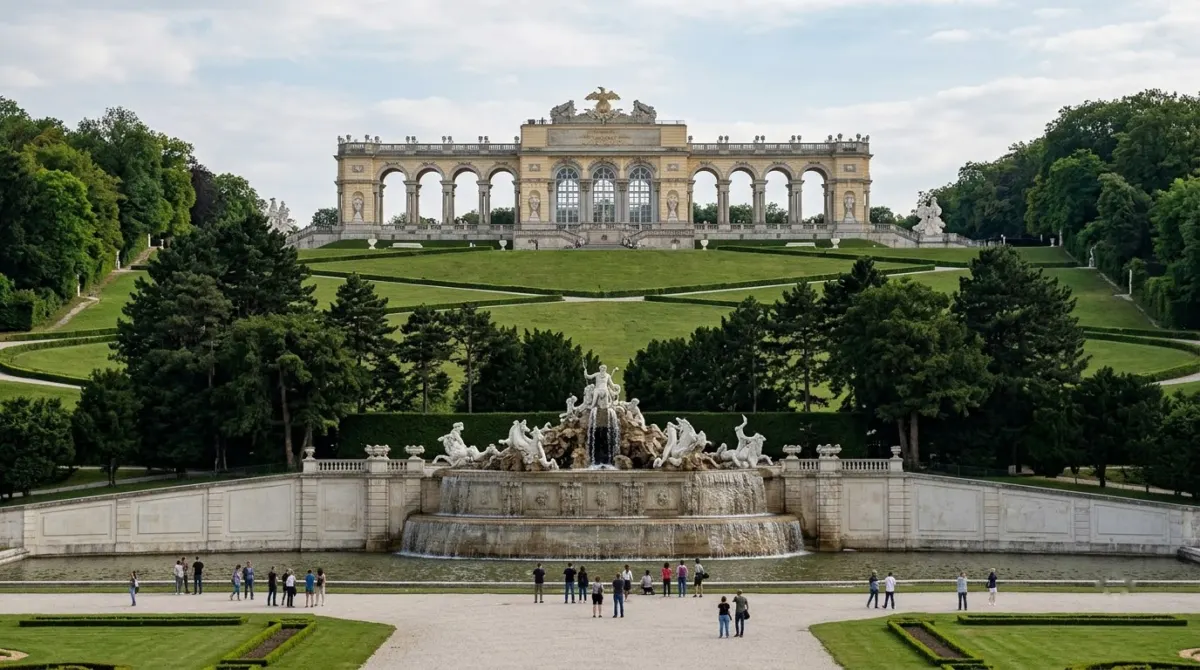
Day 2 — Schönbrunn. A timed slot in the morning, the gardens and the Gloriette afterwards, and the zoo if you have children. Back to the city for the evening.
Day 3 — the art. The Kunsthistorisches Museum in the morning and the Belvedere in the afternoon, or one of them slowly with the MuseumsQuartier in between.
Day 4 — outside the Ring. The Naschmarkt, Neubau, the Prater, and a concert in the evening.
That is four days with one large thing each, which is the right pace for this city.
Vienna in a central European trip
The city sits in the middle of an unusually convenient rail network, which explains why so many visits are two or three days.
Bratislava is an hour, Budapest about two and a half, Prague four, Munich four and Venice around seven on a direct train.
On a two-week central European route taking in three or four capitals, three days in Vienna is a fair share. If Vienna is the whole trip, four or five is better, and five lets you take the Wachau valley or Bratislava as day trips.
How the season changes the answer
Summer is long, light and hot, and air conditioning is less common in Viennese buildings than the July temperatures justify. The opera season is over, which matters if music is why you came.
Autumn is the best balance: mild, quiet, and the concert season starting.
Mid-November to Christmas is the markets, which are an evening activity and therefore add to a trip rather than replacing daytime sights. Add a day.
January and February are cold and cheap, with the ball season and the museums at their emptiest.
Vienna with children
Three days is enough, with a different list.
The Prater with its old funfair and the Riesenrad, the zoo at Schönbrunn — the oldest in the world — the Natural History Museum opposite the Kunsthistorisches, and the Haus des Meeres aquarium in a converted flak tower.
The imperial apartments and the picture galleries are the parts to shorten rather than skip.
What to book in advance
- Schönbrunn with a timed slot, which avoids the longest queue in Vienna.
- Concert or opera tickets, if music is part of the plan. Standing places at the opera are sold cheaply on the day and involve queueing.
- The Spanish Riding School, if you want a performance rather than a morning training session.
- Accommodation, if your dates fall in the Christmas market weeks.
The museums generally do not require advance booking outside peak periods.
Where the time actually goes
Useful durations, because Vienna’s sights are larger than they look.
Schönbrunn palace: two hours inside, two more for the gardens and the Gloriette.
The Hofburg: two to three hours for the imperial apartments, the Sisi museum and the silver collection together.
The Kunsthistorisches: three hours minimum.
The Belvedere: two to three hours for both palaces and the garden.
St Stephen’s Cathedral: an hour, more with the towers or the catacombs.
A coffee house: as long as you want, and that is the point.
One large item plus one small one is a comfortable Viennese day. Two large ones is possible and tiring.
Vienna in one or two days
If Vienna is a stop rather than a destination, the order matters more than the list.
One day: the Innere Stadt on foot — the cathedral, the Graben, the Hofburg courtyards — and one museum, probably the Kunsthistorisches. Finish in a coffee house.
Two days: add Schönbrunn on a morning slot, with the gardens afterwards, and keep the second afternoon for the Belvedere or the Naschmarkt.
What to leave out at these lengths is the Hofburg interiors, which are extensive and slow, and the outer districts.
Travel tips that decide how many days you need
Four practical things stretch or compress a Vienna itinerary more than the sightseeing list does.
The palaces close earlier than you think and both Schönbrunn and the Hofburg run timed entry in summer. An unbooked palace morning is the usual way a short trip loses half a day.
Mondays close several museums, including some of the smaller ones in the MuseumsQuartier. Check before you fix a two-day visit around a Monday.
The coffee houses are the attraction, not a break from it. Sitting in one for an hour is the thing Vienna is for, and a schedule with no gaps in it misses the point of the city.
Vienna is the easiest base in central Austria, which is the argument for a fifth and sixth day rather than a second city. Bratislava is an hour away, the Wachau valley ninety minutes, Salzburg two and a half hours by railjet — all on day returns from the Hauptbahnhof.
If Vienna is one stop on a wider trip through Austria, treat three days as the minimum that does the city justice and put the extra nights into the mountains rather than into a fourth palace.
The short version
Four days for a first visit, because the four main sights are half days each. Three is a comfortable break, two is a fair share on a central European route, and five or more turns Vienna into a base for the Wachau valley and Bratislava. Book Schönbrunn with a timed slot, buy a multi-day transport pass, and treat an afternoon in a coffee house as part of the trip rather than a gap in it.
Got two days? Follow our 2-day Vienna itinerary and pick extras from the best things to do in Vienna.
Frequently asked questions
How many days do you need in Vienna?
Four for a first visit. The major sights are large — Schönbrunn, the Hofburg complex, the Kunsthistorisches and the Belvedere are each a half day — so three days covers them only at a brisk pace.
Is 3 days enough for Vienna?
It is a comfortable city break: the Innere Stadt, Schönbrunn, one or two museums and an evening of music. A fourth day is what lets you see the districts outside the Ring, where the city actually lives.
How long does Schönbrunn take?
Half a day at minimum, and a full one if you walk the gardens up to the Gloriette or visit the zoo. Book a timed slot, because it is the longest queue in Vienna.
Is 2 days enough for Vienna?
On a central European trip, yes — the Innere Stadt on one day and Schönbrunn plus a museum on the other. You will leave out the Belvedere, the markets and everything outside the Ring.
What day trips can you do from Vienna?
The Wachau valley on the Danube in about an hour, Bratislava in an hour by train or boat, and the Vienna Woods and Baden in half an hour. All are easy without a car.
Do you need extra days in Vienna for music?
If that is why you came, yes. There is a concert almost every night across several halls and the opera runs a long season, so two evenings is a sensible minimum.
Keep planning Austria
- Where to Stay in Salzburg: Five Minutes Either Side of the River
- Where to Stay in Vienna: Just Outside the Ring
- How Many Days for Prague, Vienna and Budapest? Ten, Split 3-4-3
- How Many Days in Salzburg? Two, and Three for the Lakes
- Austria and Switzerland Itinerary: Cities First, Mountains Last
- Vienna 2 Day Itinerary: Pick Two of the Four Big Things
- Prague, Vienna, Budapest: Ten Days, Two Trains, Three Currencies
- Three Day Vienna Itinerary: One Large Thing a Day
Written and checked by
Triplarks Editorial
An editorial desk, not an invented persona: research, drafting and fact-checking are done by the same small team. Every number here carries the date it was read.