
Cartagena is a walking city with three day trips attached, and almost everyone gets the ratio wrong. The old city of Cartagena takes two days on foot and costs nothing. What fills the rest is a choice between the fort, the islands and one of the most remarkable villages in the Americas. Here are the things to visit in Cartagena that are worth the time, with what each actually costs.
- Walking the walled city is free and is the single best thing to do in Cartagena. Two days covers it.
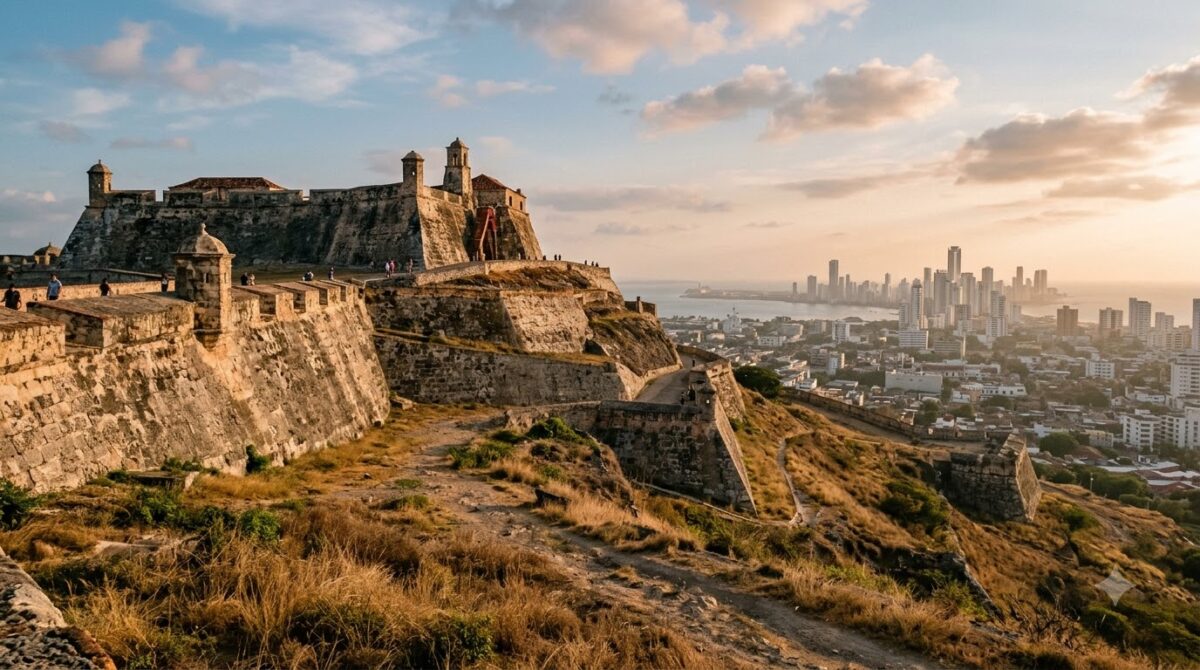
- Castillo de San Felipe de Barajas costs about US$9 and needs 1.5–2 hours. Go before 09:00 — there is no shade.
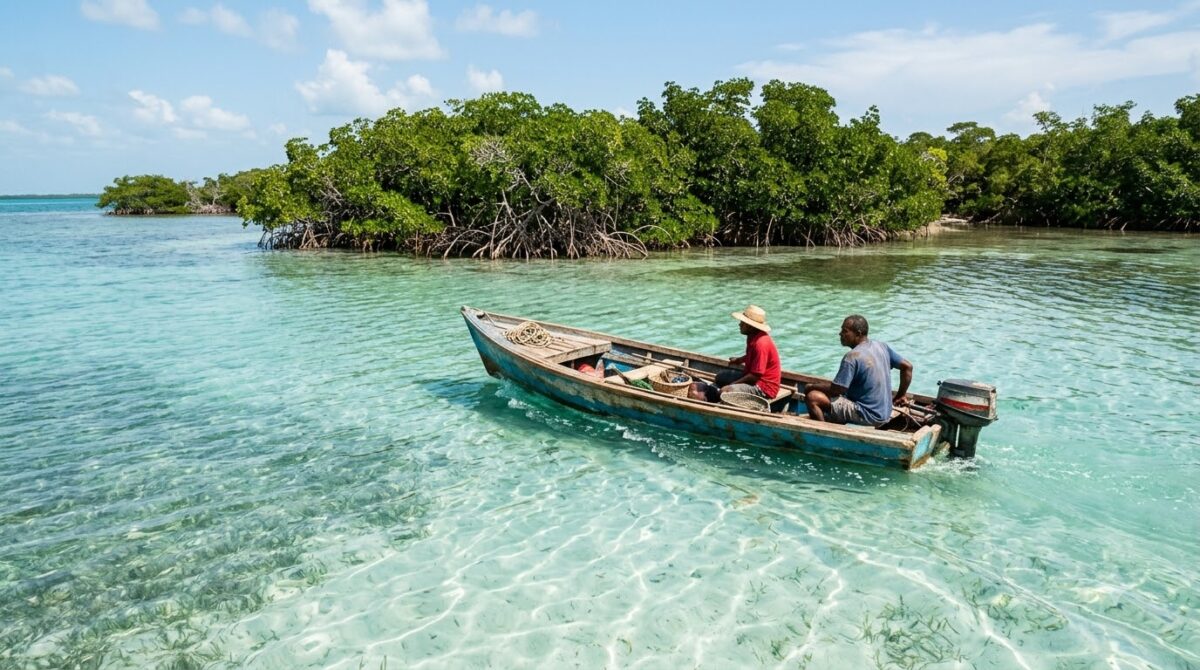
- Rosario Islands boat trips run from about US$65 for a full day with lunch.
- San Basilio de Palenque, the first free town of formerly enslaved Africans in the Americas, is a US$100 day trip and the most unusual thing on this page.
- Three days is the right length. Four if you want an island day as well.
Where these numbers come from. Tour prices, durations and entry fees were read from published 2026 operator and guide pages on 13 August 2026, including Viator, GetYourGuide and Cartagena operator sites. Historical dates come from UNESCO and published city histories. We have not taken these tours ourselves — see our editorial policy. Prices move with season and fuel; confirm before you pay.
What Cartagena is best known for
Three things, and they explain most of what there is to do here.
- The walled city. Cartagena de Indias was founded on 1 June 1533 and its walls went up between the 16th and 18th centuries against pirate raids, finished in 1796. UNESCO listed the port, fortresses and monuments as a UNESCO World Heritage site in 1984 — the first place in Colombia on the list.
- The Caribbean coast of Colombia. The islands, the heat and the water are the second half of the trip, and they are all reached by boat.
- Afro-Colombian culture. The drums, the palenquera fruit sellers in the plazas, and the village of Palenque an hour inland.
What Cartagena is not known for is beaches in the city itself. Those need a boat — covered in our guide to the beaches.
A short history of Cartagena, and why it looks like this
Ten minutes of history explains most of what you will look at, so it is worth having before you start walking around the city.
- The city was founded on 1 June 1533 by the Spaniard Pedro de Heredia and is properly known as Cartagena de Indias — the name that separates it from Cartagena in Spain.
- It became one of the main treasure ports of the Spanish empire, which is exactly why it kept being attacked. The walls and forts exist because of pirates and privateers, not decoration.
- Building the defences took nearly two centuries and finished in 1796. The result is the most extensive set of fortifications in South America.
- Cartagena declared independence on 11 November 1811, which is still the biggest festival of the year here.
- Enslaved Africans were brought through this port in enormous numbers. That history is why Afro-Colombian culture is central to the city, and why Palenque exists an hour inland.
- UNESCO listed the port, fortresses and monuments in 1984, the first Colombian site on the list.
The buildings, plazas and churches that came out of all this are walked through in detail in our old town guide.
The must-see attractions in Cartagena
| Attraction | Cost | Time needed | Worth it? |
|---|---|---|---|
| The walled city on foot | Free | 2 days | The reason you came |
| Castillo de San Felipe de Barajas | ~US$9 | 1.5–2 h | Yes, if you go early |
| Convento de la Popa | tour US$40–94 | half day | For the view |
| Palacio de la Inquisición | COP 15,000 | 1 h | Yes on a hot afternoon |
| Museo del Oro Zenú | Free | 40 min | Yes — it costs nothing |
| Las Bóvedas | Free to browse | 30 min | For souvenirs only |
Castillo de San Felipe de Barajas
- The largest Spanish fortification in the Americas, begun in 1536 and expanded over the following two centuries.
- Entry about US$9 for foreign visitors, roughly COP 30,000–40,000. Free for Colombians on Sundays.
- Allow 1.5 to 2 hours, including the tunnels cut through the hill.
- There is no shade anywhere on it. Arrive before 09:00 or after 16:00. Carry water; there is little sold inside.
- Twenty to twenty-five minutes on foot from Getsemaní, about five by taxi.
Convento de la Popa
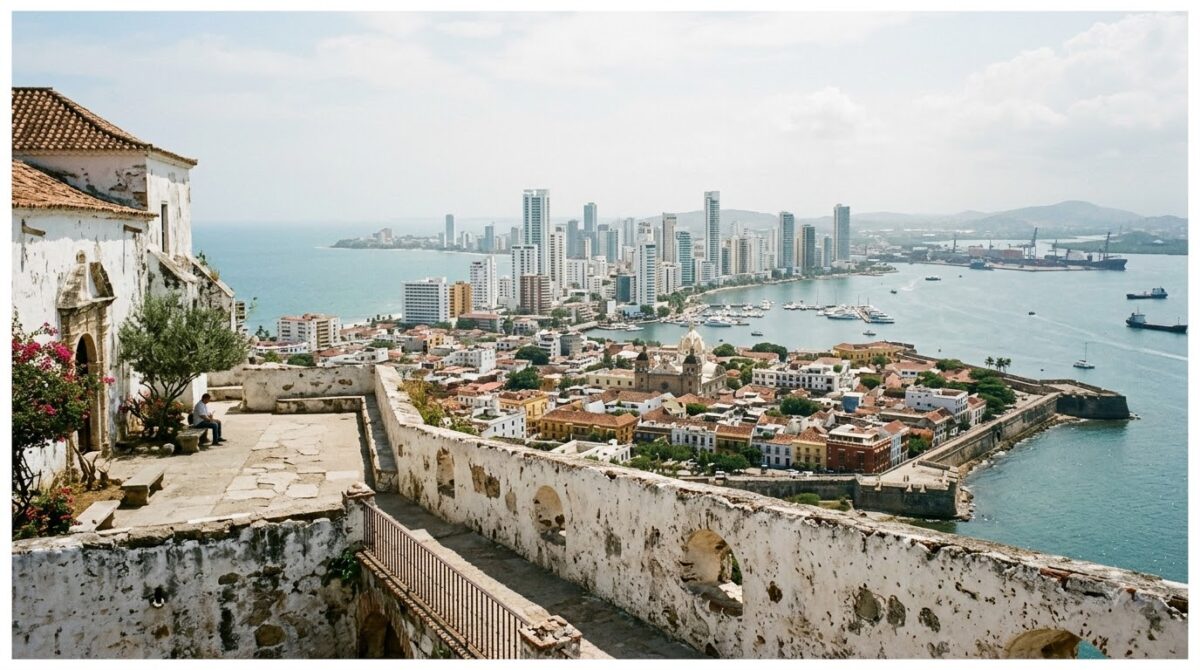
- The monastery on the highest hill in the city, and the only place you see the whole layout of Cartagena at once — old city, bay, and the towers of Bocagrande in one view.
- Usually visited as a combined half-day city tour with the Castillo, priced US$40–94 depending on group size, running 3.5 to 6 hours.
- Go by taxi or on a tour rather than walking. The road up is long, steep and not a pedestrian route.
The museums
- Museo del Oro Zenú — over 600 gold, silver and ceramic pieces from the Zenú culture, and free. Forty minutes.
- Palacio de la Inquisición on Plaza de Bolívar — the city historical museum as well as an Inquisition museum. COP 15,000 adults, COP 9,000 children. Open Monday to Saturday 09:00–18:00, Sunday 10:00–16:00.
- Both sit within a minute of each other, so they work as one stop.
The full walk through the plazas, churches and gates is in our guide to the old town and Getsemaní.
Free things to do in Cartagena
More of this city is free than people expect. If the budget is tight, these five fill two full days.
- Walk the city walls. Free, open at any hour, and the seaward stretch is where everyone gathers at sunset.
- The plazas — Plaza de los Coches inside the clock tower gate, Plaza de Bolívar for shade, Plaza Santo Domingo for the Botero sculpture and the evening crowd.
- The Museo del Oro Zenú, which costs nothing.
- Free walking tours of the walled city and Getsemaní run daily and work on tips. Paid private versions start around US$49 for 2–3 hours if you want a fixed time and a smaller group.
- The street art of Getsemaní. Whole blocks of murals, and they change.
Unique things to do in Cartagena that most visitors skip
San Basilio de Palenque
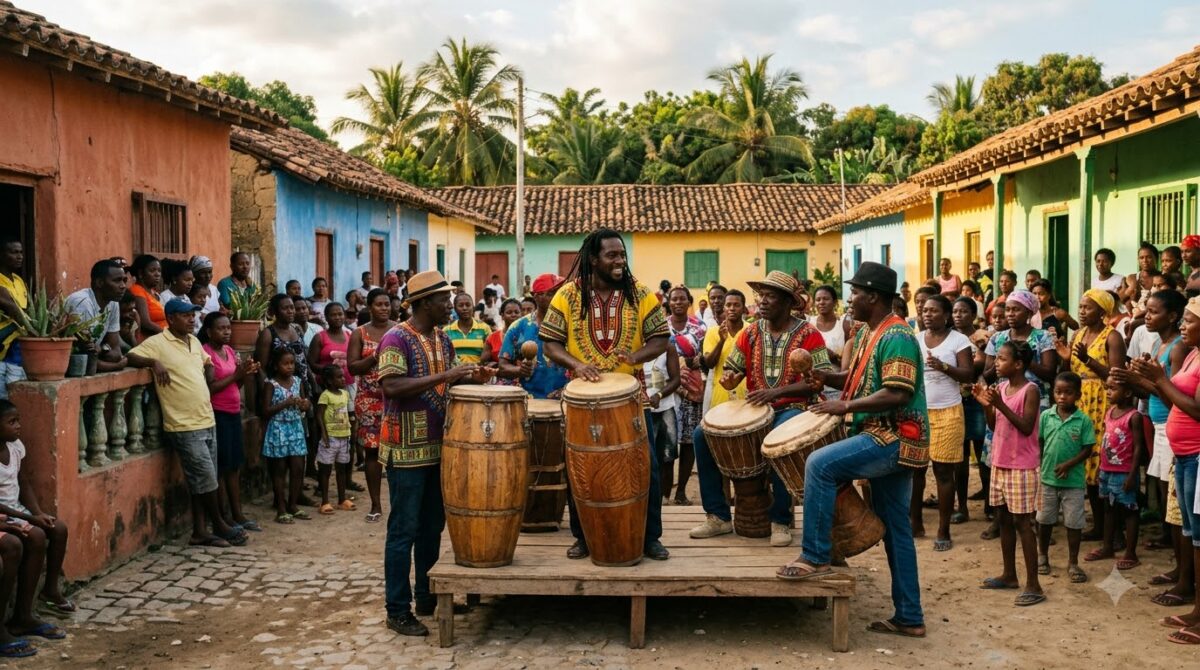
- Palenque is the first free town of formerly enslaved Africans in the Americas, founded by people who escaped Spanish slavery and defended their freedom.
- UNESCO declared its cultural space a Masterpiece of the Oral and Intangible Heritage of Humanity in 2005.
- It has its own language, Palenquero, and its own drumming and funeral traditions still in daily use.
- Tours run about US$100 per person, usually departing around 09:00 and taking roughly six hours including transport.
- Go with a guide from the community rather than a general city operator. This is a living town, not a museum.
The Totumo mud volcano
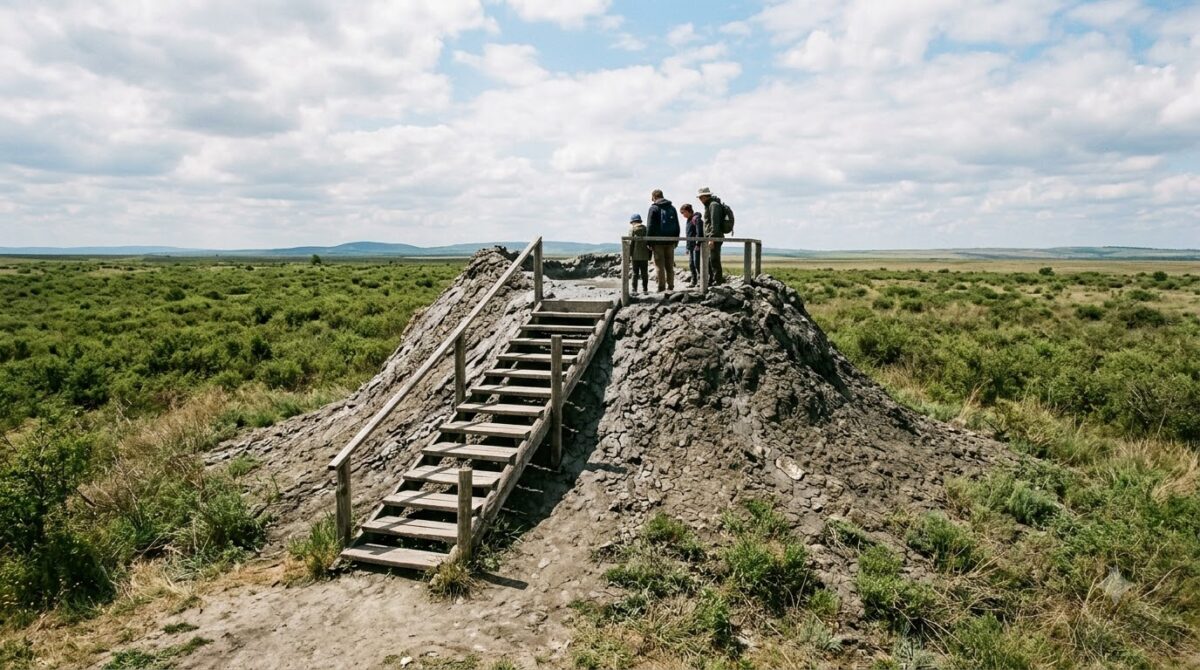
- A cone about fifteen metres high filled with warm grey mud you climb into. It is silly and it is memorable.
- Half-day trips run US$35–65, with around US$42 typical for about four hours including transport and a bilingual guide.
- Everything is a small extra payment at the volcano itself — photos, the massage, the rinse in the lagoon. Carry small notes.
- Bring a swimsuit you do not mind ruining and a towel you will throw away.
A street food tour
- Cartagena street food is a genuine cuisine rather than a snack: arepa de huevo, posta negra, limonada de coco, fruit from the palenqueras.
- Doing it with a guide gets you past the stalls aimed at cruise passengers.
- What to order and where, including sit-down options, is in our guide to the best restaurants in Cartagena.
Salsa, rooftops and the evening in Cartagena
The heat breaks around 17:00 and the city changes. Evenings are one of the best things about being here, and most of what happens is outdoors.
- The Baluarte Santo Domingo on the city walls is the sunset spot. ⚠ Most guides still send you to Café del Mar here — that bar closed permanently, and El Baluarte Santo Domingo – Escuela Taller opened in its place on 24 May 2025. It is run as a training restaurant for young Cartageneros, with profits reinvested in conserving the walls themselves.
- Alquímico, in a 19th-century mansion on Calle del Colegio, was ranked No. 11 in The World’s 50 Best Bars 2025. Three floors, three separate concepts, including a rooftop.
- Salsa is the music of the city after dark. Getsemaní has the places where locals actually dance; the walled city has the ones with a cover charge and a better view.
- Plaza de la Trinidad in Getsemaní fills up nightly — street food, buskers, people sitting on the church steps. It costs nothing and it is the most Cartagena thing you can do.
- The best coffee in the city is easier to find than you would expect for a country that exports most of its good beans. The specialist cafés inside the walls roast Colombian single origin properly.
Where each area sits for going out, and which one to sleep in, is in the where to stay guide.
For the evenings rather than the days, see our Cartagena nightlife guide.
The best day trips from Cartagena
| Day trip | Cost | Time out | Suits |
|---|---|---|---|
| Rosario Islands | from US$65 | ~7 h | Clear water, snorkelling |
| San Basilio de Palenque | ~US$100 | ~6 h | Culture and history |
| Totumo mud volcano | US$35–65 | ~4 h | Something strange |
| Tierra Bomba | day pass ~US$55 | half day | Beach without the commute |
- Rosario Islands trips are the classic: about an hour out by boat, five stops on the bigger tours, lunch usually included at the higher price points.
- Boats must leave the islands by mid-afternoon because of the swell, so an island day is a full day.
- Tierra Bomba is the shortcut — 10 to 15 minutes by boat, so you can go for half a day and be back for dinner.
- Book boats through your hotel or an established operator, not from someone who approaches you at the dock.
- Which island suits which trip, and what the beach clubs cost, is in the beaches guide.
Things to see in Cartagena, neighbourhood by neighbourhood
The simplest way to plan is by area rather than by attraction. Each of the four takes half a day, and walking between them is part of what you came for.
- El Centro — the grand half inside the walls, and where most Cartagena attractions sit: the clock tower gate, Plaza de los Coches, Plaza de Bolívar with the two museums, Plaza Santo Domingo. This is the postcard.
- San Diego — the quiet northern corner inside the same walls, with Las Bóvedas at the end of it. Fewer tour groups, local families still living in the houses, and the best of the balconies.
- Getsemaní — immediately outside the walls, ten minutes on foot. Street art on nearly every block, Plaza de la Trinidad after dark, and the better value for food.
- Bocagrande — the modern high-rise strip on the peninsula. Worth an hour for the contrast and the sea air, not much more. Some of the best places to see the old city from a distance are along this waterfront.
Two of these areas in a day is comfortable. Three is a march.
What to do near Cartagena, beyond the day trips
If you have longer, the coast either side opens up. These are further than a day trip from Cartagena but close enough to build into the same trip.
- Isla Barú, south of Cartagena, reachable by road across the Barú bridge in 1.5 to 2 hours rather than by boat. Playa Blanca is here.
- Santa Marta, about four hours east along the coast, and the gateway to Tayrona National Park.
- Mompox, a colonial river town inland, for anyone who found the old town of Cartagena crowded and wants the same architecture without the crowds.
- Each of these is an overnight rather than a day out. Fit them in only if you have more than five nights.
Deciding between cities? We compare them in Medellín vs Cartagena.
How many days do you need in Cartagena?
Three nights covers the city. Four if you want an island day as well. Beyond five, Cartagena becomes a base for elsewhere rather than a city trip.
- Two days is enough for the walled city, San Diego and Getsemaní on foot, plus the fort.
- Three days adds a beach or an island trip without rushing.
- Four days lets you do both an island day and one of the inland trips.
- Five or more and most people start using the city as a base for the Caribbean coast of Colombia, or heading on to Santa Marta.
A three-day itinerary for Cartagena
- Day 1 — the old city. Torre del Reloj and Plaza de los Coches in the morning, the Gold Museum when the heat peaks, the walls at sunset, dinner in the walled city.
- Day 2 — the fort and Getsemaní. Castillo de San Felipe before 09:00, La Popa or the Palace of the Inquisition after, then Getsemaní in the evening for the street art and Plaza de la Trinidad.
- Day 3 — water or history. The Rosario Islands if you want the beach, Palenque if you want the more unusual day. Both take the whole day, so pick one.
If you only have two days, cut day three and keep the fort. If you have four, add Tierra Bomba as a half day.
Where to eat and drink
- Inside the walls has the grand rooms and the higher prices; Getsemaní has better value for comparable cooking, and the two are ten minutes apart.
- A neighbourhood menú del día runs COP 28,000–35,000 (about US$7–8.50) and is the best value in the city.
- The best-known kitchens need booking about a week ahead in high season.
- Fourteen specific places, with prices and opening hours, are in our restaurants guide.
Specific hotels, by tier and by building, are in best hotels in Cartagena.
Where to stay
- El Centro for a first visit, San Diego for the same walkability without the crowds, Getsemaní for value and nightlife.
- Bocagrande if you want a pool and a lift more than colonial atmosphere.
- Rates, walking times and the island options are in the where to stay guide.
Practical tips for visiting Cartagena
- Walk early or late. Midday inside the walls between 11:00 and 15:00 is punishing in any month.
- Carry cash in small notes. Street carts, the mud volcano and the beach are all cash.
- Licensed taxis are yellow with white number plates. Ride-hailing apps also work in the city and leave a record of the driver.
- December to April is the dry season and also the expensive one. Mid-January to April is the value window — see when to visit.
- Busy and lit is fine after dark; empty is not. The full picture is in is Cartagena safe?
Arriving by ship? See our Cartagena cruise port guide for transfers and what fits a port call.
Getting around the city, and where to go next
Transportation from Cartagena is simple in the centre and only gets complicated when you leave it.
- Inside the walls you walk. Everything is within fifteen minutes on foot and a taxi is slower than your legs.
- Getsemaní to the walled city is a 10 to 15 minute walk. La Matuna, the strip between them, empties out after dark — take a taxi across it at night.
- To Bocagrande, the fort or La Popa, take a taxi or a ride-hailing app. Street taxis have no meters, so agree the fare first.
- The airport is about 15 minutes from the walled city, which is why there is no reason to stay near it.
- Going on: the usual next stop is Cartagena to Santa Marta along the coast, roughly four hours by road, or a short flight inland to Medellín or Bogotá.
Is Cartagena worth visiting?
Yes, with one caveat worth knowing before you book. The walled city is the most complete colonial centre on Colombia’s Caribbean coast and walking it costs nothing, which makes three or four nights here good value however you travel.
- What it delivers: architecture, food, evenings outdoors, and one of the more unusual day trips in the Americas at Palenque.
- What disappoints people: the city beaches. Bocagrande is grey sand and busy. Anyone expecting to walk out of the hotel onto clear water will be let down — that water is an hour out by boat.
- Who it suits least: travellers who want cool weather or quiet. It is 30–32°C every day and the centre is busy from late afternoon onwards.
- Come for the old city, treat the beach as a day trip, and the trip works.
Planning your Cartagena trip
Four decisions cover most of the planning, and none of them are complicated once you know the shape of the place.
- How long. Three nights in Cartagena for the city, four with an island day. Most people underestimate how much of the trip is walking and overestimate how much beach there is.
- When. The best time to visit is December to April for dry weather, but mid-January to April is the value window once the Christmas crowd leaves. Full month-by-month detail is in when to visit Cartagena.
- Budget. Two days of the old city cost almost nothing. The fort is about US$9, and one day trip is US$35–100 depending on which. That is the whole activity budget for a short trip.
- Where to base yourself. Inside the walls for a first visit; Getsemaní if you are here a week. It changes your evenings more than anything else you decide.
Cartagena is one of the best places in Colombia to start a first trip to the country: it is compact, it is walkable, and the airport is fifteen minutes from the centre. If you are visiting Colombia more widely, most itineraries put this city first or last rather than in the middle.
Cartagena, Colombia in short
If you only read one section, read this one. These are the answers people actually come looking for.
- The single best thing: walking the walled city at either end of the day. It is free to enter, open at any hour, and it is why Cartagena is worth visiting at all.
- Best views of the city: the Convento de la Popa for the whole layout, the seaward walls at sunset for the one everybody photographs.
- Best food experience: a Cartagena street food tour, or simply a menú del día in Getsemaní for about US$8.
- Best coffee in Cartagena: the specialist cafés inside the walls, which roast Colombian single origin rather than serving the export leftovers.
- One tour from Cartagena, if only one: Palenque for something you cannot see anywhere else, or the Rosario Islands if you want water.
- Most overrated: the city beaches. Bocagrande is convenient and that is all.
- How much time in Cartagena: three nights, four with an island day. Two days in Cartagena covers the old city on foot.
- Where to stay in Cartagena: inside the walls first visit, Getsemaní for value. Hotel choice by area is in the accommodation guide.
Cartagena is a compact city in Colombia that rewards slow days more than packed ones. The most common mistake is booking three tours and leaving no time to just walk around Cartagena, which is the part people remember. Plan two of the experiences in Cartagena listed above, and leave the rest of the days open.
Frequently asked questions
What are the top things to do in Cartagena?
Walking the walled city, which is free and takes two days; the Castillo de San Felipe de Barajas for about US$9; and one day trip — the Rosario Islands for the water, or San Basilio de Palenque for the history. The Museo del Oro Zenú is free and worth the forty minutes.
How many days are enough for Cartagena?
Three nights for the city, four if you want an island day as well. Two full days covers the walled city, San Diego and Getsemaní on foot plus the fort. Beyond five nights it becomes a base for the rest of the Caribbean coast of Colombia rather than a city trip.
What is Cartagena best known for?
Its walled colonial old city, listed by UNESCO as a World Heritage site in 1984 and the first place in Colombia on the list. The city was founded in 1533 and its fortifications, finished in 1796, are the most extensive in South America. It is also known for Afro-Colombian culture and for the islands offshore.
What are the best day trips from Cartagena?
The Rosario Islands from about US$65 for a full day with lunch; San Basilio de Palenque at around US$100 for roughly six hours; and the Totumo mud volcano at US$35–65 for about four hours. Tierra Bomba is the half-day option at ten to fifteen minutes by boat.
What free activities are there in Cartagena?
Walking the city walls, the plazas, the Museo del Oro Zenú, the street art of Getsemaní, and tip-based free walking tours of the walled city. Two full days can be filled without paying an entry fee.
Is Cartagena worth visiting?
Yes, for three or four days. The walled city is the most complete colonial centre in the Caribbean and costs nothing to walk. The caveat is the city beaches, which are grey sand and not the reason to come — the clear water is an hour out by boat.
What should you not miss in Cartagena?
Sunset from the seaward city walls, which is free; the fort before 09:00 while there is still shade on the approach; and one full day given to either the islands or Palenque rather than trying to fit both.