Quick answer
Two days is the answer for most visits, and the city is small enough that a central room covers all of it on foot. A third day is worth it only if you leave the centre — Howth on the coast, or Phoenix Park if it rains.
On this page
- How many days in Dublin: what each length gets you
- Matching the days to the traveller
- Why two days is the usual answer
- What one day actually covers
- What the third day adds
- And the fourth
- Day trips, ranked by how much of a day they take
- Dublin as a base for a week
- When you need fewer days than you think
- When you need more
- How to use the days you have
- What changes the number: pace, base and season
- Ticket release dates that can decide the days for you
- How the season changes the answer
- Half a day, if that is all you have
- The free list, which is better than it sounds
- How long the Book of Kells really takes
- Two days, and what you still miss
- How Dublin compares with the rest of the trip
- Fitting Dublin around a flight
- What not to plan
- The short version
- Frequently asked questions
Two days. That is the answer for most people, and three if you want the coast or a day trip out of the city.
Some links below are affiliate links. We may earn a commission if you book through them, at no extra cost to you. We do not rank hotels, and any prices on the map come live from the booking sites.
Dublin is a small capital with a short list of things that are genuinely worth your time and a long list of things that fill an afternoon. The number of days you need depends on which list you are working from.
How many days in Dublin: what each length gets you
| Days | What fits | Who it suits |
|---|---|---|
| 1 | Trinity, one museum, one of Kilmainham or Guinness | A stopover, or the start of a road trip |
| 2 | All of the above without rushing, plus an evening out | Most first visits |
| 3 | Adds the coast at Howth, or Phoenix Park in the rain | City breaks |
| 4 | Adds a full day trip — Glendalough or Newgrange | Anyone not touring the rest of Ireland |
| 5+ | Diminishing returns in the city itself | Better spent moving west |
Map shows live availability and prices. We may earn a commission on bookings made through it, at no extra cost to you.
Matching the days to the traveller
The table above sorts by length. Most people find it easier to start from who they are.
First visit, touring Ireland afterwards: two days. Spend them on Trinity, the National Museum, Kilmainham Gaol and the Guinness Storehouse, then collect the car and go west.
First visit, Dublin is the whole trip: three days, or four with a day trip. The coast and Phoenix Park are what turn a list of sights into a city break.
A long weekend from elsewhere in Europe: two nights, Friday to Sunday. That gives you about a day and a half of sightseeing, so pick either Kilmainham or the brewery rather than trying for both.
A second visit: two days, spent entirely on what a first visit leaves out: Glasnevin, 14 Henrietta Street, the GPO museum and the coast.
Families with young children: three days. Children move slower, and Dublin Zoo alone takes a full day.
A work trip with one free day: one day, spent on the one-day plan below. Trinity opens at 8.30am on weekdays, which leaves time for the Book of Kells before a late-morning start elsewhere.
Readers and history buffs: add a day to whichever answer above fits. The literature museum on St Stephen’s Green, Marsh’s Library and the 1916 sites each repay a slow morning, and none of them fits in a two-day rush.
Why two days is the usual answer
The core of Dublin is small. Trinity College to the Guinness Storehouse is about twenty-five minutes on foot, and almost everything a first visit wants sits between them.
Two days covers it at a sensible pace: the Book of Kells and the Georgian streets on one day, Kilmainham Gaol and the Guinness Storehouse on the other, with the National Museum and the cathedrals slotted around them and two evenings for music.
Pushing the same list into one day is possible and it is a route march. Stretching it over four leaves you looking for things to fill the afternoons.
What one day actually covers
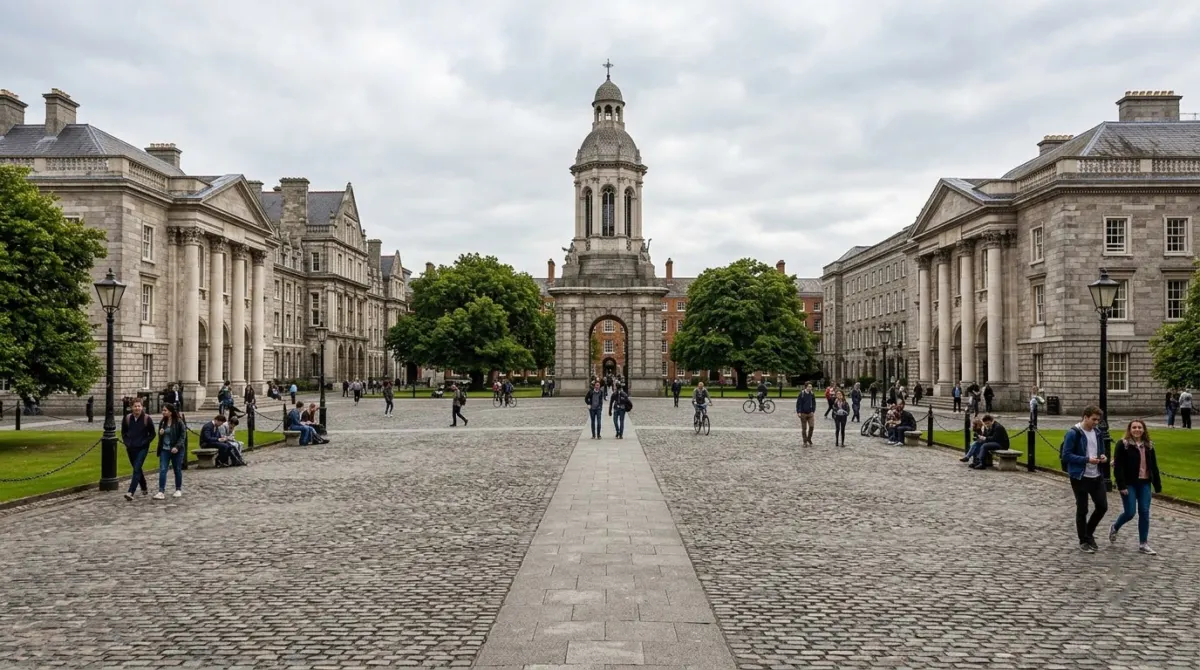
If Dublin is a single day at the start or end of a longer trip, do this and nothing else: Trinity College and the Book of Kells first thing, the National Museum of Ireland – Archaeology after it, lunch around South William Street, then Kilmainham Gaol if you booked ahead or the Guinness Storehouse if you did not.
That is a full day and it leaves out the cathedrals, the coast and the docklands. One day is a stop, not a visit.
What the third day adds
The third day is where Dublin gets better rather than longer, because it takes you out of the centre.
Howth is twenty-five minutes north on the DART: a fishing harbour on a headland with a cliff loop walk of about six kilometres. Dún Laoghaire, the same distance south, is flatter — two long piers and a seafront.
If it is raining, Phoenix Park instead: one of the largest enclosed city parks in Europe, with a resident herd of fallow deer, Dublin Zoo and the President’s residence inside it.
And the fourth
A fourth day only makes sense as a full day out of the city, and there are two worth taking.
Glendalough, in the Wicklow Mountains about an hour south, is a sixth-century monastic settlement in a glacial valley with two lakes and a round tower. It is the most-taken day trip from Dublin and deserves to be.
Brú na Bóinne, about forty-five minutes north, holds the passage tombs at Newgrange and Knowth — built around 3200 BC, older than the pyramids at Giza. Access is by guided tour from the visitor centre only.
Day trips, ranked by how much of a day they take
The cleanest way to decide on a third or fourth day is to know what each trip out actually costs.
Howth: half a day. Twenty-five minutes on the DART. The waymarked cliff loops start at the station. The longest, the Bog of Frogs loop, is about 12 kilometres and three hours, and the shorter cliff path is the usual choice.
Malahide: half a day. Also on the DART. The castle and gardens open daily, and the site suggests at least two hours. Route 102 links the village with the airport, which makes Malahide easy to fit in on the way to a flight.
Glendalough: a full day. About an hour south. The visitor centre’s own estimate is an hour to an hour and a half, but the walk up to the Upper Lake is the reason to go, and with the drive it fills the day.
Brú na Bóinne: a full day, and it needs a ticket in advance. Every visit to Newgrange and Knowth starts at the visitor centre, on a tour booked in advance, with a shuttle bus out to the tombs.
Kilkenny: a long day. The medieval town and Kilkenny Castle are a long way for a return trip in one day, and they work better as the first night of a road trip south. Our guide to where to stay in Kilkenny covers that version.
Belfast or the Cliffs of Moher: more than a day. Both are possible as long coach days. Both are better as a night somewhere else.
Two half days fit into one extra day; a full-day trip does not combine with anything. That arithmetic usually settles the question.
Dublin as a base for a week
Some people do not want to move hotels at all. For them, Dublin works as a base for a week, as long as most of those days are spent outside the city.
A week from one room looks like this: two days in the city centre, a coastal day at Howth, a half day at Malahide paired with a quiet afternoon, a full day at Glendalough, a full day at Brú na Bóinne, and one spare day for the weather or a long lunch.
The advantage is that you check in once. The cost is that the west, with the Cliffs of Moher, Connemara and Kerry, stays out of reach, because each of them is too far to visit and come back in a day.
If you choose the base-for-a-week plan, stay near a DART station or a Luas stop rather than strictly in the centre. You will take the train out more often than you walk to Trinity. For the opposite approach, a week spread across three bases, see our 7 day Ireland itinerary.
When you need fewer days than you think
Two situations, and both are common.
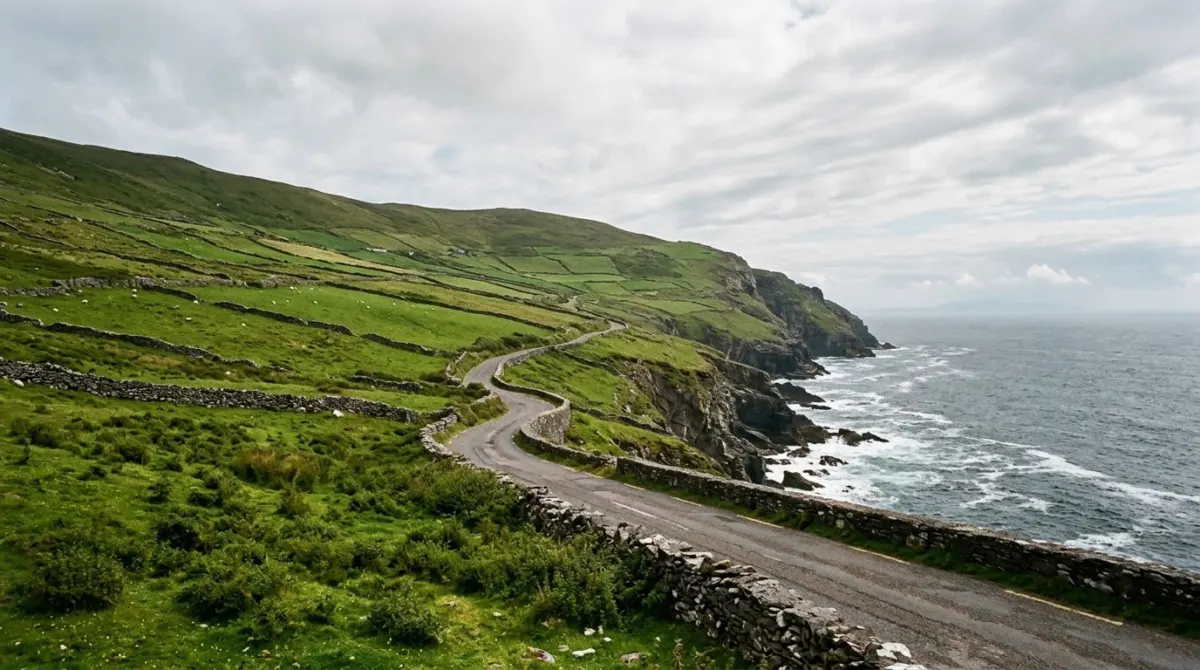
If you are touring the rest of Ireland, two days in Dublin is plenty, and the west deserves the days you were going to add here. The country’s landscape is not in the capital.
If you are coming back — Dublin is a common connection point for onward flights — split the city across two short visits rather than one long one.
When you need more
If you are not leaving Dublin at all, four days works: two in the city, one on the coast, one at Glendalough or Newgrange.
If you are here for an event — a match at Croke Park or the Aviva, a festival, St Patrick’s Day — add a day, because the city will be full and slow.
Two dates are worth checking before you settle the number. St Patrick’s Festival runs from Saturday 13 to Wednesday 17 March in 2027, and over those five days the city is full and some places close on the 17th itself. The Dublin Marathon closes roads along its route on a Sunday in late October; in 2027 that is 24 October. On either date the sights take longer to reach, and an extra day absorbs the delay.
If you have an interest — literature, 1916, Georgian architecture — Dublin has enough depth in each to justify an extra day on its own.
How to use the days you have
Three practical points that change how much fits.
Book Kilmainham Gaol before you fly. It sells out weeks ahead, and it is the thing people most regret missing.
Walk. The centre is compact and the tram is only useful for the museums at Collins Barracks and the trip to Kilmainham.
Keep the car out of it. If you are touring afterwards, collect it the morning you leave.
Over three or four days, consider the TFI Leap Visitor Card. It gives unlimited travel for a set period on Dublin city buses, the Luas, the DART and commuter rail, and it covers the coastal days at Howth and Malahide without any fare arithmetic. It is sold at the airport, but it does not cover the private airport coaches.
For the day-by-day version of all this, see our Dublin itinerary; for which part of the city to sleep in, where to stay in Dublin.
What changes the number: pace, base and season
The same list takes different people different amounts of time, and three things account for most of the gap.
Pace. The two-day answer assumes two major sights a day, plus the walking between them. If you read every label in a museum, or if a long lunch matters to you, the same list fills three days. Neither way is wrong. Just know which kind of traveller you are before you book the nights.
Where you sleep. Every estimate on this page assumes a room in the centre. A hotel near the airport or in the outer suburbs adds a commute at both ends of every day, and over three days that adds up to most of an afternoon. A cheaper room further out can cost you more time than it saves you money.
Opening days. Mondays are thin in Dublin. The National Museum on Kildare Street opens only in the afternoon on Sundays and Mondays, the GPO museum is closed on Sundays, and 14 Henrietta Street is closed on Mondays and Tuesdays. A visit that runs from Sunday to Monday covers less than one that runs from Tuesday to Wednesday.
Ticket release dates that can decide the days for you
Sometimes the number of days is set by the tickets rather than by preference.
Kilmainham Gaol is visited by guided tour only, and all tickets are pre-booked. Some are released 28 days ahead, at midnight Irish time, and the rest go to cancellations, which the gaol lists from 9.15am on the day. If the only slot left is on your third morning, your trip is three days.
Brú na Bóinne releases tour tickets 30 days ahead from April to the start of November, and only seven days ahead from November to February. A fourth day built around it should not be fixed until the ticket is.
The Book of Kells is sold in timed slots, so on a one-day visit, the time on your ticket fixes the start of the day.
The practical sequence: decide the number of days provisionally, check the gaol’s calendar, and only then book the hotel.
How the season changes the answer
Daylight decides how much fits into a Dublin day, and it varies more than visitors expect.
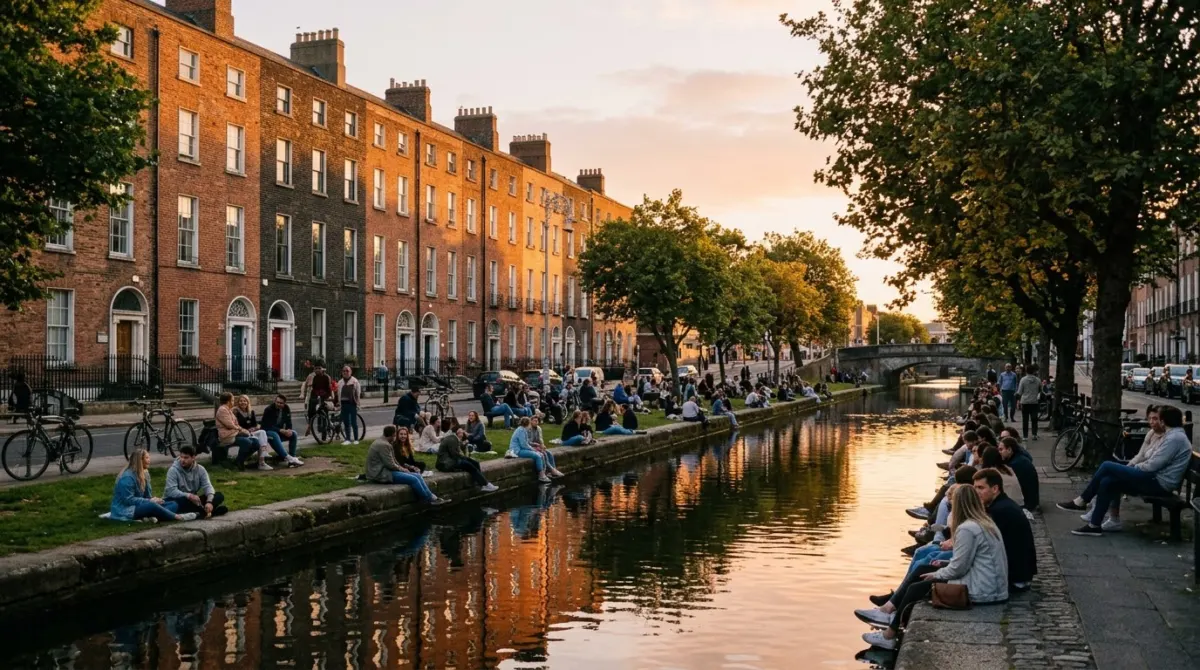
In June it is light past ten in the evening, so a two-day visit genuinely holds two full days plus two long evenings.
In December it is dark by half past four. The museums and the gaol still work, the coastal walk at Howth does not, and three days in winter covers what two days covers in summer.
If you are visiting between November and February, add a day for the same list.
Half a day, if that is all you have
Long layovers at Dublin Airport are common, and the city is about half an hour away by coach.
With four hours in the centre: Trinity College and the Book of Kells, a walk down Grafton Street to St Stephen’s Green, and the National Museum of Ireland – Archaeology, which is free and five minutes away. That is a coherent half day and it needs no tickets beyond the Book of Kells.
Do not attempt Kilmainham Gaol or the Guinness Storehouse on a layover. Both are west of the centre and both take longer than they look.
The free list, which is better than it sounds
Several of the best things in Dublin cost nothing, which changes the calculation on a third or fourth day.
- The National Museum of Ireland — all branches, including the bog bodies and Iron Age gold on Kildare Street.
- The National Gallery of Ireland on Merrion Square.
- The Chester Beatty Library in the Dublin Castle gardens, the most under-visited good museum in the city.
- The Natural History Museum, a Victorian museum preserved almost unchanged.
- Phoenix Park, the Georgian squares and the Iveagh Gardens.
A day built from that list is a real day, not a filler.
How long the Book of Kells really takes
It is the first sight on every Dublin plan, so its length shapes everything after it. Trinity offers two versions. The Book of Kells and Old Library ticket covers the manuscript and the Long Room, and takes about 45 minutes. The Book of Kells Experience adds three digital galleries in a second building, the Red Pavilion, and Trinity suggests allowing 90 minutes for it.
On one or two days, take the shorter version. On three or four, the longer one fits easily.
One thing to know before you go: nearly all the books have been taken off the Long Room shelves for the Old Library Redevelopment Project, and only the first few bays at the entrance are still full. The room is open and the visit is still worth it, but it looks different from the photographs that made it famous.
Two days, and what you still miss
Honest about the trade, because two days is the recommendation here.
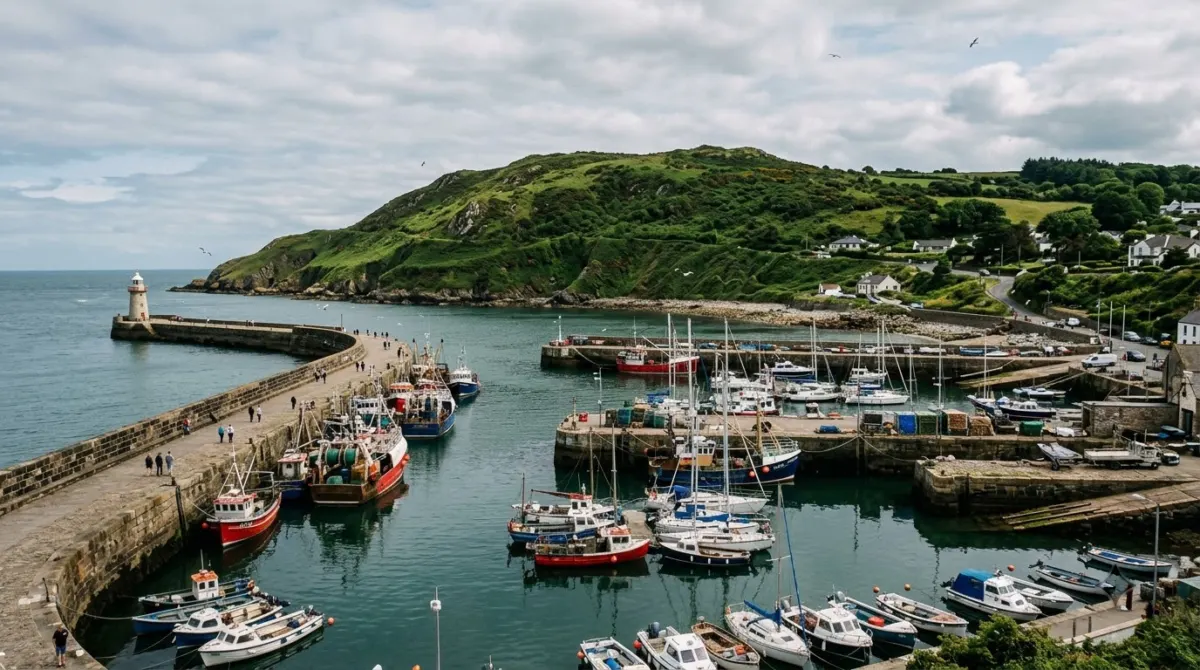
You miss the coast — Howth and Dún Laoghaire are the part of Dublin that feels least like a city. You miss Glasnevin Cemetery and the quieter museums. And you miss any day trip, which means Glendalough and Newgrange are not on a two-day visit.
None of that changes the recommendation if you are touring the rest of the country afterwards. The landscape you came for is west of here.
How Dublin compares with the rest of the trip
The reason this question matters is that days in Dublin are days not spent somewhere else, and Ireland’s draw is largely outside its capital.
Galway needs two nights and ideally three, because the Cliffs of Moher and Connemara lie in opposite directions and each takes a full day. Kerry needs two nights for the Ring of Kerry and the Dingle Peninsula, and three to do them comfortably.
Against that, Dublin’s two days are good value — a compact, walkable city with two or three genuinely first-rate sights. A third and fourth day are enjoyable, but they come out of the west.
Fitting Dublin around a flight
Dublin Airport is around half an hour from the centre by coach, with frequent departures and no rail link.
That makes the city unusually easy to add to the start or end of a trip. An afternoon arrival still gives you an evening; a late-afternoon departure still gives you a morning at Trinity and a museum. In practice a “two day” visit often means two full days plus two useful half days, which is another reason two is usually enough.
The coaches leave from outside Terminals 1 and 2. Dublin Express serves more than fifteen stops in the centre, including Trinity College, Temple Bar and O’Connell Street. Aircoach also runs to the city. The ordinary TFI buses, such as the 16 and 41, cost less and take longer. If the airport transfer decides whether an arrival day counts as a day, book a hotel near a coach stop and it usually does.
What not to plan
Two things that look like they fit and do not.
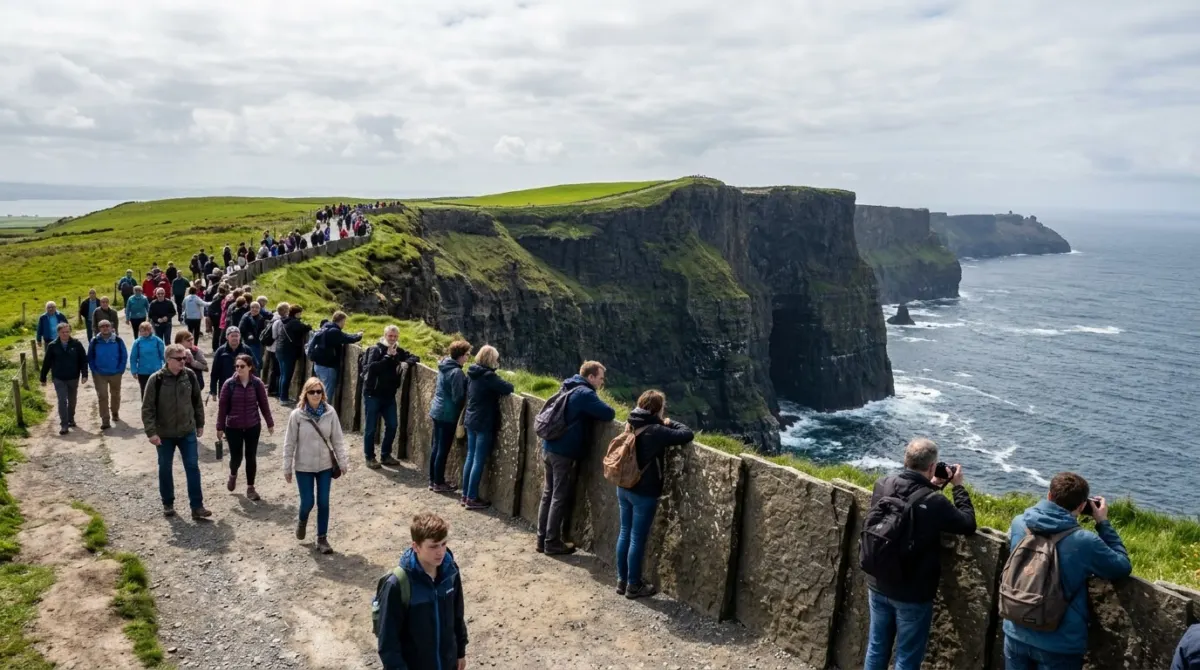
A day trip to the Cliffs of Moher from Dublin is around three hours of driving each way, sold as a long coach day. It is possible and it is most of a day on a bus. If the cliffs matter, base in Galway instead.
Belfast and the Giant’s Causeway as a day trip is the same problem on the other side — Belfast alone is two hours each way, and the Causeway is another hour beyond it.
The short version
Two days if you are touring the rest of Ireland afterwards, which is most people. Three if Dublin is a city break and you want the coast. Four if you are not leaving the area at all and want a day at Glendalough or Newgrange. One day only if it is a stopover, and accept that it is a stop rather than a visit.
Whatever the number, book Kilmainham Gaol before you fly and leave the car out of the city.
Frequently asked questions
How many days do you need in Dublin?
Two for the city itself — Trinity and the Book of Kells, the National Museum, the cathedrals, Kilmainham Gaol and the Guinness Storehouse. Three if you want the coast at Howth, four if you want a full day trip to Glendalough or Newgrange.
Is 1 day enough for Dublin?
It covers Trinity and the Book of Kells, one museum and one of Kilmainham Gaol or the Guinness Storehouse. That is a stop rather than a visit, and it leaves out the cathedrals, the coast and the docklands.
Is 3 days too long for Dublin?
No, if the third day leaves the centre. Howth on the DART, Dún Laoghaire, or Phoenix Park if it rains. A third day spent only in the centre does start to feel long.
Is 4 days too many in Dublin?
Only if you are touring the rest of the country, in which case the fourth day is better spent in the west. If Dublin is the whole trip, four days works: two in the city, one on the coast, one at Glendalough or Newgrange.
How many days in Dublin before a road trip?
Two, and collect the rental car on the morning you leave rather than when you land. Dublin does not need a car and central parking is expensive.
What is the best day trip from Dublin?
Glendalough in the Wicklow Mountains, about an hour south, for the monastic site and the lakes. Brú na Bóinne to the north is the other, for the passage tombs at Newgrange and Knowth, built around 3200 BC.
How many days in Dublin in winter?
Add one to the summer answer. From November to February it is dark by about half past four, which leaves out the coast and the walks between sights. Three winter days cover roughly what two summer days do.
How many days in Dublin with kids?
Three. Allow one full day for Dublin Zoo in Phoenix Park, one for Trinity and the Natural History Museum, and one on the DART to Howth for the harbour and the seals. Kilmainham Gaol suits older children only.
Keep planning Ireland
- Where to Stay in Kilkenny: On the Mile, or Beside the Station
- Where to Stay in Doolin: Book a Room You Can Walk Home To
- Where to Stay in Belfast: Four Quarters, Four Different Trips
- Where to Stay in Killarney: The Town, or the Lakes
- Where to Stay in Dingle: In Town, or Out Where the View Is
- Where to Stay in Ireland: Pick Three Bases, Not Seven
- Where to Stay in Galway: The Noise Decides It, Not the Distance
- Best Hotels in Dublin: What Each Kind of Building Gives You
Written and checked by
Triplarks Editorial
An editorial desk, not an invented persona: research, drafting and fact-checking are done by the same small team. Every number here carries the date it was read.