
Most Costa Rica guides tell you to skip San José. That advice is half right and it costs people a good day.
Some links below are affiliate links. We may earn a commission if you book through them, at no extra cost to you. We do not rank hotels, and any prices on the map come live from the booking sites.
Quick answer: where to stay in San José. Barrio Amón is the best choice: historic mansions turned small hotels, within walking distance of the museums. Barrio Escalante if you care about dinner. If your flight leaves before 9am, sleep near the airport in Alajuela instead.
Check hotels in San José →Check hotels near the airport →See them on a map ↓
San José is not a beautiful city. It has no colonial old town to compare with Cartagena or Antigua, the traffic is heavy and the centre empties after dark. But it holds the country’s best museums, its most interesting market, a genuinely good coffee scene, and it sits 90 minutes from two volcanoes and a cloud forest.
The honest answer: give it one day, and make it the day you arrive or the day you fly out. Do not cut a beach day for it. This guide covers what is worth doing in that one day.
Prices and details checked 16 August 2026.
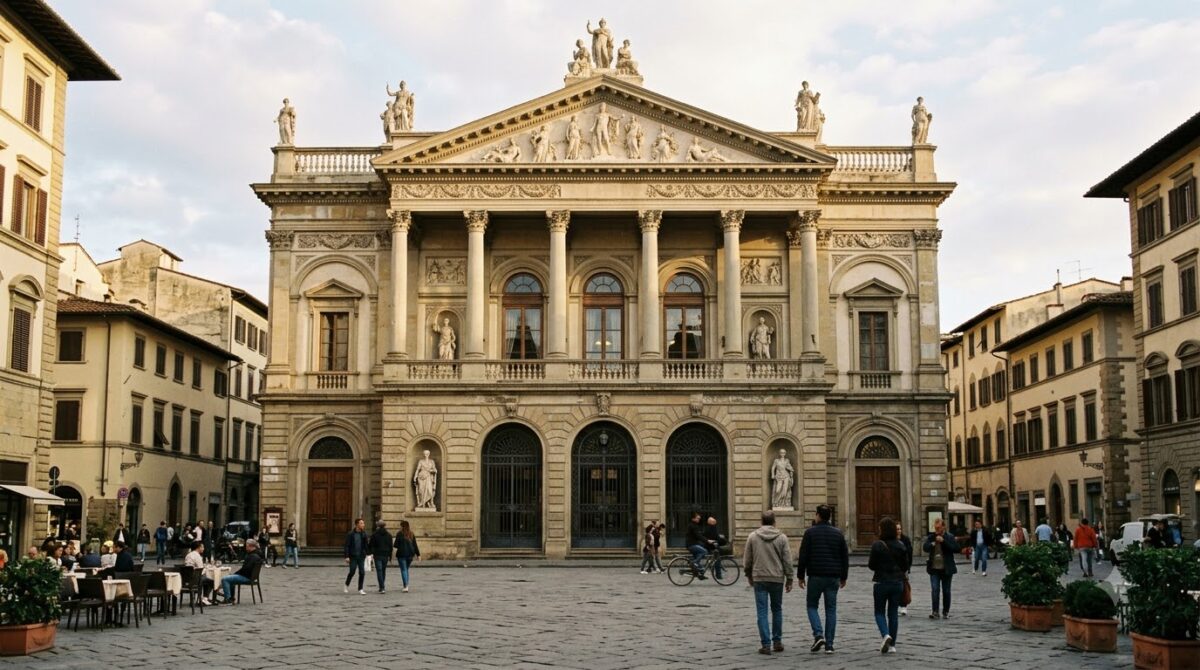
Orientation: getting your bearings in San José city
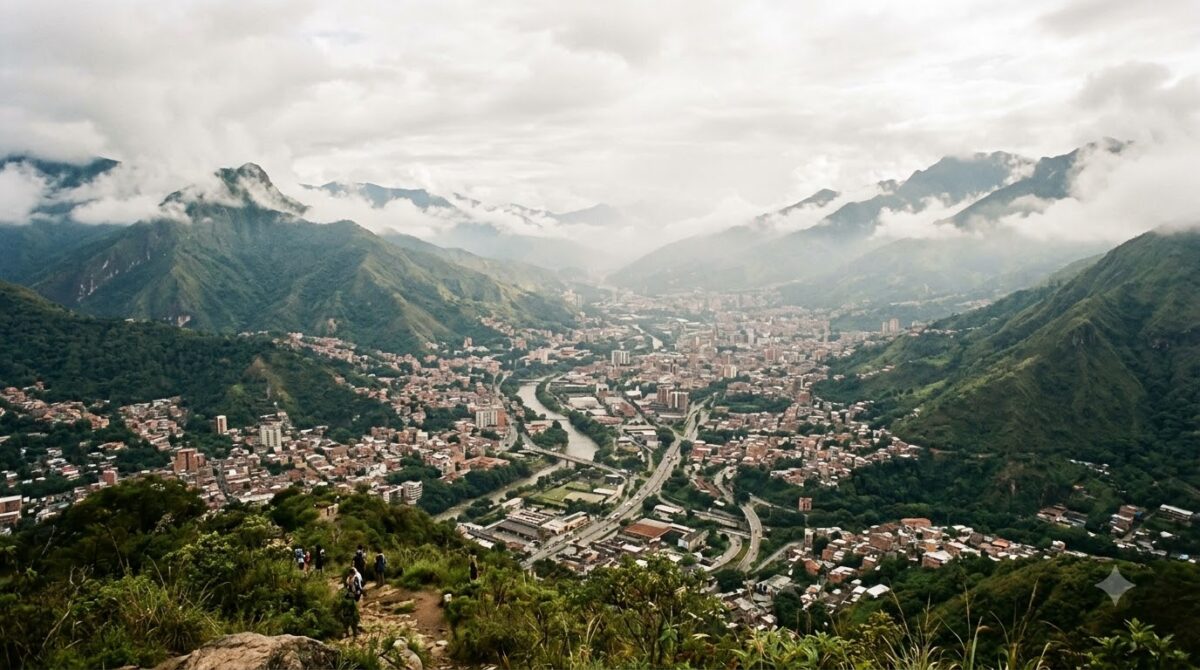
San José is Costa Rica’s capital, located in the Central Valley at 1,170 metres, ringed by mountains, which is why the climate is mild all year rather than tropical. Locals call the city Chepe, a nickname for the name José, and you will hear it constantly.
- Downtown San José — the grid around Avenida Central. Museums, the Teatro Nacional, the Mercado Central. Walkable and where you will spend the day.
- Barrio Amón — the historic neighbourhood just north, full of coffee-baron mansions, small hotels and street art. The prettiest barrio in the city.
- Barrio Escalante — east, and where the food is. Restaurants, craft beer, coffee shops.
- La Sabana — west, the big city park with the art museum in the old airport terminal.
- Escazú and Santa Ana — the affluent part of the city to the west, with malls and international chains. Comfortable, not interesting.
Addresses here work by landmark rather than street number — 200 metres east of the church is a normal address. Even taxi drivers work this way, so have a map open.
Top attractions in downtown San Jose
The Teatro Nacional, the national theater
Built in the 1890s with coffee money, and the single most beautiful building in the country. The marble, gilt and painted ceilings were shipped from Europe by a coffee-export elite determined to prove the place was civilised.
Guided tours run through the day for around US$10, take 45 minutes and are the best value in the city. There is a good café in the lobby.
Museo del Oro Precolombino, the museum of gold
The Pre-Columbian Gold Museum sits underground beneath the Plaza de la Cultura, which is why people walk over it without noticing. Around 1,600 gold objects, most of them small animal figures, plus a good section on what happened to the people who made them. Entry about US$17.
The National Museum of Costa Rica and the butterfly garden
Housed in the old Bellavista barracks — the building where the army was abolished in 1948, and the bullet holes in the outer wall are still there. Covers pre-Columbian history, colonial period and independence, and there is a butterfly garden in the courtyard — the easiest place in the city to see one. Entry around US$11.
The mysterious stone spheres of the Diquís are here, which is the thing most visitors remember.
Museo del Jade
The largest collection of pre-Columbian jade in the Americas, in a modern building on the Plaza de la Democracia. Better laid out than the Gold Museum and less crowded. Entry about US$16.
Mercado Central
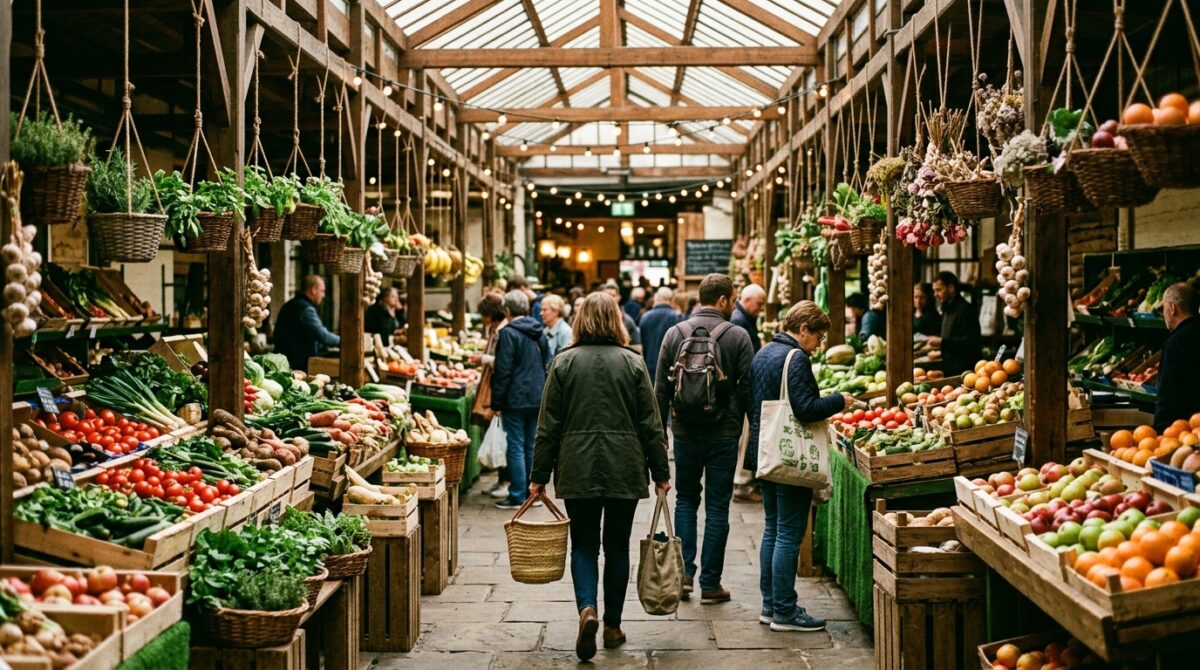
Running since 1880 and still a working market rather than a tourist one. Narrow aisles of butchers, herbalists, flower stalls, leather workers and about a dozen sodas serving lunch at counters.
- Eat here. A casado costs around 3,000 to 4,000 colones, roughly US$6 to US$7.50.
- Try a churchill, the shaved-ice dessert, or a coffee at one of the old counters.
- Busiest and best between 10am and 1pm. Closes by early evening.
- Keep your bag in front of you. It is crowded, and that is where pickpockets work.
Barrio Amón and the street art
Walk north from the centre into Barrio Amón for coffee-baron mansions from the 1900s, several now boutique hotels, plus a growing amount of large-scale street art. It is the one part of San José that rewards wandering without a plan.
La Sabana and the art museum
The city’s big park, west of downtown, built on the site of the old international airport. The Museo de Arte Costarricense occupies the former terminal building and is free. Good on a Sunday when half the city is out running, playing football and eating.
Walking tours
Free walking tours run most mornings from the Plaza de la Cultura and are the fastest way to learn about Costa Rican history in context. Paid food-focused walking tours of the Mercado Central and Barrio Escalante run US$45 to US$70 and are genuinely good.
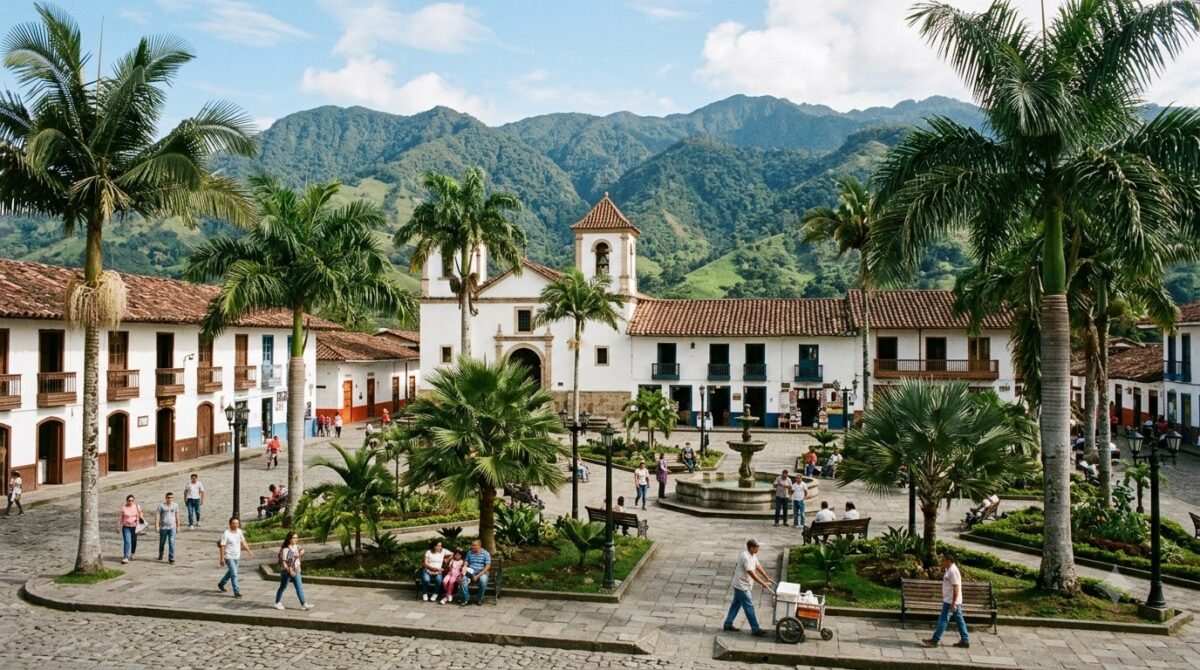
Learn about Costa Rican coffee: a coffee tour in the capital city
For most of its history Costa Rica exported the good coffee and drank the rest. That has reversed in the last decade, and San José now has a serious specialty scene — the best in Central America.
- Barrio Escalante and Barrio Amón have the highest concentration of good roasters.
- Ask for a chorreador pour-over if you want the traditional method: a cloth sock in a wooden stand.
- Coffee plantation day trips in the surrounding hills run US$35 to US$60 and take about half a day.
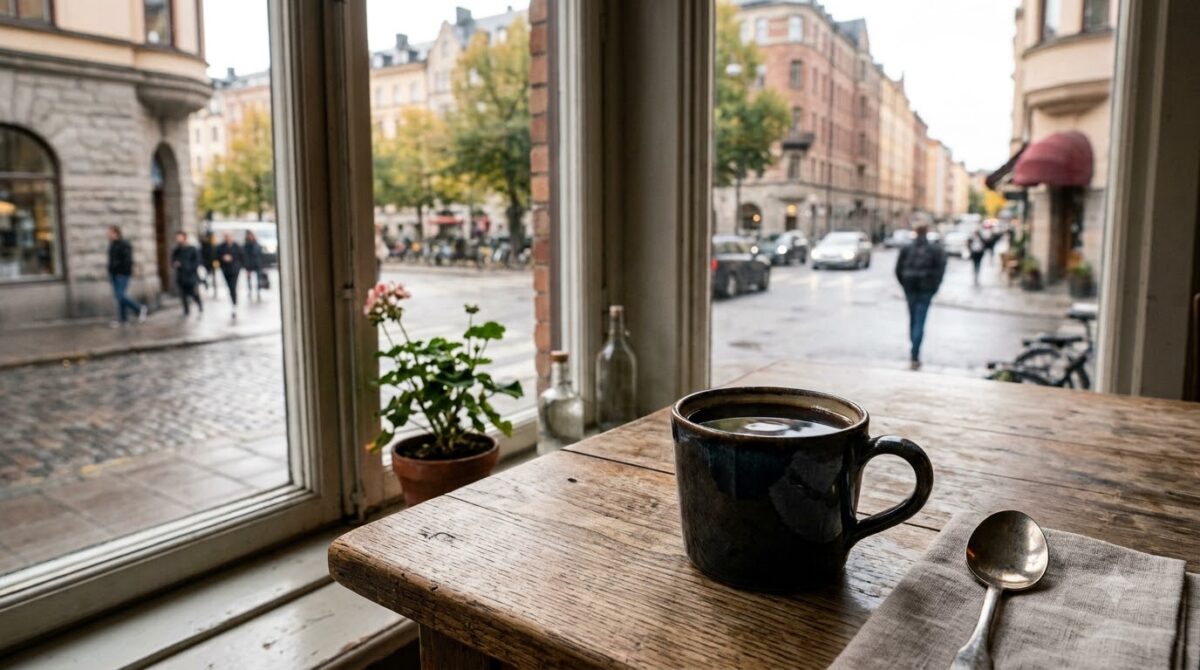
Day trips: Poas Volcano, rainforest, Arenal Volcano and Tortuga Island
This is the strongest argument for a night in the capital. San José is the transport hub, so more is within reach from here than from anywhere else in the country.
| Day trip | Distance | Cost |
|---|---|---|
| Poás Volcano — an active crater you can look into from the rim, in a national park an hour north | 1 hr | Park ~US$15 + transport; tours US$60–90 |
| Irazú Volcano — the highest volcano in the country, with a green crater lake | 1.5 hrs | Tours US$60–90, often combined with Orosi |
| La Paz Waterfall Gardens — waterfalls and a wildlife rescue centre, easy with children | 1.5 hrs | ~US$50 entry |
| Tortuga Island — a full-day boat trip to white sand in the Gulf of Nicoya | 2 hrs each way | US$110–150 |
| Rainforest rafting on the Pacuare | 2 hrs | US$95–130 |
| Braulio Carrillo rainforest and the aerial tram through the canopy | 1 hr | US$70–100 |
⚠ Poás closes at short notice when volcanic activity rises, and entry has been by timed slot in recent years. Check before you book a tour around it.
Not day trips from San José: the Arenal Volcano is three hours each way, Manuel Antonio is three, and the Monteverde cloud forest is four. Operators sell all three as day tours. They are technically possible and they are twelve hours of coach for two hours on the ground. Stay overnight instead — see our guides to La Fortuna and Arenal, Manuel Antonio and the Monteverde cloud forest.
How many days in San Jose, and a 1 or 2 day itinerary
San Jose isn’t a place to base a holiday, but it is definitely worth the day either side of a flight. Two itineraries depending on what you have.
1 day in San Jose
- Morning: Teatro Nacional tour, then the Museo del Oro underneath the plaza next door.
- Lunch: a soda counter in the Mercado Central, in the heart of downtown off Central Avenue.
- Afternoon: the National Museum of Costa Rica for the history and culture, including the wall where the Costa Rican army was abolished in 1948.
- Evening: dinner in Barrio Escalante.
2 days in San Jose
- Day 2 morning: a coffee tour in the hills, or the Jade Museum if it is raining.
- Day 2 afternoon: Barrio Amon on foot for the mansions and street art, then La Sabana.
- Or swap day 2 for a volcano day trip. That is the best use of a second day.
Do not plan to come back to San Jose in the middle of a trip. Loop out and keep going. If you want traditional Costa Rican cooking, San Ramon and the small towns west of the city do it better than anywhere in the centre.
One practical note for your visit to Costa Rica: pick up the rental car on the day you leave the city, not the day you arrive. San Jose airport is 30 to 60 minutes out, and driving in the capital is the least pleasant part of any trip to Costa Rica.
The best neighborhoods to stay in San Jose
| Area | Nightly rate | Suits |
|---|---|---|
| Barrio Amón | US$45–150 | Best choice. Historic mansions turned small hotels, walk to the museums |
| Downtown San José | US$25–90 | Cheapest and most central. Noisy, and dead after dark |
| Barrio Escalante | US$50–140 | Where to stay in San Jose if you care about dinner |
| Near the airport (Alajuela) | US$50–120 | Early flights only. 20 minutes from the terminal, nothing around |
| Escazú / Santa Ana | US$80–250 | Comfortable suburbs, need a car or taxi for everything |
If your flight is before 9am, sleep near the airport in Alajuela rather than downtown. The morning traffic into the terminal is genuinely bad.
Map shows live availability and prices. We may earn a commission on bookings made through it, at no extra cost to you.
Food and drink in San Jose: where to eat
- Mercado Central sodas for a casado at local prices, roughly US$6 to US$7.50.
- Barrio Escalante for dinner — the best restaurant strip in the country, US$15 to US$40 a head.
- Chifrijo was invented in a San José bar and this is the right city to try it.
- Craft beer is popular in Costa Rica now and San Jose is where it started.
- See our guide to Costa Rican food for what to order.
What San Jose costs
The capital is the cheapest place in Costa Rica for a traveller, which surprises people. Prices here are what Costa Ricans pay, not what the coast charges.
| Item | Cost |
|---|---|
| Casado at a Mercado Central soda | 3,000–4,000 colones (US$6–7.50) |
| Dinner in Barrio Escalante | US$15–40 a head |
| Specialty coffee | 1,500–2,500 colones (US$3–5) |
| Museum entry | US$11–17 |
| Hotel, Barrio Amon | US$45–150 |
| Uber across the centre | US$3–6 |
| Airport transfer | US$25–35 |
The Costa Rican colon runs at roughly 525 to the US dollar. Dollars are accepted in tourist places at a poor rate; pay in colones where you can. On a day here budget about US$60 to US$90 per person including a museum, lunch, dinner and transport — well under what a beach town costs. Cost of living is why most Costa Ricans live in this valley.
Getting around San José
- Walk the downtown grid. Everything in this guide except La Sabana is within 20 minutes on foot.
- Uber works and is cheaper and easier than taxis. Official taxis are red with a yellow triangle; agree the meter is on.
- Public buses are cheap and confusing. Fine if you have time.
- Do not rent a car for the city. Traffic and parking are miserable. Pick the car up on the day you leave.
- The airport (SJO) is in Alajuela, 30 to 60 minutes away depending on traffic. Budget an hour.
Is San José safe?
Reasonably, with ordinary city rules and one specific exception.
- Avoid the area around the Coca-Cola bus terminal, particularly after dark. This is the one part of central San José with a real reputation.
- The centre empties after about 8pm and feels it. Take an Uber rather than walking back.
- Pickpocketing in the Mercado Central and on crowded buses is the main risk.
- Barrio Escalante and Barrio Amón are fine in the evening.
- Do not leave anything in a parked car, anywhere, ever.
Is San Jose worth visiting? Pura vida starts outside the city
For one day, yes. The museums are the best in Central America, the Teatro Nacional is genuinely beautiful, the Mercado Central is a working market rather than a performance, and the food and coffee are the best in the country.
For three days, no. There is not enough here, and every hour spent in the capital is an hour not spent in the rainforest or on the coast — which is what you came for.
The right way to do it: land, stay one night in Barrio Amón, spend the following morning on the museums and the market, then pick up the car and drive out after lunch. Or reverse it at the end of the trip.
Add it to your next trip to Costa Rica as a bookend rather than a destination. For the best places to go in the rest of the country see our guides to things to do in Costa Rica, the wildlife and the beaches on both coasts. Pura vida starts once you are out of the traffic.
Frequently asked questions
Is San José, Costa Rica worth visiting?
For one day, yes. It has the best museums in Central America, the Teatro Nacional, a working central market and the country’s best food and coffee. For longer, no — spend the time on the coast or in the rainforest instead.
What are the best things to do in San José?
The Teatro Nacional tour, the Pre-Columbian Gold Museum, the Museo Nacional in the old army barracks, the Jade Museum, lunch in the Mercado Central, and walking Barrio Amón for the mansions and street art.
How many days do you need in San José?
One. Make it the day you arrive or the day before you fly home, so it does not cost you a beach or rainforest day.
What day trips can you do from San José?
Poás Volcano and Irazú Volcano are both within 90 minutes, plus La Paz Waterfall Gardens, Pacuare rafting and a boat trip to Tortuga Island. Arenal, Manuel Antonio and Monteverde are sold as day trips but are three to four hours each way — stay overnight instead.
Where should you stay in San José?
Barrio Amón for historic small hotels within walking distance of the museums, Barrio Escalante if you care about dinner, or near the airport in Alajuela if you have an early flight.
Is San José safe for tourists?
Reasonably, with ordinary city caution. Avoid the area around the Coca-Cola bus terminal, especially after dark. The centre empties after 8pm, so take an Uber rather than walking. Pickpocketing in the central market is the main risk.
How do you get around San José?
Walk the downtown grid and use Uber for anything further. Do not rent a car for the city itself — pick it up on the day you drive out. The airport is 30 to 60 minutes away in Alajuela.
Museum entry, tour prices and transport details read 16 August 2026. Poás Volcano access changes with volcanic activity — check before booking.