Where to stay to eat well in Italy
Pick the city by the food. Rome for a first trip, Bologna for fresh pasta, Naples for pizza and street food.
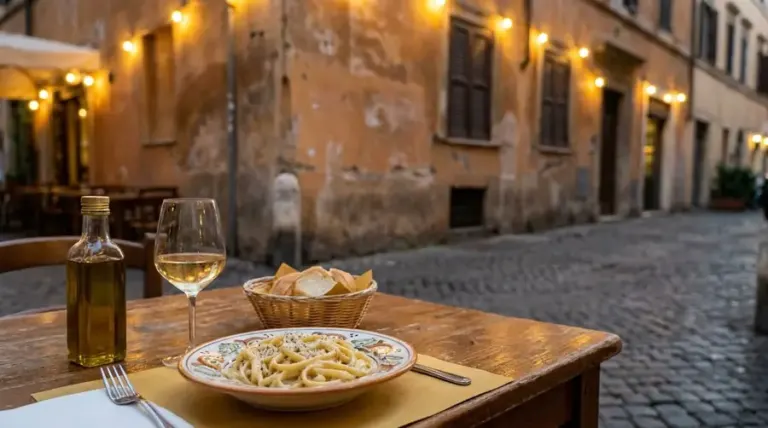
Illustration Check hotels in Romeor compare on AgodaFirst trip
Rome
Trattorias on every street, and the sights in between meals.
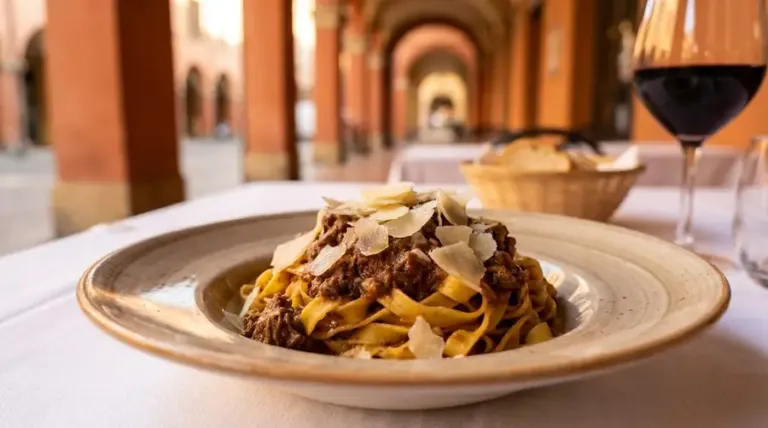
Illustration Check hotels in Bolognaor compare on AgodaBest for food
Bologna
Fresh egg pasta, cured meats and Parmigiano country on one train line.
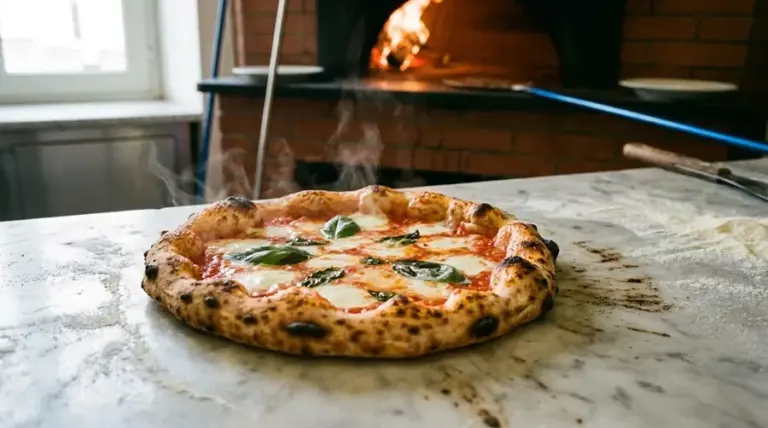
Illustration Check hotels in Naplesor compare on AgodaPizza and street food
Naples
The home of pizza, with the Amalfi Coast close by.
On this page
- Italian food by region: the menu
- Where to eat each Italian dish, region by region
- Rome and Lazio: cacio e pepe, spaghetti carbonara, pecorino romano and black pepper
- Florence and Tuscany: steak, hearty Italian soup and red wine
- Bologna and Emilia-Romagna: ragù bolognese, tortellini and balsamic vinegar
- Venice and the Veneto: cicchetti, risotto, polenta and tiramisu
- Milan and Lombardy: saffron risotto, ossobuco and other Italian meat classics
- Genoa and Liguria: pesto, focaccia and Italian street food
- Naples and Campania: Neapolitan pizza, fried street food and parmigiana
- Puglia: orecchiette, burrata and fresh ricotta
- Sicily: Sicilian arancini, pasta alla Norma, capers and pistachio
- How Italian cuisine works: a meal from appetizer to dessert
- More Italian dishes worth ordering
- Italian-American dishes you will not find on Italian menus
- When to eat what: Italian food by season
- Ordering words
- When Italians eat
- Hotels near the food in Rome, with live prices
- Famous Italian food: FAQ
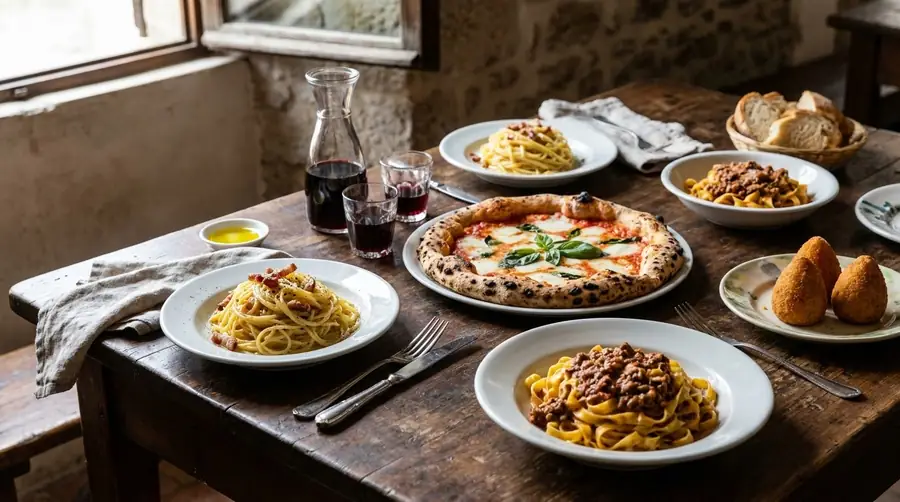
There is no single Italian cuisine. Italy was a group of separate states until unification in 1861, and Italian food culture is still regional; each region of Italy keeps its own culinary traditions: butter, rice and fresh egg pasta in the north, olive oil, tomatoes and dried pasta in the south, seafood along every coast. A carbonara in Rome, a ragù in Bologna and a pizza in Naples are each at their best in the place they come from, and ordering the wrong dish in the wrong town is the easiest way to eat badly in Italy. This guide is for travellers, not cooks: it is not a list of Italian recipes made at home. Many Italian chefs would say the essence of Italian cooking is simple: few ingredients, in season, from nearby. First comes the menu, the iconic dishes and every famous Italian dish with the region it belongs to. Then we go region by region, from Rome and Florence to Bologna, Venice, Milan, Genoa, Naples, Puglia and Sicily, with what to order there, when it is in season, and where to stay so dinner is a short walk home. If you are still planning the route, our 10-day Italy itinerary connects most of these cities by train.
Some links below are affiliate links. We may earn a commission if you book through them, at no extra cost to you. We do not rank hotels, and any prices on the map come live from the booking sites.
Short answer
- Eat each dish where it comes from: carbonara in Rome, ragù in Bologna, pizza in Naples, pesto in Genoa, arancini in Sicily.
- Pasta is a first course; most Italians order two courses, not four.
- Follow the season: artichokes in spring, seafood and granita in summer, truffles and porcini in autumn.
Triplarks · Italy
Italian food by region: the menu
Each famous Italian dish and the region or city it belongs to.
Italian pasta and gnocchi primi
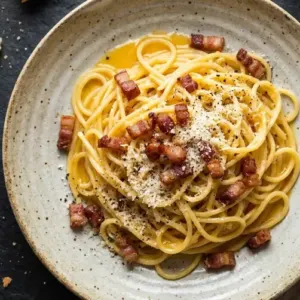
Spaghetti carbonaraRome
Egg yolk, crisp guanciale, pecorino romano and black pepper. The Roman version has no cream.
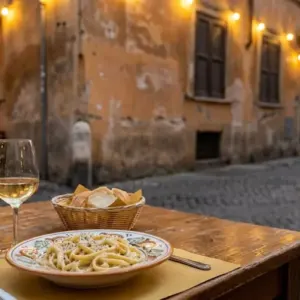
Cacio e pepeRome
Pecorino romano, black pepper and starchy pasta water, often with thick tonnarelli.
AmatricianaLazio
Guanciale, tomato and pecorino, named after the mountain town of Amatrice.
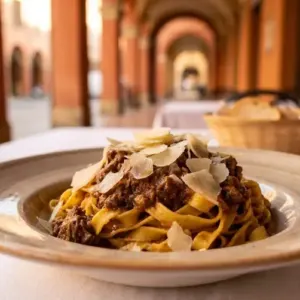
Tagliatelle al ragùBologna
Fresh egg pasta with a slow-cooked meat sauce. Bologna pairs its ragù with tagliatelle, not spaghetti.
Tortellini in brodoBologna, Modena
Small stuffed pasta filled with pork, prosciutto and Parmigiano Reggiano, served in a clear broth.
Lasagne alla bologneseEmilia-Romagna
Green spinach pasta layered with ragù, béchamel and Parmigiano, baked in the oven.
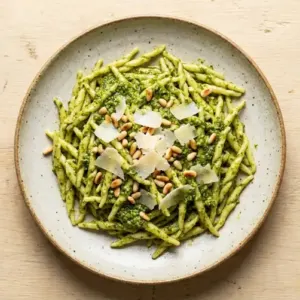
Trofie al pestoLiguria
Short twisted pasta with basil pesto Genovese, often cooked with potato and green beans.
Orecchiette con cime di rapaPuglia
Ear-shaped pasta with turnip tops, garlic, anchovy and chilli.
Pasta alla NormaCatania, Sicily
Tomato sauce, fried aubergine (eggplant), basil and grated salted ricotta.
Pasta con le sardePalermo
Sardines, wild fennel, raisins, pine nuts and saffron, topped with toasted breadcrumbs.
Spaghetti alle vongoleNaples
Clams, garlic, olive oil, parsley and a splash of white wine.
Bigoli in salsaVenice
Thick wholewheat spaghetti with slow-cooked onion and anchovy.
PiciTuscany
Hand-rolled thick spaghetti, served all’aglione (garlic and tomato) or with cacio e pepe.
Gnocchi alla sorrentinaCampania
Potato dumplings baked with tomato sauce, mozzarella and basil.
Pizza and street food cibo di strada
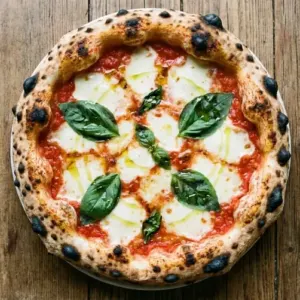
Pizza napoletanaNaples
Soft, puffy, charred crust from a wood-fired oven. Margherita and marinara are the two classics.
Pizza frittaNaples
Deep-fried folded pizza, filled with ricotta, tomato and cheese or cured pork.
SupplìRome
Fried rice ball with tomato sauce and a centre of molten mozzarella.
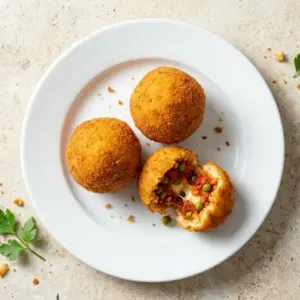
AranciniSicily
Fried rice balls (arancine in Palermo) filled with ragù and peas, or ham and mozzarella.
Focaccia genoveseGenoa
Thin, oily, dimpled flatbread sold by the slice at bakeries from early morning.
FarinataLiguria
A thin chickpea-flour pancake baked in a wood oven, sold in wedges.
PanellePalermo
Chickpea fritters, often eaten in a sesame bread roll.
LampredottoFlorence
Slow-cooked tripe in a bread roll with green sauce, sold from street kiosks.
CicchettiVenice
Small bar snacks on bread or toothpicks, eaten standing with a small glass of wine.
PiadinaRomagna
Flatbread folded around prosciutto, soft squacquerone cheese and rocket.
PanzerottiPuglia
Fried pastry pockets filled with tomato and mozzarella.
Mains, rice and antipasti secondi, antipasti
Risotto alla milaneseMilan
Saffron risotto finished with butter and Parmigiano.
OssobucoMilan
Braised veal shank topped with gremolata (lemon zest, garlic, parsley).
Cotoletta alla milaneseMilan
Bone-in veal cutlet in breadcrumbs, fried in butter.
Bistecca alla fiorentinaFlorence
A thick T-bone steak grilled rare, sold by weight and usually shared.
RibollitaTuscany
Hearty bread, bean and cavolo nero soup, best in the colder months.
Saltimbocca alla romanaRome
Thin veal with prosciutto and sage, cooked in butter and white wine.
Carciofi alla giudiaRome
A whole artichoke fried crisp, from Rome’s Jewish quarter. Best from late winter into spring.
Sarde in saorVenice
Fried sardines in sweet-sour onions with raisins and pine nuts.
Parmigiana di melanzaneNaples, Sicily
Layers of fried aubergine, tomato sauce, mozzarella and Parmigiano.
BurrataPuglia
A mozzarella shell filled with cream and soft curd, first made around Andria.
CaponataSicily
Sweet-sour aubergine with celery, capers, olives and vinegar.
Vitello tonnatoPiedmont
Cold sliced veal under a creamy tuna and caper sauce.
PolentaVeneto, Lombardy
Cornmeal cooked soft or set and grilled, served with stews, fish or cheese.
Italian dessert dolci
TiramisuVeneto
Coffee-soaked savoiardi biscuits, mascarpone cream and cocoa. Treviso claims it; Friuli disputes that.
CannoliSicily
Fried pastry tubes filled with sweetened sheep’s-milk ricotta, sometimes finished with pistachio.
SfogliatellaNaples
Shell-shaped layered pastry with a ricotta and semolina filling.
BabàNaples
A light yeast cake soaked in rum syrup.
Granita with briocheSicily
Semi-frozen almond, lemon, coffee or pistachio ice with a soft bun, a summer breakfast.
PasticciottoLecce
Shortcrust pastry filled with custard, eaten warm in the morning.
MaritozzoRome
Soft sweet bun split open and filled with whipped cream.
Cantucci and vin santoTuscany
Hard almond biscuits dipped in sweet dessert wine.
Panna cottaPiedmont
Set cream, served with berries or caramel.
GelatoEverywhere
Italian ice cream. Pistachio and hazelnut are good tests of a gelateria.
Seasonal dishes come and go, so check what is on the day.Dish photos are illustrations.
Where to eat it
Where to eat each Italian dish, region by region
- 1Rome
The four Roman pastas · artichokes in spring
Where to eat ↓Hotels in Rome → - 2Florence
Bistecca · bread soups · Chianti
Where to eat ↓Hotels in Florence → - 3Bologna
Fresh egg pasta · cured meats · cheese
Where to eat ↓Hotels in Bologna → - 4Venice
Bar snacks · lagoon seafood
Where to eat ↓Hotels in Venice → - 5Milan
Rice and butter · aperitivo
Where to eat ↓Hotels in Milan → - 6Genoa
Basil pesto · bakery breakfasts
Where to eat ↓Hotels in Genoa → - 7Naples
Pizza · fried snacks · pastries
Where to eat ↓Hotels in Naples → - 8Bari
Handmade pasta · cheese · olive oil
Where to eat ↓Hotels in Bari → - 9Palermo
Street markets · sweets · seafood
Where to eat ↓Hotels in Palermo →
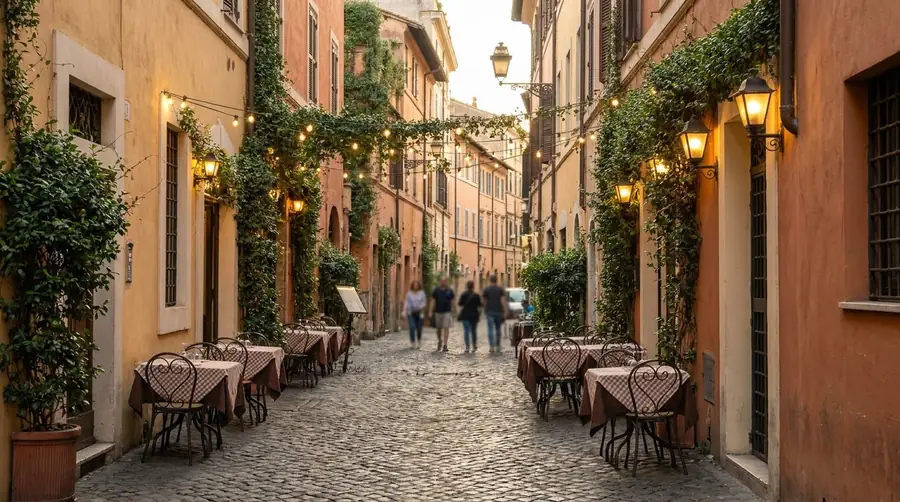
Region 1 of 9
Rome and Lazio: cacio e pepe, spaghetti carbonara, pecorino romano and black pepper
Roman cuisine is a short list done again and again, and that is its strength: authentic Italian cooking at its plainest, and the most beloved Italian pastas come from here. The four Roman pasta dishes share the same few ingredients: guanciale (cured pork cheek), pecorino romano and black pepper. Cacio e pepe is just cheese, pepper and pasta water; gricia adds guanciale; carbonara adds egg yolk; amatriciana adds tomato. Order them in a trattoria, where they arrive as a primo before the main course. Between meals, eat on your feet: a supplì from a friggitoria, pizza al taglio cut to size and sold by weight, or a maritozzo with coffee. Rome’s Jewish quarter is the place to try carciofi alla giudia, and from late winter into spring every menu in town lists artichokes. Testaccio, the old slaughterhouse district, still cooks the quinto quarto (offal cuts) such as oxtail stew. If it is your first trip, plan how many days in Rome before you plan the meals.
Order hereCacio e pepeCarbonaraAmatricianaSupplìCarciofi alla giudiaMaritozzo
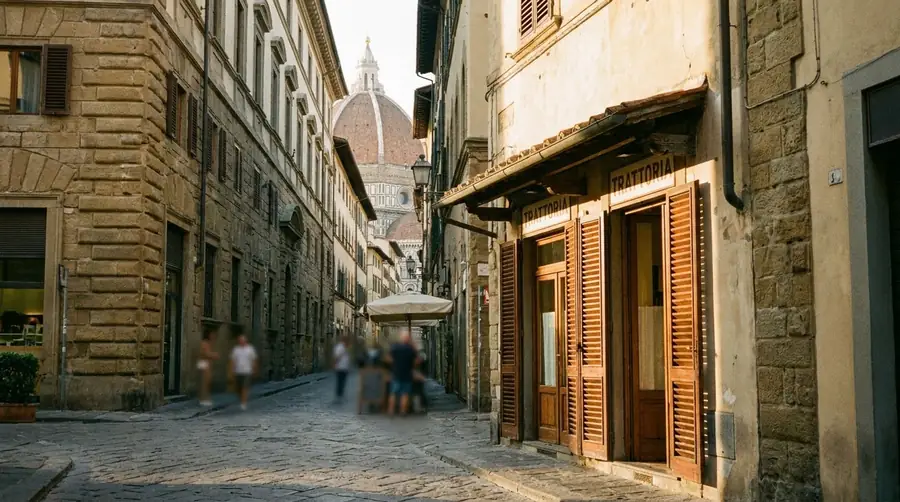
Region 2 of 9
Florence and Tuscany: steak, hearty Italian soup and red wine
Tuscan food is plain country cooking: beans, bread, olive oil and grilled meat, with red wine from the hills around Florence. The headline dish is bistecca alla fiorentina, a thick T-bone grilled rare and sold by weight, so one steak usually feeds two or more. Bread is baked without salt, which is why old bread goes into soups: ribollita in winter and pappa al pomodoro in summer, plus the bread and tomato salad called panzanella. At lunch, do as Florentines do and queue at a street kiosk for lampredotto, tripe in a roll with green sauce. Outside the city, pici are rolled by hand around Siena and Montepulciano, and autumn brings porcini mushrooms, chestnuts and wild boar ragù. Finish with cantucci dipped in vin santo. Our Tuscany itinerary links the hill towns to the city.
Order hereBisteccaRibollitaLampredottoPiciCantucci
Region 3 of 9
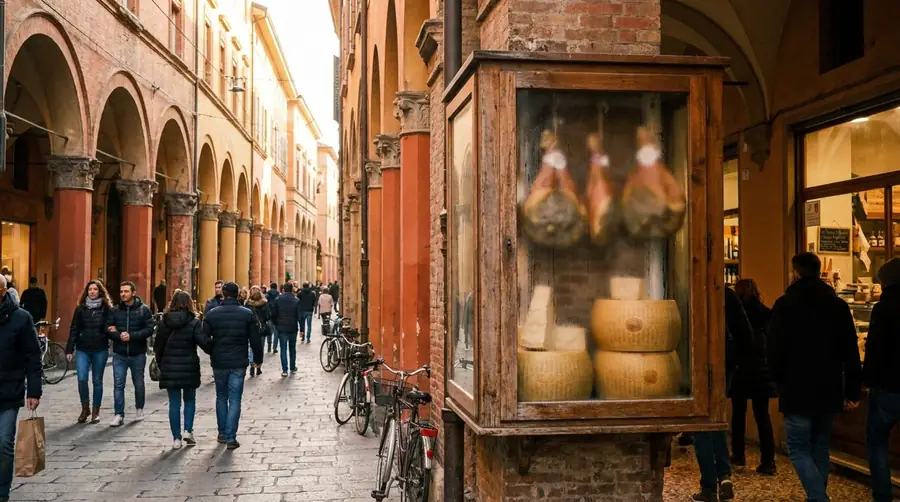
Bologna and Emilia-Romagna: ragù bolognese, tortellini and balsamic vinegar
Bologna’s nickname is la grassa, “the fat one”, and the region around it supplies many of the famous Italian foods sold abroad: Parmigiano Reggiano, Prosciutto di Parma, mortadella and the traditional balsamic vinegar of Modena. Here pasta is fresh egg pasta rolled thin by hand. Order tagliatelle al ragù, the real bolognese meat sauce, and you will not see spaghetti bolognese on a serious menu. In winter, tortellini in brodo come in a clear meat broth; baked lasagne uses green spinach pasta. Tortelloni are often served with butter and sage. Start with a board of cured meats and cheese and a glass of local Lambrusco. Along the coast in Romagna, the snack is piadina. Bologna sits on the fast train line between Florence, Milan and Venice, so it is easy to fit into any trip.
Order hereTagliatelle al ragùTortellini in brodoLasagnePiadina
Region 4 of 9
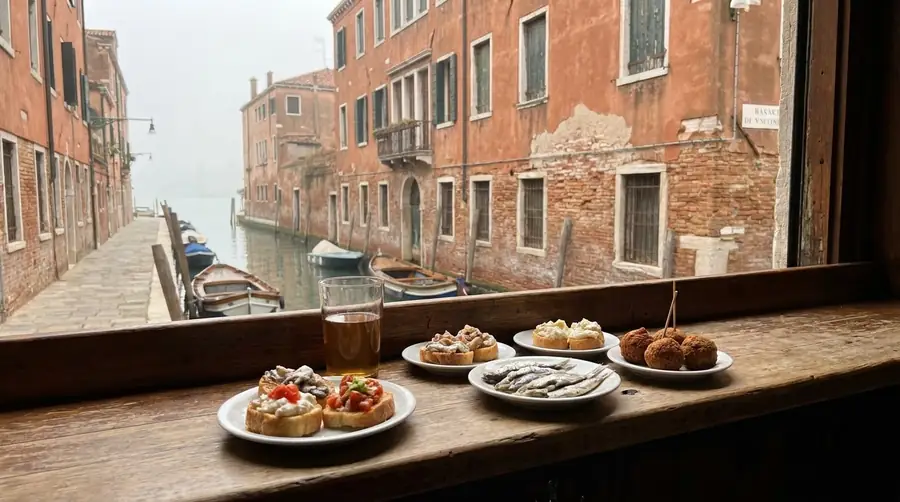
Venice and the Veneto: cicchetti, risotto, polenta and tiramisu
Venetian food is lagoon food. The best way to eat is a giro d’ombra, moving between bacari (wine bars) for cicchetti, small snacks such as creamed salt cod on bread or polpette, each with a small glass of wine. At the table, look for sarde in saor (sardines with sweet-sour onions), bigoli in salsa, seafood risotto and risi e bisi (rice and peas) in spring. Calf’s liver with onions, fegato alla veneziana, is served with soft or grilled polenta. Tiramisu is a Veneto dessert, and the town of Treviso claims it. The spritz also comes from this region. Visit the Rialto market in the morning to see what the lagoon has landed. Our Venice trip length guide helps you leave time for a slow lunch.
Order hereCicchettiSarde in saorBigoli in salsaPolentaTiramisu
Region 5 of 9
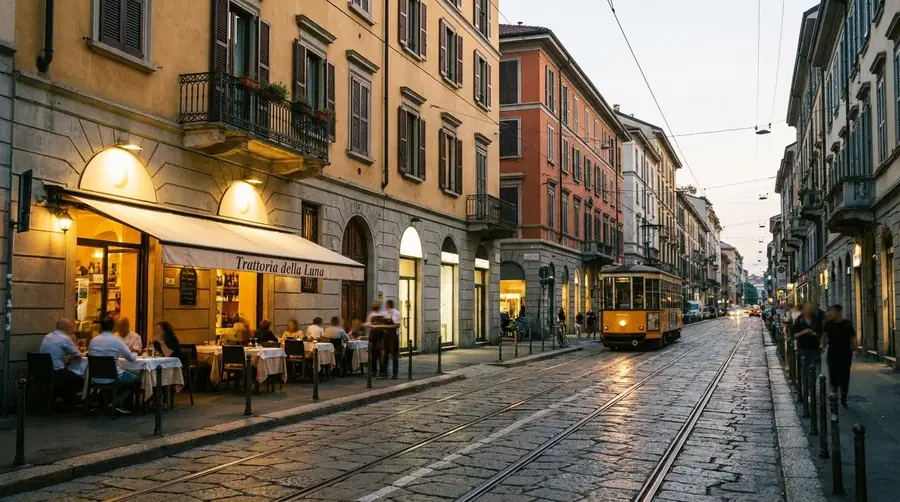
Milan and Lombardy: saffron risotto, ossobuco and other Italian meat classics
Northern Italy cooks with butter and rice more than olive oil and pasta. Milan’s three main dishes go together, each an Italian classic: risotto alla milanese, coloured gold with saffron and the most iconic Italian rice dish; ossobuco, veal shank braised until soft and topped with gremolata, often served with that risotto; and cotoletta alla milanese, a bone-in veal cutlet fried in butter. In winter, the cold-weather dish is cassoeula, pork and cabbage. Milan also runs the best aperitivo culture in the country: from early evening, bars serve a drink with small plates. In December, the sweet bread panettone, which comes from Milan, fills every bakery. If you are heading to the lakes, our Lake Como guide is an hour away by train.
Order hereRisotto alla milaneseOssobucoCotoletta
Region 6 of 9
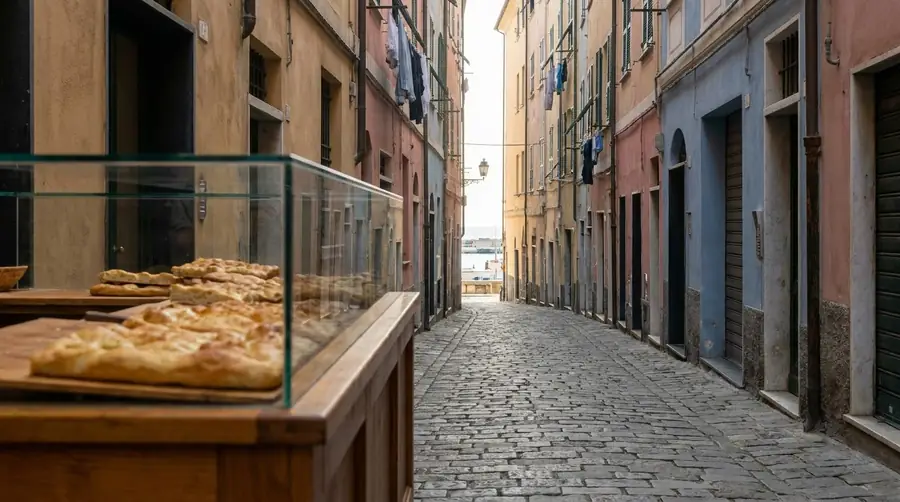
Genoa and Liguria: pesto, focaccia and Italian street food
Liguria is the thin coastal strip from the French border to the Cinque Terre, and its cooking is built on herbs, olive oil and the sea. Basil pesto Genovese comes from here: basil, pine nuts, cheese, garlic and olive oil, served with trofie or trenette, often with potato and green beans cooked in the same pot. Genoa is a street food city. Bakeries sell focaccia genovese from early morning, thin and shiny with oil, and some locals dip it in their morning cappuccino. Farinata, a chickpea pancake, comes out of wood ovens in wedges. Along the coast, look for stuffed anchovies and fried seafood in paper cones. Many travellers taste Ligurian food first in the Cinque Terre; see where to stay in Cinque Terre.
Order hereTrofie al pestoFocacciaFarinata
Region 7 of 9
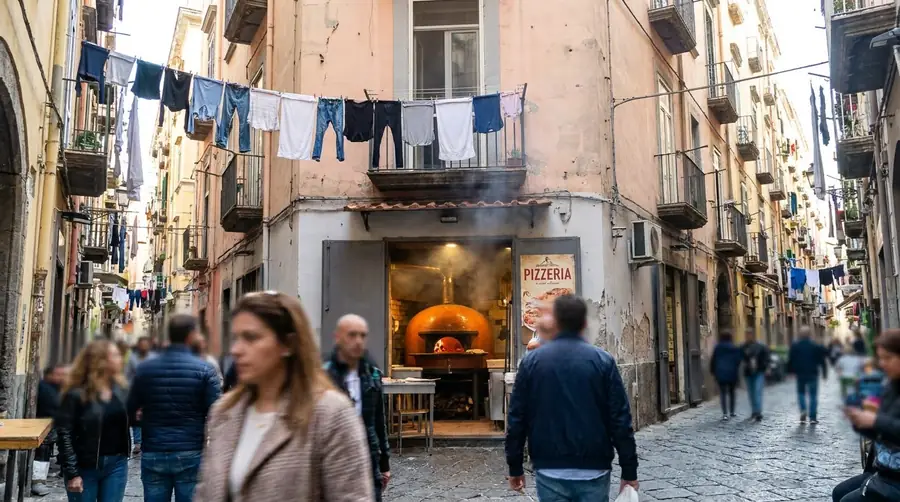
Naples and Campania: Neapolitan pizza, fried street food and parmigiana
Neapolitan cuisine gave the world pizza, and the city still does it best. The pizza napoletana is soft in the centre with a puffy, charred rim, cooked for about a minute in a very hot wood oven. Order a margherita, said to be named after Queen Margherita, its tomato, mozzarella and basil matching the colours of the Italian flag, or a marinara (tomato, garlic, oregano, no cheese), and eat it with a knife and fork, or folded a portafoglio on the street. UNESCO lists the art of the Neapolitan pizza maker as intangible heritage. Naples also fries everything: pizza fritta, potato croquettes and small fried pasta cakes. At the table, try spaghetti alle vongole, parmigiana di melanzane and gnocchi alla sorrentina. Breakfast is a sfogliatella or a babà with espresso. Wondering whether the city suits you? Read is Naples worth visiting, and where to stay on the Amalfi Coast for the coast to the south.
Order herePizza napoletanaPizza frittaSpaghetti alle vongoleParmigianaSfogliatella
Region 8 of 9
Puglia: orecchiette, burrata and fresh ricotta
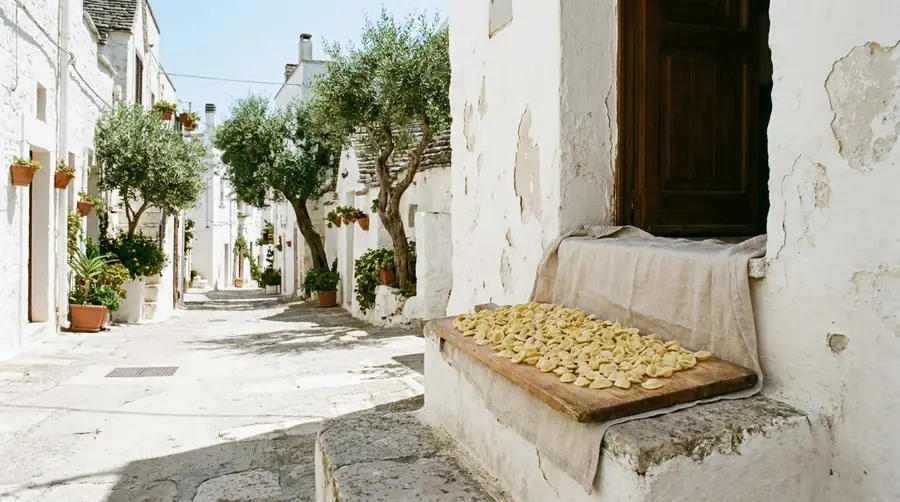
Puglia, the heel of Italy, is the best example of Italian cucina povera, cooking from simple ingredients. It grows much of the country’s olive oil and durum wheat, and its food is simple and vegetable-led. The signature pasta is orecchiette, small ear-shaped pasta made by hand; in Bari’s old town you can watch it being made on trays in the street. Eat it con cime di rapa, with turnip tops, garlic and anchovy, or with tomato and ricotta. Puglia is the home of burrata, from the area around Andria, and of fresh mozzarella and ricotta eaten the day they are made. Bari’s snacks are focaccia barese topped with tomatoes and fried panzerotti. In Lecce, breakfast is a warm pasticciotto filled with custard. Plan the route with our Puglia itinerary.
Order hereOrecchietteBurrataPanzerottiPasticciotto
Region 9 of 9
Sicily: Sicilian arancini, pasta alla Norma, capers and pistachio
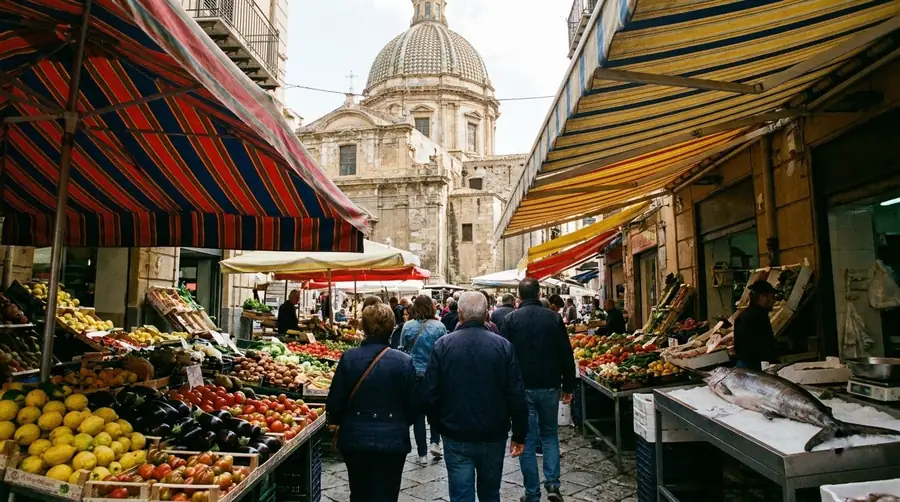
Sicilian food shows the island’s history: Arab, Greek, Spanish and Norman rulers all left ingredients behind, from saffron and raisins to citrus and almonds. Palermo has some of the best street food in Italy; walk the Ballarò or Vucciria markets for panelle (chickpea fritters), arancine and sfincione, a thick Sicilian pizza. Arancini, a beloved street food snack across the island, are fried rice balls, round in Palermo and cone-shaped in Catania. At the table, order pasta con le sarde in Palermo and pasta alla Norma in Catania, with fried aubergine and salted ricotta. Caponata, a sweet-sour aubergine dish with capers and olives, is on most antipasti tables. Sicily is also the island of cannoli, and the pistachios of Bronte near Etna. In summer, breakfast is granita with brioche. Our Sicily itinerary covers both coasts.
Order hereAranciniPanellePasta con le sardePasta alla NormaCannoliGranita
How Italian cuisine works: a meal from appetizer to dessert
A full Italian meal has courses, but nobody expects you to order them all. At an Italian dinner most people choose two: a primo and a secondo, or an antipasto and a primo. Pasta is a first course, so do not expect it to come with meat on the same plate.
- Antipasto
- The appetizer: cured meats, cheese, bruschetta (toasted bread with toppings), fried vegetables.
- Primo
- The first course: pasta, risotto, gnocchi or soup.
- Secondo
- The main course: meat or fish, usually served alone.
- Contorno
- A side dish ordered separately: salad, greens, roast potatoes.
- Dolce
- Dessert, then espresso. Cappuccino is a morning drink for most Italians.
- Digestivo
- A small after-dinner drink such as limoncello, grappa or amaro.
More Italian dishes worth ordering
These classic Italian dishes turn up in several regions, so you can order them almost anywhere.
Ravioli with brown butter and sage
Across the north, filled pasta such as ravioli, tortelloni and agnolotti is often dressed simply with butter and sage, the butter cooked until it turns nutty. In Piedmont, small agnolotti del plin are served the same way or in a meat juice. It is a good choice when you want something lighter than a ragù.
Gnocchi
Potato gnocchi are soft dumplings made from potato and flour. Each region dresses them differently: tomato and mozzarella around Sorrento, butter and sage in the north, pesto in Liguria. Some Roman trattorias still keep the old habit of serving gnocchi on Thursdays.
Spaghetti with garlic, olive oil and red pepper flakes
Spaghetti aglio, olio e peperoncino is the late-night pasta of Rome and Naples: garlic, olive oil and dried chilli, often what red pepper flakes are called on English menus. It is cheap, fast and found everywhere, and the best test of a kitchen that cooks pasta well.
Vitello tonnato and its caper sauce
Piedmont serves thin cold veal under a creamy tuna and caper sauce as an antipasto, mostly in summer. Capers turn up again in the south, in Sicilian caponata and in Neapolitan puttanesca with olives and tomato.
Polenta
Before pasta spread north, polenta was the staple of the Veneto, Lombardy and the Alps. It is served soft with stews and cheese, or left to set and then grilled with fish in Venice.
Gelato and pistachio
Gelato is the Italian treat you can eat everywhere, denser than ice cream and served a little warmer. With tiramisu, cannoli and panna cotta, it is one of the most popular Italian desserts. Pistachio is a good test of a gelateria: natural pistachio gelato is a muted green-brown, not bright green. Sicily, home of the Bronte pistachio, also makes pistachio cannoli, granita and pastries.
Italian-American dishes you will not find on Italian menus
Many of the Italian dishes people know from home were created by Italian families in the United States. They are good food, but you will rarely see them in Italy, and asking for them can confuse a waiter.
Italian wedding soup
The Italian soup sold under this name in the US comes from minestra maritata, a Campanian soup of greens and meat. The “marriage” is between the greens and the meat, not a wedding, and the version with tiny meatballs and pasta is Italian-American.
Chicken scarpariello
Chicken with sausage, peppers and vinegar is an Italian-American restaurant dish. In Italy, chicken rarely shares a plate with pasta.
Sunday sauce: the Italian-American meat sauce
Sunday sauce, or gravy, is a dish for Sunday family gatherings and the Italian-American cousin of the Neapolitan ragù, a tomato sauce cooked for hours with different cuts of meat. In Naples, the meat is often eaten as a second course after the pasta. Spaghetti with meatballs made with ground beef, and fettuccine Alfredo with cream are mostly found in places that cook for tourists. Order tagliatelle al ragù in Bologna instead.
When to eat what: Italian food by season
Italian cooking follows the market, so the same trattoria changes its menu through the year. Plan the trip around a season and order what is on the specials board. Our best time to visit Italy guide covers the weather side.
- Spring (March to May): Roman artichokes, fresh fava beans with pecorino, wild asparagus and the Roman spring stew vignarola.
- Summer (June to August): tomatoes, aubergines and courgette flowers, panzanella in Tuscany, granita in Sicily and seafood on every coast.
- Autumn (September to November): porcini mushrooms, chestnuts, truffles in Piedmont and Tuscany, new olive oil and the grape harvest. Village food festivals (sagre) are common.
- Winter (December to February): tortellini in brodo, ribollita, polenta and slow braises, cime di rapa in Puglia, and panettone at Christmas.
Ordering words
- Il conto, per favore
- The bill, please.
- Coperto
- A cover charge per person, printed on the menu.
- Piatto del giorno
- Dish of the day.
- Acqua naturale / frizzante
- Still water / sparkling water.
- Vino della casa
- House wine, usually red wine or white wine by the quarter or half litre.
- Al taglio
- By the slice, how bakeries sell pizza and focaccia.
- Da portare via
- To take away.
- Senza glutine
- Gluten-free.
When Italians eat
Italians eat later than many visitors expect, and later the further south you go. Many kitchens close between lunch and dinner, so a 5 pm meal is hard to find outside tourist streets.
A typical day
- ColazioneAbout 7–10 amCoffee and a pastry, standing at a bar.
- PranzoAbout 1–3 pmLunch, often the bigger meal.
- AperitivoAbout 6–8 pmA drink with small snacks.
- CenaFrom about 8 pmDinner; later in the south.
Typical times, not opening hours. Check each place.
Live prices
Hotels near the food in Rome, with live prices
Prices appear on the pins once dates are set. We pre-fill a week about a month ahead; change the dates on the map to see yours.
Famous Italian food: FAQ
What is the most famous Italian food?
Pizza and pasta. The most famous Italian dishes include Neapolitan pizza, spaghetti carbonara, lasagne, tagliatelle al ragù, risotto alla milanese, tiramisu and gelato. Each comes from a different region, so where you eat them matters.
What is the national dish of Italy?
Italy has no official national dish. Pizza and ragù alla bolognese are the two most often named, but Italians tend to answer with the dish of their own region.
What is traditional Italian food?
Traditional Italian food is regional home cooking built on a few good ingredients: fresh pasta and butter in the north, olive oil, tomatoes and dried pasta in the south, and seafood along the coasts.
Which Italian city has the best food?
It depends on what you like. Bologna is the classic answer for fresh pasta and cured meats, Naples for pizza and street food, Rome for pasta in trattorias, and Palermo for markets and sweets.
What do Italians eat for breakfast?
Usually something small and sweet, a delicious Italian start rather than a big meal: a cornetto (croissant) with espresso or cappuccino at a bar. In Sicily in summer, granita with brioche; in Genoa, focaccia.
When is the best time to visit Italy for food?
Autumn is the favourite for food lovers, with truffles, porcini, chestnuts, new olive oil and village food festivals. Spring brings Roman artichokes and fresh fava beans.
Where should I stay in Italy for food?
Rome for a first trip, Bologna if food is the main reason to travel, and Naples for pizza and the Amalfi Coast. All three sit on the fast train line, so you can combine them.
Keep planning Italy
- Best Hotels in Taormina: The Town Is Up, the Sea Is Down
- Best Hotels on the Amalfi Coast: Pick the Town First
- Best Hotels in Positano: Count the Steps Before the Stars
- Best Hotels in Florence: The ZTL Matters More Than the Stars
- Where to Stay in Verona: Inside the River Loop, or Outside It
- Where to Stay in Tuscany: You Are Choosing a Driving Radius
- Where to Stay in Puglia: Pick the Building, Not the Town
- Where to Stay in Cinque Terre: Ask About the Stairs First
Written and checked by
Triplarks Editorial
An editorial desk, not an invented persona: research, drafting and fact-checking are done by the same small team. Every number here carries the date it was read.